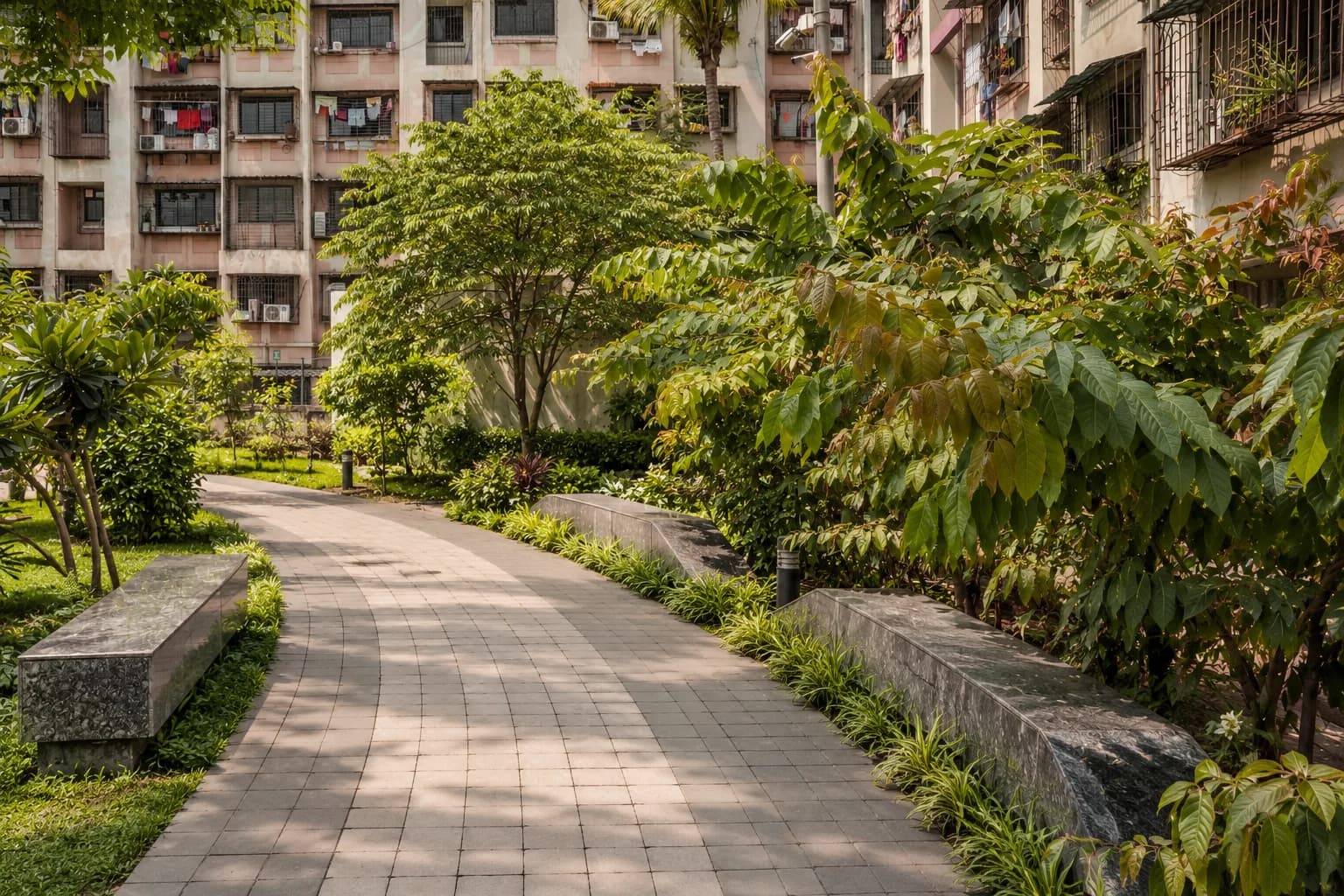
01Miyawaki Urban Dense Forestation
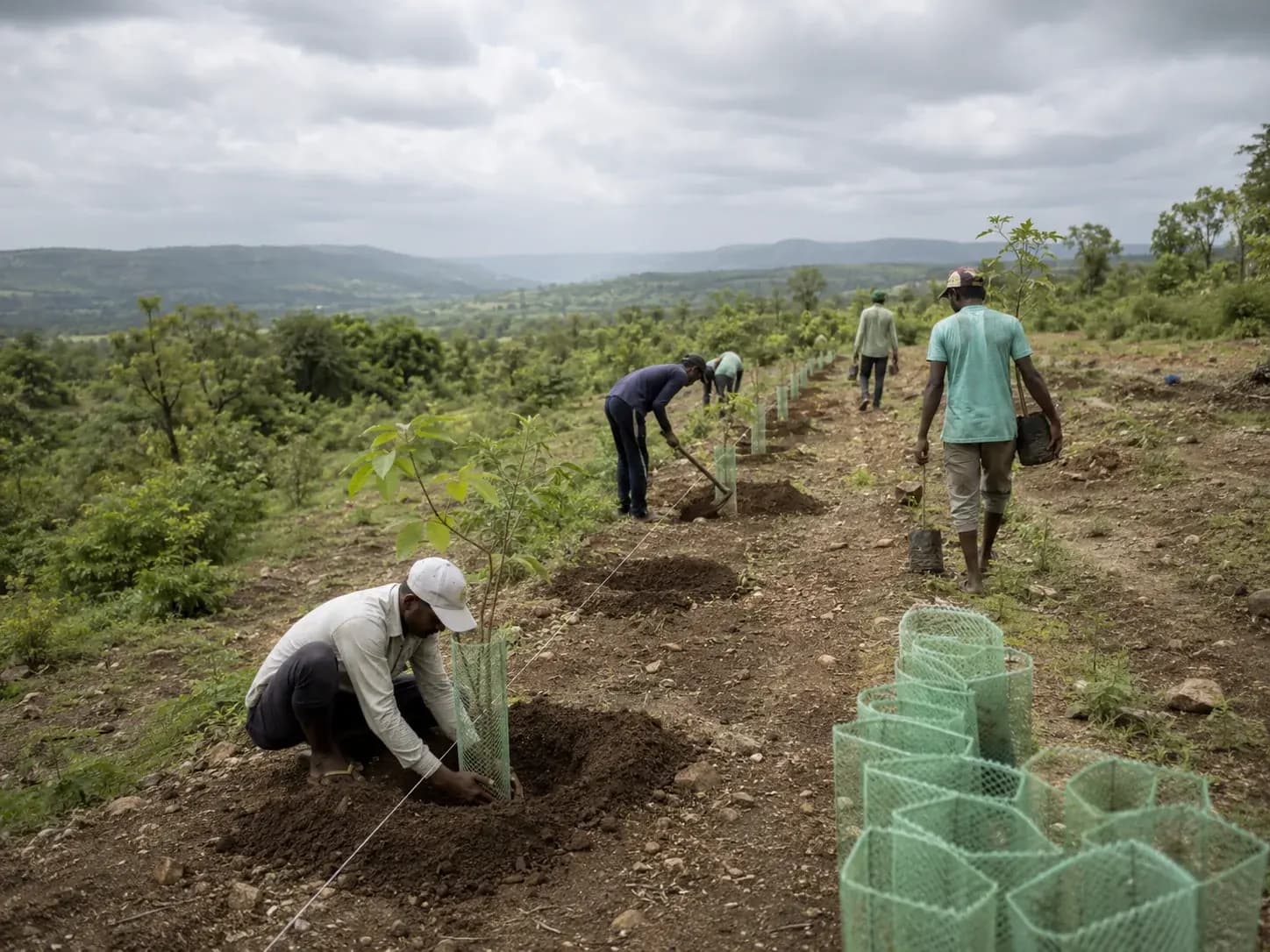
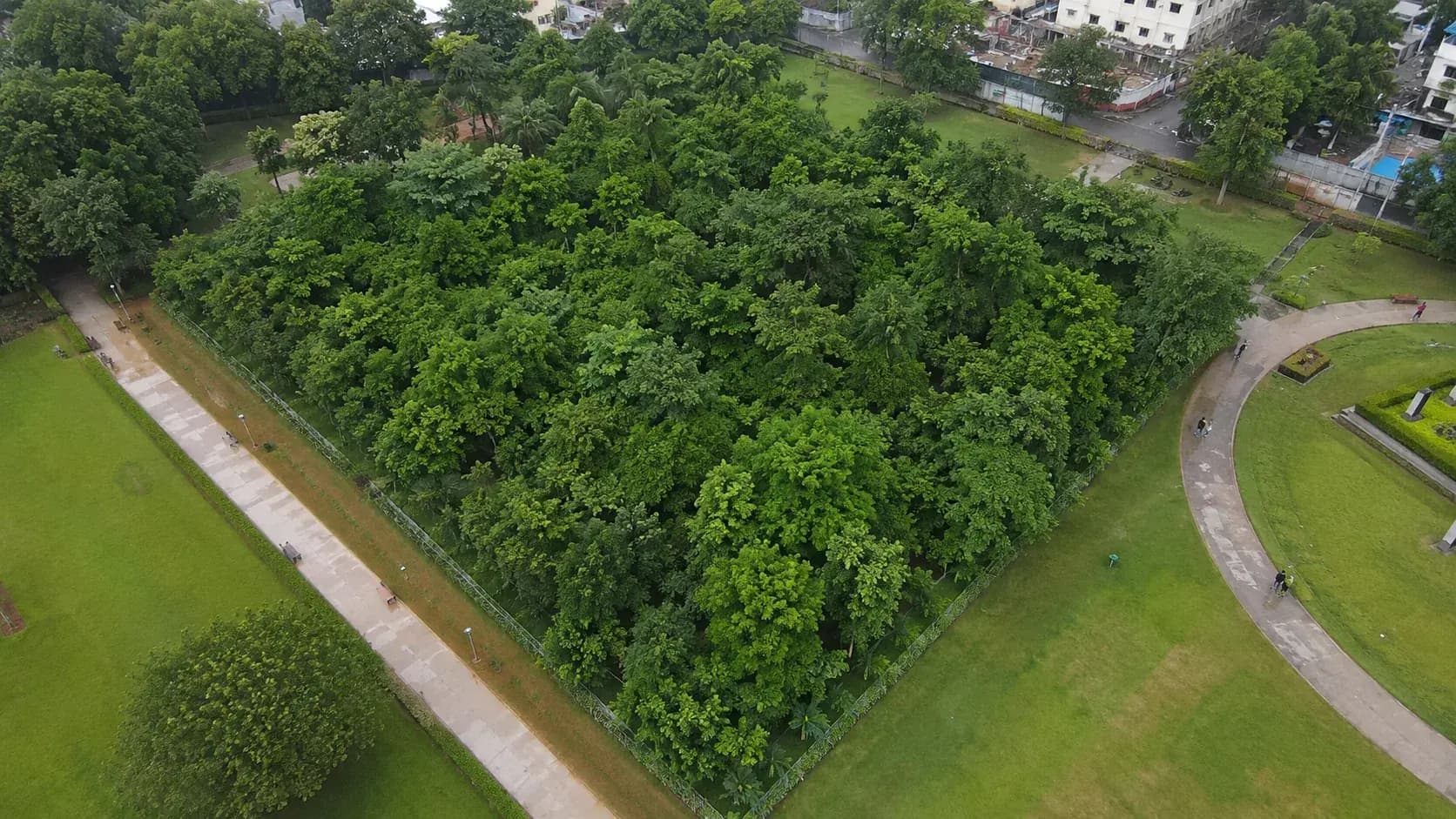
Two to four native saplings per square metre, 95% measured survival, and a forest in three years rather than thirty.
Practices
Inside this practice






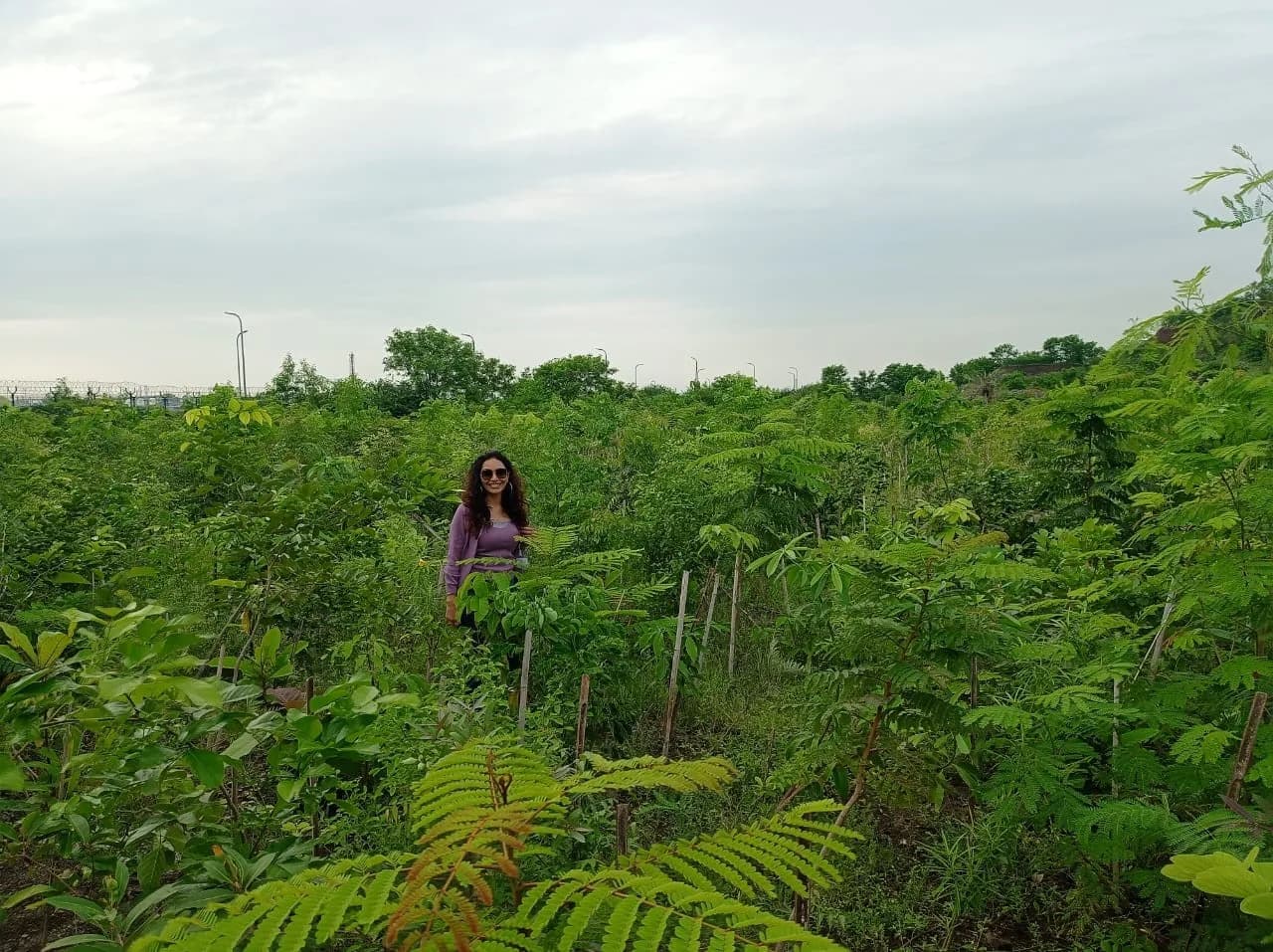
 FeaturedRoadside Miyawaki belt, Mumbai, October 2021: fourteen gardens, one urban forestMiyawaki dense forestation across seven wards for MCGM.
Signature work
Browse by practice


 In frameMCGM GARDEN DEVELOPMENT- MIYAWAKI PLANTATIONMiyawaki dense forestation across 27 locations in 7 wards using native species, delivered under the municipal greening programme.
Practice 03 · Urban Ecology & Green Infrastructure
Miyawaki plantation and urban forestry consultants: 1,10,000+ natives at a measured 95% survival, maintained after everyone else goes home.
300,000+Native trees planted
95%Measured sapling survival
2,875 tCO₂ sequestered
200+ acresHorticulture developed
What we take off your desk
6 services
01Miyawaki Urban Dense Forestation
Two to four native saplings per square metre, 95% measured survival, and a forest in three years rather than thirty.
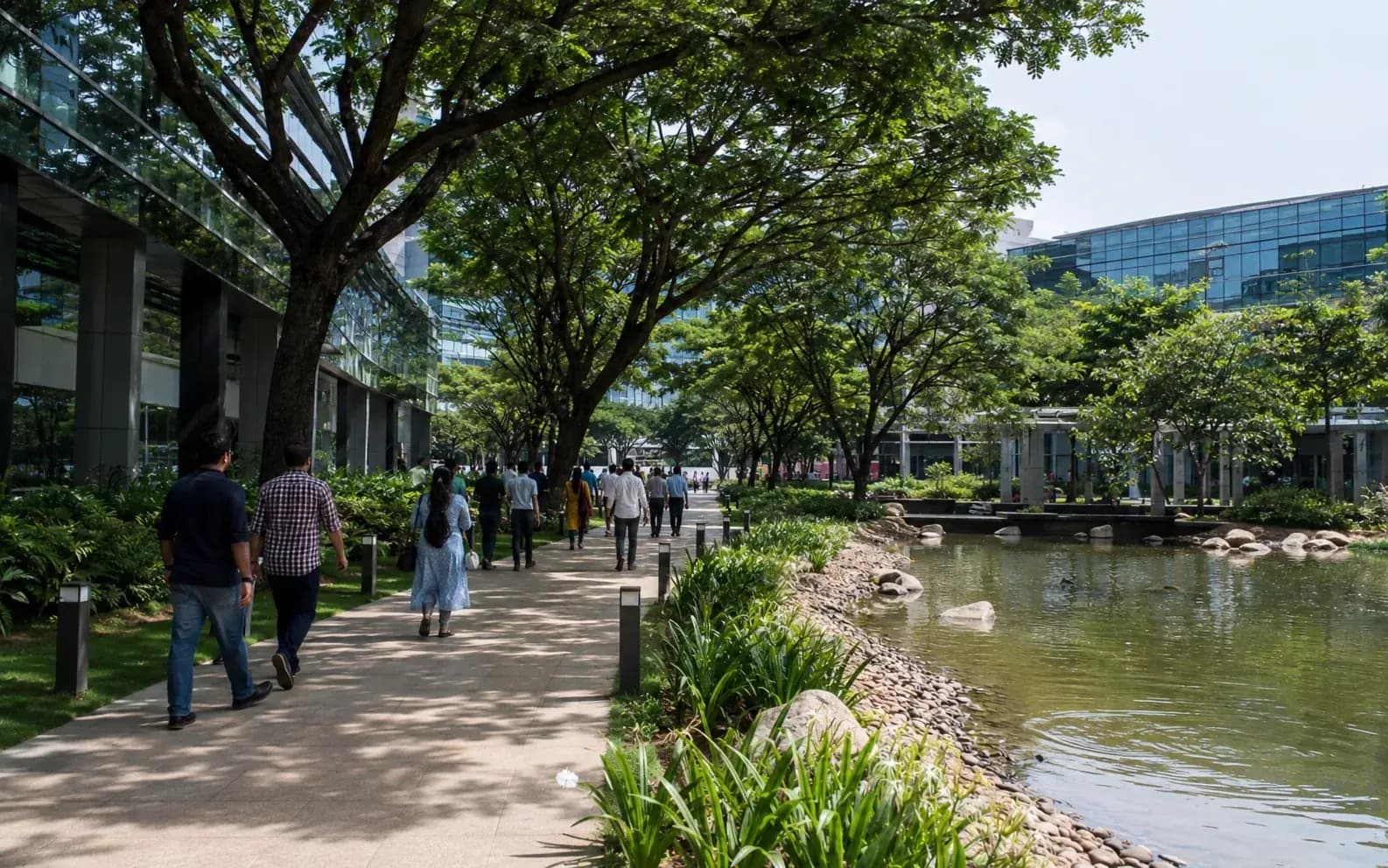
02Green Belt Development for Industries
The green belt your EC requires, planted by the firm that wrote the condition into your EMP.
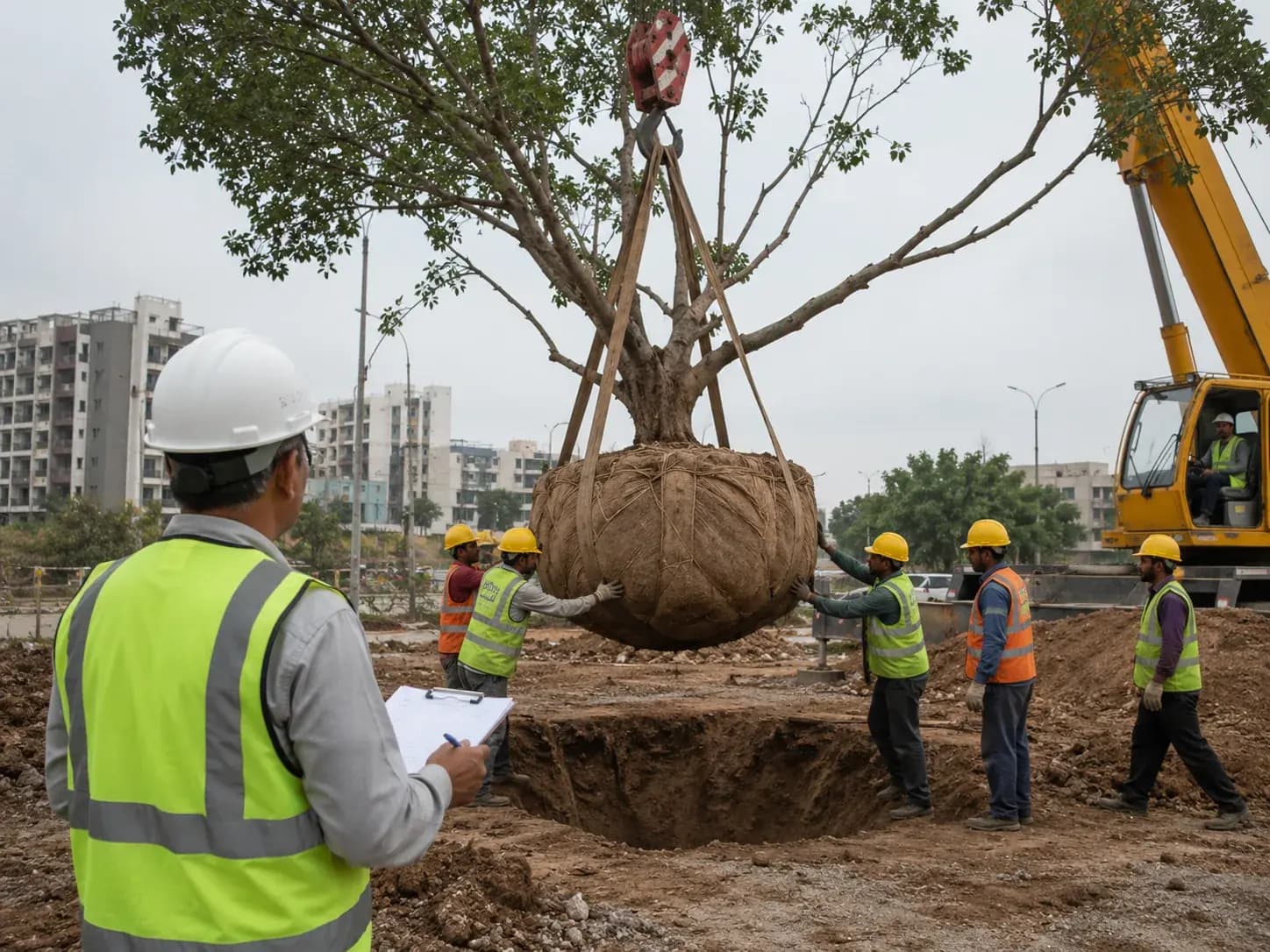
03Tree Management
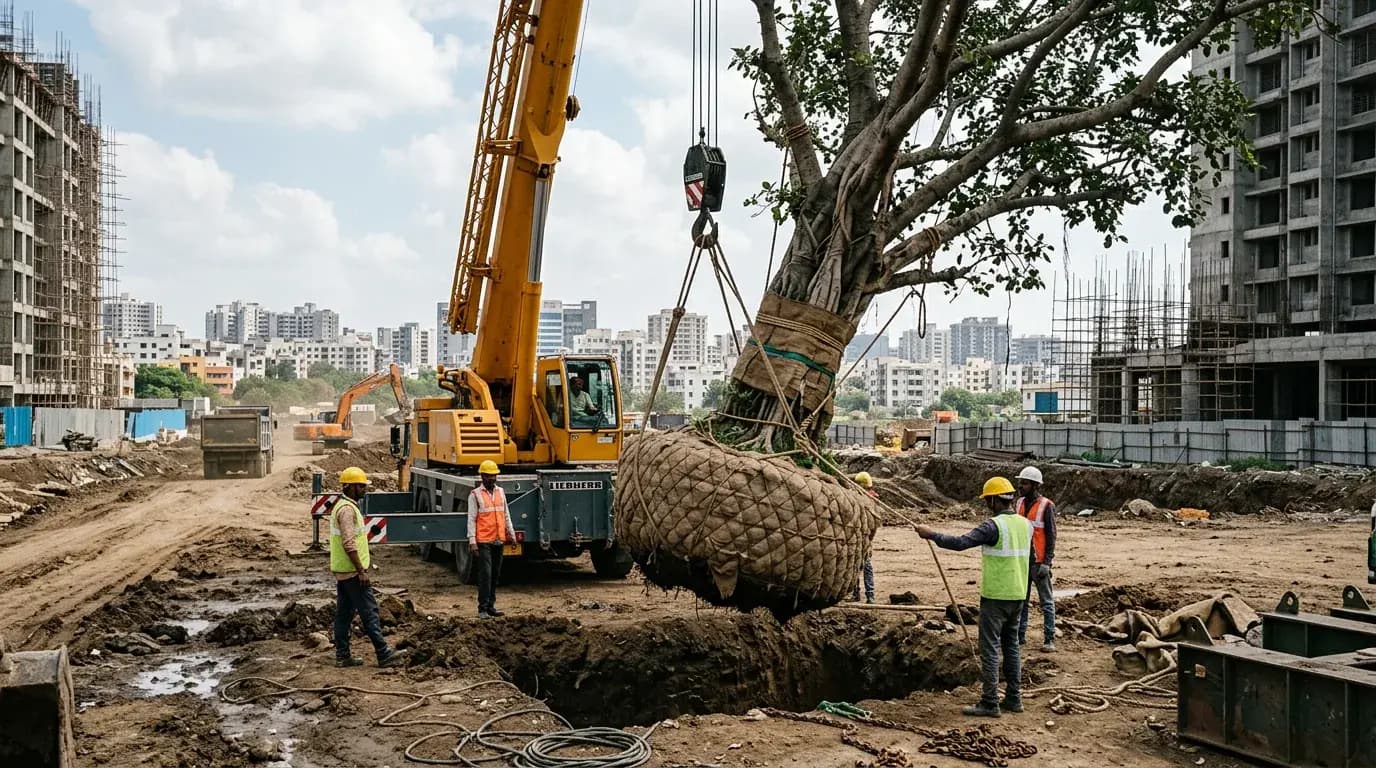
Enumeration, NOC and transplantation under the Maharashtra (Urban Areas) Preservation of Trees Act. A different Tree Authority in every corporation.
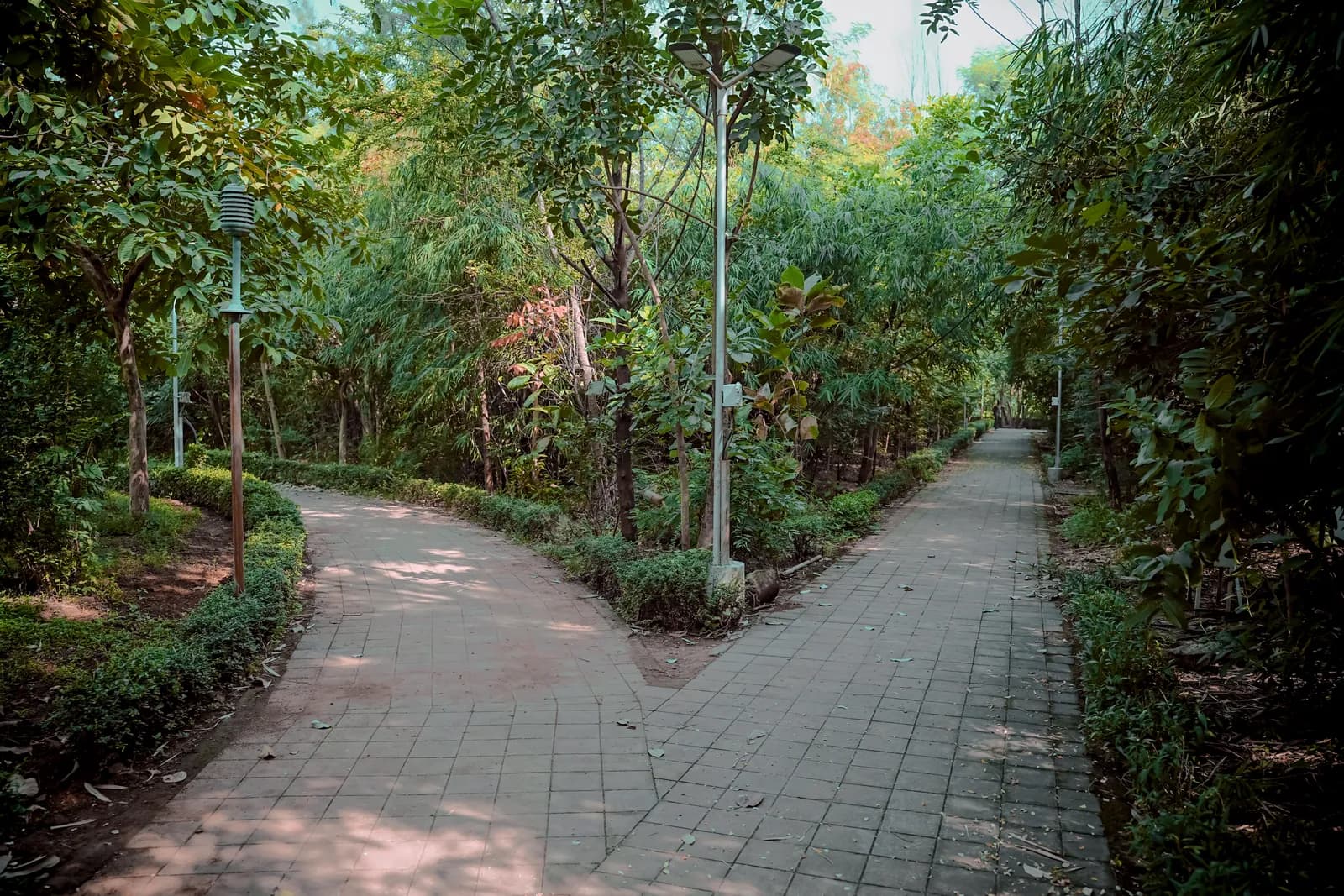
04Public Gardens & Biodiversity Parks
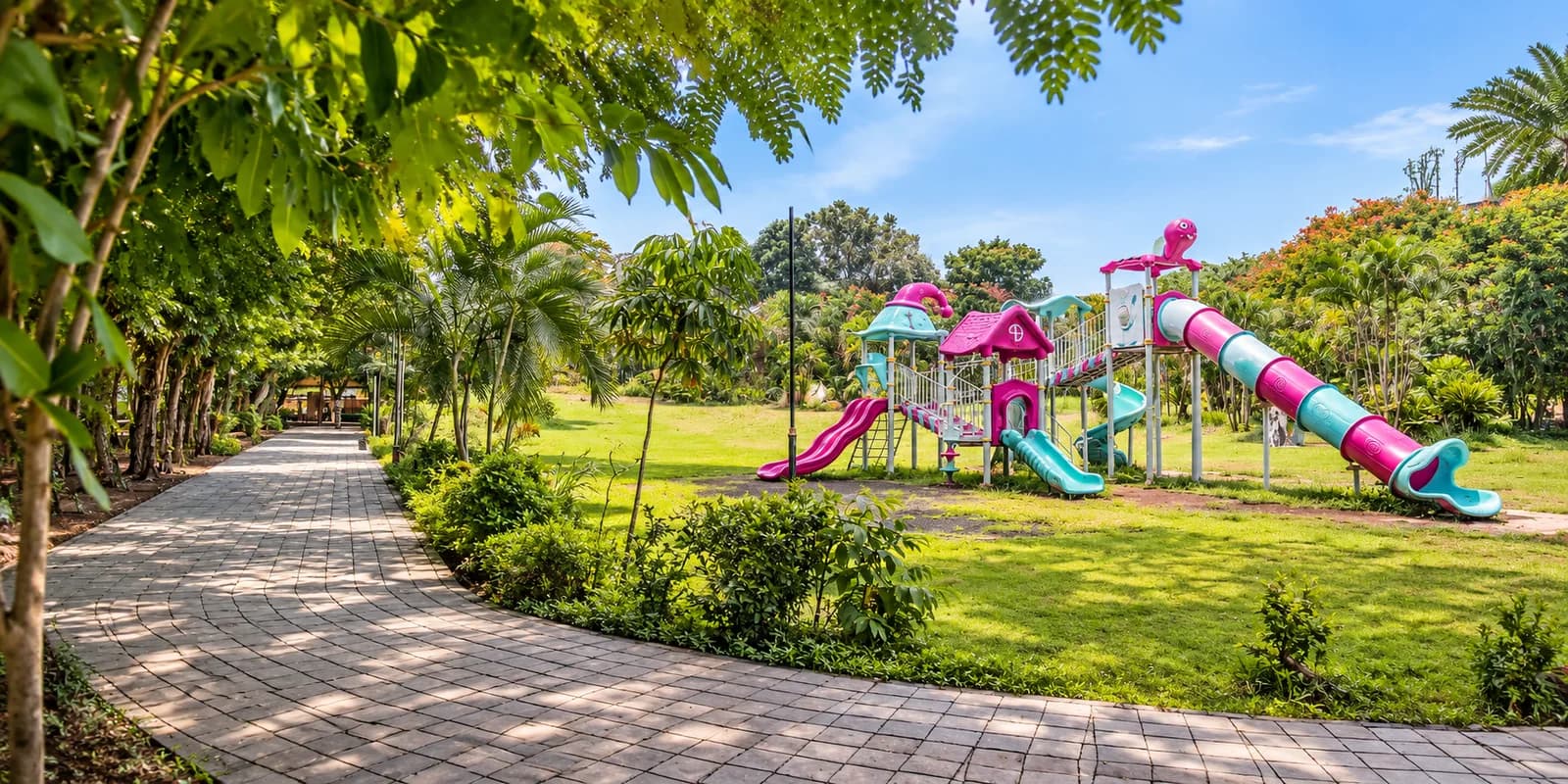
Planning, development and management of public green spaces that enhance biodiversity, recreation and ecological value.
05Green Maintenance & Development
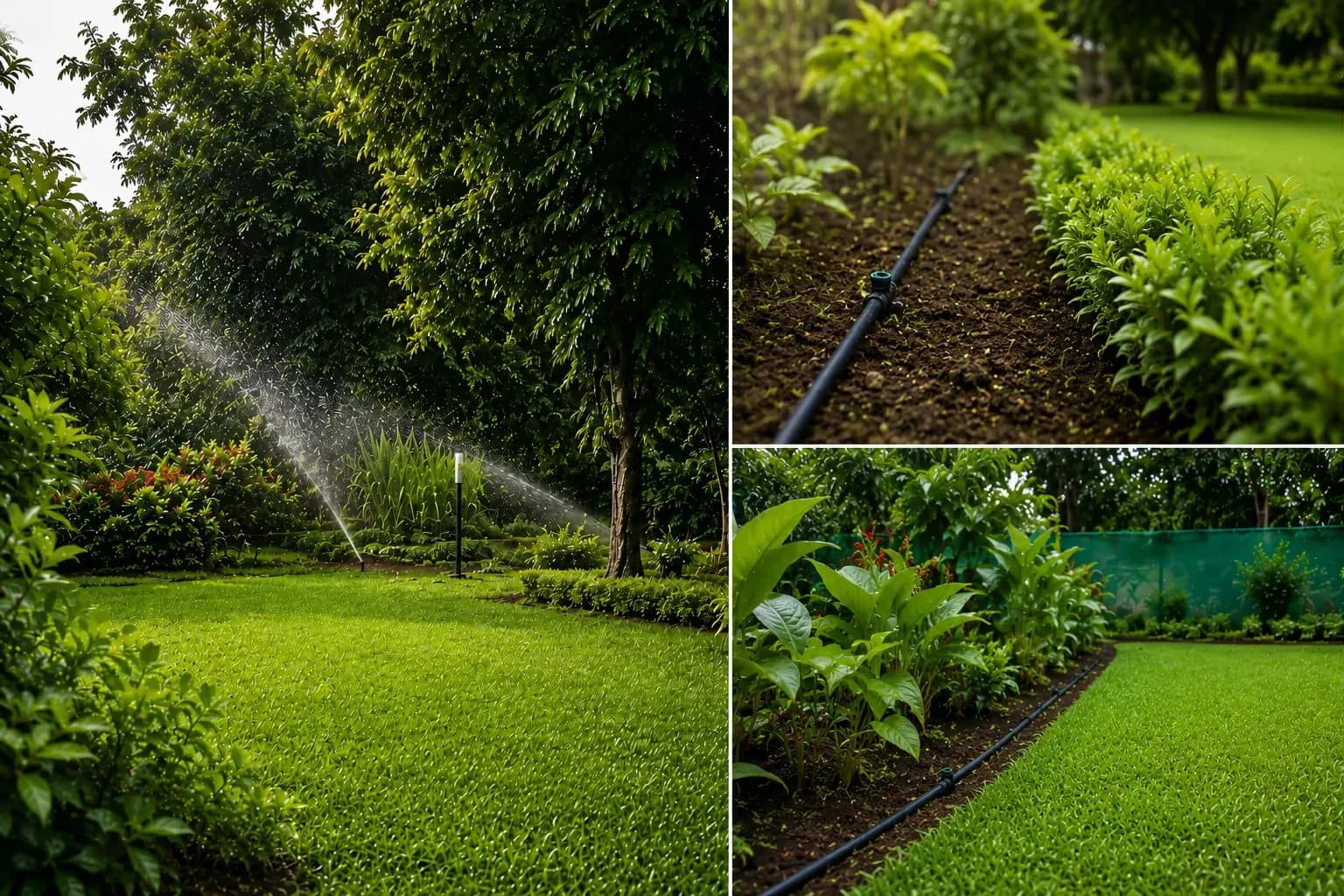
Long-term maintenance and enhancement of green spaces through systematic horticulture, plant health management and sustainable landscape development.
06Sustainable Landscaping
Integrated landscape solutions combining softscape, hardscape and resource-efficient systems to create functional, resilient and visually distinctive outdoor environments.
Urban Ecology & Green Infrastructure
Integrating nature into the city, creating resilient, biodiverse and people-centric urban environments.
Proof · Jamnagar & Junagadh, Gujarat
Green zone development and maintenance across multiple client sites at Jamnagar, covering 120 acres. The wider Jamnagar portfolio also included Miyawaki plantation and maintenance of approximately 80,000 plants across 24,000 sq m.
Case studies
Markets this practice serves
Straight answers
Not necessarily. KIPL evaluates the site area, soil conditions, available water, sunlight, existing vegetation, ecological context and long-term maintenance requirements before determining whether a Miyawaki approach is appropriate.
Yes. Our approach goes beyond plantation. We consider species selection, soil preparation, planting density, irrigation, maintenance, survival monitoring and long-term ecological development to create a functional and sustainable greenbelt.
Yes. KIPL can establish site-specific environmental performance indicators to measure the impact of green infrastructure initiatives. Depending on the project, this may include tree survival rates, canopy development, biodiversity enhancement, green cover, carbon sequestration, water consumption, soil improvement, microclimate benefits and habitat creation. Periodic monitoring and documentation help demonstrate the measurable environmental outcomes and long-term performance of the intervention.
Yes. Even constrained sites can be planned strategically through compact urban forests, native plantations, vertical and layered landscaping, biodiversity pockets and other green infrastructure interventions, depending on site conditions.
A conventional landscape may focus primarily on aesthetics. An ecological strategy considers biodiversity, native species, habitat value, water use, soil health, microclimate and long-term environmental performance alongside visual appeal.
Yes. KIPL can assist with tree assessments, documentation, statutory submissions and applicable Tree Authority / NOC processes, depending on the location and nature of the proposed work.
Absolutely. Parks can combine recreation with biodiversity, native plantations, ecological habitats, shaded areas, water-sensitive design and sustainable landscaping, creating spaces that serve both people and the urban environment.
Tree survival depends on much more than the number of trees planted. KIPL can assess species suitability, soil conditions, planting methodology, irrigation, maintenance and site conditions to identify the causes of poor survival.
The establishment phase requires appropriate care, particularly irrigation and weed management. KIPL can develop a site-specific establishment and maintenance strategy designed to support the plantation as it matures.
Yes. Existing landscapes can be assessed for opportunities to introduce native species, habitat layers, pollinator-friendly planting, ecological pockets, water-sensitive features and improved soil management.
Clients & partners





One conversation to plan the planting, the species and the care that keeps it alive.