










Seasonal plantation and replantation: planting in the window the plant will actually take in.
Planting outside the season is the most common way to buy the same plant twice: it goes in, it struggles through a hostile few months, and it is replaced the following year.
What it is
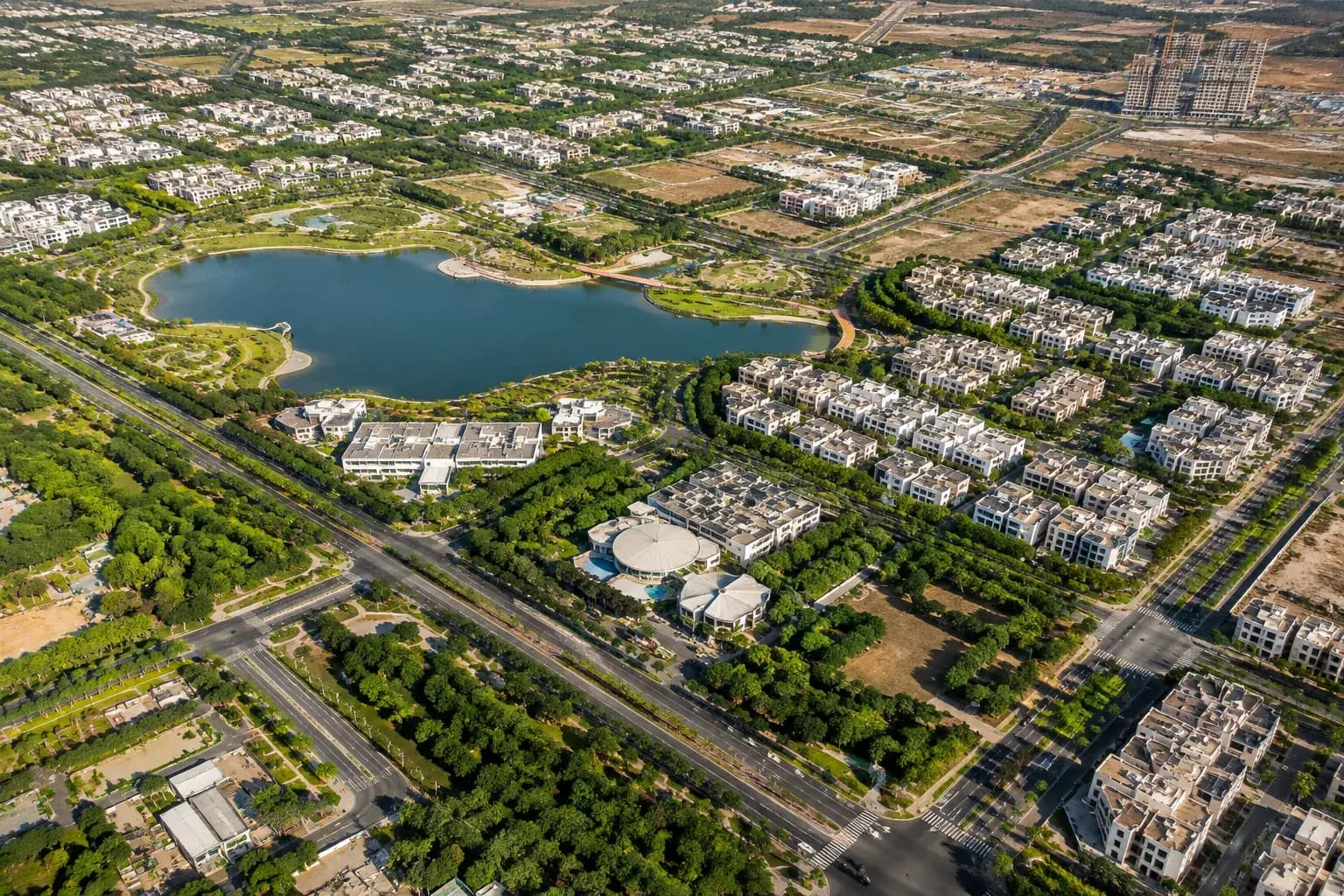
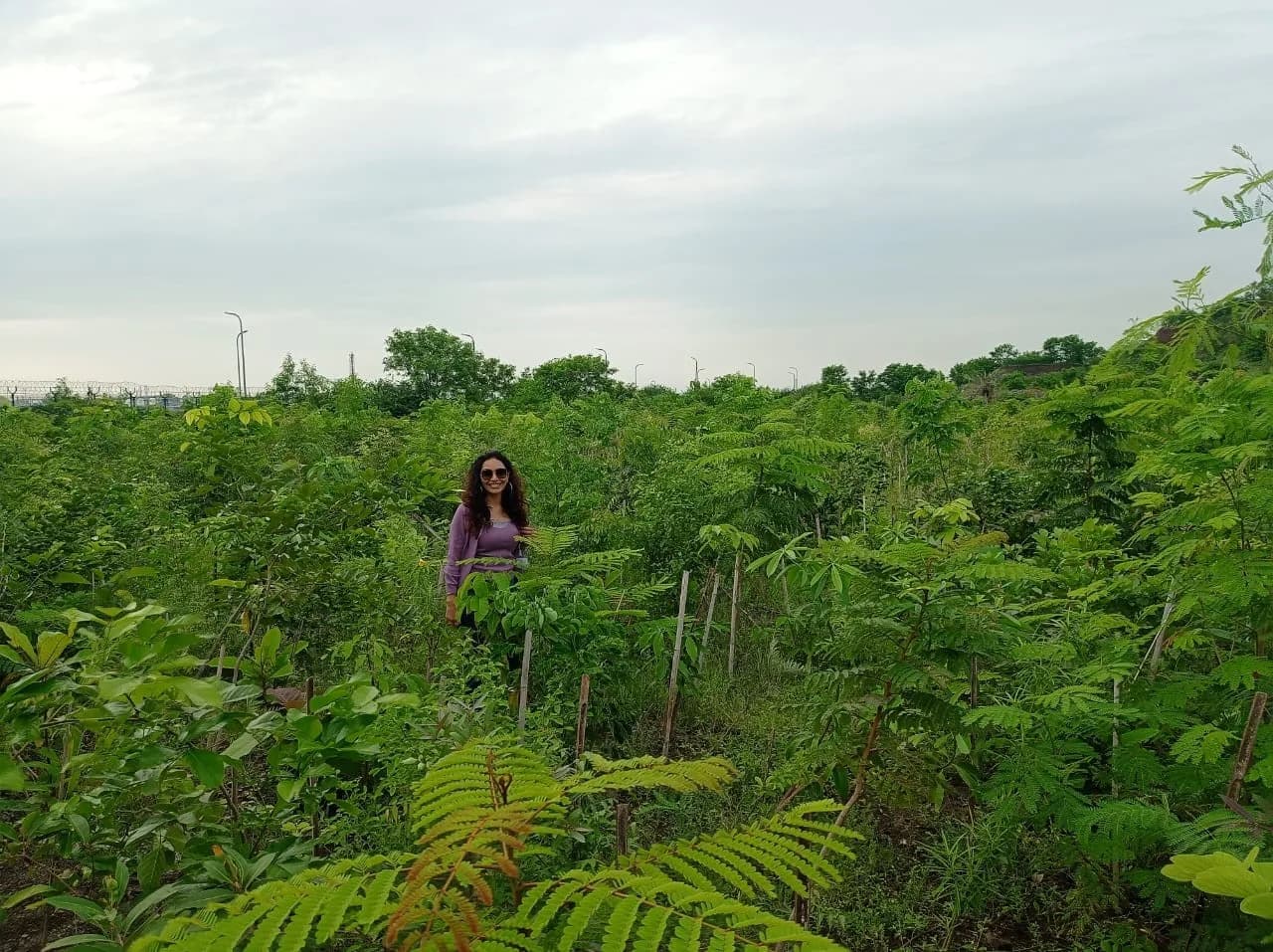
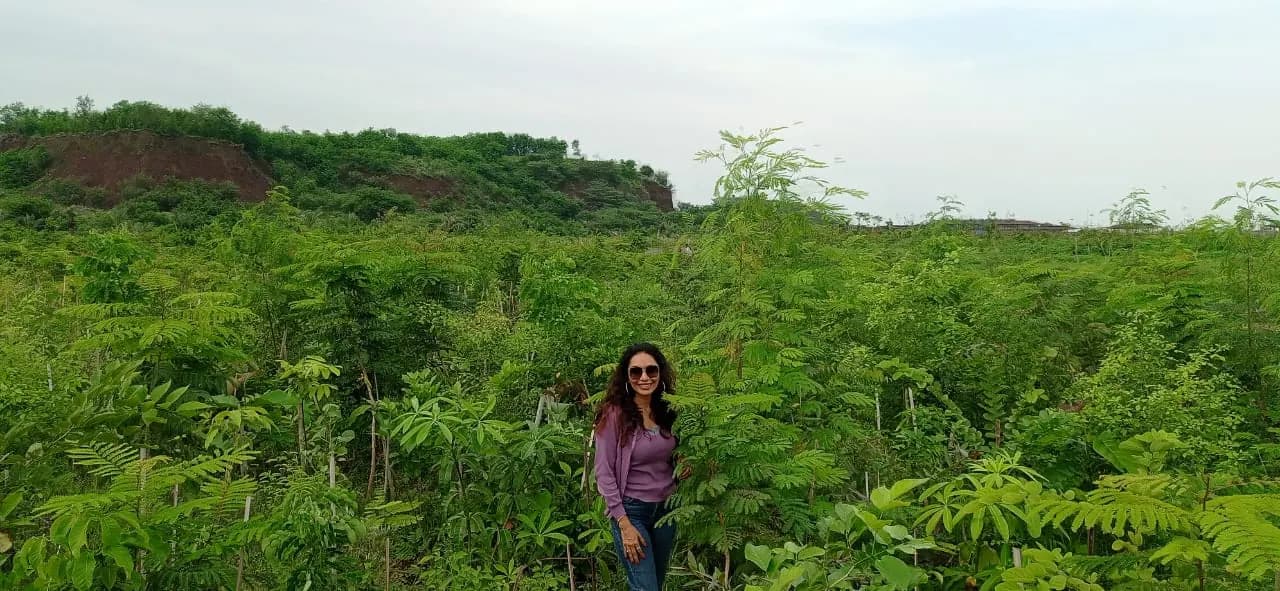
Seasonal plantation covers planting timed to the growth calendar, bulk and tree planting into the monsoon window where establishment water is free and reliable, seasonal bed changes for display planting, and the replantation that replaces failed or end-of-life stock. It also covers the preparation that decides whether planting survives: pit preparation and soil amendment, hardening-off of nursery stock before installation, and staking and watering arrangements for the establishment period.
KIPL plans the planting calendar backwards from the window rather than forwards from the contract date, because the monsoon does not move. Where a programme forces planting outside the window, we say what that costs (supplementary irrigation, higher mortality, and a replacement allowance), rather than planting on schedule and reporting the losses later as though they were weather.
What you get
The deliverables, in hand.
- Authority
- Contract specification · planting conditions under an EC where applicable
- Typical timeline
- Driven by the monsoon window; bed changes seasonally
- Planting calendar built around the monsoon and seasonal windows
- Pit preparation and soil amendment ahead of installation
- Hardening-off of nursery stock before planting
- Bulk, tree and seasonal bed planting
- Replantation of failed stock to the original specification
- Establishment watering and staking arrangements
Straight answers
Seasonal Plantation & Replantation: common questions.
01Why does the monsoon window matter so much?
Because establishment water is the single biggest determinant of survival, and during the monsoon it arrives reliably and without cost. Planting into it gives roots months to establish before the dry season tests them. Planting after it means buying that water, and losing whatever the irrigation misses.
02What is hardening-off?
Acclimatising nursery stock to site conditions before planting: progressively more sun, wind and less water than the nursery gave it. Stock moved straight from a sheltered nursery to an exposed site suffers transplant shock that shows up as mortality weeks later.
03How much replacement should be expected?
Some, always. A realistic replacement allowance is part of an honest plan; a tender that assumes none is either optimistic or has priced the replacements somewhere less visible. The allowance should be stated, not discovered.
04Can planting be done outside the season if the programme demands it?
Yes, with supplementary irrigation and a higher mortality allowance, both of which should be costed before the decision rather than after. The alternative, planting on schedule and treating the losses as weather, is more expensive and less honest.
05What is replantation?
Replacing plants that have failed or reached the end of their useful life, to the original specification and density. On a mandated planting it is what holds the approved plant count; on an ornamental one it is what stops the scheme thinning out year by year.
Within Green Maintenance & Development
Part of the whole route, the other components.
Featured projects
Work that carries its own evidence.
Our expertise
One team across the whole environmental brief.
Seasonal Plantation & Replantation is one stage of one practice. Most projects need several, and the commitments made at clearance are the ones we build and maintain.
Trusted by
The organisations this work is done for.





In the press