









Biodiversity assessment: recording what lives on a site before deciding what to build.
A biodiversity assessment establishes what species and habitats a site actually holds: the inventory a conservation plan, a park design or an impact assessment has to start from.
What it is
Assessment combines a floral survey with faunal observation across the relevant groups (birds, mammals, reptiles, amphibians, butterflies and other invertebrates) mapped onto the habitats present, whether scrub, grassland, wetland, woodland or disturbed ground. Species of conservation interest, including those listed under the Wildlife (Protection) Act 1972 or on the IUCN Red List, are identified, along with invasive species and habitat pressures.
KIPL surveys with sampling appropriate to the site and season, states the survey effort behind the findings, and separates what was observed from what is expected from secondary sources. The output is used three ways: as an ecology chapter in an impact assessment, as the baseline for a biodiversity park or habitat plan, and as a repeatable reference against which change can later be measured.
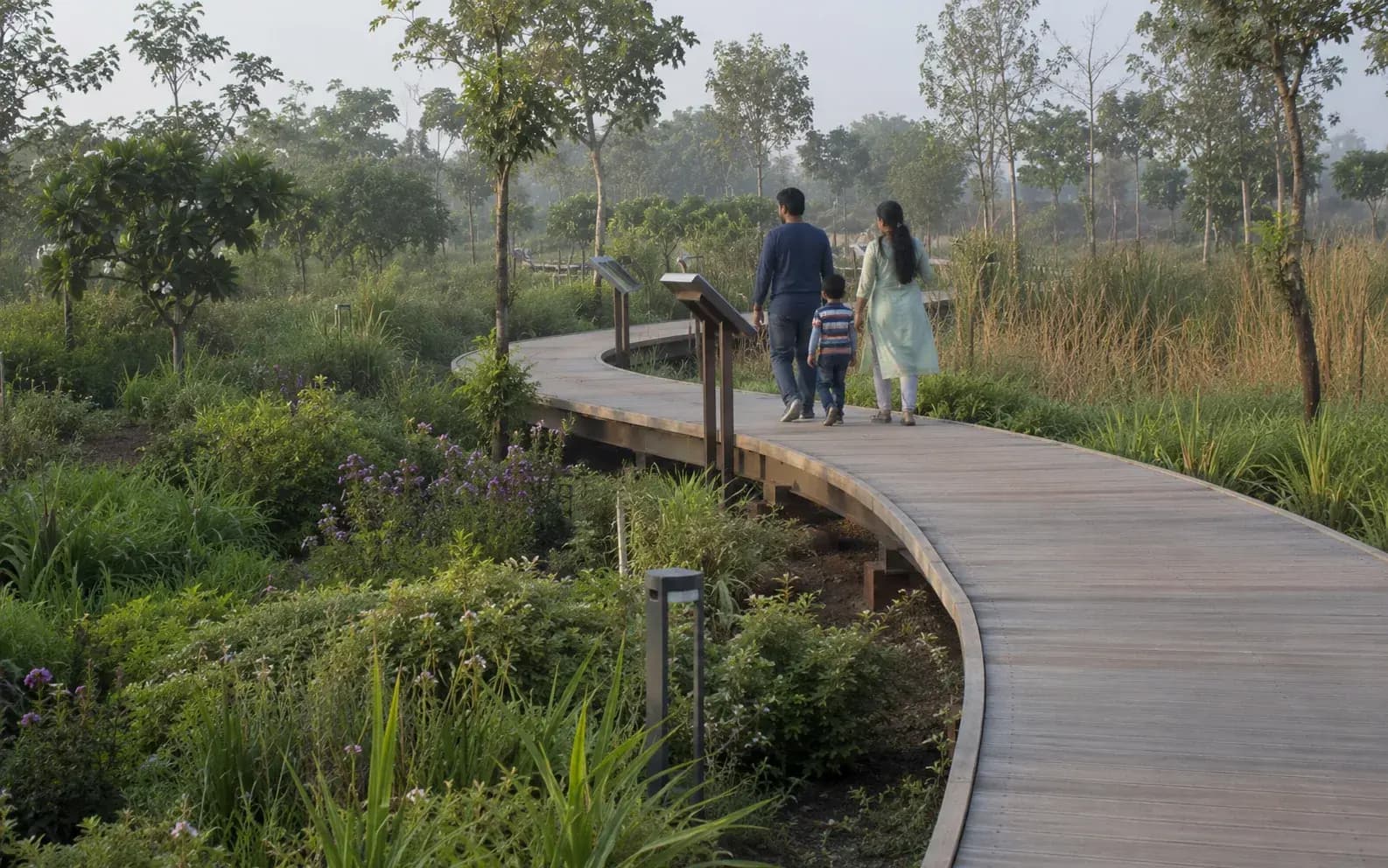
What you get
The deliverables, in hand.
- Authority
- Biological Diversity Act 2002 · Wildlife (Protection) Act 1972 · IUCN Red List
- Typical timeline
- Seasonal; a single-season survey is a limited snapshot
- Floral survey with species inventory and vegetation description
- Faunal survey across birds, mammals, herpetofauna and butterflies
- Habitat mapping of the site and its immediate surroundings
- Identification of protected, threatened, endemic and invasive species
- Assessment of habitat pressures and conservation significance
- Biodiversity assessment report with conservation recommendations
Straight answers
Biodiversity Assessment: common questions.
01What does a biodiversity assessment cover?
A floral inventory, faunal survey across the relevant groups, habitat mapping, and identification of protected, threatened, endemic and invasive species, together with the pressures acting on the site. It should also state the survey effort and season, since those bound what the findings can claim.
02How long does a biodiversity survey take?
Field effort on a site can be days to weeks, but a single-season survey is a snapshot. Many species are seasonal (migratory birds, monsoon amphibians, flowering herbs) so a multi-season survey gives a materially more complete picture. What a report can honestly conclude depends directly on the seasons covered.
03Where does the Biological Diversity Act 2002 come in?
It establishes the framework for conservation and sustainable use of biological resources in India, working through the National Biodiversity Authority, State Biodiversity Boards and Biodiversity Management Committees at the local body level, which maintain People's Biodiversity Registers. Site-level assessment often feeds into or draws from that structure, particularly for municipal and community land.
04What is a Biodiversity Management Committee?
A committee constituted by a local body under the Biological Diversity Act 2002 to promote conservation and sustainable use in its area and to maintain the People's Biodiversity Register documenting local biological resources and associated knowledge. Where a project or park sits in such an area, engaging with the BMC is part of doing the work properly.
05Is this the same as the ecology chapter of an EIA?
The methods overlap substantially, and a biodiversity assessment often forms the ecology component of an EIA. The difference is scope and purpose: an EIA ecology chapter is scoped to the granted Terms of Reference and framed around impact prediction, while a standalone assessment can be framed around conservation planning or park design.
06What if a protected species is found?
It changes the planning position rather than ending it. The finding is recorded with location and evidence, the relevant statutory position is identified, and the design or proposal is examined for how the species and its habitat can be avoided or accommodated. Concealing such a record is the one response that creates unmanageable risk later.
07Can the assessment be repeated to show improvement?
Yes, and that is one of its more valuable uses. Repeating the same survey design over years on a restored site or a biodiversity park gives a defensible measure of change in species richness and habitat quality, far stronger evidence for a sustainability report than a one-off count.
Within Public Gardens & Biodiversity Parks
Part of the whole route, the other components.
Relevant proof
Where this stage has already been delivered.

MCGM · Eastern Suburbs, Mumbai
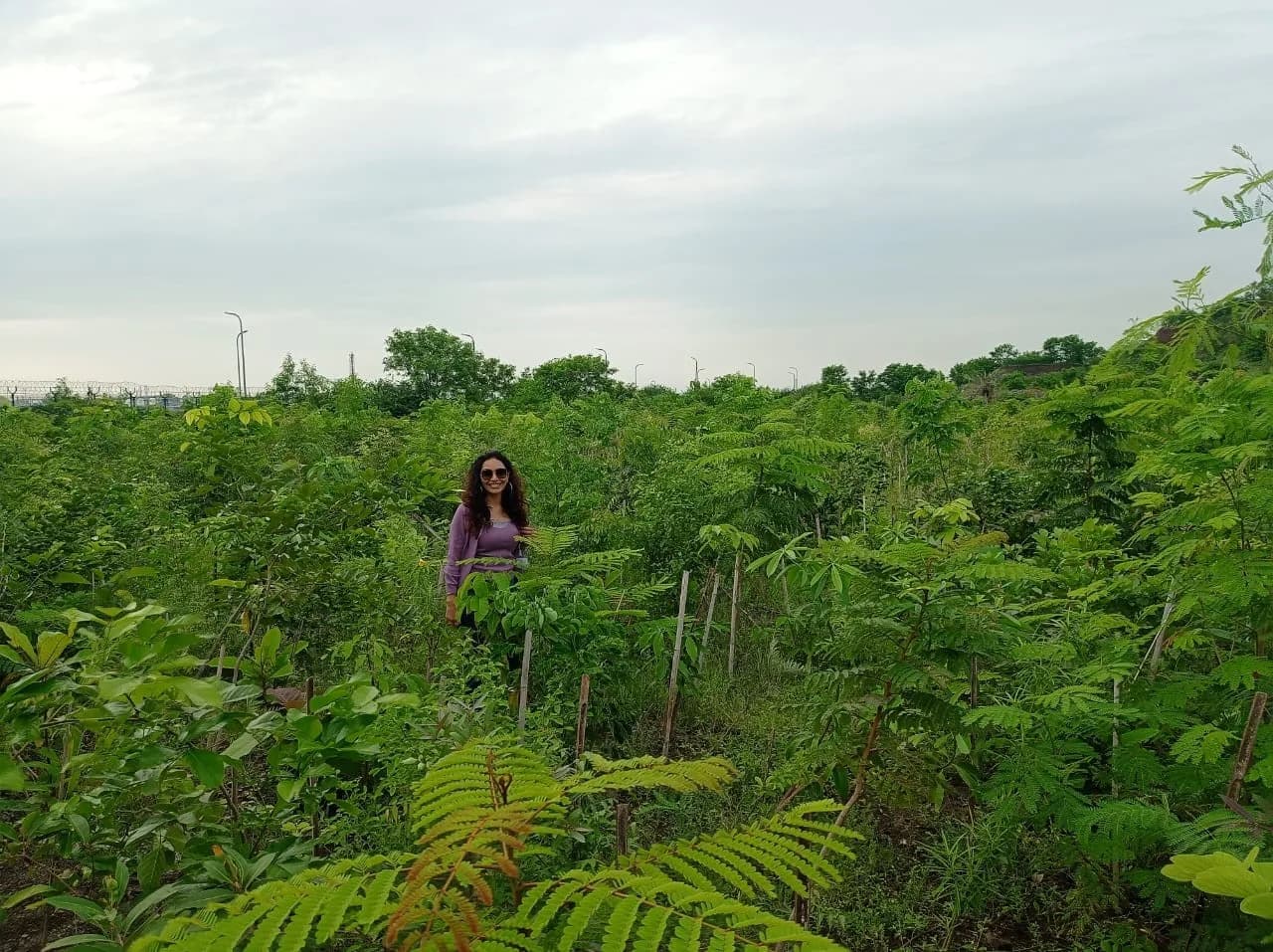
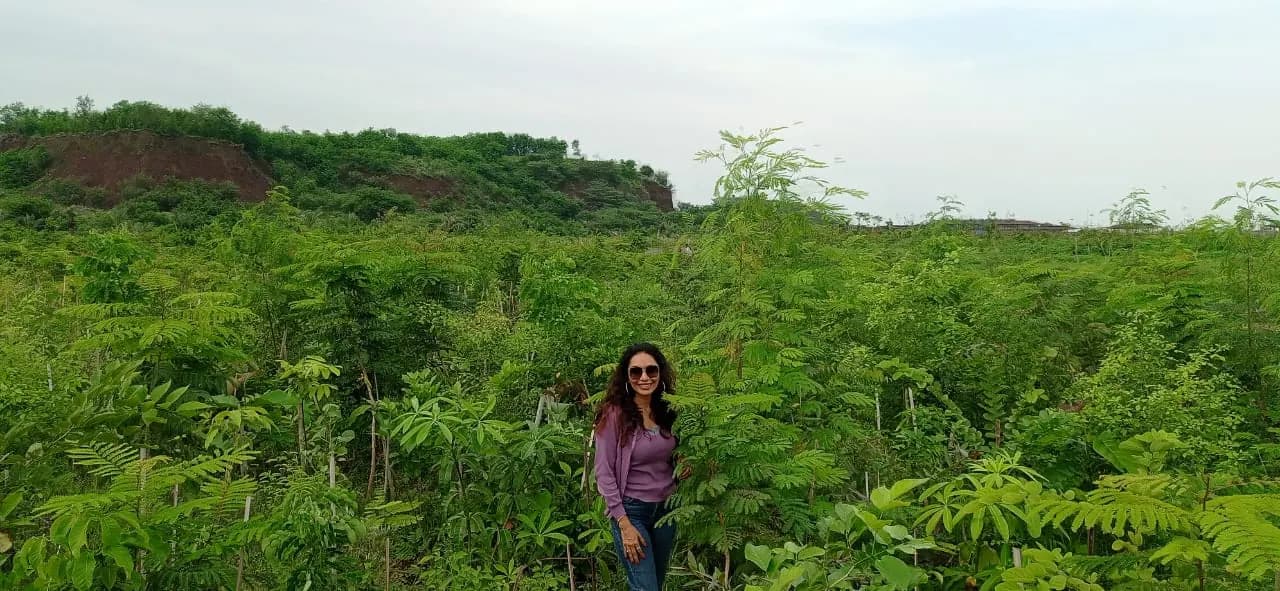
MCGM GARDEN DEVELOPMENT- MIYAWAKI PLANTATION
Miyawaki dense forestation across 27 locations in 7 wards using native species, delivered under the municipal greening programme.
Where we do this
Public Gardens & Biodiversity Parks on the ground.
The authority, the timeline and the local ground differ by city. These pages set out how public gardens & biodiversity parks actually runs in each.
Featured projects
Work that carries its own evidence.
Our expertise
One team across the whole environmental brief.
Biodiversity Assessment is one stage of one practice. Most projects need several, and the commitments made at clearance are the ones we build and maintain.
Who we do this for
Public Gardens & Biodiversity Parks reads differently by industry.
- 01
Municipal CorporationsCore
Garden design, execution and multi-year maintenance contracts are core civic procurement, audited on upkeep rather than on inauguration.
Public Gardens & Biodiversity Parks for Municipal Corporations - 02
Townships & Area Development
Recreational open space is both a planning-permission requirement and an EIA commitment; the parks have to be built, not just drawn.
Public Gardens & Biodiversity Parks for Townships & Area Development - 03
River & Water Missions
Riverfront parks are how a mission converts a cleaned stretch into public use that then protects it from being re-encroached.
Public Gardens & Biodiversity Parks for River & Water Missions
Trusted by
The organisations this work is done for.





In the press