










Industry & Corporates
Logistics & Ports
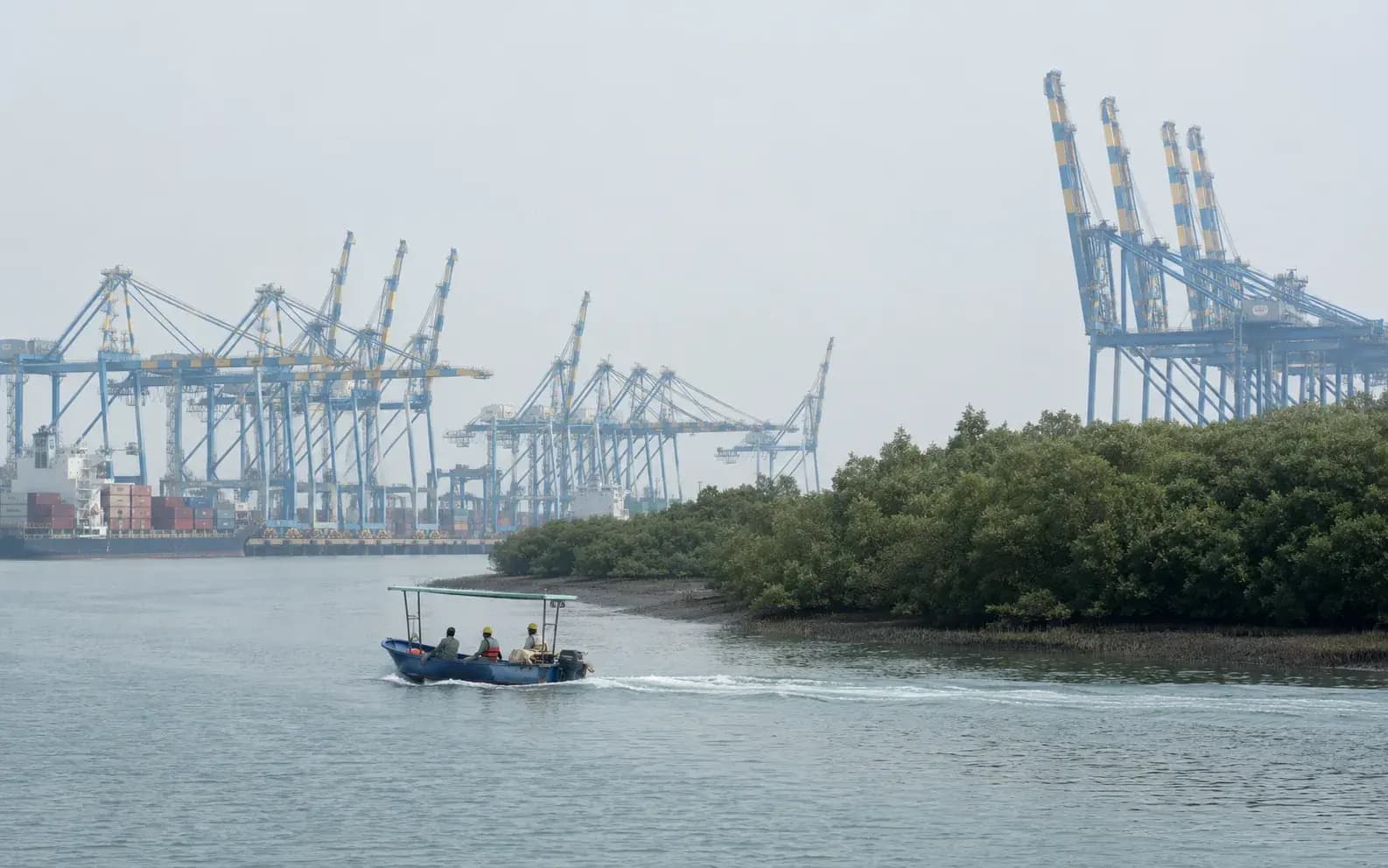
Everything that moves cargo near the water meets the Coastal Regulation Zone. On our home coast, we draw the line to the metre and clear what sits behind it.

How we work this market
The coastal line, drawn to the metre on home ground.
One accredited team carries the work from the first assessment to the compliance report years later, so responsibility never changes hands at the gate that matters.
- 01AssessScreen & scope
- 02ApproveFile & argue
- 03BuildDeliver & commission
- 04MonitorReport for years
The brief
What this market actually asks of an environmental partner.
Logistics and port infrastructure carries a double environmental burden: the land-side footprint of a large logistics park or warehousing hub, and the coastal exposure of any jetty, shipyard or waterfront facility. That coastal element pulls the project into the Coastal Regulation Zone, where clearance turns on precise tide-line mapping and the applicable CRZ category, and where genuinely experienced consultants are thin on the ground.
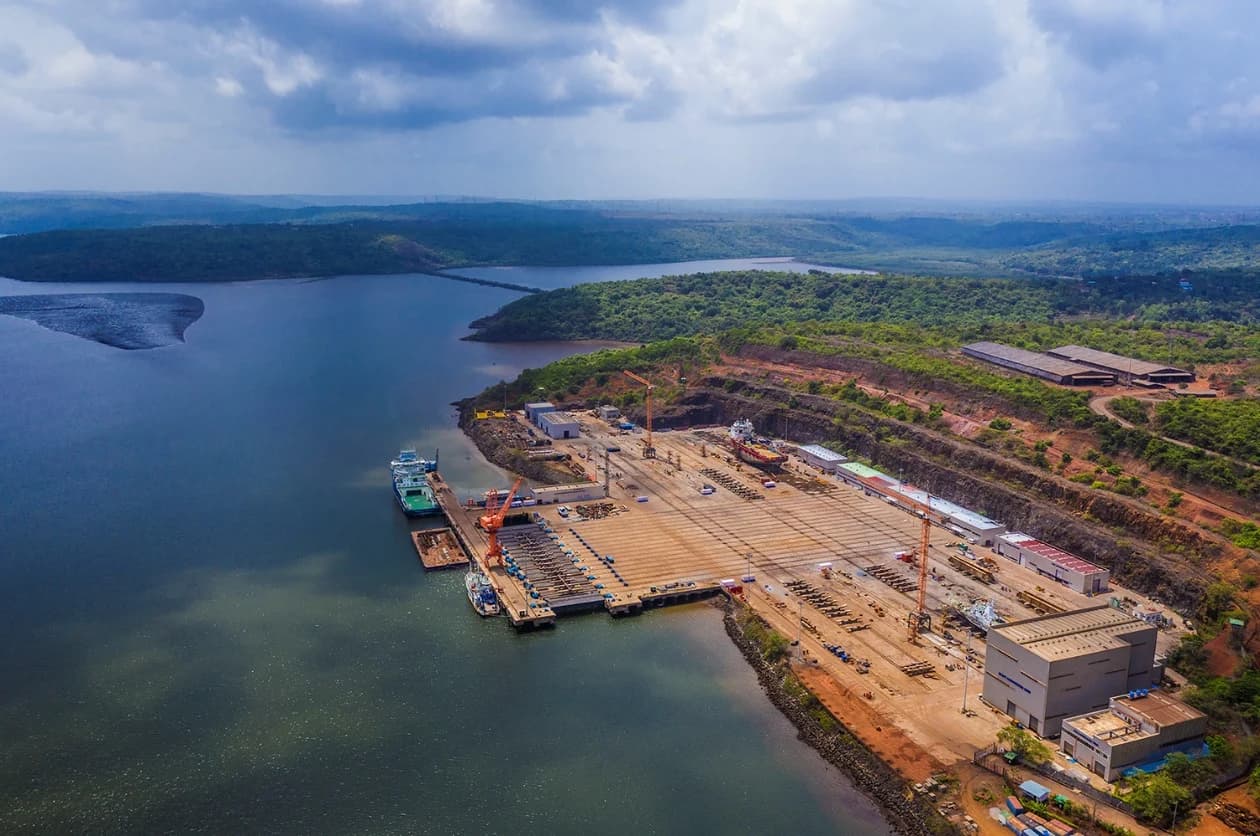
For a Navi Mumbai firm, the coast is home ground. KIPL prepares CRZ mapping and demarcation at survey scale, the MCZMA submission and the Environment Clearance behind it, and carries the compliance that follows, work reflected in mandates for Allcargo Logistics and the Chowgule Lavgan shiprepair facility. Land-side or waterfront, it is one team for the whole file.
Why the file bites
The drivers that decide this market, layer by layer.
Coastal Regulation Zone
Jetties, shipyards and waterfront logistics sit in the CRZ, where approval turns on tide-line mapping.
The coastal authority
Coastal clearance runs through the Maharashtra Coastal Zone Management Authority, with higher categories escalating.
Line drawn to the metre
An error in the HTL/LTL demarcation can misclassify a whole site; the survey is the case.
What we handle here
The filings and works this market needs, under one team.
Proof
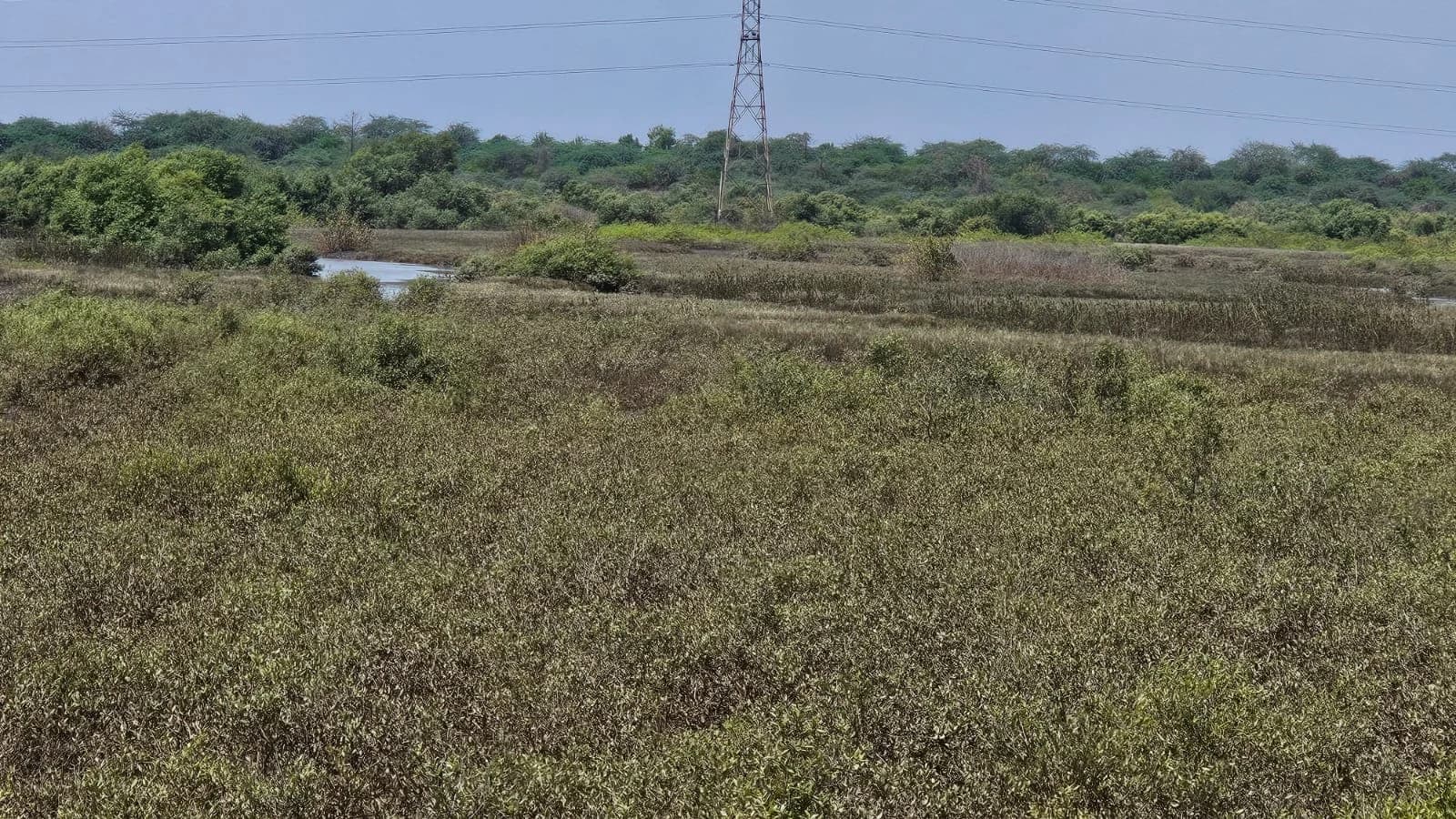
Work in this market you can open and read.
Straight answers
Logistics & Ports, answered.
Does a logistics park or port need CRZ clearance?
Any facility within the notified Coastal Regulation Zone (which covers jetties, shipyards and waterfront logistics) needs CRZ clearance through the MCZMA, in addition to Environment Clearance where thresholds apply. Purely inland logistics parks need EC and consent but not CRZ.
Why does tide-line mapping matter so much?
The High and Low Tide Lines are the baselines from which coastal distances are measured, and the 500 m band landward of the HTL defines much of the CRZ. An error in the demarcation can misclassify an entire site, which is why the survey is done at 1:4000 against the approved plan.
What is KIPL's experience on the coast?
As a Navi Mumbai firm, coastal work is home ground. Mandates include Allcargo Logistics and the Chowgule Lavgan shiprepair facility, spanning land-side logistics and waterfront infrastructure.
What this sector needs
The filings this sector actually runs on.
- 01
CRZ ClearanceCore
Jetties, shipyards and waterfront logistics sit inside the CRZ Notification 2019, where the 1:4000 HTL/LTL demarcation decides the category.
CRZ Clearance for Logistics & Ports - 02
Environment ClearanceCore
Ports, harbours and large logistics parks are Schedule I projects assessed on dredging, cargo handling emissions and traffic load.
Environment Clearance for Logistics & Ports - 03
MPCB ConsentCore
Container yards, workshops and fuel handling put a logistics facility in the consent regime, with bilge and washdown water as the pinch point.
MPCB Consent for Logistics & Ports - 04
Environmental AuditsCore
Warehousing platforms and port assets change hands often, and diligence turns on CRZ status, consent validity and contamination at fuel and workshop areas.
Environmental Audits for Logistics & Ports - 05
Post-EC ComplianceCore
CRZ and EC conditions on marine water quality, mangrove protection and dredge disposal are monitored, not assumed.
Post-EC Compliance for Logistics & Ports - 06
Environment Management & Mitigation Plan
Oil spill response, dredge material handling and stormwater control have to be operational procedures, not clauses in a report.
Environment Management & Mitigation Plan for Logistics & Ports - 07
Wetland NOC
Creekside sites sit against mudflats and mapped wetlands, bringing the Wetlands (Conservation and Management) Rules 2017 into the approval route.
Wetland NOC for Logistics & Ports - 08
Wildlife Clearance
Thane Creek and other coastal sanctuaries put port and logistics sites inside eco-sensitive zones needing SBWL and NBWL clearance.
Wildlife Clearance for Logistics & Ports