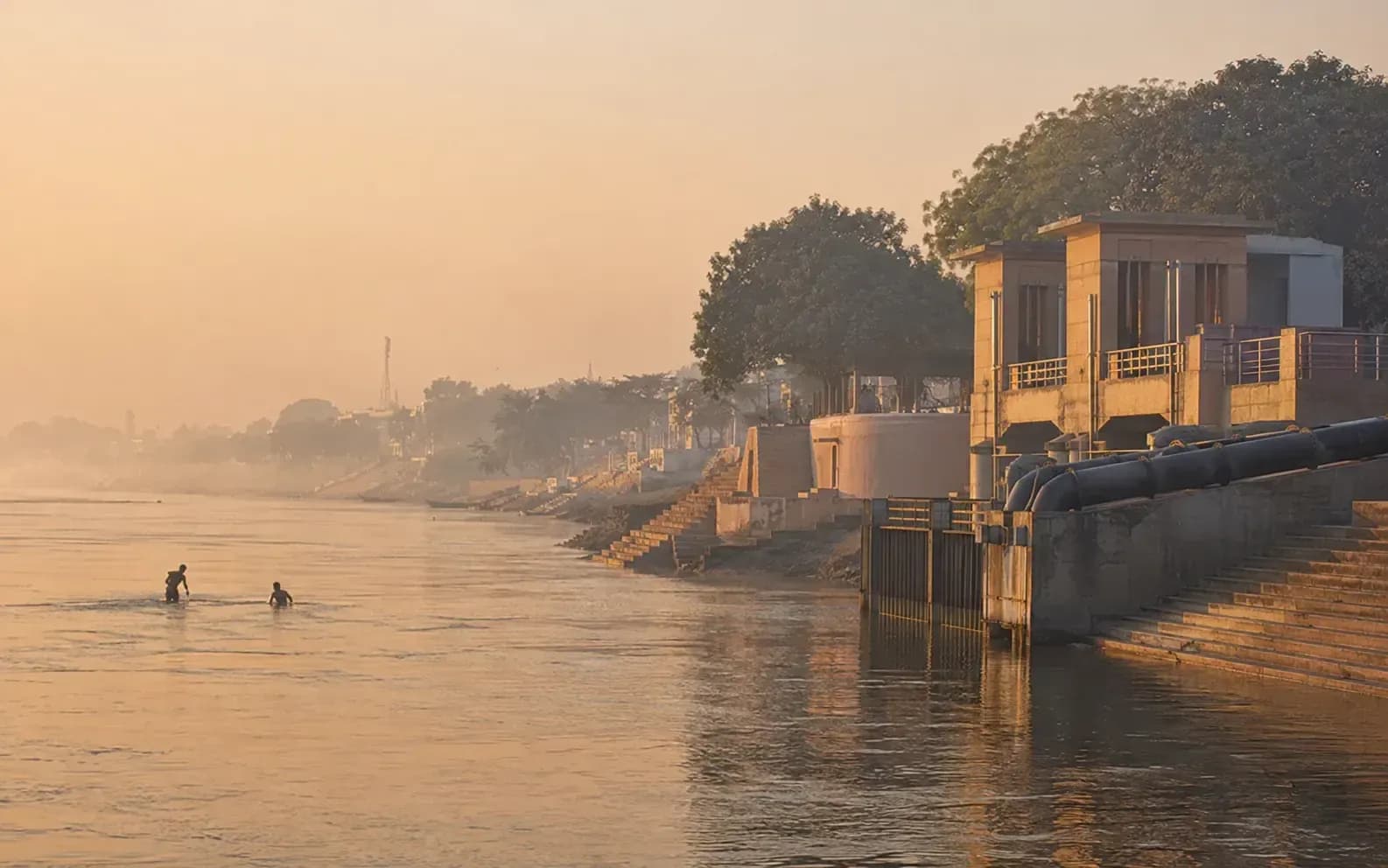
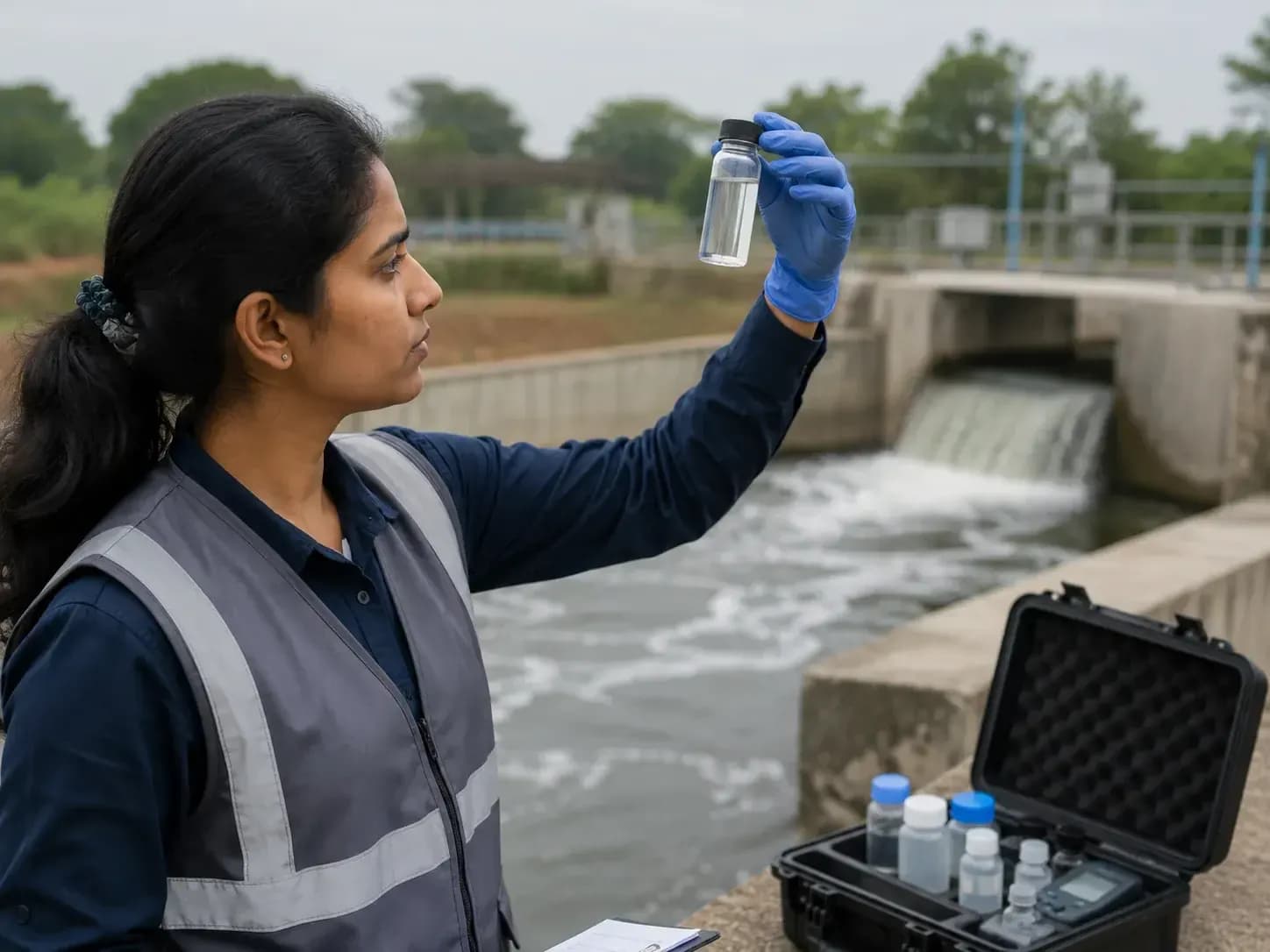
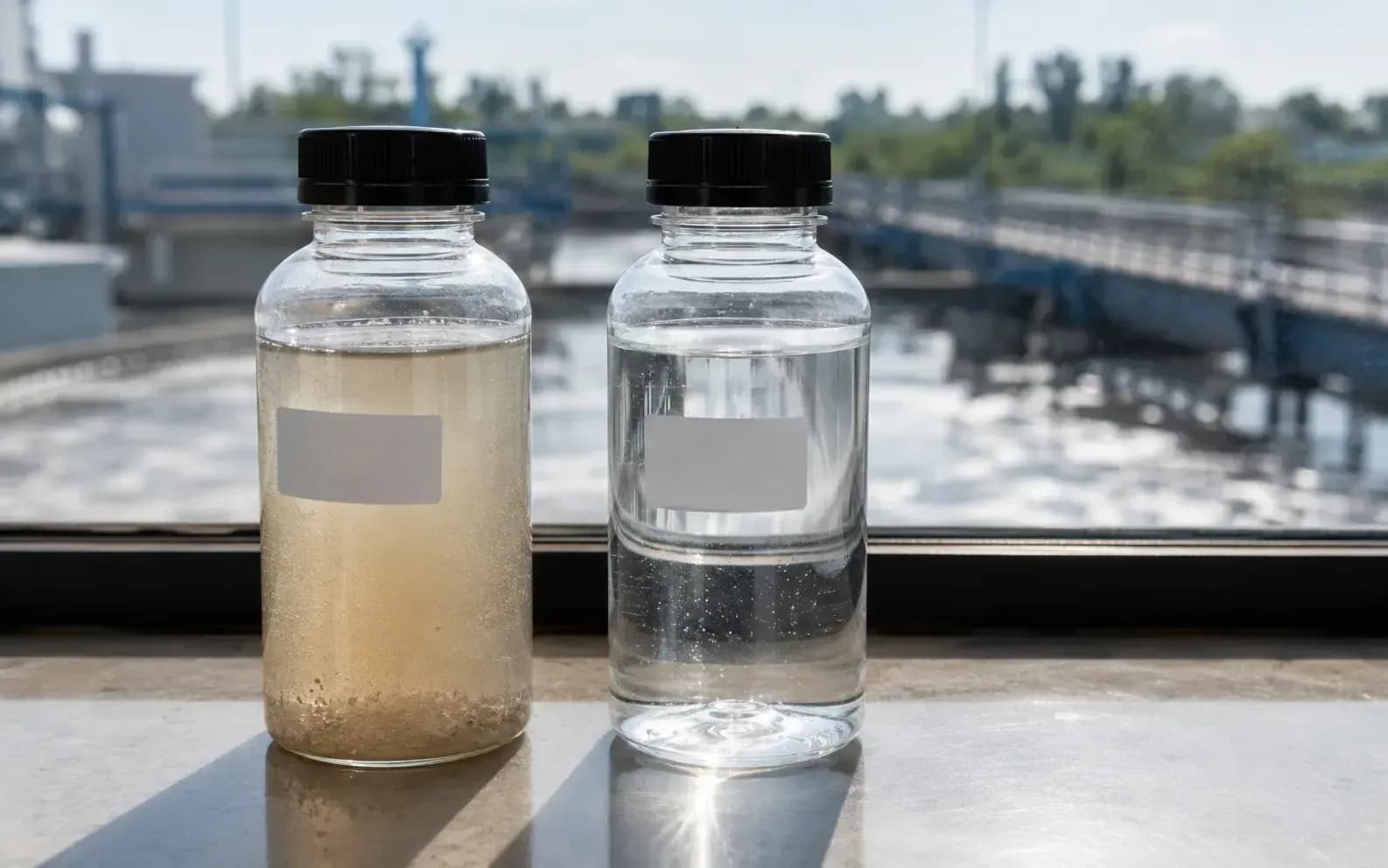
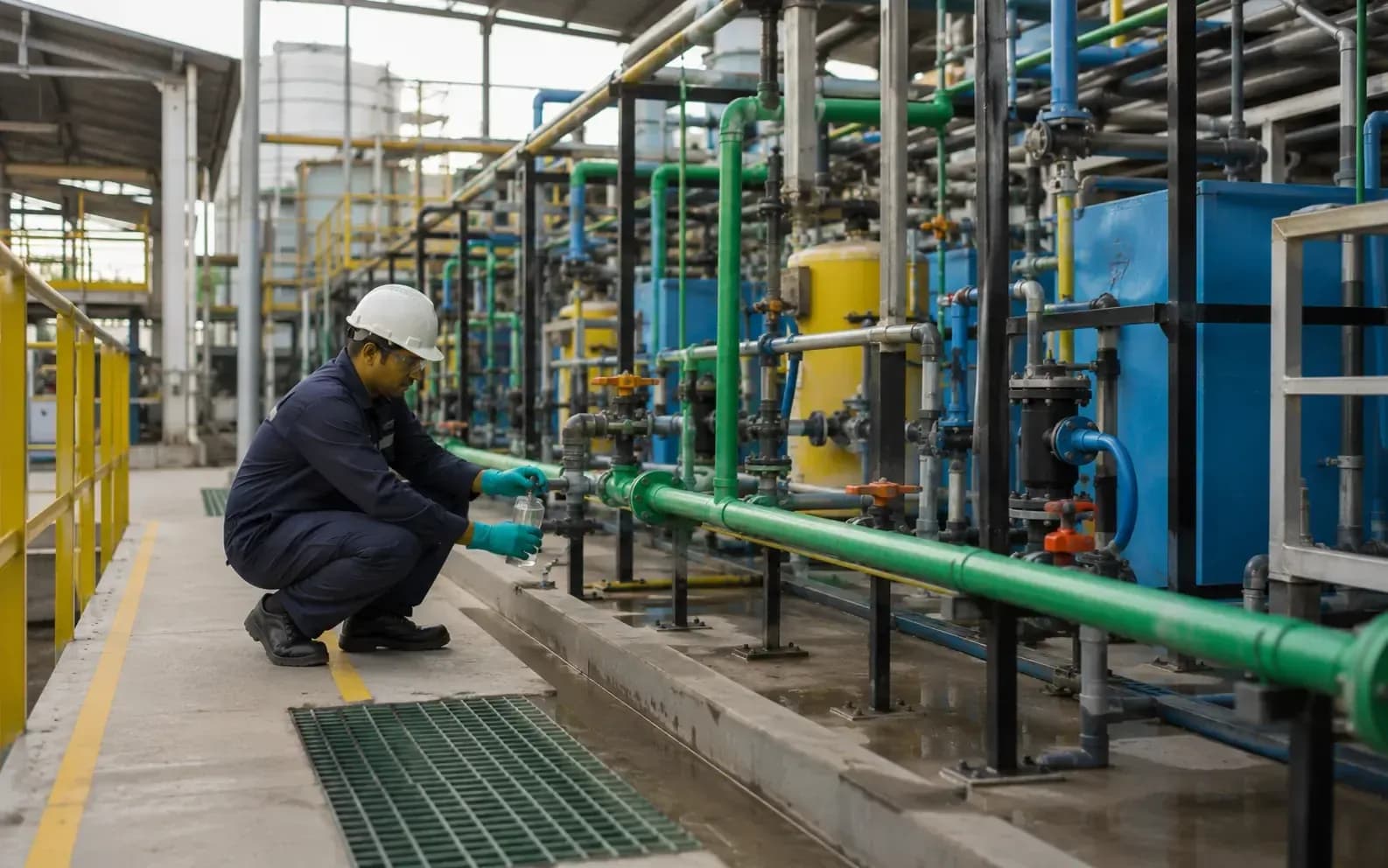
Namami Gange is the Government of India's flagship mission to abate pollution in the Ganga, launched in 2014. Within its Kanpur cluster, KIPL prepared the Environmental and Social Impact Assessment for the sewage treatment plants at the heart of the effort: the technical conscience behind a national promise to a river.
The brief
The Namami Gange Programme set out to clean and conserve the Ganga through pollution control, river rejuvenation and conservation. In its Kanpur cluster, the Uttar Pradesh government engaged Shapoorji Pallonji to upgrade the city's sewage infrastructure: constructing new Sewage Treatment Plants at Unnao, Shuklaganj and Panki, rehabilitating existing plants, and operating them for fifteen years under a public–private partnership.
New and rehabilitated treatment capacity on a river of that significance cannot be commissioned on engineering alone. It must be assessed for what it does to the habitat, the community and the river itself. Before, during and after. That assessment was KIPL's mandate.
Every drop a city borrows should go back cleaner than it came.
The scope of assessment
- Existing & proposed STPs
- A full Environmental and Social Impact Assessment across both the plants already operating and those proposed under the upgrade.
- The receiving environment
- Assessment of natural habitats, and of air, water, noise and soil quality, alongside the green belts that buffer the works.
- Treatment performance
- Evaluation of treatment efficiency and the mitigation measures that keep discharge inside standard.
- Health & safety
- Review of the health and safety protocols governing plants that handle a city's wastewater.
- Management plan
- An Environmental Management Plan for sustainable, monitored operation across the fifteen-year concession.
What an ESIA on the Ganga has to weigh
The assessment reached past the plant fence line to everything a treatment works touches: the environmental receptors that measure whether the river actually gets cleaner.
Environmental receptors
- Natural habitats
- Air quality
- Water quality
- Noise levels
- Soil quality
- Green belts
Process & safeguards
- Existing STP performance
- Proposed STP design
- Treatment efficiency
- Mitigation measures
- Health & safety protocols
- Environmental Management Plan