









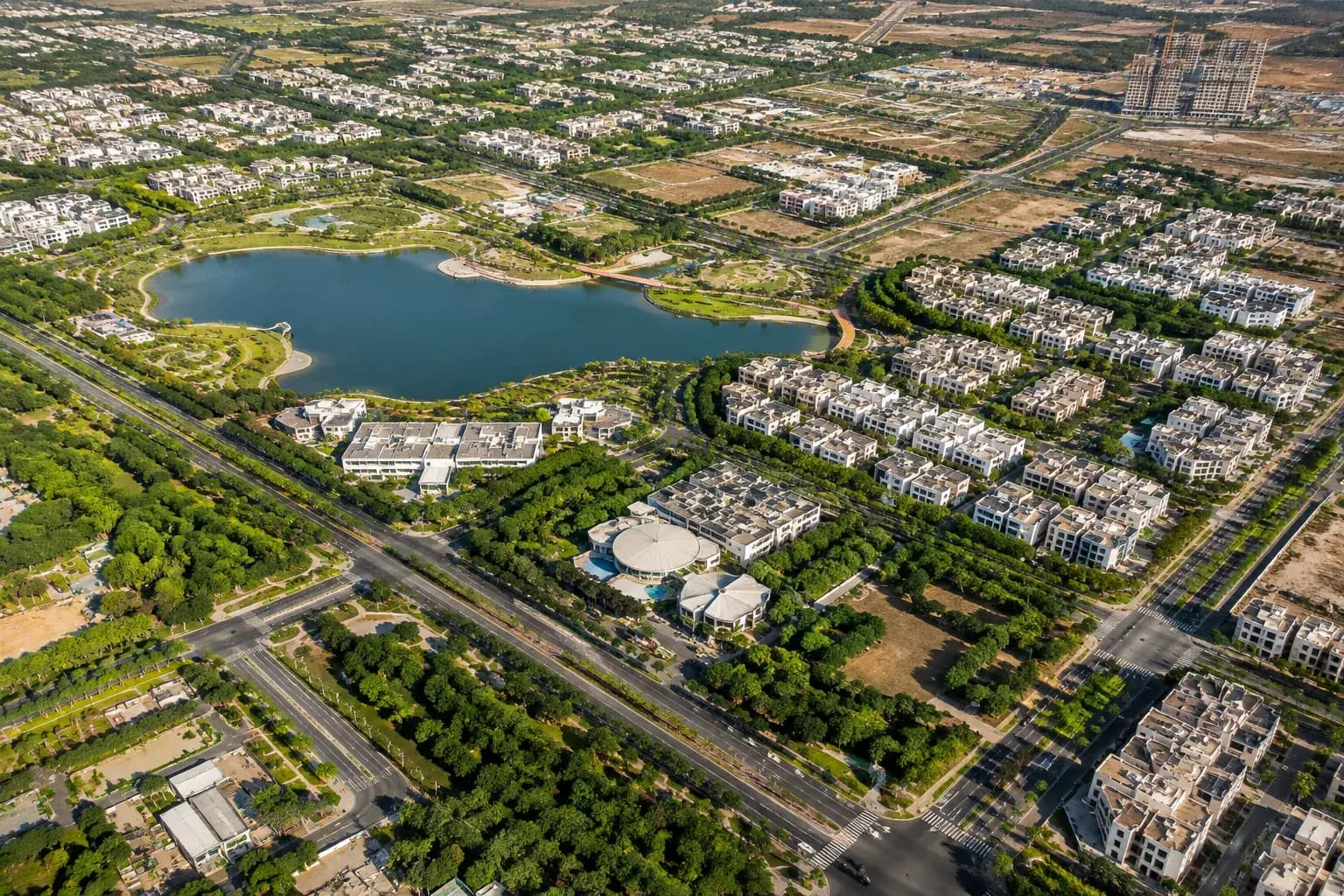
Maintenance contracts: keeping a garden in the condition it was handed over in.
A maintenance contract is what keeps a garden from declining after handover: a defined scope, a defined frequency, and a standard the work is measured against.
What it is
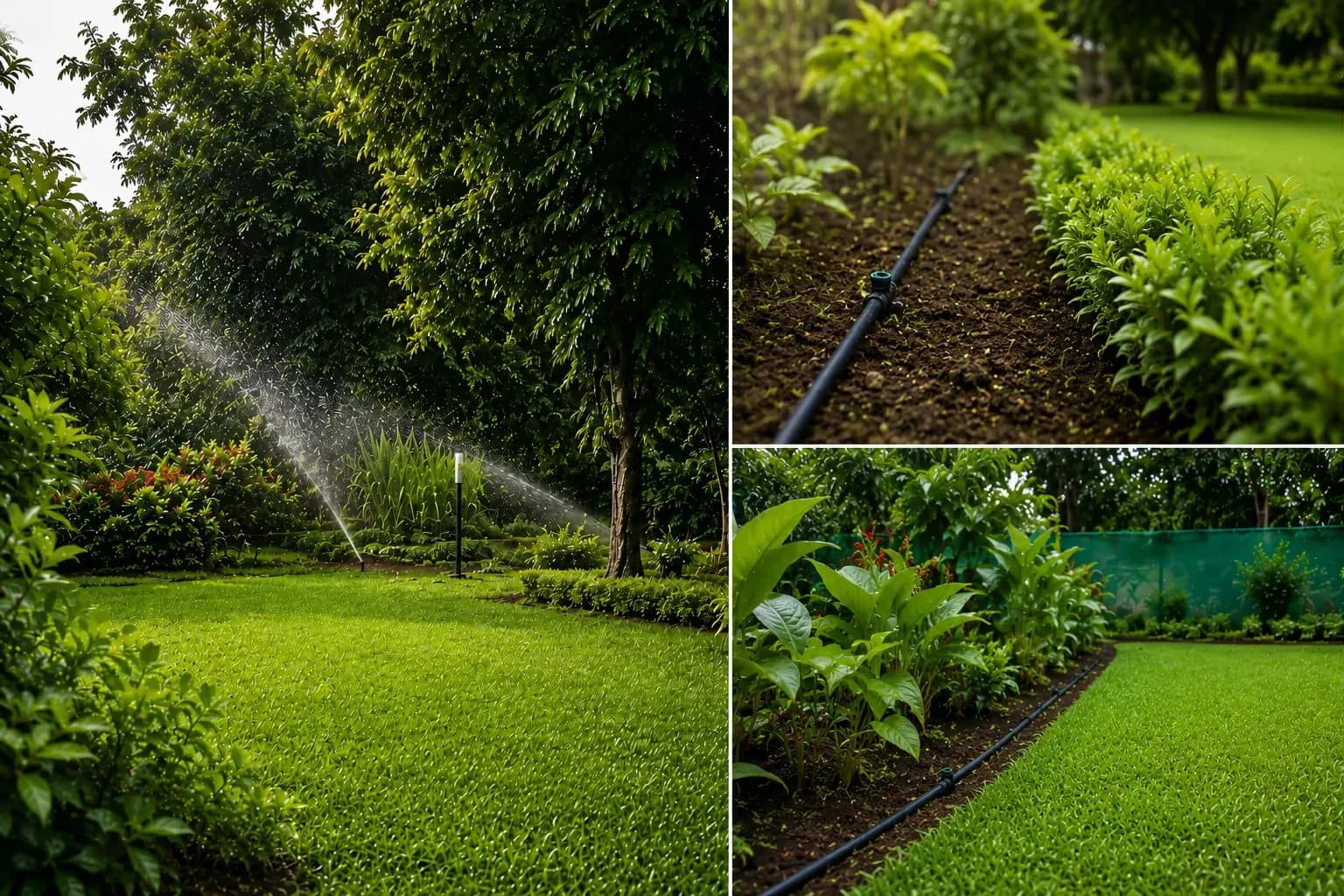
Maintenance covers the recurring horticultural and operational work a landscape needs: mowing and edging, watering and irrigation system upkeep, weeding, pruning and shaping, manuring, pest and disease management, seasonal replanting, and upkeep of paths, drains and lighting. The important part of the contract is not the list but the frequency and the standard, because a garden declines quietly when frequencies slip.
KIPL contracts maintenance against a written schedule and a reporting cycle, so the client can see what was done and when, rather than judging by appearance alone. Water is treated as the central variable (source, quality and delivery) since irrigation failure damages a landscape faster than any other lapse and is the first thing to check when a garden starts to fail.
What you get
The deliverables, in hand.
- Authority
- Contracted service standards · horticultural practice
- Typical timeline
- Annual contracts, renewable; work on a monthly schedule
- Scheduled mowing, edging, weeding and cleaning
- Irrigation operation, system checks and repairs
- Pruning, shaping and canopy management
- Manuring and integrated pest and disease management
- Seasonal replanting and gap filling
- Periodic maintenance report against the agreed schedule
Straight answers
Garden Maintenance & Management: common questions.
01What should a garden maintenance contract include?
The scope of horticultural work, the frequency of each activity, the manpower deployed, the standard the work is judged against, who supplies consumables and water, and a reporting cycle. Contracts that list activities without frequency and standard are where disputes and decline both begin.
02How much maintenance does a landscape actually need?
It follows from the design. Lawn, seasonal flowering and clipped hedges are high maintenance; native shrub massing, ground cover and established trees are low. A realistic annual maintenance cost should be estimated at design stage, since it is largely fixed by the planting palette long before the first contract is signed.
03What is the most common cause of a garden declining?
Irrigation failure: a source that dries up, a system that is not repaired, or watering frequency that quietly reduces. Soil exhaustion and unchecked pest problems follow. Almost all of it is visible in a maintenance report before it is visible on site, which is the argument for structured reporting.
04Can treated or recycled water be used?
Frequently yes, and on large campuses it is often the intended reuse route. The water quality must be suitable for irrigation, salinity and sodium in particular: and monitored, because unsuitable water degrades soil structure over a season or two and the damage shows in the planting long after the cause started.
05Are replacements included in a maintenance contract?
That has to be stated explicitly. Routine gap filling and seasonal replanting are commonly included up to a defined extent; large-scale replacement after drought, flooding, vandalism or disease is usually treated separately. Leaving this ambiguous is the most frequent source of friction in maintenance contracts.
06How is maintenance performance monitored?
Against the schedule, with a periodic report covering activities completed, irrigation status, plant health observations, replacements made and issues raised, supported by photographs. Reviewing that record monthly is more effective than an annual walk-through, because horticultural decline is much cheaper to reverse early.
Within Public Gardens & Biodiversity Parks
Part of the whole route, the other components.
Relevant proof
Where this stage has already been delivered.

MCGM · Eastern Suburbs, Mumbai
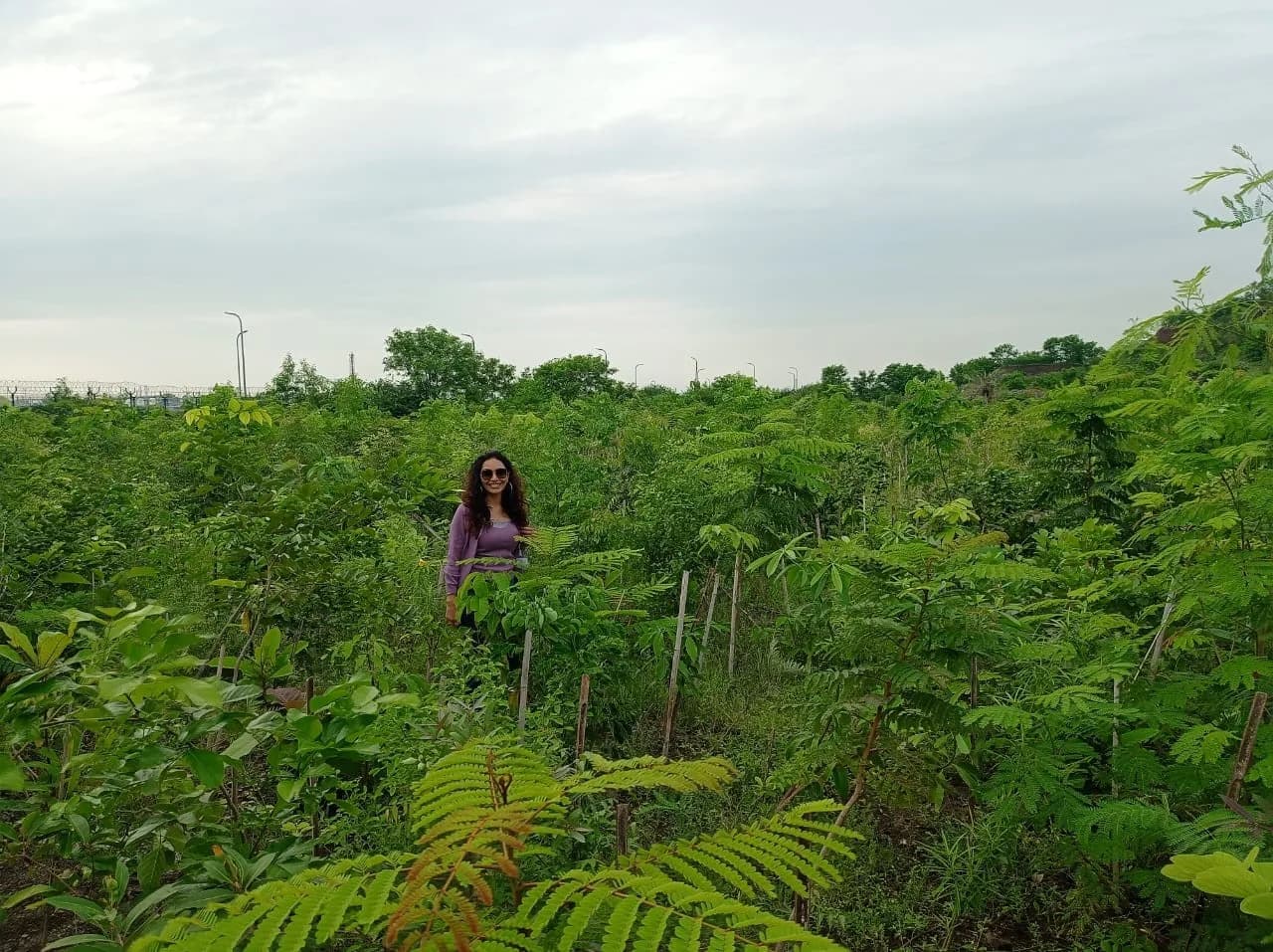
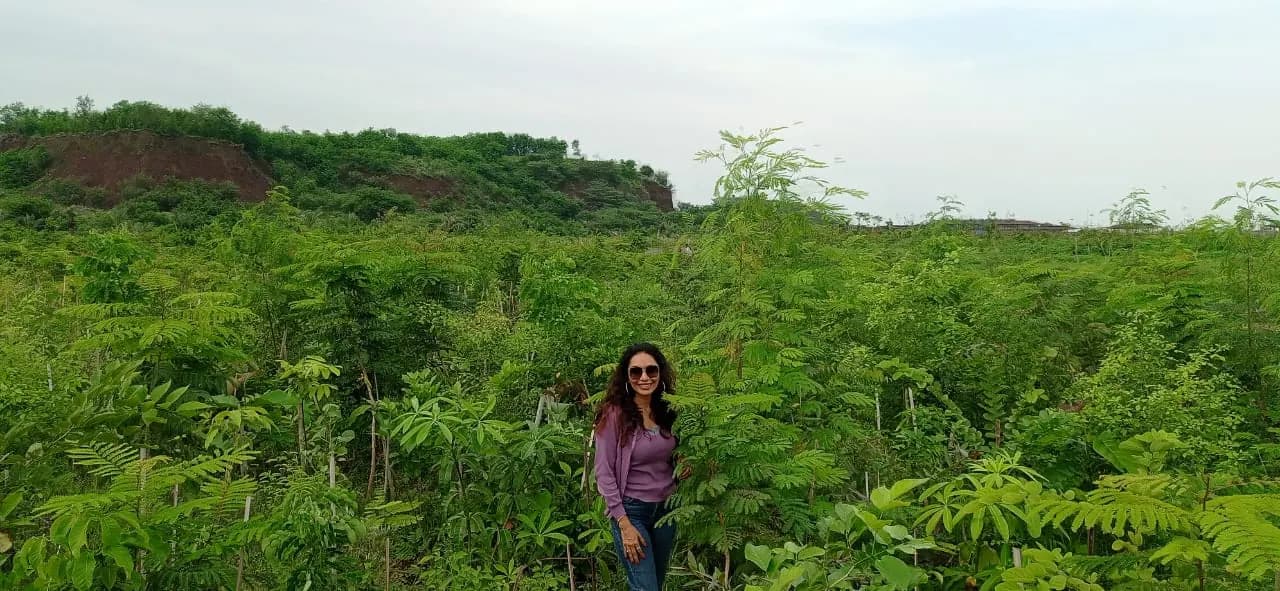
MCGM GARDEN DEVELOPMENT- MIYAWAKI PLANTATION
Miyawaki dense forestation across 27 locations in 7 wards using native species, delivered under the municipal greening programme.
Where we do this
Public Gardens & Biodiversity Parks on the ground.
The authority, the timeline and the local ground differ by city. These pages set out how public gardens & biodiversity parks actually runs in each.
Featured projects
Work that carries its own evidence.
Our expertise
One team across the whole environmental brief.
Garden Maintenance & Management is one stage of one practice. Most projects need several, and the commitments made at clearance are the ones we build and maintain.
Who we do this for
Public Gardens & Biodiversity Parks reads differently by industry.
- 01
Municipal CorporationsCore
Garden design, execution and multi-year maintenance contracts are core civic procurement, audited on upkeep rather than on inauguration.
Public Gardens & Biodiversity Parks for Municipal Corporations - 02
Townships & Area Development
Recreational open space is both a planning-permission requirement and an EIA commitment; the parks have to be built, not just drawn.
Public Gardens & Biodiversity Parks for Townships & Area Development - 03
River & Water Missions
Riverfront parks are how a mission converts a cleaned stretch into public use that then protects it from being re-encroached.
Public Gardens & Biodiversity Parks for River & Water Missions
Trusted by
The organisations this work is done for.





In the press