










Public Sector Undertakings
Industrial Corridors & MIDC
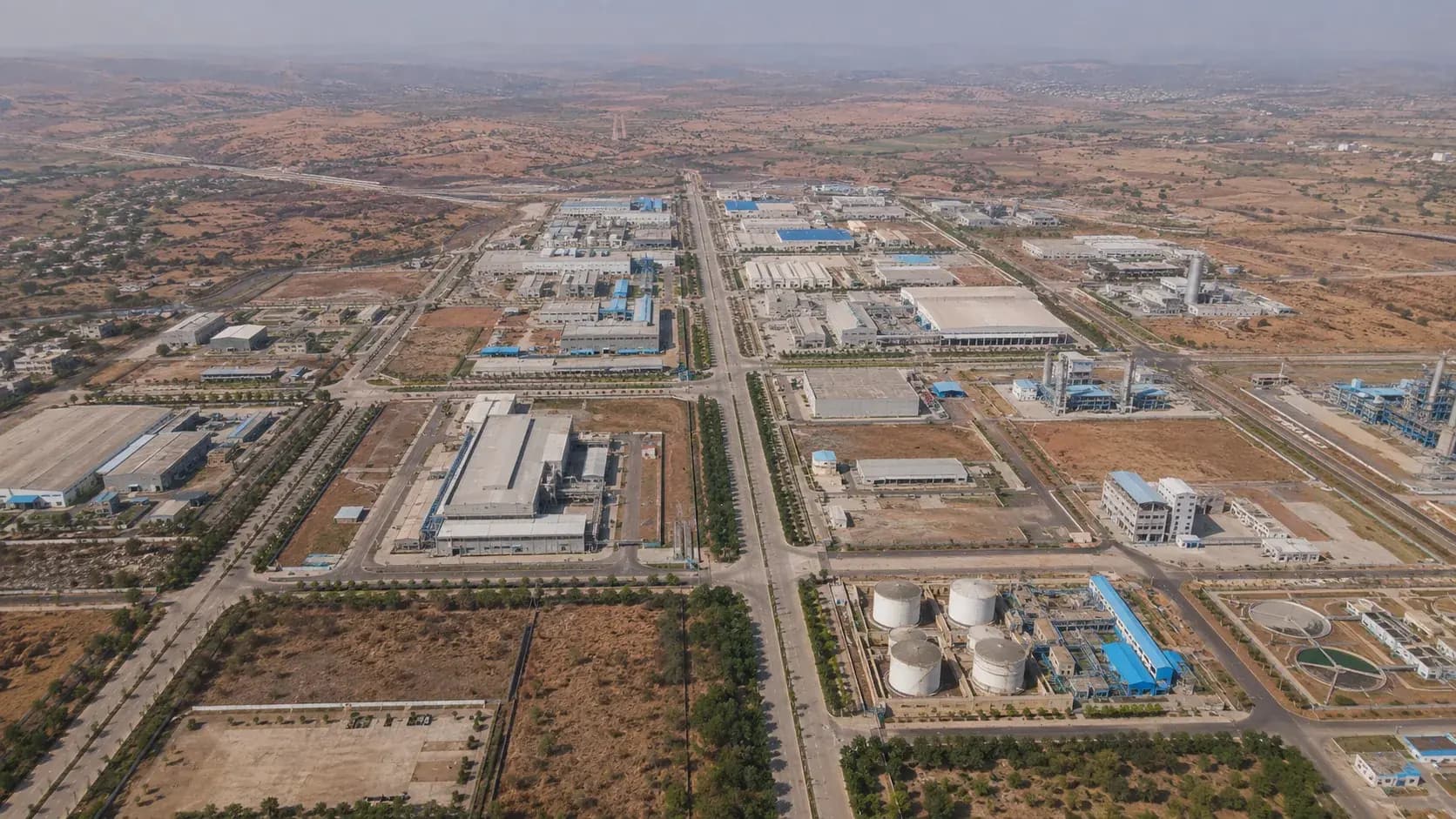
A corridor decides its environmental future at the master-plan stage, long before any single plot is sold. We work at that altitude, so compliance is designed in rather than retrofitted.

How we work this market
Environmental discipline written in before the tenants arrive.
One accredited team carries the work from the first assessment to the compliance report years later, so responsibility never changes hands at the gate that matters.
- 01AssessScreen & scope
- 02ApproveFile & argue
- 03BuildDeliver & commission
- 04MonitorReport for years
The brief
What this market actually asks of an environmental partner.
Industrial corridors and greenfield estates operate at a scale above the individual project: they set the land use, the shared infrastructure and the environmental ground rules that hundreds of downstream units will inherit. Get the environmental framework right at the planning stage and every tenant benefits; get it wrong and the corridor spends a decade retrofitting.
KIPL works at that master-plan altitude for corridor and estate authorities, embedding environmental governance and compliance frameworks at the planning stage rather than the plot stage. Our Shendra-Bidkin AURIC node work, under the DMIC programme and alongside authorities such as CIDCO and MMRDA, is the example: environmental discipline written into the corridor before the tenants arrive.
Why the file bites
The drivers that decide this market, layer by layer.
Decisions made at master-plan stage
Land use, shared infrastructure and environmental ground rules are set before any tenant plot is sold.
Corridor-scale programmes
National corridor programmes carry environmental obligations across the whole node, not just its buildings.
Every tenant inherits the framework
The corridor's environmental design becomes the baseline hundreds of downstream units build on.
What we handle here
The filings and works this market needs, under one team.
Straight answers
Industrial Corridors & MIDC, answered.
What does corridor-scale environmental governance involve?
Working at the master-plan level to embed land-use, shared-infrastructure and compliance frameworks that downstream units inherit, rather than clearing one plot at a time. It is planning-stage work for corridor and estate authorities such as those behind DMIC and AURIC.
What is KIPL's role in the AURIC / DMIC corridor?
We have contributed environmental work on the Shendra-Bidkin AURIC node under the DMIC programme, alongside authorities including CIDCO and MMRDA, focused on embedding environmental discipline at the corridor's planning stage.
How is this different from a single-project clearance?
A single-project clearance assesses one development; corridor governance sets the environmental baseline and compliance structure for a whole node of future developments. The altitude, and the audience (planning authorities), are different.
What this sector needs
The filings this sector actually runs on.
- 01
Environment ClearanceCore
An industrial estate or node is cleared as a whole under Schedule I before plots are allotted, and that clearance sets what tenants inherit.
Environment Clearance for Industrial Corridors & MIDC - 02
Environment Management & Mitigation PlanCore
The node-level EMP fixes the environmental ground rules, monitoring network and allocation logic that hundreds of downstream units build against.
Environment Management & Mitigation Plan for Industrial Corridors & MIDC - 03
Green Belt Development for IndustriesCore
Corridor master plans reserve a green belt percentage at node level, and the buffer to surrounding villages is a planning-stage commitment.
Green Belt Development for Industries for Industrial Corridors & MIDC - 04
Sewage Treatment PlantsCore
Shared sewage infrastructure with treated-water reuse is designed at node scale, ahead of the tenants who will load it.
Sewage Treatment Plants for Industrial Corridors & MIDC - 05
Statutory Compliance ManagementCore
An estate authority needs a compliance framework its allottees inherit, so that plot-level failures do not become the node's liability.
Statutory Compliance Management for Industrial Corridors & MIDC - 06
Effluent Treatment PlantsCore
The common effluent treatment plant and its conveyance network is the single decision that determines which industries the node can host.
Effluent Treatment Plants for Industrial Corridors & MIDC - 07
Integrated Solid Waste Management
A node needs shared collection, segregation and processing infrastructure before allotment, not a tenant-by-tenant improvisation.
Integrated Solid Waste Management for Industrial Corridors & MIDC - 08
Water Body Remediation
Nalahs crossing an estate carry both stormwater and unauthorised discharge, and their condition is what the downstream village measures.
Water Body Remediation for Industrial Corridors & MIDC