









Tree transplantation: moving a mature tree instead of felling it.
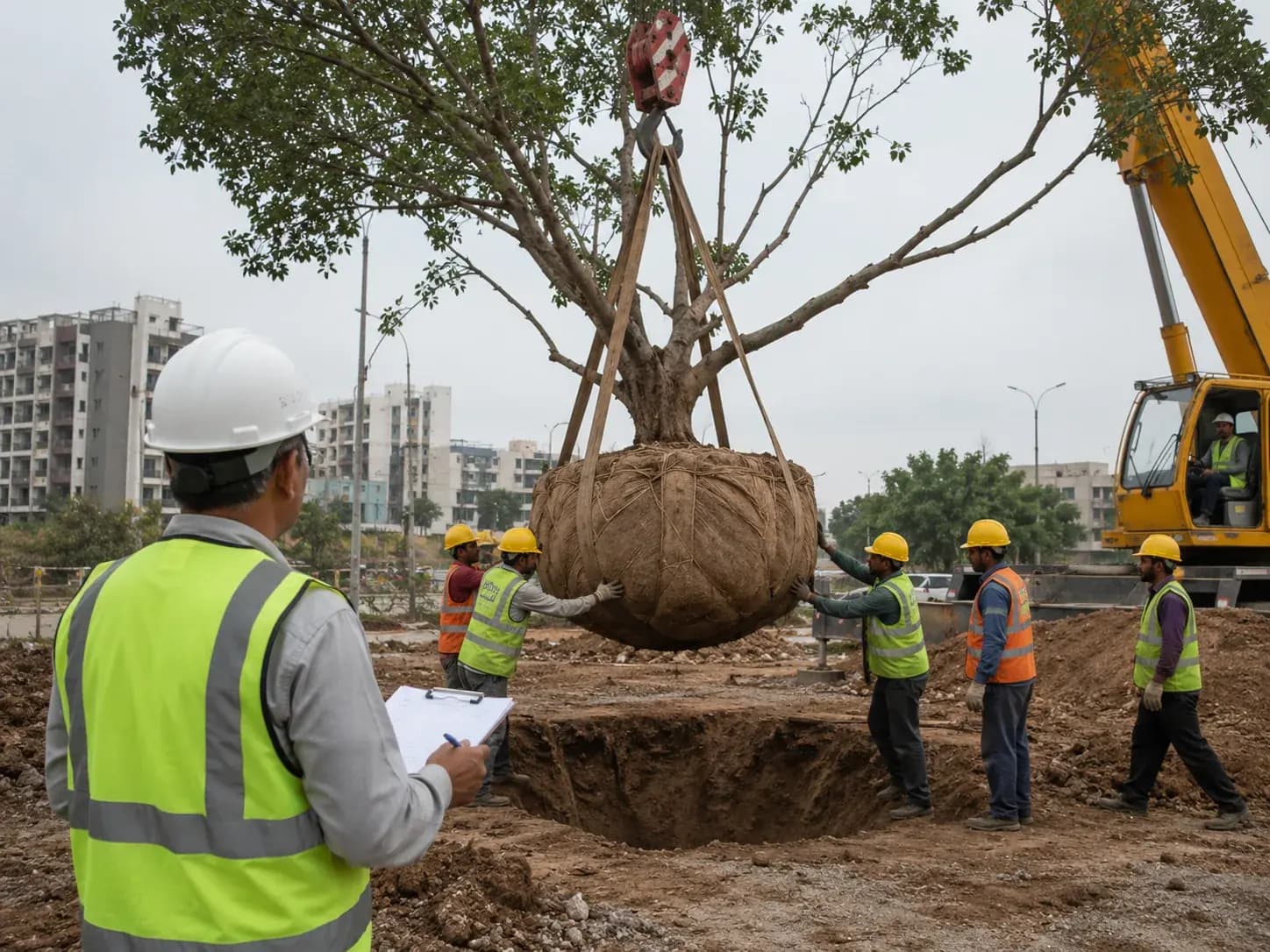
Transplantation relocates a mature tree (root ball intact, crown reduced, anchored and cared for at the new site) as the alternative to felling where the tree can take the move.
What it is
A transplant is a sequence, not a lift. The tree is prepared in advance by root pruning and crown reduction so it can support itself on a smaller root system; the root ball is excavated to a size proportionate to girth and wrapped; the tree is lifted with a crane, moved, and replanted at correct collar level in a prepared pit at the receiving site; then it is anchored, irrigated and watched through the stress period.
KIPL plans and executes transplantation with the receiving site settled before the tree is lifted: soil, drainage, space, water and clear title over the location. Most transplant failures come from decisions taken before the crane arrives: the wrong species or age moved, too small a root ball, the wrong season, or a receiving pit that was not ready.
What you get
The deliverables, in hand.
- Authority
- Tree Authority permission · standard arboricultural practice
- Typical timeline
- Preparation weeks ahead; aftercare over seasons
- Pre-transplant preparation: root pruning, crown reduction, conditioning
- Receiving site preparation with pit, soil and drainage
- Root-ball excavation, wrapping and mechanical lifting
- Transport and replanting at correct collar level
- Anchoring, guying, mulching and irrigation setup
- Aftercare schedule and post-transplant condition records
Straight answers
Tree Transplantation: common questions.
01Which trees can realistically be transplanted?
Species with fibrous, regenerative root systems and moderate girth transplant best; very large, very old, deep-tap-rooted or diseased trees are poor candidates. Age, girth, health, species, access for machinery and the quality of the receiving site all bear on it, which is why feasibility is assessed tree by tree before anything is committed.
02What determines whether a transplanted tree survives?
Chiefly the preparation period, the size of the root ball relative to girth, the season of the move, how quickly the tree is replanted, the depth at which it is set, and the aftercare that follows. Trees moved in a hurry in summer, with an undersized root ball and no aftercare, are the ones that fail.
03How long before the move should preparation start?
Ideally weeks to months. Root pruning in stages lets the tree generate feeder roots inside the future root ball, and crown reduction lowers the water demand it will have to meet afterwards. A transplant executed with no preparation is a much higher-risk operation, and should be described as such rather than sold as routine.
04What is the best season to transplant?
In most of India the pre-monsoon and monsoon period, so the tree recovers with natural rainfall and lower evaporative stress. Moves in peak summer are avoided where the programme allows. Where site sequencing forces an out-of-season move, irrigation, shading and anti-transpirant measures become critical.
05Is permission needed to transplant a tree?
Yes. In areas under tree legislation, transplantation is dealt with by the Tree Authority in the same application stream as felling, and the permission normally carries conditions on the receiving site and on survival reporting. Moving a protected tree without that permission carries the same exposure as felling it.
06How is the receiving site chosen?
By soil depth and drainage, available space for the mature canopy and root spread, distance from structures and services, assured water, machinery access, and secure long-term tenure of the spot. A receiving site chosen for convenience on the day of lifting is one of the more common causes of eventual failure.
07How large does the root ball need to be?
It is proportioned to the girth of the tree, following standard arboricultural practice: a larger tree needs a substantially larger and heavier ball, which also sets the crane and transport requirement. Cutting the ball down to suit the available equipment is the single most damaging economy in a transplant.
Within Tree Management
Part of the whole route, the other components.
Relevant proof
Where this stage has already been delivered.

MCGM · Eastern Suburbs, Mumbai
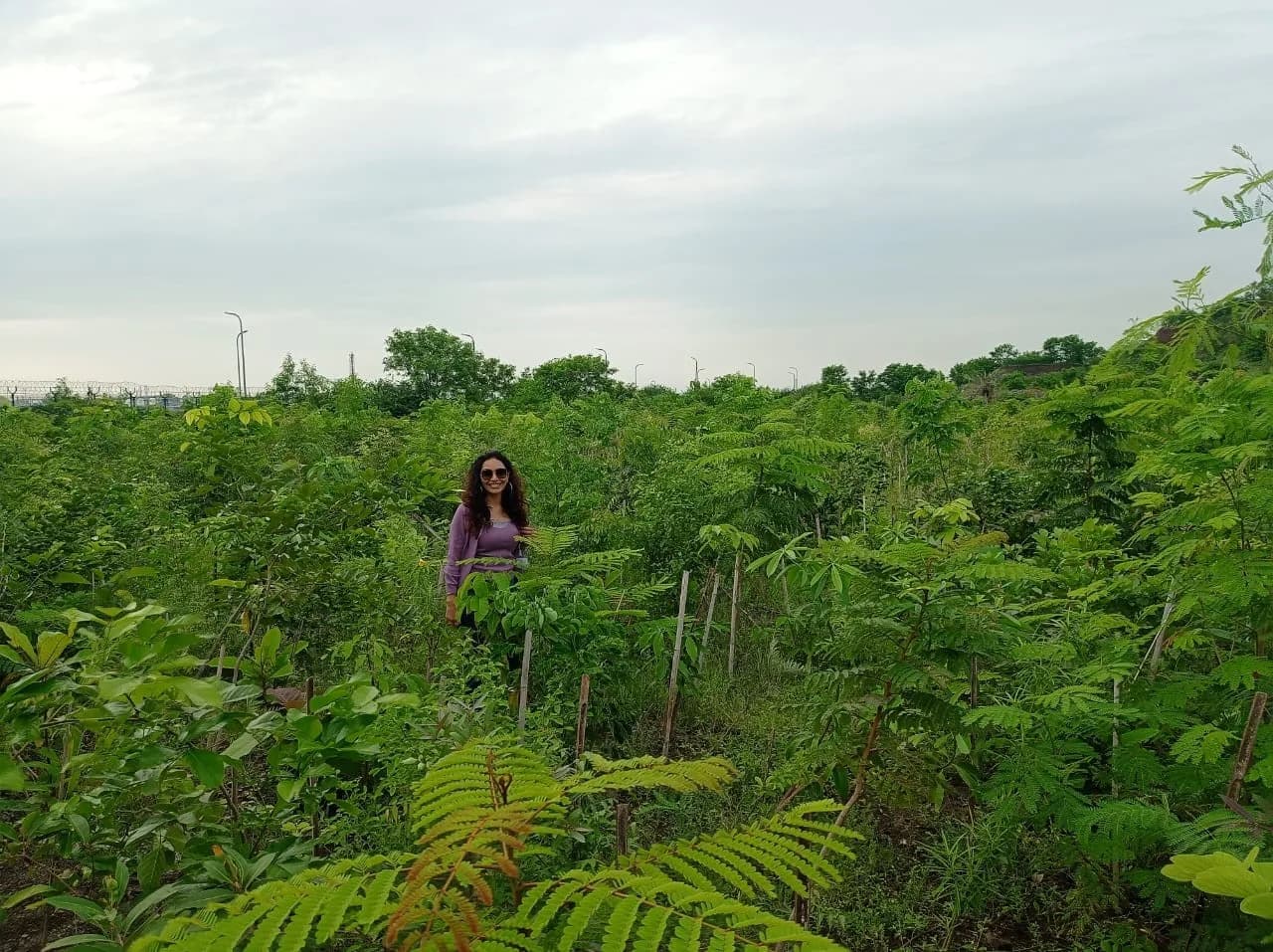
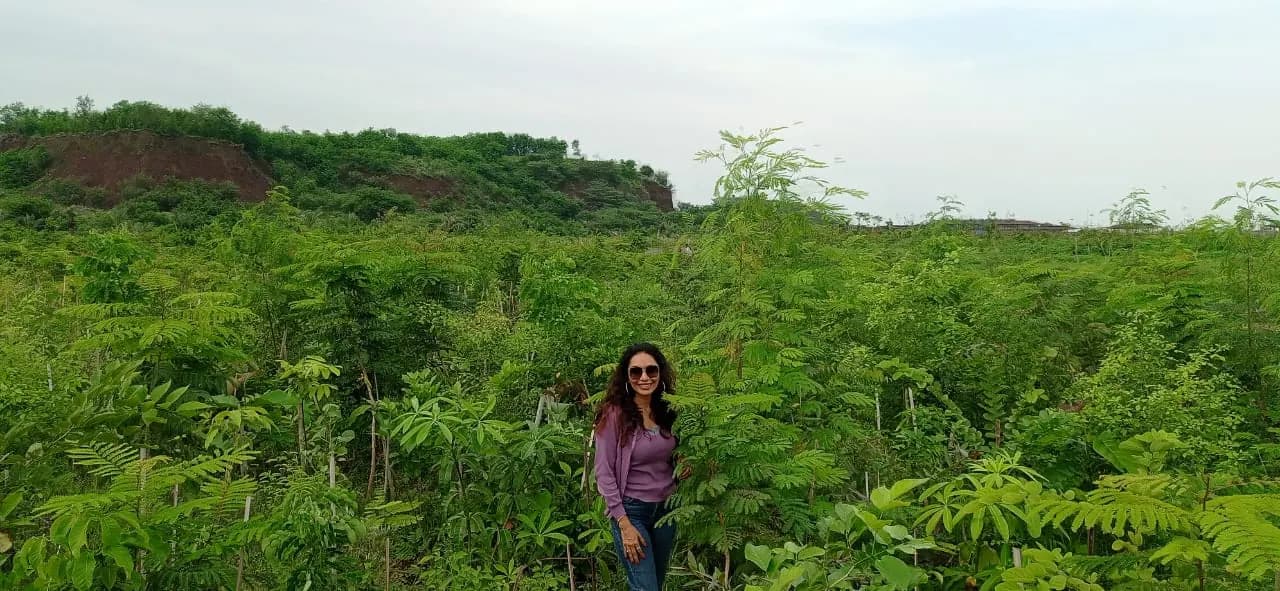
MCGM GARDEN DEVELOPMENT- MIYAWAKI PLANTATION
Miyawaki dense forestation across 27 locations in 7 wards using native species, delivered under the municipal greening programme.
Where we do this
Tree Management on the ground.
The authority, the timeline and the local ground differ by city. These pages set out how tree management actually runs in each.
Featured projects
Work that carries its own evidence.

Our expertise
One team across the whole environmental brief.
Tree Transplantation is one stage of one practice. Most projects need several, and the commitments made at clearance are the ones we build and maintain.
Who we do this for
Tree Management reads differently by industry.
- 01
Real Estate & ConstructionCore
Nothing on site is felled or shifted until the Tree Authority issues its NOC under the Maharashtra Preservation of Trees Act 1975, and every corporation runs its own process.
Tree Management for Real Estate & Construction - 02
Municipal CorporationsCore
The Tree Authority under the Maharashtra Preservation of Trees Act 1975 needs census, valuation and transplant evidence to defend its decisions.
Tree Management for Municipal Corporations - 03
Townships & Area Development
Large land parcels carry existing tree stock; enumeration, transplant feasibility and Tree Authority NOC gate the earthworks programme.
Tree Management for Townships & Area Development - 04
Hospitality, Healthcare & Education
Mature institutional campuses expanding into their own grounds need enumeration, transplant feasibility and Tree Authority NOC before any block starts.
Tree Management for Hospitality, Healthcare & Education - 05
Logistics & Ports
Large land-side parcels carry standing tree stock, and enumeration plus Tree Authority NOC gates the platform and pavement works.
Tree Management for Logistics & Ports - 06
Industrial Corridors & MIDC
Greenfield land acquisition means large-scale enumeration, valuation and transplantation before the first trunk infrastructure is cut.
Tree Management for Industrial Corridors & MIDC - 07
Corporate Campuses
Campus expansion into its own grounds still needs enumeration, transplant feasibility and Tree Authority NOC before ground is broken.
Tree Management for Corporate Campuses
Trusted by
The organisations this work is done for.





In the press