










Built Environment
Townships & Area Development
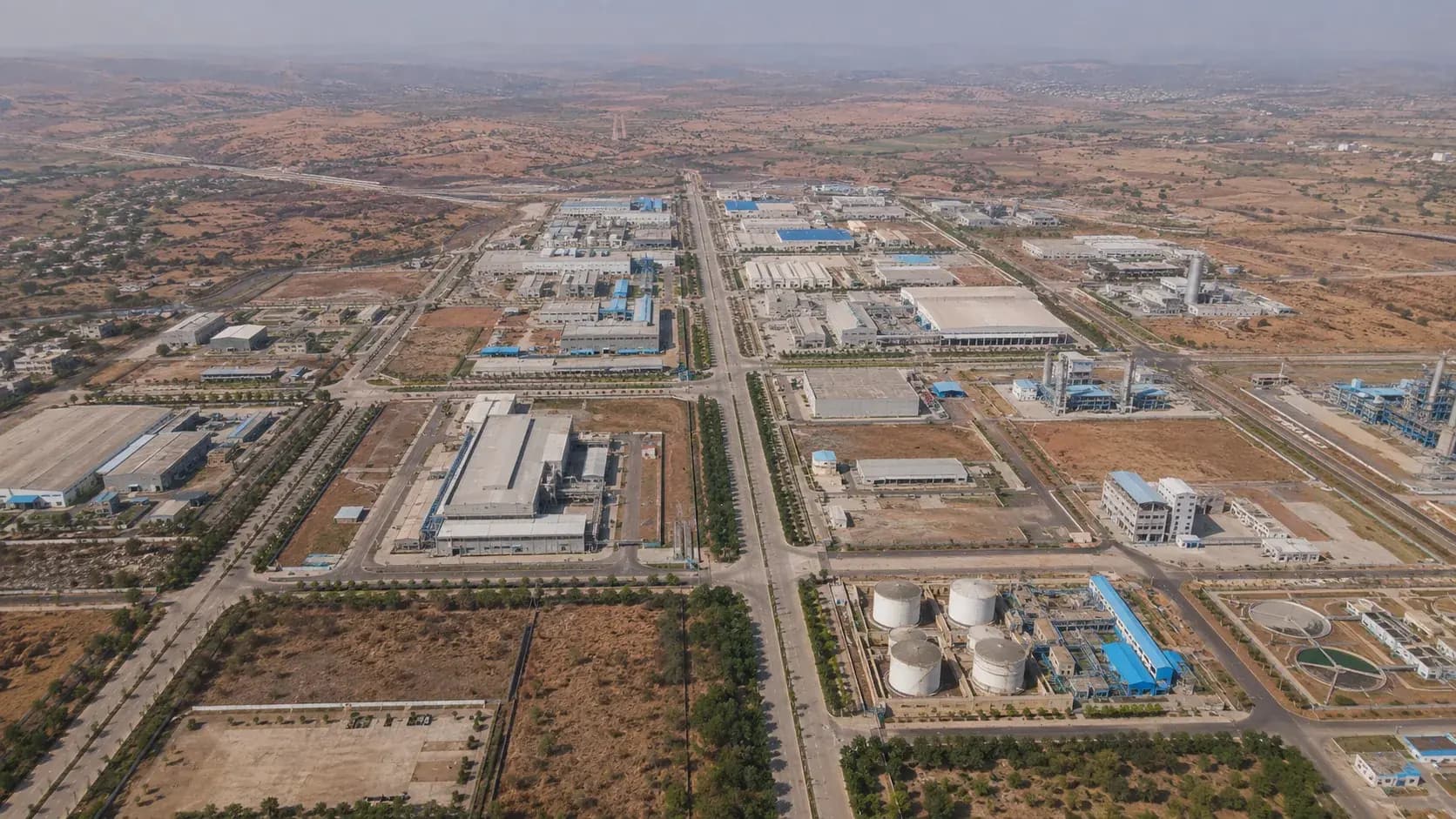
A township is a small city that has to prove it can breathe, drain and green itself before the first plot sells. We assess it at that scale and carry the commitments through to the ground.

How we work this market
A settlement, assessed and delivered at settlement scale.
One accredited team carries the work from the first assessment to the compliance report years later, so responsibility never changes hands at the gate that matters.
- 01AssessScreen & scope
- 02ApproveFile & argue
- 03BuildDeliver & commission
- 04MonitorReport for years
The brief
What this market actually asks of an environmental partner.
Integrated townships and area development above 150,000 sq.m or 50 hectares fall under item 8(b) of the EIA Notification 2006, a category that assesses not a single building but a whole settlement: its water balance, its sewage and solid-waste systems, its internal green network and its cumulative traffic and air load. The assessment is layout-level, and the commitments it produces become binding infrastructure the developer must build.
KIPL brings the environmental case and the delivery capability to the same table. We prepare the 8(b) EIA and Environment Management Plan, then design the treatment plants and green belts the clearance commits to, so a township approved on paper is a township that actually performs. That combined mandate is behind our work on Swaminarayan City and the Baviskar ITP township.
Why the file bites
The drivers that decide this market, layer by layer.
Area development EC
Townships above 150,000 sq.m or 50 ha are assessed as settlements, not buildings, with cumulative-impact scrutiny.
Commitments become infrastructure
The green belt, STP capacity and water balance promised in the EIA are built obligations, not gestures.
Phasing under one file
Multi-phase master plans need an environmental strategy that survives a decade of build-out, not a single filing.
What we handle here
The filings and works this market needs, under one team.
Straight answers
Townships & Area Development, answered.
What is the difference between 8(a) and 8(b) clearance?
Item 8(a) covers individual building and construction projects; item 8(b) covers townships and area development above 150,000 sq.m or 50 hectares. The 8(b) assessment is broader: it weighs the settlement's cumulative water, waste, traffic and green infrastructure rather than a single structure.
Can one firm both clear and build the township infrastructure?
That is exactly the KIPL model. We prepare the 8(b) EIA and EMP and then deliver the sewage treatment, water systems and green belt the clearance commits to, so the infrastructure that wins the approval is built by the same accountable team.
How is a multi-phase township handled?
With an environmental strategy scoped to the full master plan and a compliance calendar that carries across phases, so each phase opens against an approval that is already planned rather than renegotiated from scratch.
What this sector needs
The filings this sector actually runs on.
- 01
Environment ClearanceCore
Above 150,000 sq.m or 50 ha the project is appraised under item 8(b) as a settlement, on cumulative water, waste, traffic and air load.
Environment Clearance for Townships & Area Development - 02
Environment Management & Mitigation PlanCore
In an 8(b) case the EMP is the infrastructure specification: treatment capacity, green network and water balance become binding build obligations.
Environment Management & Mitigation Plan for Townships & Area Development - 03
Sewage Treatment PlantsCore
Township sewage is assessed as a system across phases, with treated-water reuse for flushing and landscape written into the clearance.
Sewage Treatment Plants for Townships & Area Development - 04
Green Belt Development for IndustriesCore
The layout-level green network committed in the 8(b) EIA is a mapped, measurable obligation carried across a decade of build-out.
Green Belt Development for Industries for Townships & Area Development - 05
MPCB ConsentCore
Each phase needs its own CTE and CTO position, tied to the STP, water-supply and waste infrastructure actually commissioned in that phase.
MPCB Consent for Townships & Area Development - 06
Post-EC ComplianceCore
A multi-phase township files half-yearly compliance for a decade, against commitments made before the first plot was sold.
Post-EC Compliance for Townships & Area Development - 07
CGWA Groundwater NOCCore
The township water balance has to reconcile municipal supply, groundwater abstraction and reuse before CGWA will issue an NOC on the abstraction component.
CGWA Groundwater NOC for Townships & Area Development - 08
Integrated Solid Waste ManagementCore
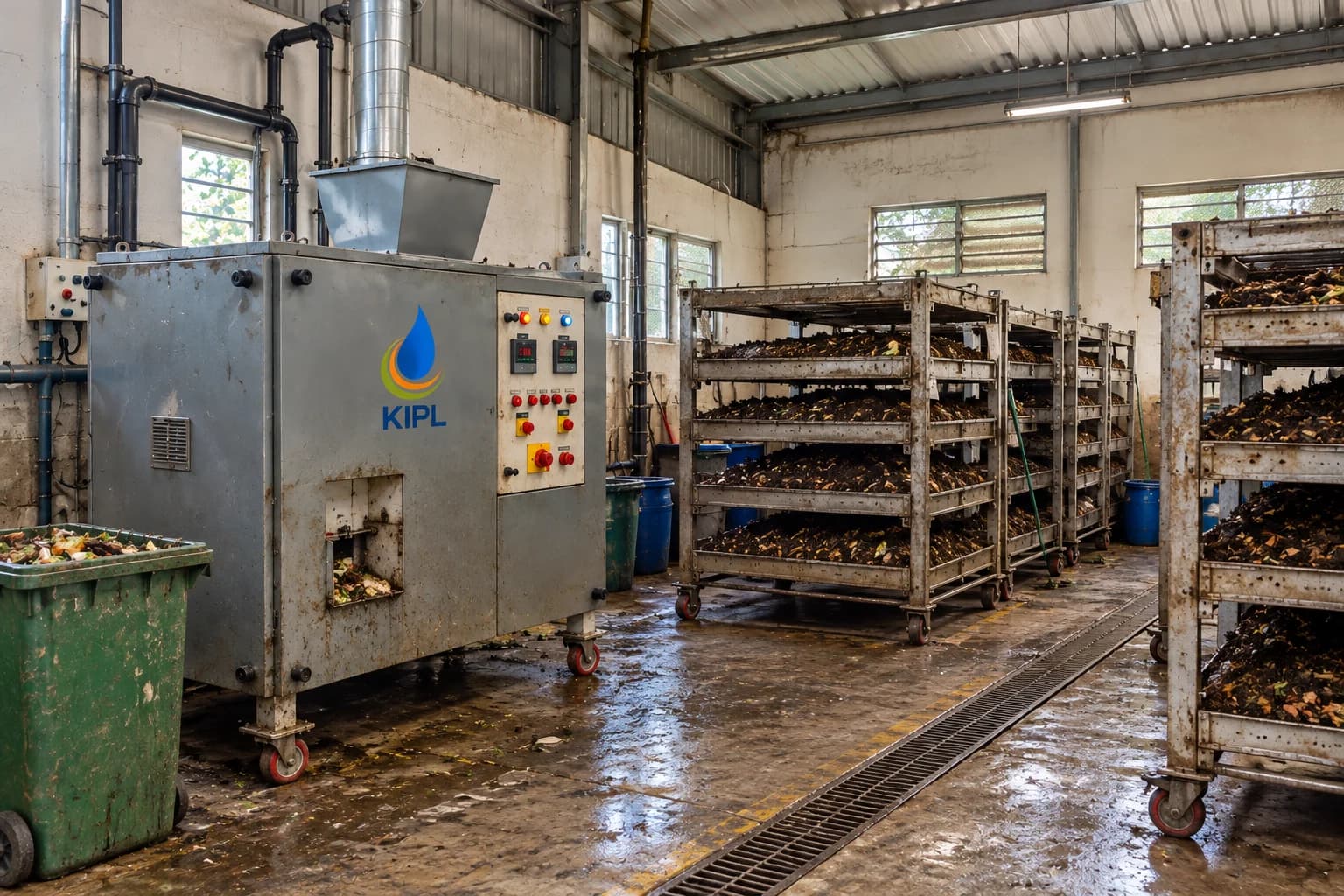
A township is a bulk waste generator at settlement scale: segregation, decentralised processing and material recovery under the SWM Rules 2016.
Integrated Solid Waste Management for Townships & Area Development