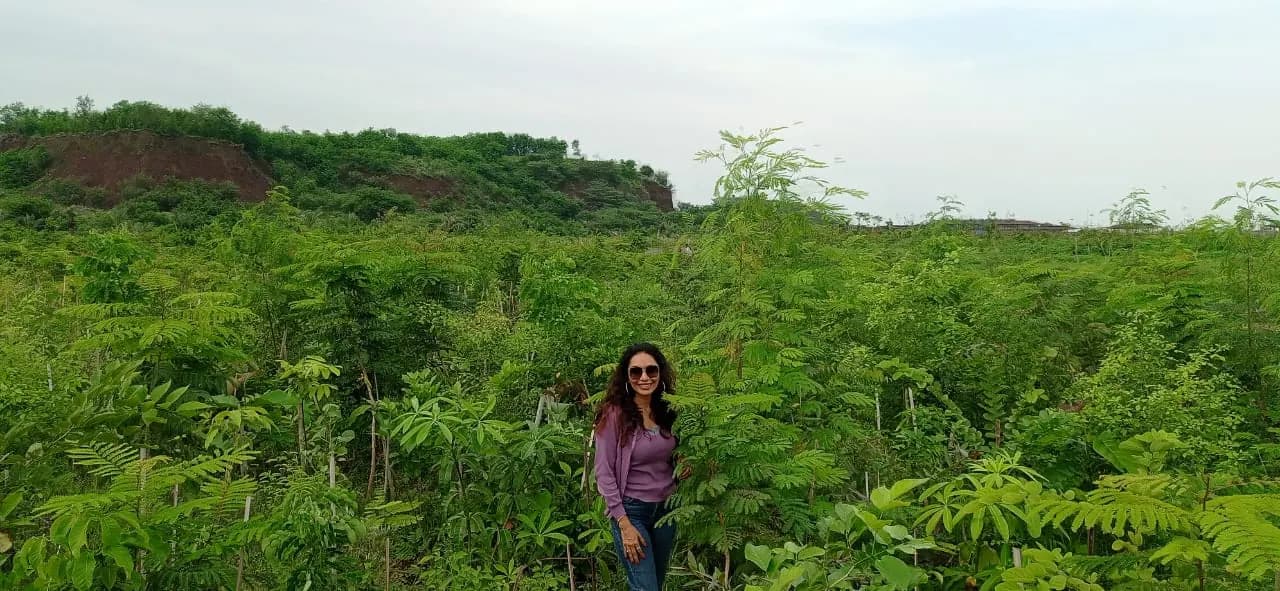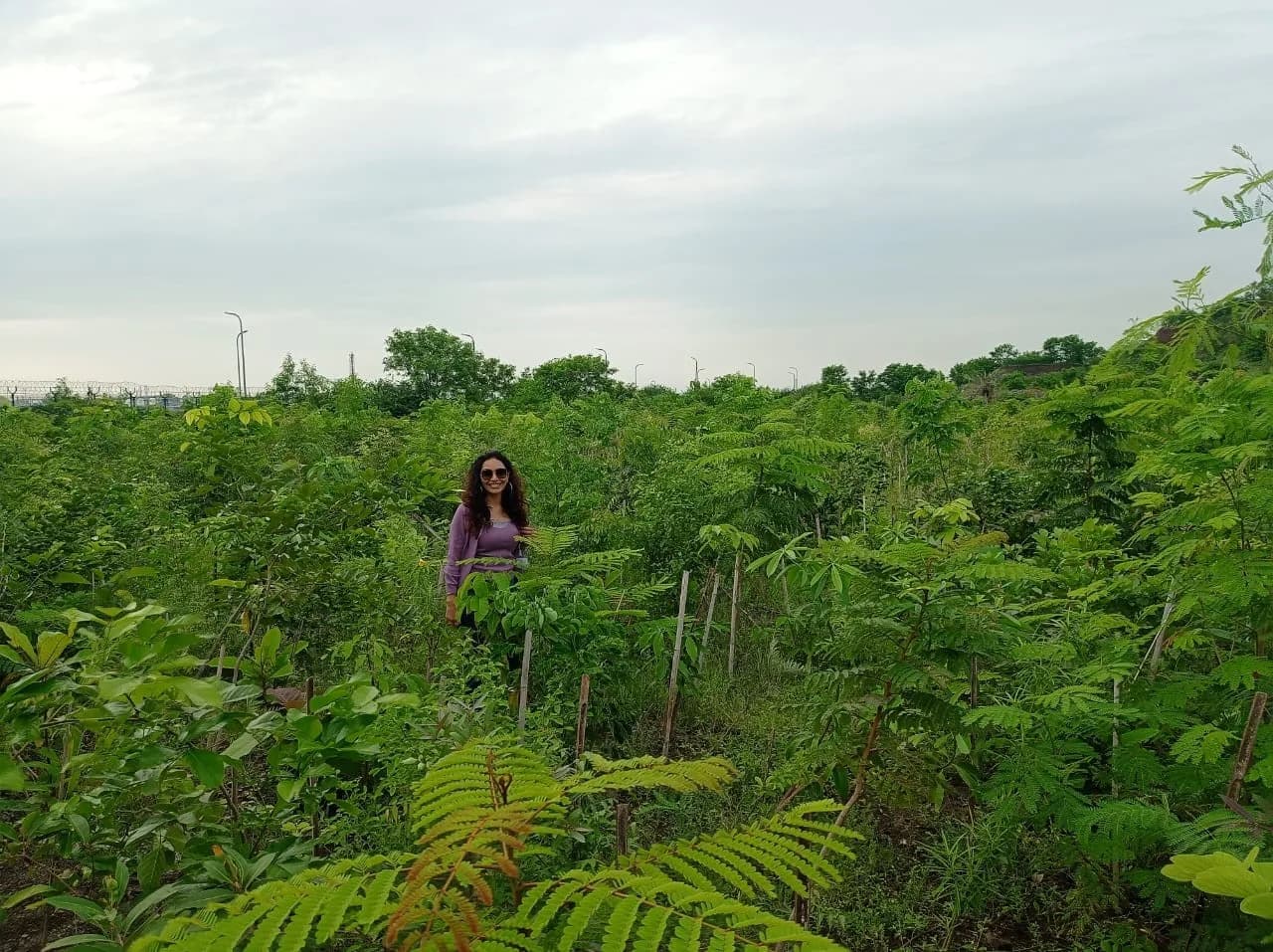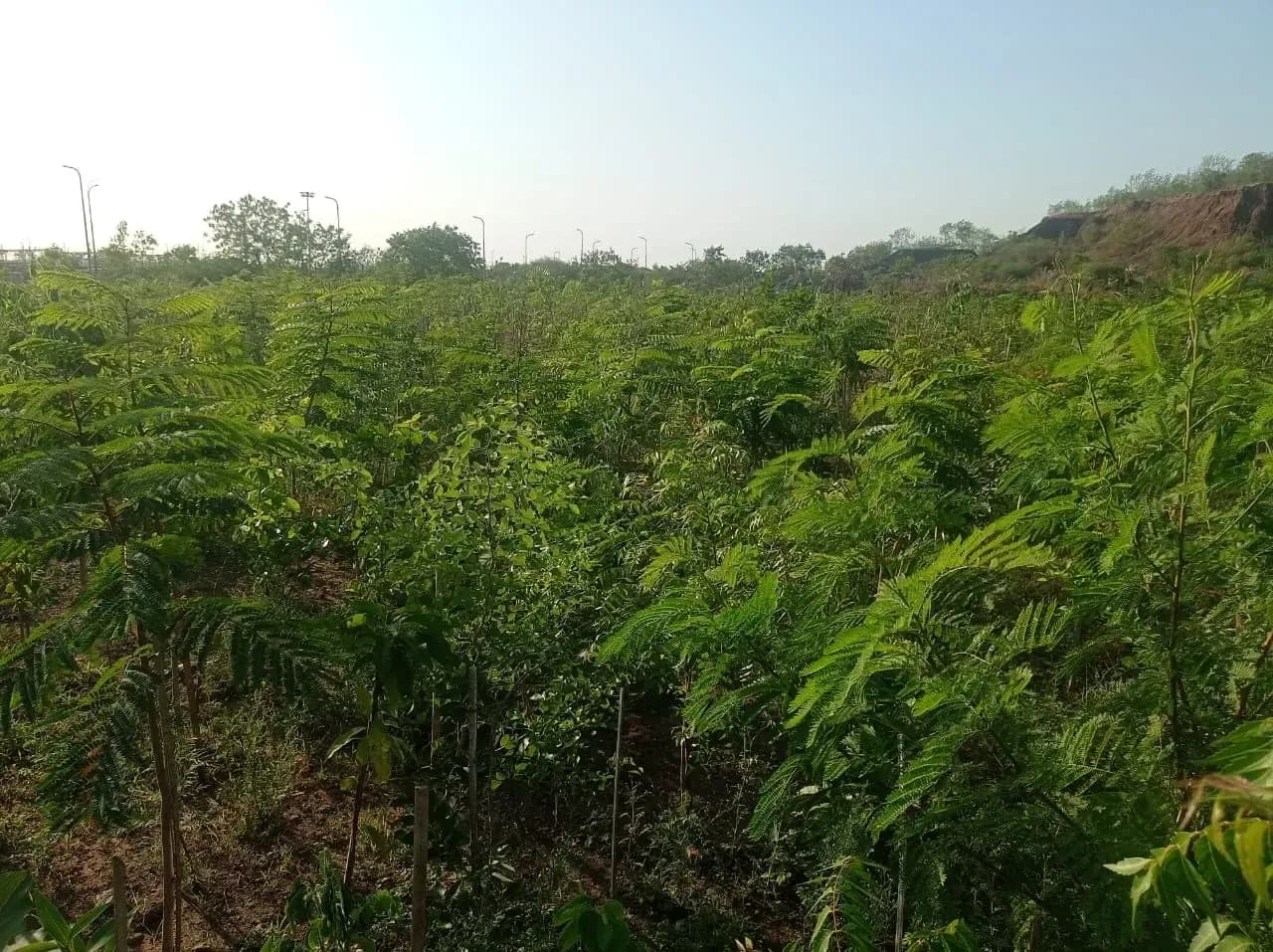
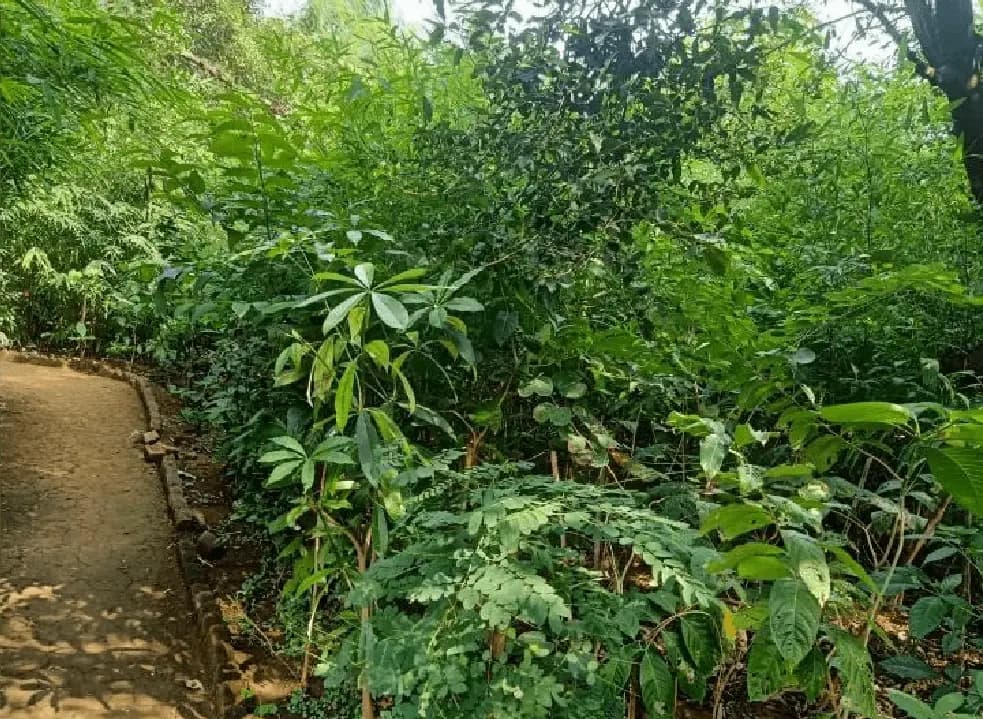
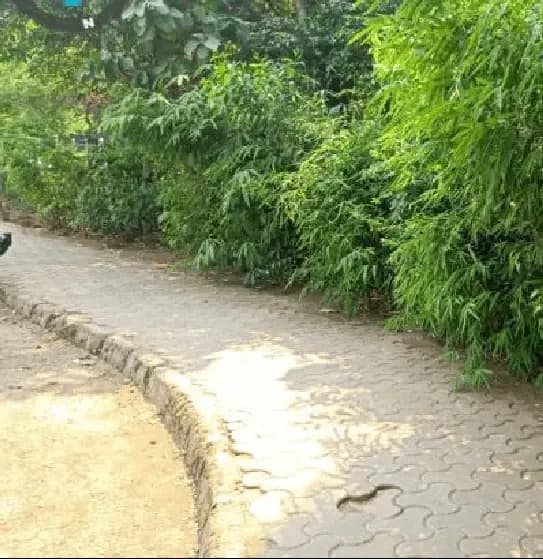
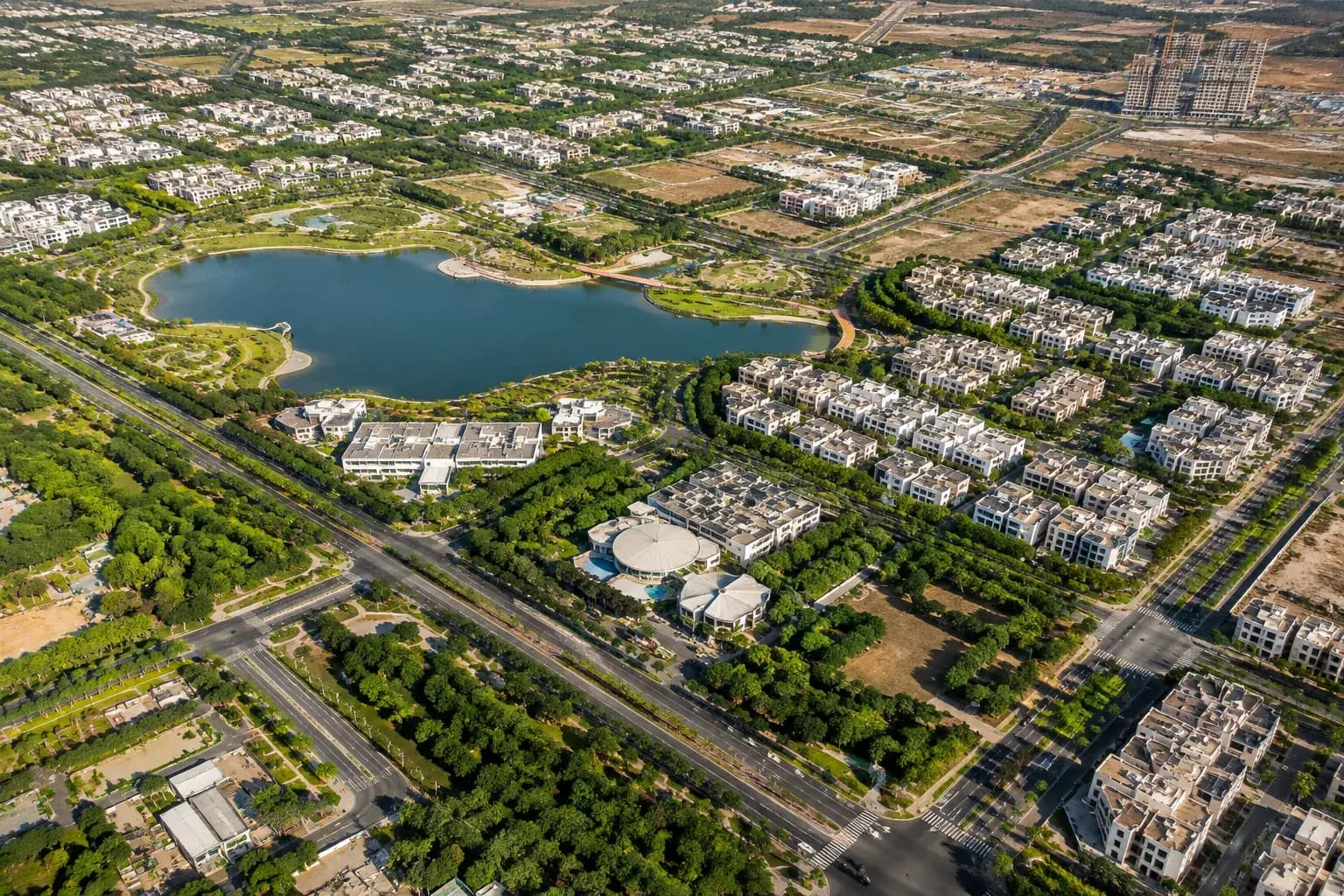
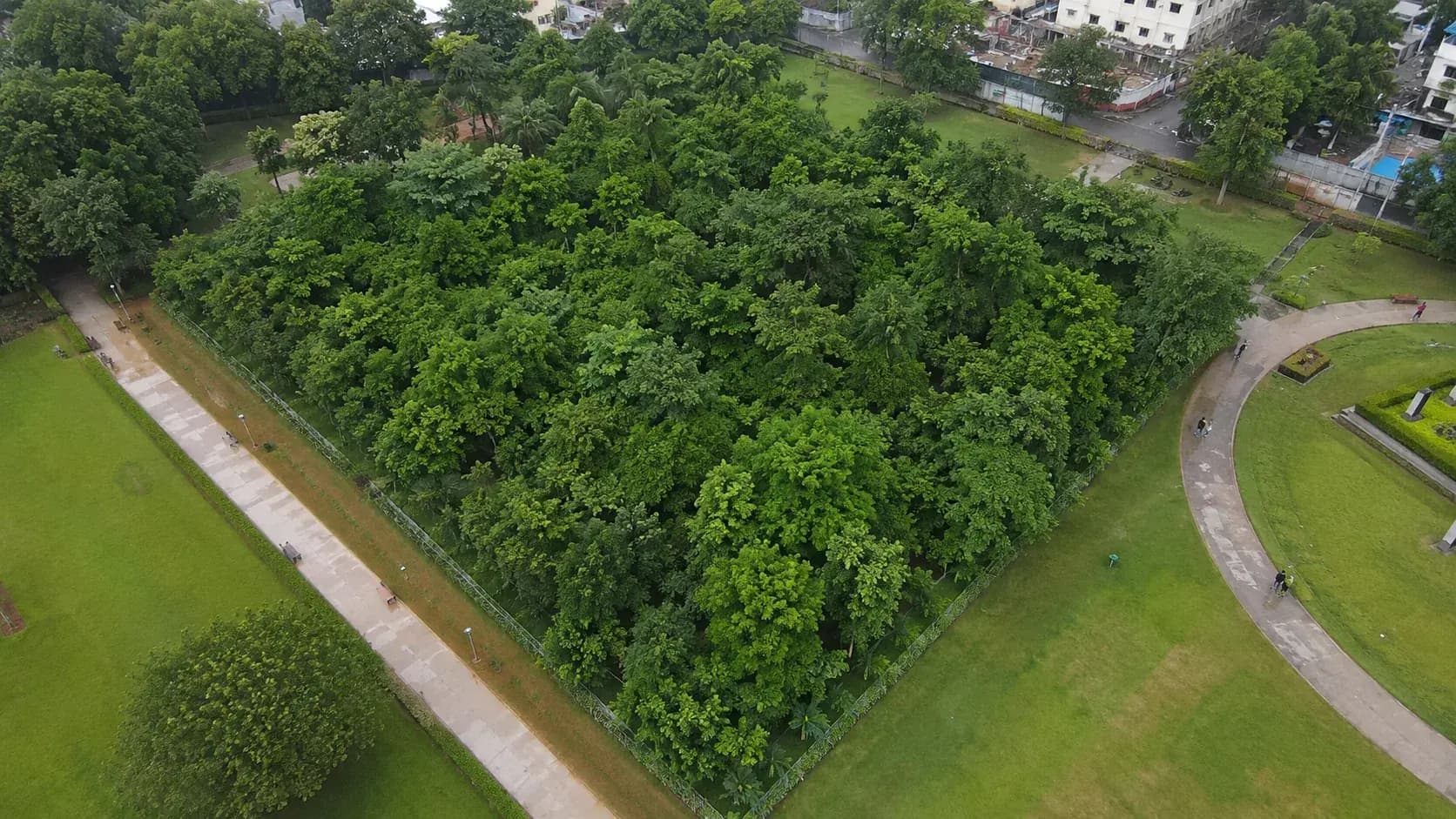
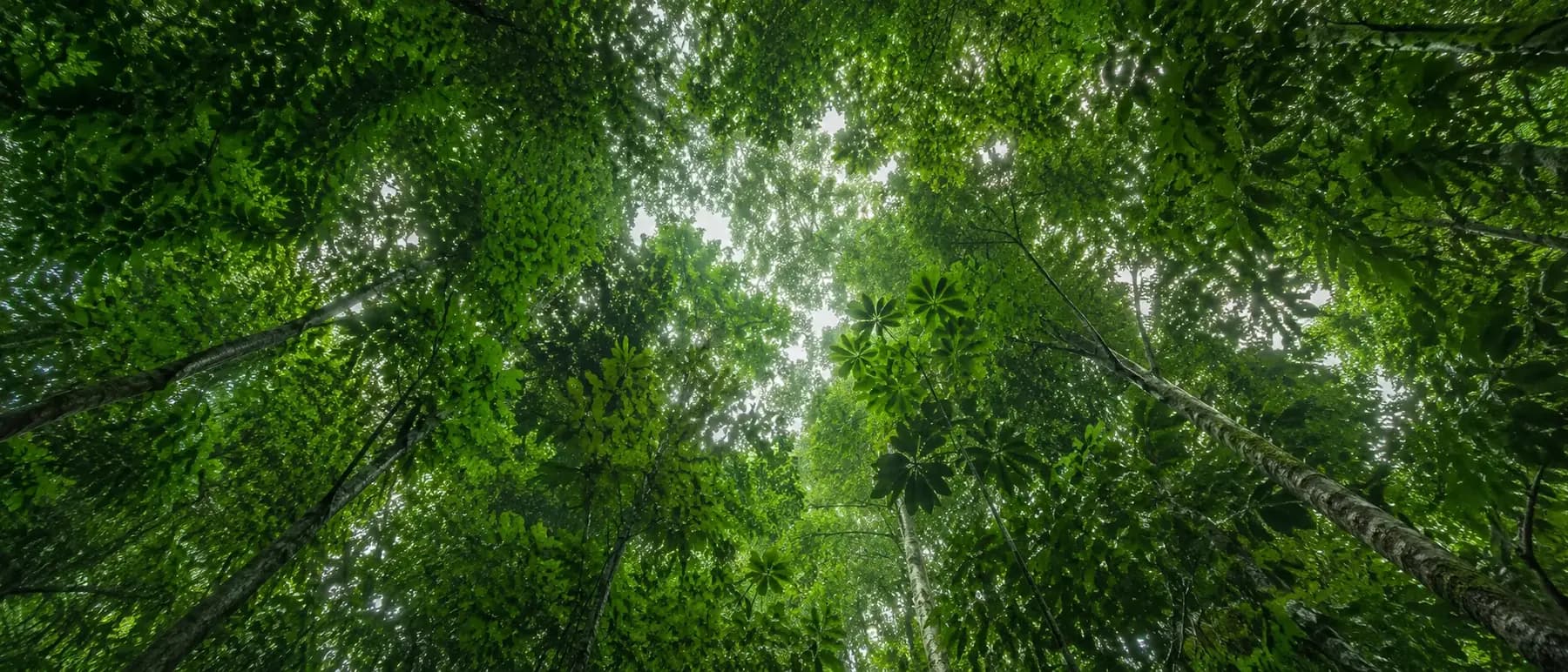
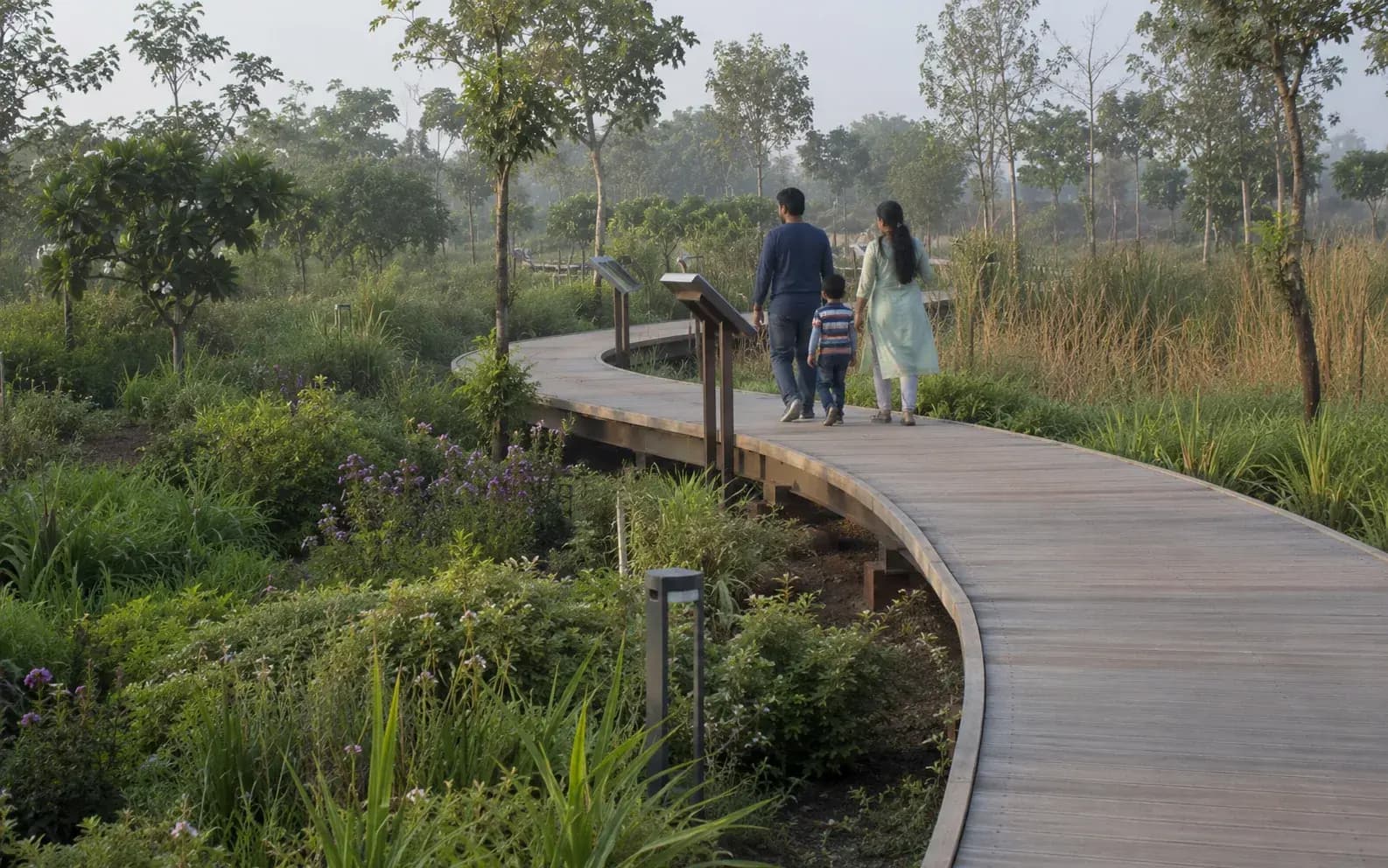
The Municipal Corporation of Greater Mumbai set out to plant over five lakh trees across the city by the Miyawaki method. KIPL delivered the Eastern Suburbs: roughly 1,10,000 native trees planted as dense, multi-layer, multi-species urban forest across 27 sites in seven municipal wards, engineered so citizens get a forest feel inside the city.
The brief
Mumbai's Eastern Suburbs carry the density and the heat-load of a city that has run out of open ground. MCGM's answer was the Miyawaki method: closely planted, multi-layer, multi-species plots that mature into self-sustaining native woodland far faster than conventional avenue planting, on land too small for anything else.
KIPL took the Eastern Suburbs mandate: to create green patches of genuine urban forest across parks and maidans in seven wards, matching species to soil and site, so that a resident in Chembur or Mulund could step off a road and into something that reads as forest.
We measure a forest by how it grows in the monsoons after planting.
How the green was delivered
- Site & soil
- Assessment of each garden and maidan, with soil work and native-species selection matched to the location.
- Dense forestation
- Multi-layer, multi-species Miyawaki planting laid out for canopy closure and biodiversity, not ornament.
- Irrigation
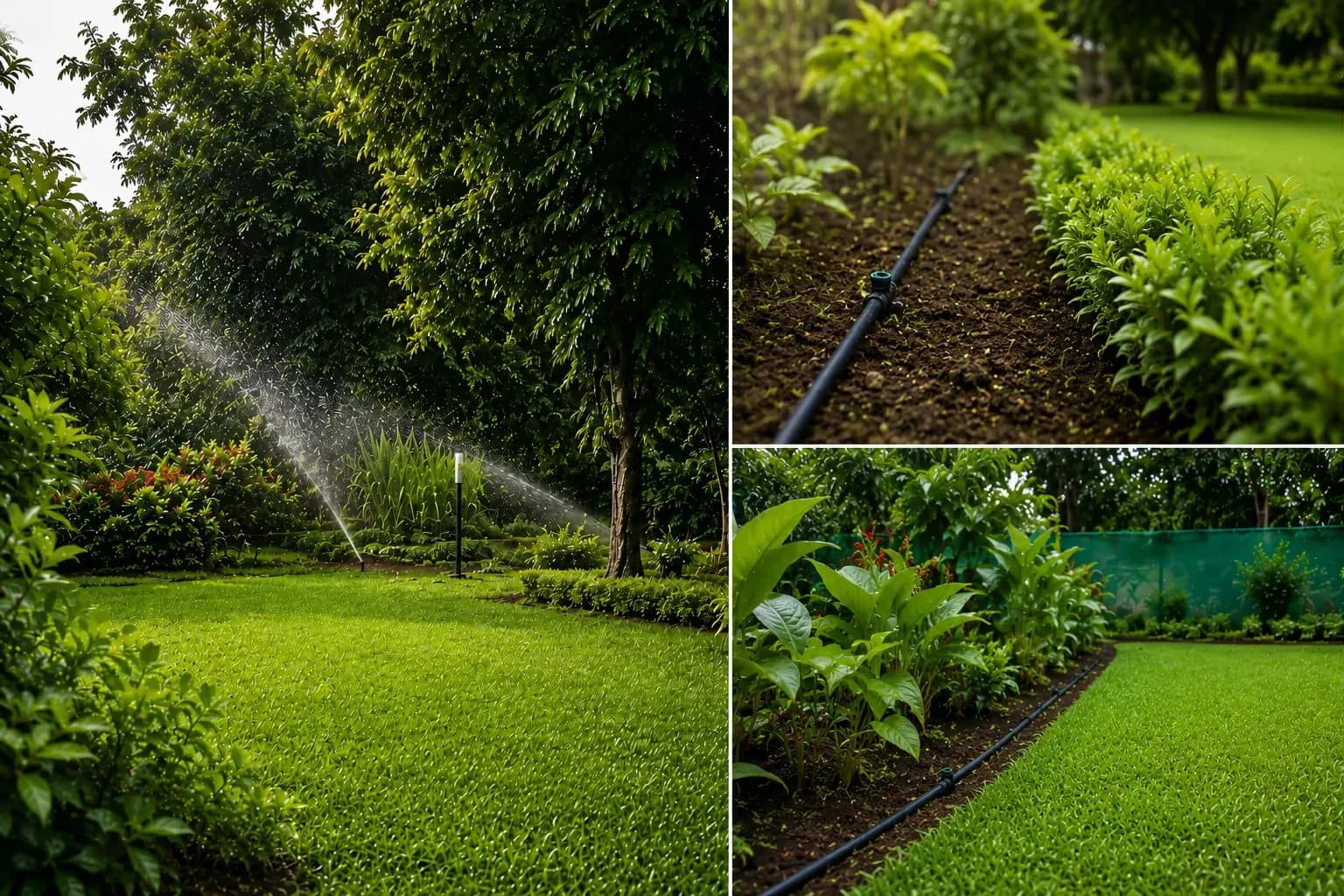
- Water delivery designed for the critical establishment years, when young plantings need it most.
- Aftercare
- Sustained maintenance through the establishment years, so each plot grows into a self-sustaining forest.
Where the forest went
The programme reached across seven Eastern Suburban wards: named gardens and maidans, each planted as its own dense plot.
T Ward
- APJ Abdul Kalam Garden
- R. R. Patil Garden
S Ward
- Lakefront Garden
- Shree Atal Bihari Vajpayee Garden
N Ward
- Plot B/50, Wadhwa
- Keshav Baliram Garden
M East Ward
- Ashok Kamthe Garden
- Sonapur Maidan
M West Ward
- Bhaktipark 1
- Bhaktipark 2
- Sai Arpan Garden
L Ward
- Palatial Heights Garden
- Masrani Maidan
D Ward
- Amarsons Garden