










Landscape and horticulture maintenance: the programme that decides whether planting survives its third year.
Most landscape failures are maintenance failures, not design failures: the planting was right and nobody watered, fed, pruned or inspected it on a schedule anyone could show you.
What it is
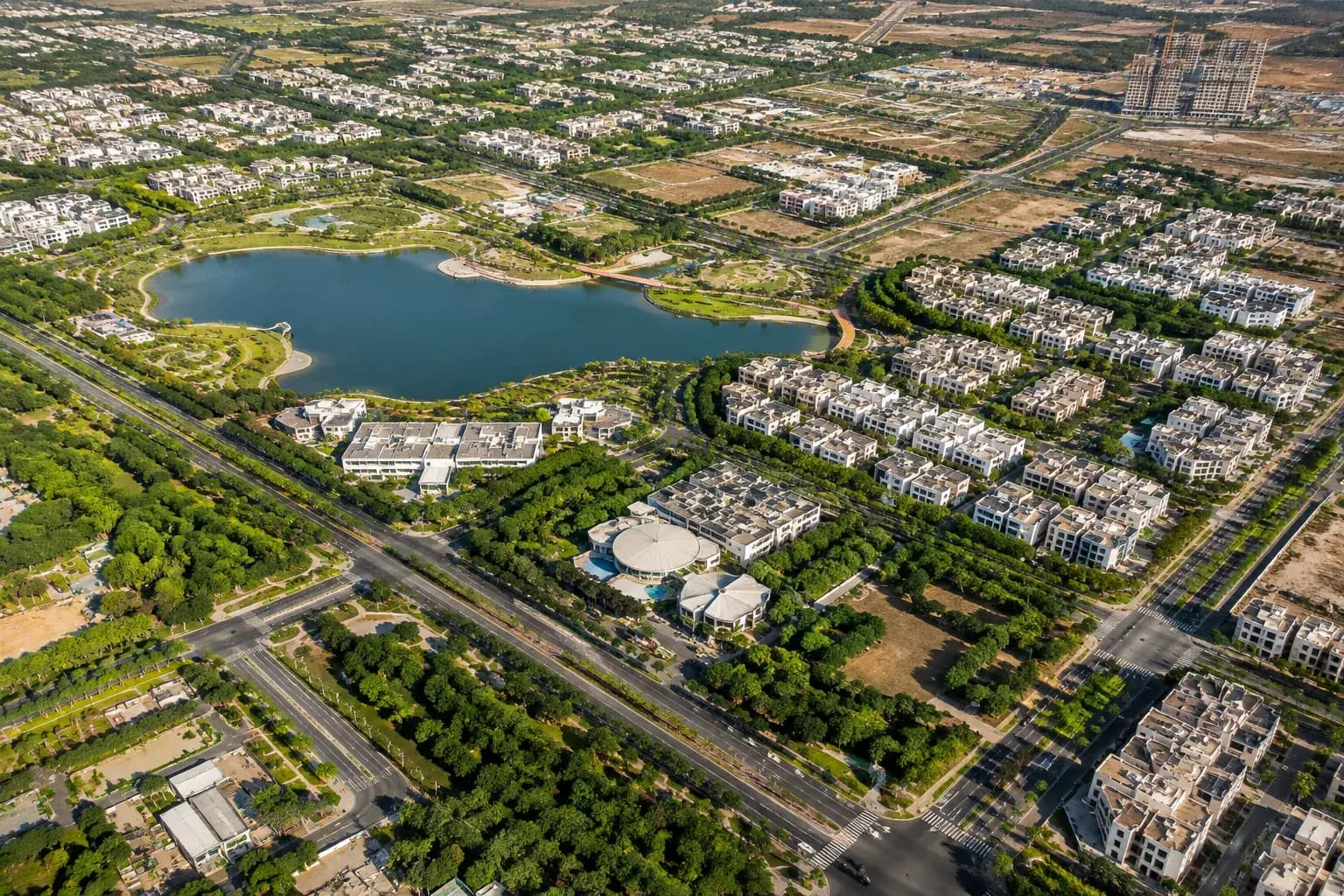
Landscape and horticulture maintenance is the recurring work that keeps a planted site in the condition it was handed over in: mowing and edging, pruning and deadheading, weeding, feeding, mulching, irrigation checks, replacement of failed plants, and seasonal operations timed to the growth cycle rather than to the billing cycle. Done properly it is a written regime with frequencies, not a crew that visits when someone complains.
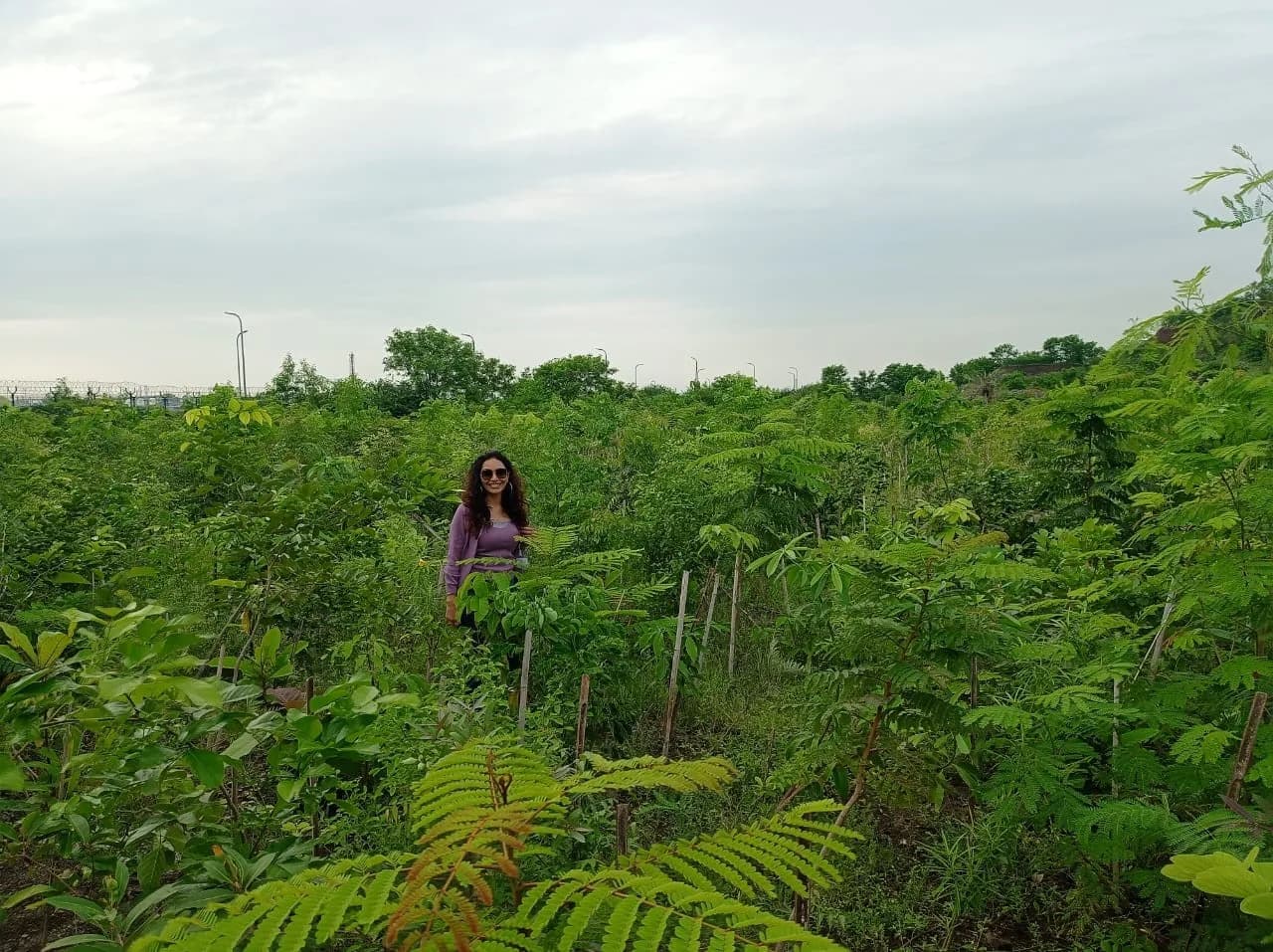
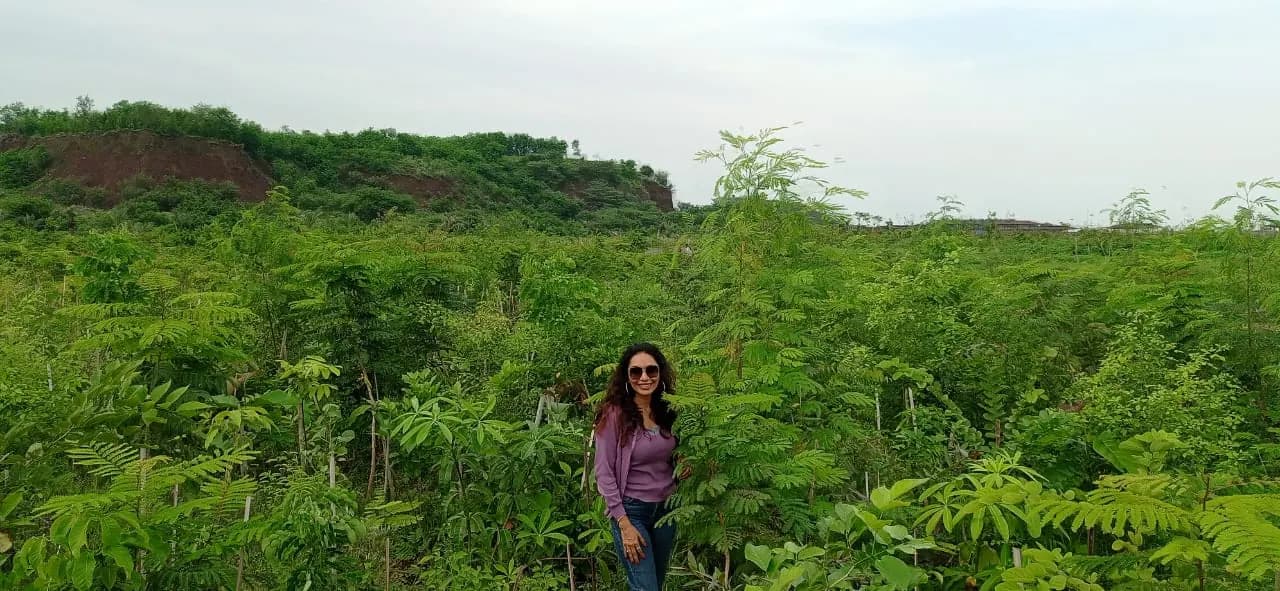
KIPL maintains against a schedule the client holds a copy of, with records of what was done and when, and periodic condition reporting that names what is thriving, what is struggling and what needs replacing before it dies. That record is what makes maintenance auditable: and on sites where planting was a condition of an approval, it is also what demonstrates the condition is being met rather than merely claimed.
What you get
The deliverables, in hand.
- Authority
- Contract specification · EC / approval conditions where planting was mandated
- Typical timeline
- Annual maintenance contract, renewed; seasonal operations within it
- Written maintenance regime with operations and frequencies
- Scheduled mowing, edging, pruning, weeding and mulching
- Feeding and soil conditioning to a seasonal programme
- Irrigation checks and adjustment through the year
- Replacement planting for failures, to the original specification
- Activity records and periodic condition reporting
Straight answers
Landscape & Horticulture Maintenance: common questions.
01What does a maintenance regime actually specify?
The operations, their frequency, and the season each is performed in: mowing intervals, pruning windows, feeding schedule, irrigation checks, weeding passes, mulch renewal. Writing it down is what separates maintenance from occasional attention, and it is what lets anyone verify the site is getting what was paid for.
02Why does replacement planting matter?
Because a proportion of any planting fails, and a site where failures are never replaced degrades year on year regardless of how well the survivors are kept. Replacement to the original specification holds the planted density, which on a mandated planting is the number that was approved.
03Is maintenance needed once planting is established?
The intensity falls but the requirement does not. Established planting still needs pruning, feeding, pest watch and irrigation management, and the moment it is withdrawn entirely the site begins reverting: usually first to weeds, which are far more expensive to remove later than to prevent.
04How is maintenance quality judged?
On plant health and survival, not on tidiness. A site can be immaculately swept with planting that is dying from drought stress or root-bound in unamended soil. Condition reporting against plant health is the honest measure.
05Can maintenance records support a compliance obligation?
Yes, and that is frequently why they exist. Where planting was a condition of an environmental clearance, dated records of the maintenance performed and the survival achieved are the evidence that the condition is being met.
Within Green Maintenance & Development
Part of the whole route, the other components.
Featured projects
Work that carries its own evidence.
Our expertise
One team across the whole environmental brief.
Landscape & Horticulture Maintenance is one stage of one practice. Most projects need several, and the commitments made at clearance are the ones we build and maintain.
Trusted by
The organisations this work is done for.





In the press