









Habitat development: building the conditions a species needs, not just planting trees.
Habitat development creates the specific conditions a target group of species needs (food, water, cover and breeding sites) using native vegetation and structural features rather than ornamental planting.
What it is
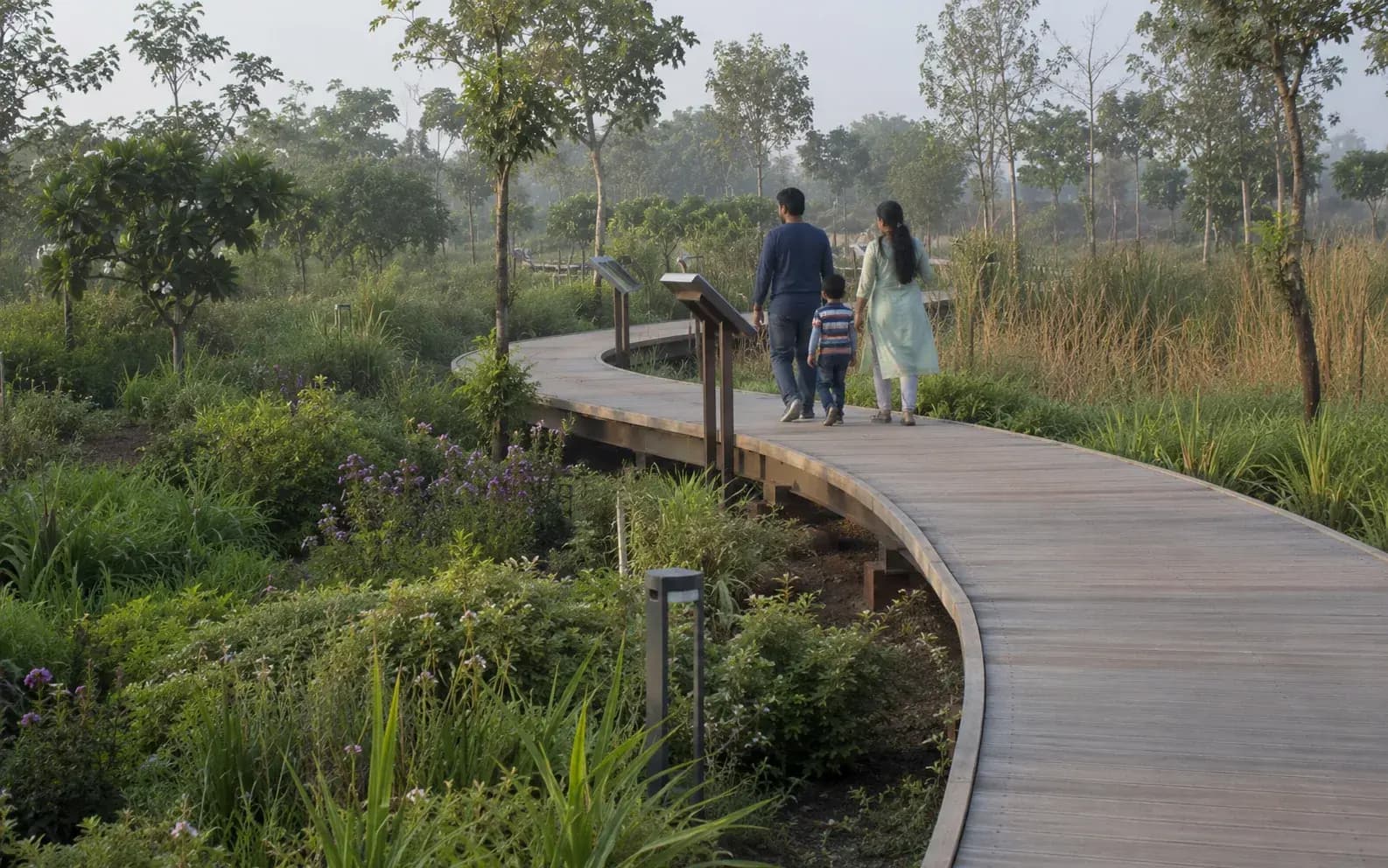
A habitat is defined by function. A butterfly habitat needs larval host plants as well as nectar sources; a bird habitat needs layered vegetation, fruiting and seeding species, water and undisturbed nesting cover; a wetland edge needs the right hydrology, gradient and marginal planting. Development therefore begins from the target species groups and works back to the vegetation structure, water features and physical elements that support them.
KIPL plans and executes habitat development on the same discipline as the rest of this work: native species matched to the site, invasive species removed and kept out, a management plan that recognises habitats mature over years, and monitoring that records whether the intended species actually arrive. Degraded land, quarry edges, bunds and neglected corners of institutional campuses are often the most productive sites for it.
What you get
The deliverables, in hand.
- Authority
- Native species restoration · Biological Diversity Act 2002 framework
- Typical timeline
- Establishment over years; monitoring seasonal
- Target species groups and habitat objectives defined for the site
- Native planting plan: larval host, nectar, fruiting and cover species
- Water features, wetland edges and structural elements as required
- Invasive species removal and follow-up control programme
- Phased habitat management plan over years
- Monitoring protocol recording species use of the habitat
Straight answers
Habitat Development: common questions.
01How is habitat development different from ordinary plantation?
Plantation puts trees in the ground; habitat development creates a functioning set of conditions for particular species. That means larval host plants, fruiting and seeding species, layered cover, water, deadwood and undisturbed patches, many of which look untidy by ornamental standards and are precisely what makes the habitat work.
02How are target species decided?
From the biodiversity assessment and the regional species pool: what is already present or plausibly present nearby, rather than what is aspirational. Butterflies, birds and pollinators are common and achievable targets on urban and campus sites. Designing for species with no realistic route to the site produces a habitat that stays empty.
03Why does invasive species removal matter so much?
Because invasives such as Prosopis juliflora, Lantana camara or Parthenium outcompete native vegetation and can undo a restoration within a few seasons. Removal is not a one-time activity; it needs follow-up control for several years, and that follow-up should be budgeted at the start rather than discovered later.
04How long before a habitat starts functioning?
Some groups respond quickly, butterflies and common birds can appear within a season or two once host plants and water are present. Structural habitat, mature canopy, deadwood and soil biota take years. An honest programme separates the early indicators from the long-term objectives instead of promising both at once.
05Can degraded land be restored into habitat?
Often yes, and degraded sites are frequently the best opportunities: quarry edges, dumping grounds, neglected bunds and institutional back land. Restoration starts with the limiting factor, usually soil, hydrology or invasive cover, and works up. Sites with contamination need that assessed before any planting is designed.
06How is success measured?
By repeating the biodiversity survey on a consistent design and tracking species richness, the presence of target groups and evidence of breeding, alongside vegetation structure and native cover. Counting saplings planted measures effort, not outcome; species using the habitat is the measure that means something.
07Does habitat development need any permission?
Restoration on your own land generally does not, but context matters. Work involving water bodies, wetlands, forest land, coastal areas or protected-area surroundings attracts its own regulatory position, and introducing species or handling wildlife has separate requirements. The position is checked for the specific site before work is planned.
Within Public Gardens & Biodiversity Parks
Part of the whole route, the other components.
Relevant proof
Where this stage has already been delivered.

MCGM · Eastern Suburbs, Mumbai
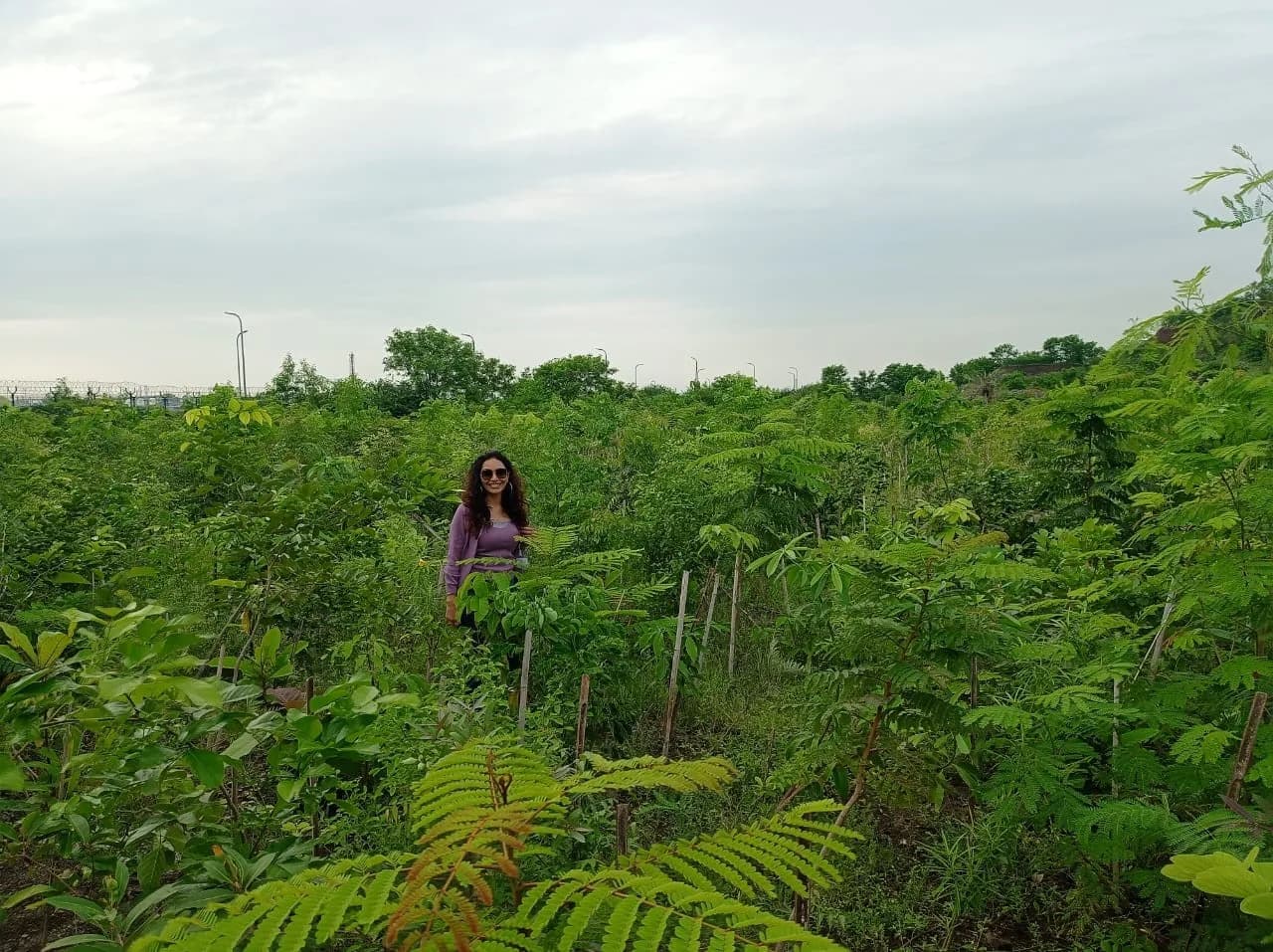
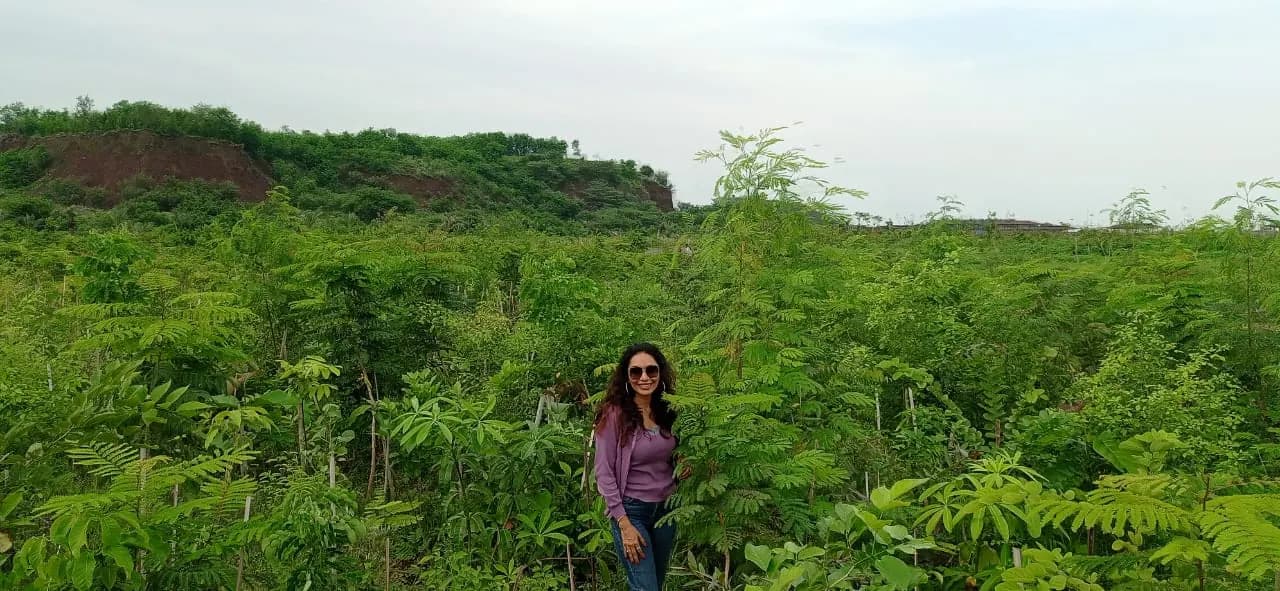
MCGM GARDEN DEVELOPMENT- MIYAWAKI PLANTATION
Miyawaki dense forestation across 27 locations in 7 wards using native species, delivered under the municipal greening programme.
Where we do this
Public Gardens & Biodiversity Parks on the ground.
The authority, the timeline and the local ground differ by city. These pages set out how public gardens & biodiversity parks actually runs in each.
Featured projects
Work that carries its own evidence.
Our expertise
One team across the whole environmental brief.
Habitat Development is one stage of one practice. Most projects need several, and the commitments made at clearance are the ones we build and maintain.
Who we do this for
Public Gardens & Biodiversity Parks reads differently by industry.
- 01
Municipal CorporationsCore
Garden design, execution and multi-year maintenance contracts are core civic procurement, audited on upkeep rather than on inauguration.
Public Gardens & Biodiversity Parks for Municipal Corporations - 02
Townships & Area Development
Recreational open space is both a planning-permission requirement and an EIA commitment; the parks have to be built, not just drawn.
Public Gardens & Biodiversity Parks for Townships & Area Development - 03
River & Water Missions
Riverfront parks are how a mission converts a cleaned stretch into public use that then protects it from being re-encroached.
Public Gardens & Biodiversity Parks for River & Water Missions
Trusted by
The organisations this work is done for.





In the press