









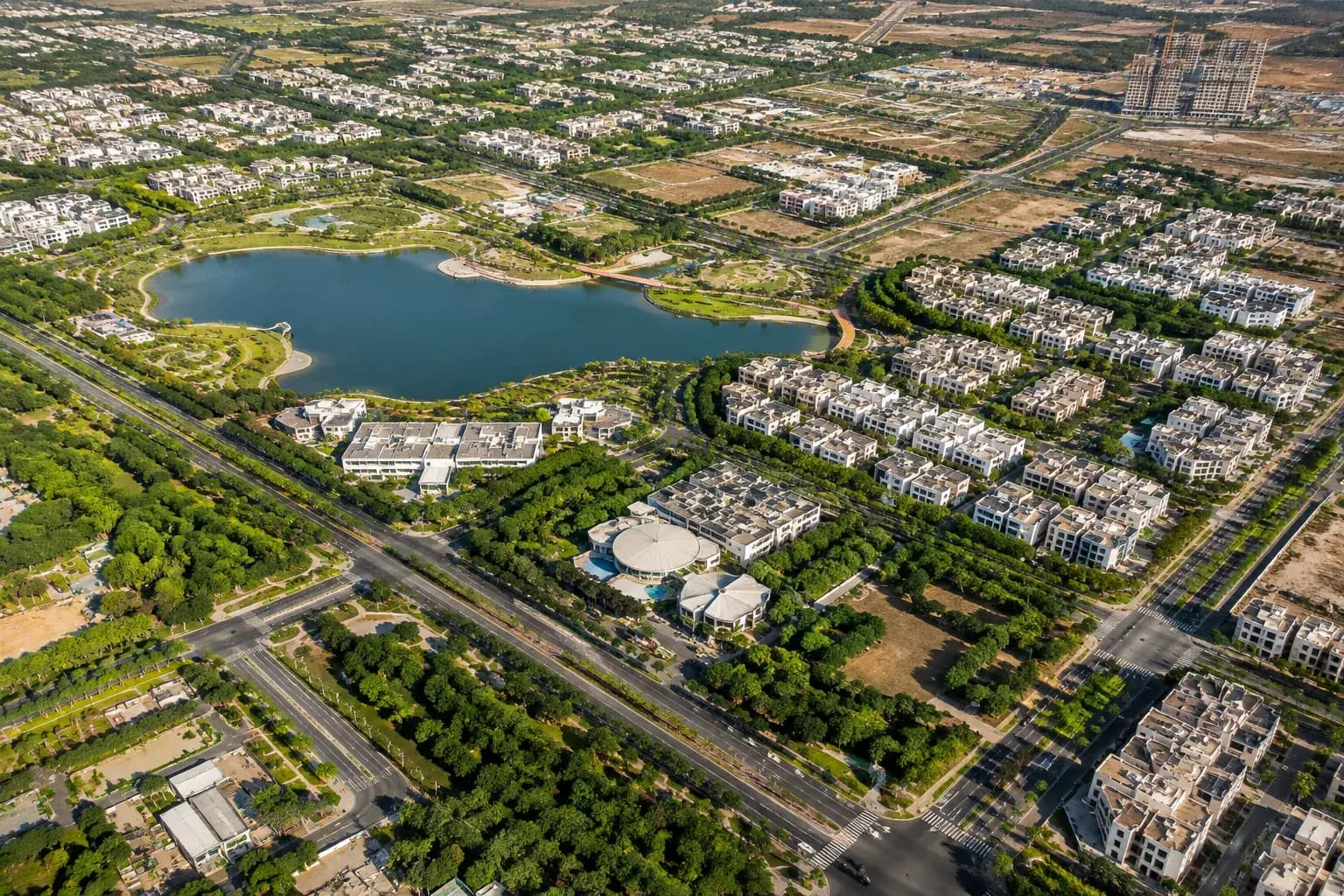
Execution and commissioning: turning a park drawing into a built garden.
Execution builds the park in the right sequence (earthwork and services first, hardscape next, planting last) and hands it over only after an establishment period on site.
What it is
Sequence is what separates a park that lasts from one that is rebuilt in three years. Earthwork and grading come first, then drainage, water supply, irrigation lines and electrical conduits, then hardscape and edging, then soil placement and planting, and finally the establishment period during which the planting is watered and gaps are filled. Doing this out of order means trenching through finished lawn and paving.
KIPL executes to the approved drawings with quality control at the points that matter (imported soil quality, sapling and plant grade, subgrade compaction under paving, irrigation pressure testing before backfill) and hands over with as-built drawings, plant schedules and a maintenance manual. Commissioning is a documented event, not simply the day the site is vacated.
What you get
The deliverables, in hand.
- Authority
- Execution to approved drawings · defined establishment period
- Typical timeline
- Months by area and scope; planting timed to the season
- Earthwork, grading and drainage to the approved levels
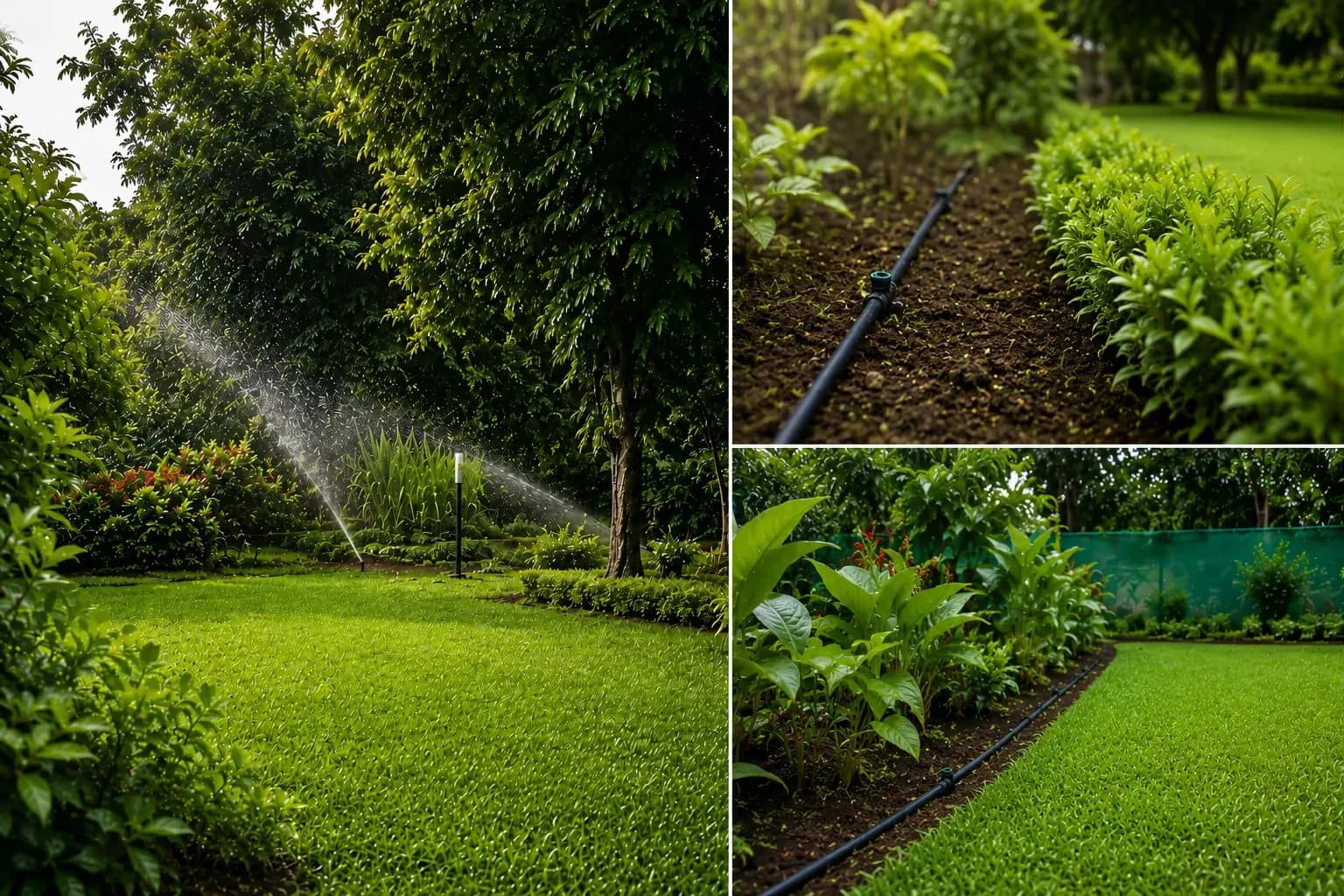
- Water supply, irrigation and electrical conduiting before surfacing
- Hardscape: paths, edging, seating, structures and surfacing
- Soil placement and planting to the approved schedule and grade
- Establishment-period watering, gap filling and snagging
- Handover with as-built drawings, plant schedule and maintenance manual
Straight answers
Garden Development & Execution: common questions.
01What is the correct sequence for building a garden?
Earthwork and grading, then drainage and buried services including irrigation and electrical conduit, then hardscape and edging, then soil and planting, then the establishment period. Planting before services is the most common and most expensive sequencing error on a park site.
02What is an establishment period?
The defined period after planting during which the contractor waters, weeds, replaces failures and completes snagging before the garden is handed over. It is what converts a planted site into a functioning garden, and it should be a priced, time-bound part of the contract rather than an informal understanding.
03How is plant quality controlled?
By specifying species, size, container grade and hardening status, then inspecting stock at the nursery and again on arrival, and rejecting material that does not meet it. Root-bound, unhardened or wrongly identified plants brought onto site are difficult to argue about after they are planted.
04Is imported soil checked?
It should be. Garden soil is often the largest unseen variable in a park contract, and poor soil undermines everything planted in it. Texture, organic content, pH, salinity and freedom from weed seed, debris and contamination are worth verifying before spreading rather than after.
05When is the best time to plant a park?
Planting is timed to the season (for most Indian sites, at the onset of or during the monsoon) so establishment runs on natural rainfall. The construction programme is planned backwards from that window, since hardscape and services can be built in any season but planting cannot.
06What is handed over at commissioning?
As-built drawings including buried services, the plant schedule as actually planted, irrigation system details and operating instructions, warranties on equipment, and a maintenance manual setting out the regime the garden needs. Without the as-built service drawings, the first maintenance excavation becomes guesswork.
07Who is responsible for plants that die after handover?
It depends on what the contract says. Typically failures within the establishment or defects period are replaced by the contractor, and thereafter responsibility sits with whoever holds the maintenance contract. Making that boundary explicit at contract stage avoids the most common post-handover dispute.
Within Public Gardens & Biodiversity Parks
Part of the whole route, the other components.
Relevant proof
Where this stage has already been delivered.

MCGM · Eastern Suburbs, Mumbai
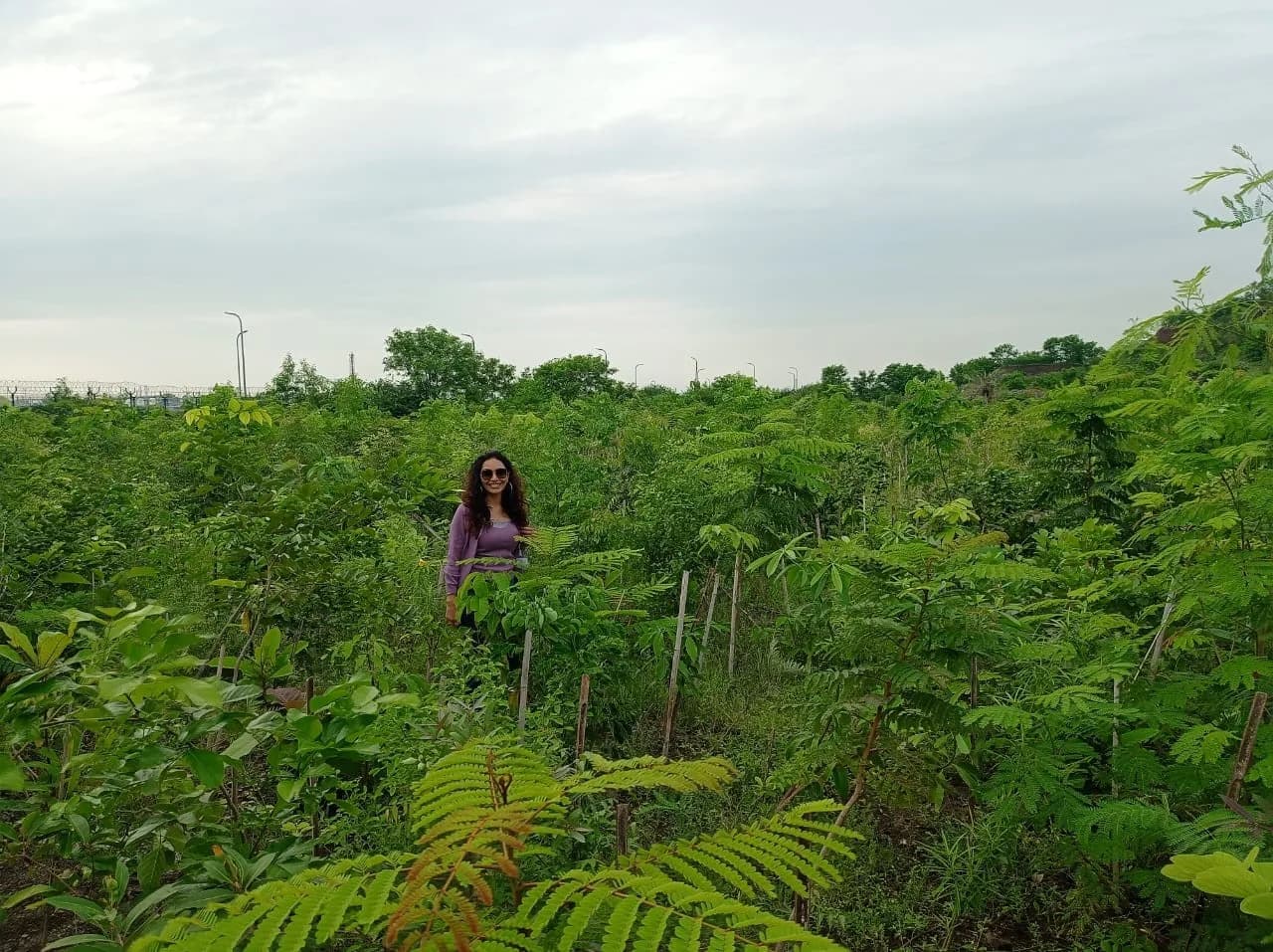
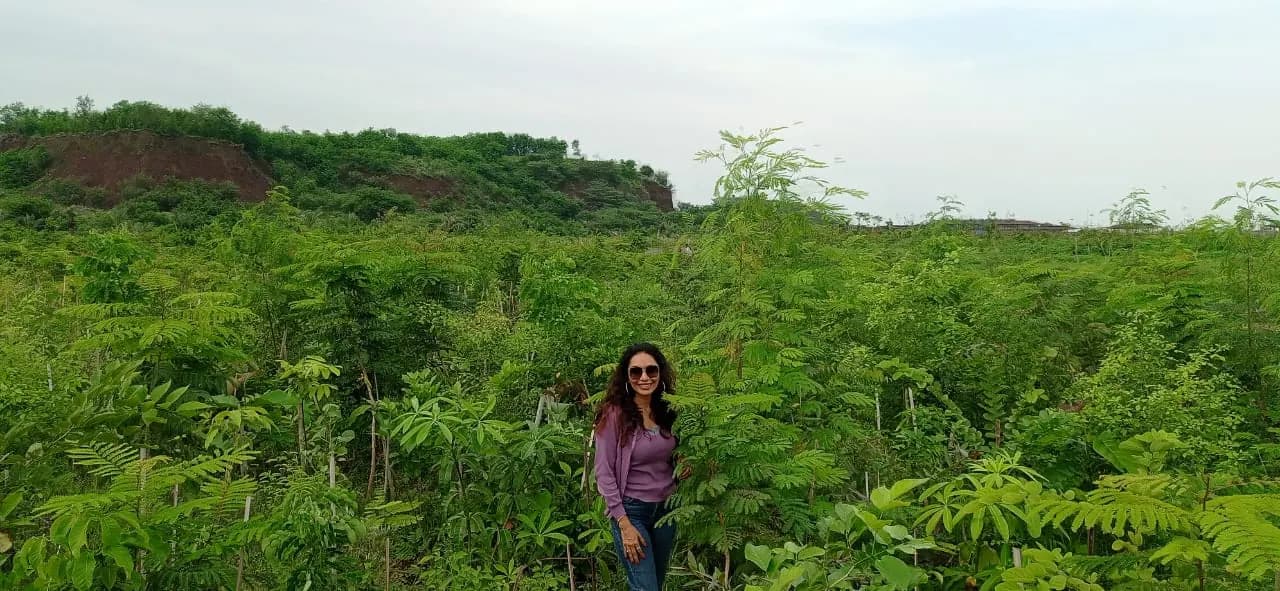
MCGM GARDEN DEVELOPMENT- MIYAWAKI PLANTATION
Miyawaki dense forestation across 27 locations in 7 wards using native species, delivered under the municipal greening programme.
Where we do this
Public Gardens & Biodiversity Parks on the ground.
The authority, the timeline and the local ground differ by city. These pages set out how public gardens & biodiversity parks actually runs in each.
Featured projects
Work that carries its own evidence.
Our expertise
One team across the whole environmental brief.
Garden Development & Execution is one stage of one practice. Most projects need several, and the commitments made at clearance are the ones we build and maintain.
Who we do this for
Public Gardens & Biodiversity Parks reads differently by industry.
- 01
Municipal CorporationsCore
Garden design, execution and multi-year maintenance contracts are core civic procurement, audited on upkeep rather than on inauguration.
Public Gardens & Biodiversity Parks for Municipal Corporations - 02
Townships & Area Development
Recreational open space is both a planning-permission requirement and an EIA commitment; the parks have to be built, not just drawn.
Public Gardens & Biodiversity Parks for Townships & Area Development - 03
River & Water Missions
Riverfront parks are how a mission converts a cleaned stretch into public use that then protects it from being re-encroached.
Public Gardens & Biodiversity Parks for River & Water Missions
Trusted by
The organisations this work is done for.





In the press