









Ecological restoration: putting a degraded site back to a functioning habitat, not a tidy one.
Restoration is judged on whether the ecosystem functions again (soil, water, plants and the species that use them) which is a harder and slower test than whether the site looks green.
What it is
Ecological restoration returns a degraded site toward a self-sustaining natural state. It begins with what was lost: a baseline of the existing soil, hydrology, vegetation and fauna, read against a reference ecosystem for the region, so the target is a habitat that belongs there rather than a generic landscape. The work that follows is usually sequenced soil first, water second, plants third: because revegetation on compacted, contaminated or eroded ground simply fails, however good the planting plan.
KIPL restores against measurable ecological indicators rather than visual ones: native species establishment, canopy and ground cover, soil organic carbon, invasive load and the return of indicator fauna. Invasive removal is treated as a recurring programme rather than a one-off clearance, since a single pass guarantees their return, and monitoring runs long enough to show the system holding without intervention, which is the only honest definition of restored.
What you get
The deliverables, in hand.
- Authority
- Reference-ecosystem approach · state forest and biodiversity rules · EC conditions where applicable
- Typical timeline
- Multi-year: establishment is measured in seasons, not weeks
- Baseline ecological assessment against a regional reference ecosystem
- Soil and hydrology remediation plan, sequenced ahead of planting
- Native revegetation plan with species, densities and sourcing
- Invasive species removal programme, with repeat passes
- Monitoring framework on ecological indicators, not visual ones
- Periodic condition reporting through the establishment period
Straight answers
Ecological Restoration: common questions.
01How is restoration different from landscaping?
Landscaping produces an intended appearance and is maintained to keep it. Restoration aims at a functioning ecosystem that eventually maintains itself, which means native species, soil biology and hydrology matter more than layout, and success is measured on ecological indicators rather than on how the site looks in its first season.
02What is a reference ecosystem?
An existing, relatively intact example of the habitat type the site would naturally support, used as the target and the yardstick. Without one, restoration drifts toward whatever grows easily, which is frequently the invasive species the work was meant to remove.
03Why is soil work done before planting?
Because compacted, eroded or contaminated soil defeats planting regardless of species or density. Structure, organic matter, drainage and biology have to be capable of supporting growth before anything is put in the ground; planting first means paying for the plants twice.
04How long does restoration take?
Longer than a planting contract. Establishment runs over several seasons and the monitoring that proves the system is holding runs longer still. A programme that ends at handover has demonstrated planting, not restoration.
05Can a site be restored while it remains in use?
Often, in phases: restoring sections in sequence while operations continue elsewhere, with access controlled so new planting is not trampled or driven over. It is slower than closing the site, but it is usually the only version that actually happens.
Within Public Gardens & Biodiversity Parks
Part of the whole route, the other components.
Relevant proof
Where this stage has already been delivered.

MCGM · Eastern Suburbs, Mumbai
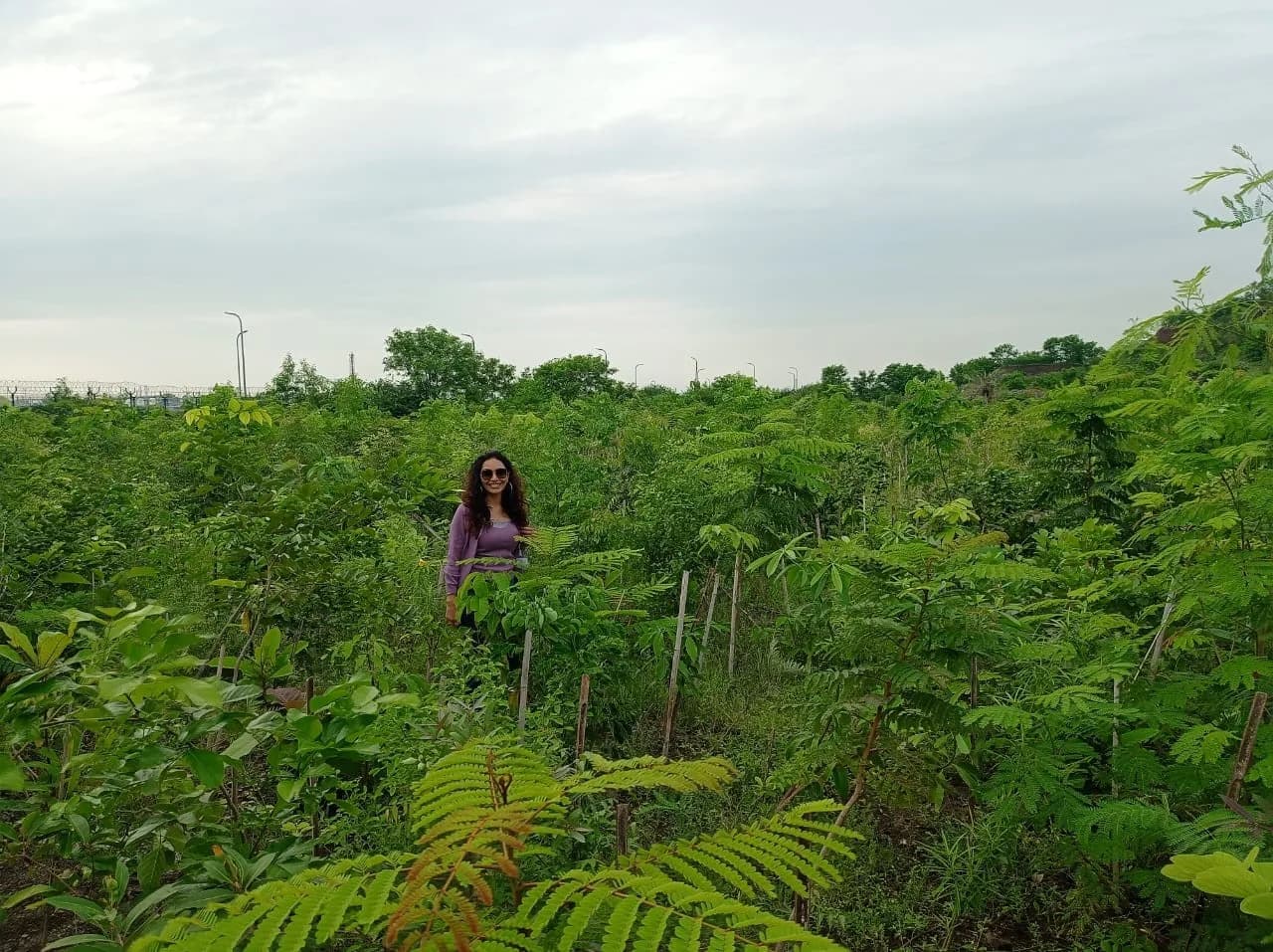
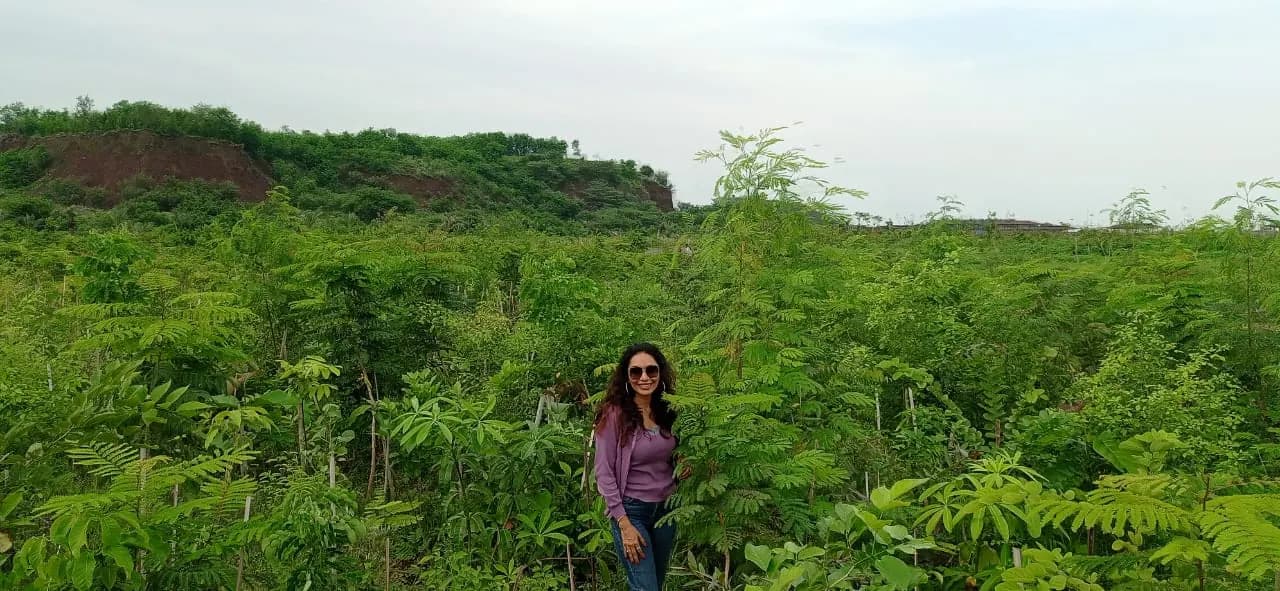
MCGM GARDEN DEVELOPMENT- MIYAWAKI PLANTATION
Miyawaki dense forestation across 27 locations in 7 wards using native species, delivered under the municipal greening programme.
Where we do this
Public Gardens & Biodiversity Parks on the ground.
The authority, the timeline and the local ground differ by city. These pages set out how public gardens & biodiversity parks actually runs in each.
Featured projects
Work that carries its own evidence.
Our expertise
One team across the whole environmental brief.
Ecological Restoration is one stage of one practice. Most projects need several, and the commitments made at clearance are the ones we build and maintain.
Who we do this for
Public Gardens & Biodiversity Parks reads differently by industry.
- 01
Municipal CorporationsCore
Garden design, execution and multi-year maintenance contracts are core civic procurement, audited on upkeep rather than on inauguration.
Public Gardens & Biodiversity Parks for Municipal Corporations - 02
Townships & Area Development
Recreational open space is both a planning-permission requirement and an EIA commitment; the parks have to be built, not just drawn.
Public Gardens & Biodiversity Parks for Townships & Area Development - 03
River & Water Missions
Riverfront parks are how a mission converts a cleaned stretch into public use that then protects it from being re-encroached.
Public Gardens & Biodiversity Parks for River & Water Missions
Trusted by
The organisations this work is done for.





In the press