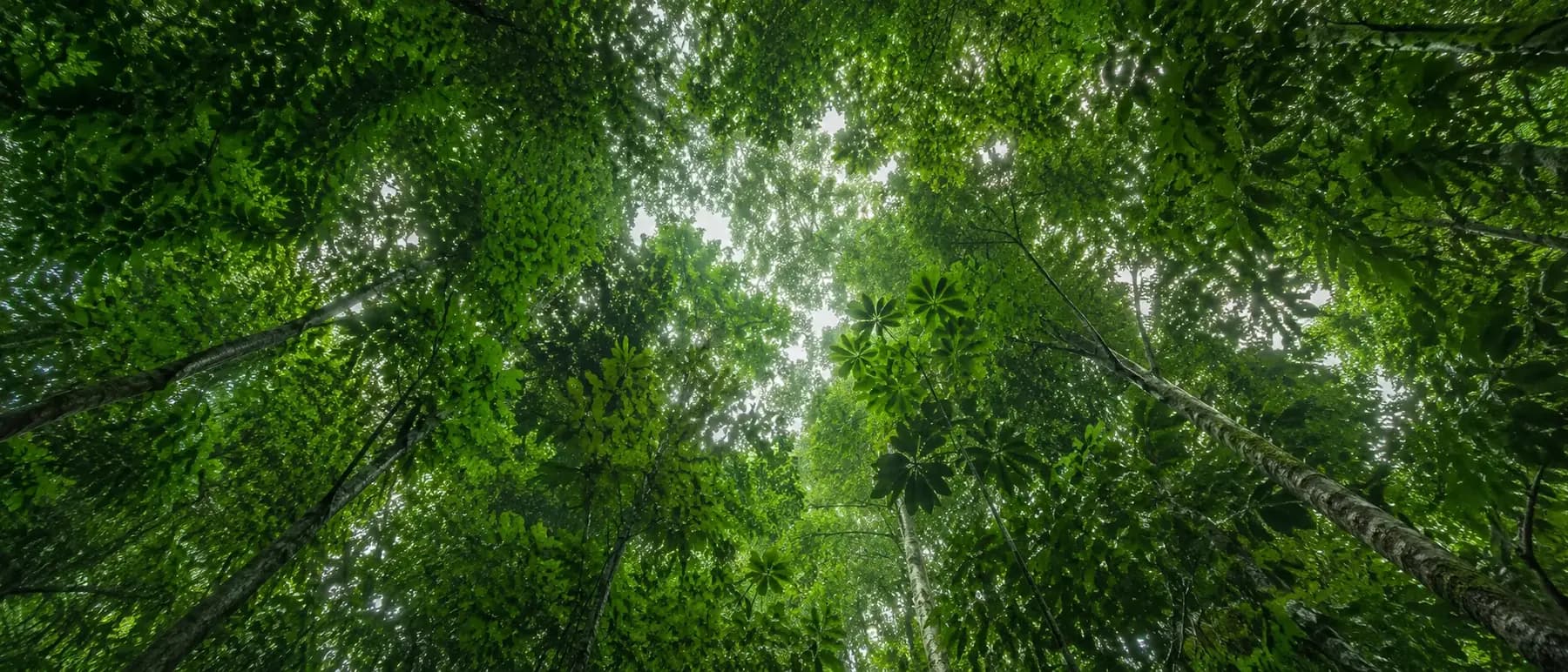
Green ZoneA path through an MCGM Miyawaki plantation, MumbaiMCGM GARDEN DEVELOPMENT- MIYAWAKI PLANTATION
Miyawaki dense forestation across 27 locations in 7 wards using native species, delivered under the municipal greening programme.

Applied Research & Environmental Intelligence
We build environmental assets, then measure them for years. So the advice we give is advice our own field data can defend. That evidence base is the practice: survival records, effluent series, impact surveys and benchmarks, available as studies, frameworks and licensable data.
Our expertise
Most environmental data is collected once, to clear a gate, and then filed. The parameters that mattered at approval are never read again, and nobody can say whether the mitigation worked. That is the gap this practice exists in.
KIPL is unusual in holding both ends: the team that argues the clearance is the team that builds what the clearance commits you to, and then stays to monitor it. So the data is not a literature review, it is a record of our own delivered work, gathered under a fixed protocol, across seasons, at sites we are still responsible for.
What that produces is usable beyond the project that funded it: benchmarks for a regulator, an evidence base for a fund’s diligence, a survival curve a city can plan against, a study for a question with no standard answer.

What we produce

The same site revisited season after season, so a three-year outcome is read at three years and not asserted at handover.
In this practice
The evidence
95%
Measured sapling survival
Tracked across Maharashtra plantations: the research wing's longest-running dataset, not an estimate at handover.
up to 300%
More species than conventional planting
The Miyawaki dense method brings multi-layer biodiversity into the same footprint.
up to 30×
More CO₂ absorbed
A dense native stand sequesters far more carbon than isolated avenue trees.
3,000%
Increase in noise & dust isolation
Layered canopy and understorey turn a plot into an acoustic and particulate buffer.
up to 13%
Urban heat-island cooling
Shading of homes and streets measurably lowers local temperature.
2–3 yrs
To a self-sustaining forest
Miyawaki stands close canopy and need no maintenance after roughly three years. Verified, then handed back.
The protocol
01
Before anything is planted or built, the measurable parameters are fixed (survival, canopy, soil hydraulics, air and noise, biodiversity, carbon), so the outcome can be judged, not asserted.
02
A research plan gathers data across seasons and years (the same site revisited, monsoon after monsoon) because a three-year outcome cannot be read at handover.
03
At the close of the research period the data is analysed and the results documented: the dataset that either proves the design or corrects it.
Impact measurement
Environmental and social parameters are surveyed before and after execution, and mapped to the UN Sustainable Development Goals, so the result lands in the language a disclosure, a lender or a municipal council is already working in.
3
Good Health & Well-being
11
Sustainable Cities & Communities
13
Climate Action
15
Life on Land

Geographic scope
The approvals, water and green-infrastructure practices operate where the firm holds accreditation and plants: Maharashtra, with Gujarat and Goa alongside. Applied research is not bound the same way. A monitoring protocol, a survival dataset or an MEL framework is method rather than licence, and the climatic and regulatory conditions our Indian sites sit in recur across South Asia, the Gulf and East Africa. Commissioned studies, impact measurement and dataset licensing are undertaken for clients, funds and institutions in:
India
Maldives
United Arab Emirates
Saudi Arabia
Qatar
Bahrain
Kenya
Nigeria
Singapore
Bangladesh
Sri Lanka
United Kingdom
Country-level pages are in preparation. Until then, enquiries from any of these markets are handled directly by the research wing.
Projects
Live questions
Field data
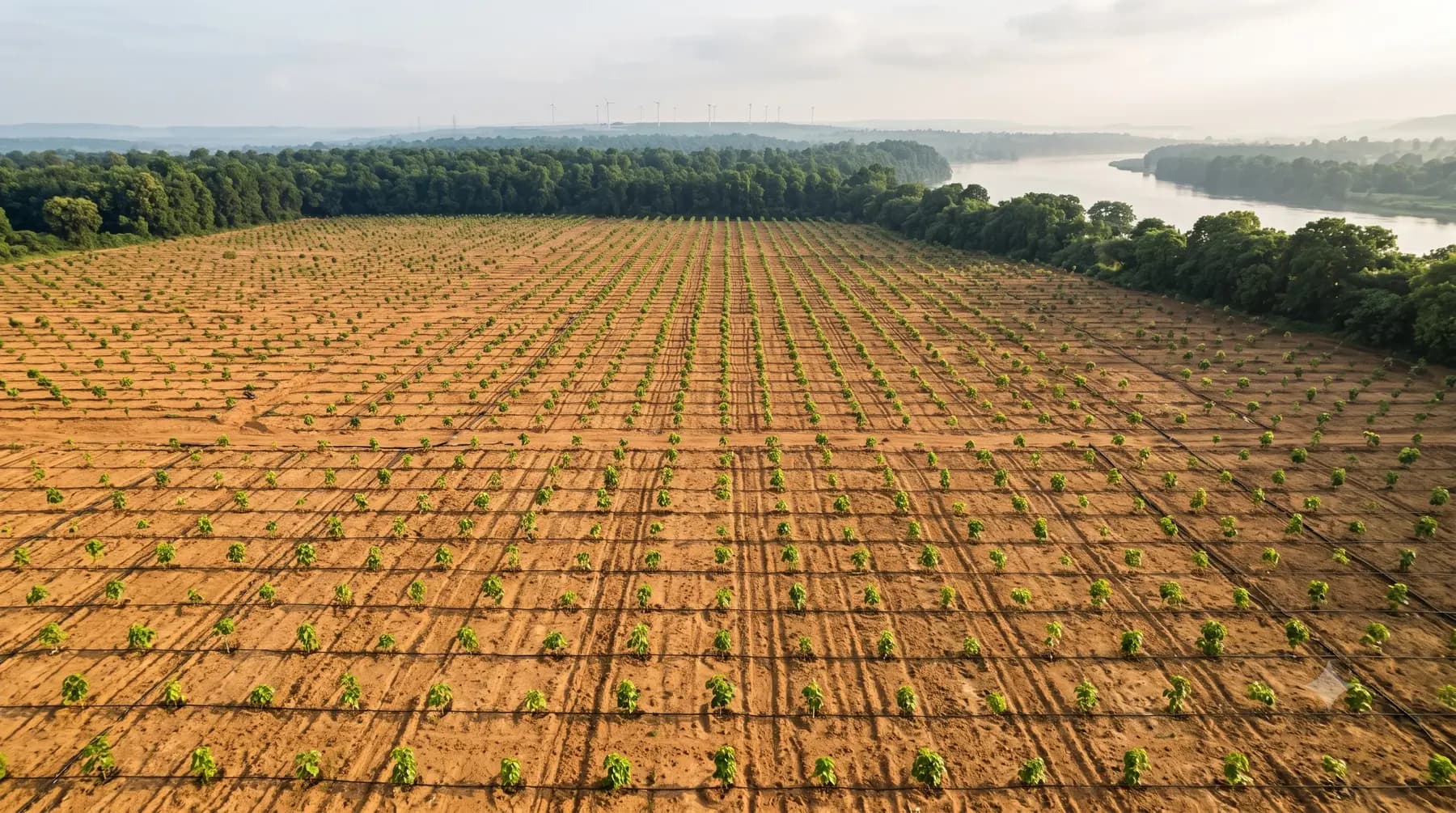
Tracking sapling survival across Mumbai's Eastern-Suburb gardens: the protocol behind the 95% figure.
Benchmark
Where files actually wait, gate by gate, from Form-1 to EC grant.
Study in progress
Commissioning is the start, not the finish: effluent quality across operating plants.
The work behind the data
Straight answers
KIPL evaluates plantation survival and performance data to understand survival rates, growth patterns, species performance and site-specific factors. This helps move plantation programmes from simply counting trees to measuring their actual performance.
Yes. KIPL uses monitoring, evaluation and learning frameworks to identify trends, understand what is working, highlight gaps and translate environmental data into practical improvements.
Yes. KIPL undertakes commissioned environmental studies and applied research tailored to specific project requirements, environmental challenges and site conditions.
Yes. KIPL develops technical studies, research reports and white papers led by experienced environmental professionals and subject-matter experts with expertise across environmental assessment, data analysis, water and wastewater management, ecology, pollution control and regulatory frameworks. Our work is based on structured methodologies, reliable environmental data, available scientific evidence and appropriate analytical approaches: ensuring that findings are technically robust, transparent and defensible.
Potentially, yes. KIPL can help assess, structure and manage environmental datasets so that they can support future analysis, research, planning and decision-making, subject to applicable data rights and licensing conditions.
Data becomes valuable when it helps answer a decision. KIPL brings together monitoring information, datasets, research and analysis to identify patterns, emerging risks and actionable insights that can inform environmental and project decisions.
Commissioned studies, monitoring frameworks and dataset licensing are scoped directly with the research wing.