








Plantation execution: planting a Miyawaki forest at three to five saplings per square metre.
Execution is where the Miyawaki design becomes a forest: saplings of every layer planted randomly at three to five per square metre, staked, mulched and watered through the first establishment period.
What it is
Miyawaki planting is dense and deliberately random. Saplings from all four layers are mixed and placed at roughly three to five per square metre so that they compete for light and grow upward quickly, closing the canopy in a few seasons. Placement is not in rows; the mixture is distributed so no species clusters. Each sapling is staked, the plot is mulched, and irrigation is arranged for the establishment phase.
KIPL executes the plantation with hardened saplings of the specified age and species, plants within the correct season window for the region, and supervises the mechanics that decide survival: collar depth, root-ball integrity, staking, mulch cover and the first watering cycle. The density means mistakes are not individually recoverable, so the discipline is applied at the point of planting.

What you get
The deliverables, in hand.
- Authority
- Miyawaki method · 3-5 saplings per square metre
- Typical timeline
- Days to a few weeks of planting, inside the seasonal window
- Sapling procurement to the approved species matrix, with quality inspection
- Site layout, pit marking and random multi-layer distribution
- Planting at the specified density, with correct collar depth and staking
- Mulching of the full plot after planting
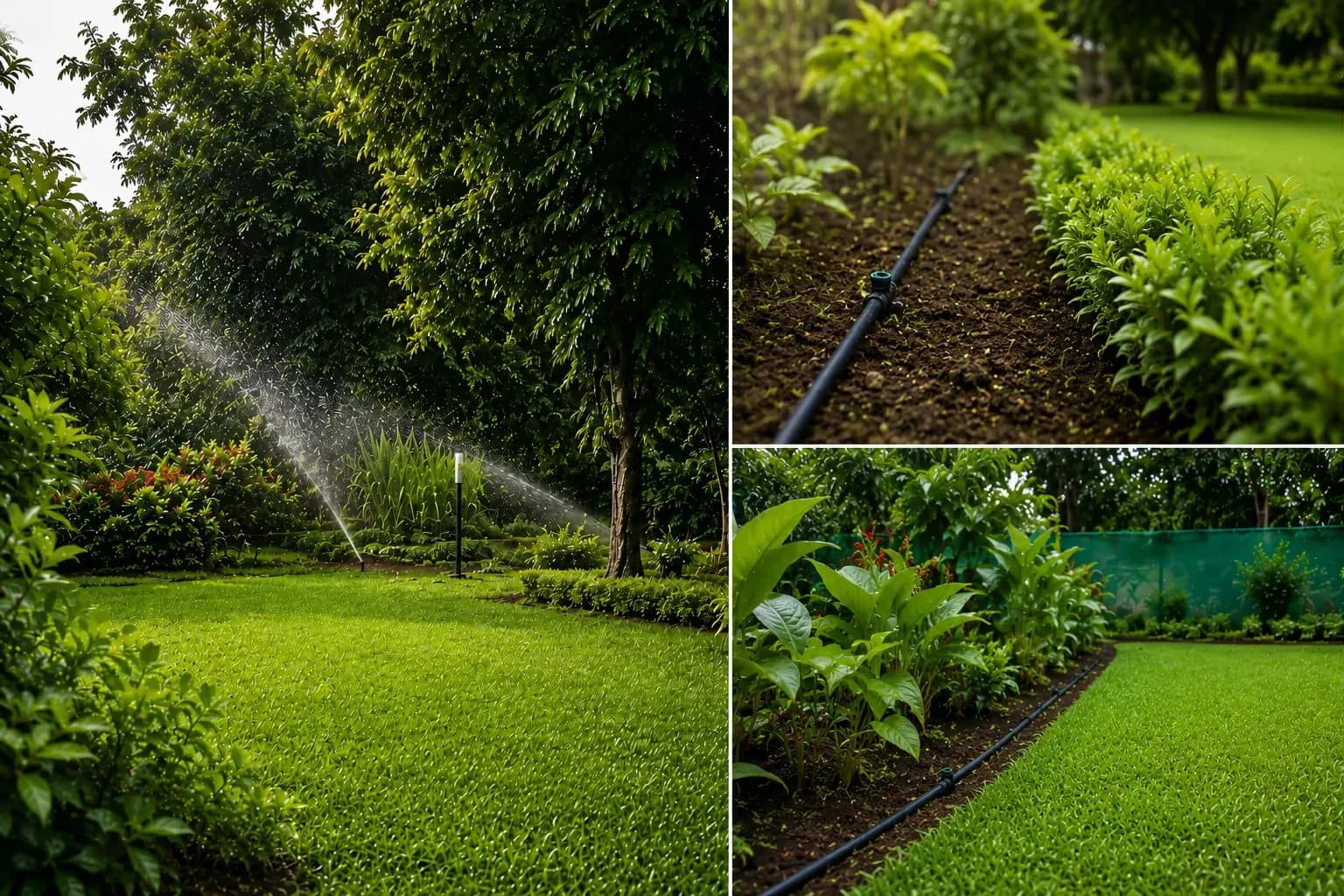
- Irrigation arrangement for the establishment phase
- Planting record: species, counts and layout as executed
Straight answers
Miyawaki Plantation Execution: common questions.
01Why are saplings planted so close together?
Density is the mechanism. At three to five saplings per square metre the plants compete for light and put their energy into vertical growth, closing the canopy in a few seasons. The closed canopy then shades out weeds and holds moisture, which is what allows the plot to become self-sustaining.
02Is it a problem that some saplings will not survive?
Natural thinning is expected and is part of how a dense plantation matures, not every sapling in a forest reaches the canopy. What matters is whether the plot closes canopy and stratifies. This is also why credible practitioners do not quote a guaranteed survival percentage for individual saplings.
03When is the right season to plant?
For most of India, planting is timed to the onset of the monsoon so the establishment period runs through natural rainfall. Where irrigation is assured, other windows are workable, but monsoon planting reduces establishment stress and water cost substantially. The window is short, so soil work must be finished before it opens.
04What size of sapling is used?
Young, hardened saplings, typically raised in bags and about knee height: rather than large nursery stock. Small plants transplant with less shock, establish roots faster and are what the method assumes. Large specimen plants at Miyawaki density would be both wasteful and counterproductive.
05How is the area and sapling count worked out?
The net plantable area is measured after deducting paths, services, setbacks and existing trees, and the count follows from the density, three to five saplings per square metre of net area. Species-wise counts then come from the proportions in the approved species matrix.
06How does this compare with conventional plantation in cost?
Per square metre a Miyawaki plot costs more upfront, because of the soil work and the number of saplings. Over the life of the plot the position reverses: conventional landscape planting carries permanent maintenance, while a Miyawaki plot needs care for two to three years and then very little. The comparison should be made over the whole period, not at planting.
07Can a Miyawaki plot be created on a small site?
Yes. The method scales down well and has been used on plots of a few hundred square metres in schools, campuses and residential layouts. Below a certain size the plot behaves more like a dense thicket than a forest, but the ecological and microclimate benefits still hold.
Within Miyawaki Urban Dense Forestation
Part of the whole route, the other components.
Relevant proof
Where this stage has already been delivered.

MCGM · Eastern Suburbs, Mumbai
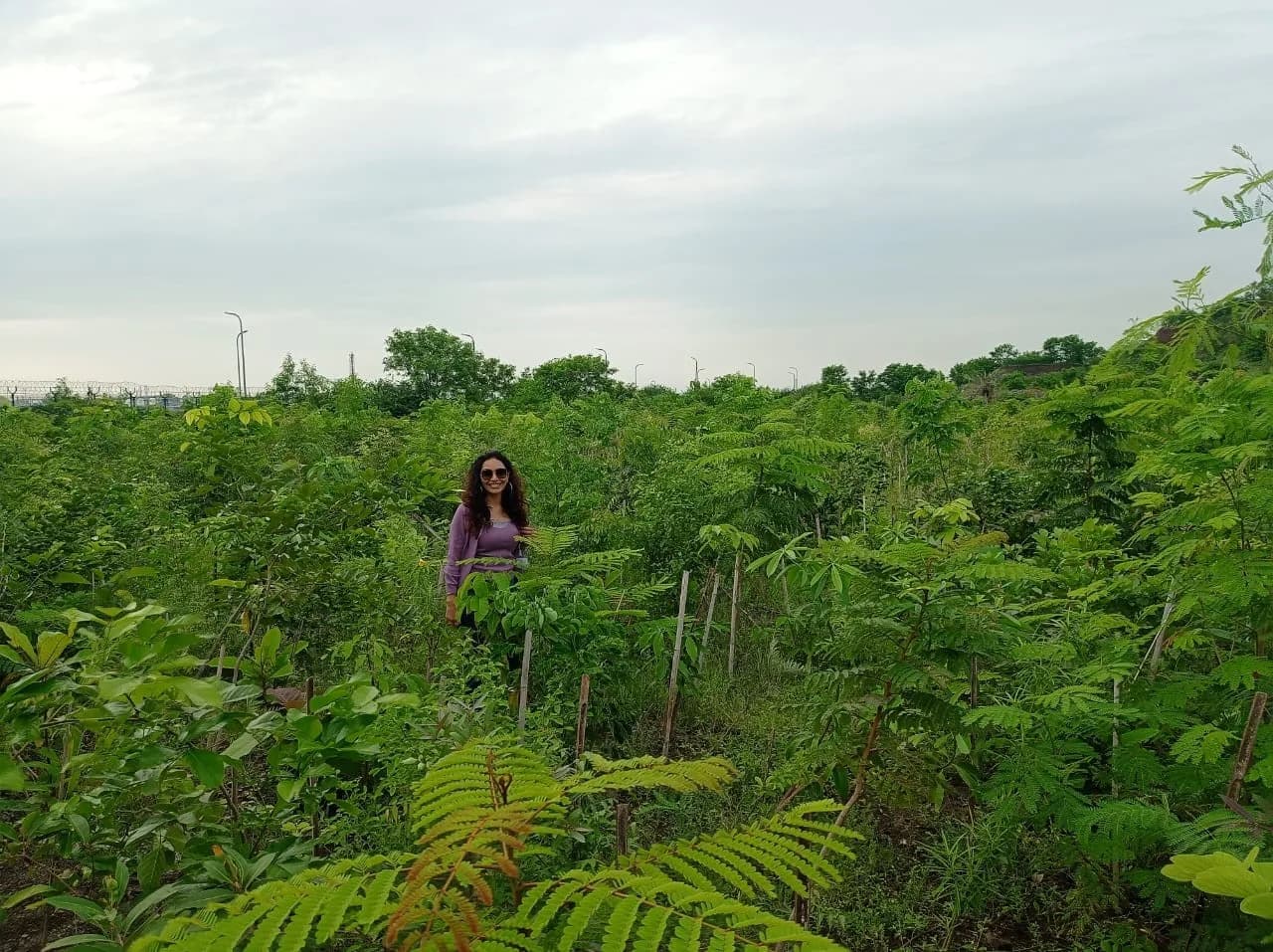
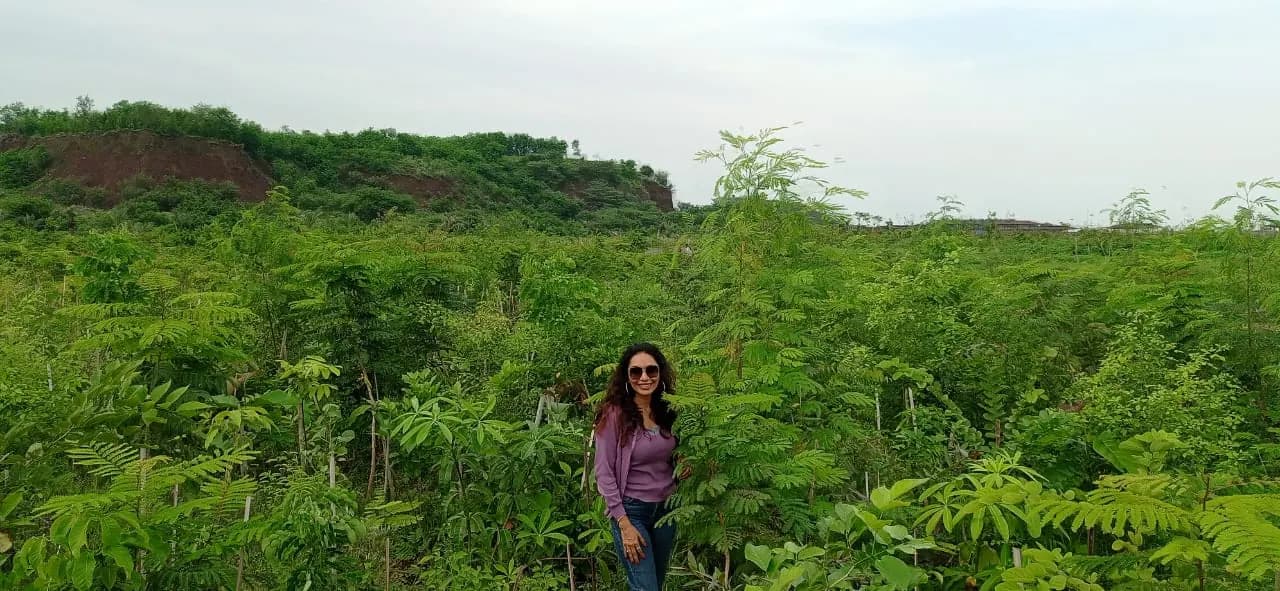
MCGM GARDEN DEVELOPMENT- MIYAWAKI PLANTATION
Miyawaki dense forestation across 27 locations in 7 wards using native species, delivered under the municipal greening programme.
Where we do this
Miyawaki Urban Dense Forestation on the ground.
The authority, the timeline and the local ground differ by city. These pages set out how miyawaki urban dense forestation actually runs in each.
Featured projects
Work that carries its own evidence.
Our expertise
One team across the whole environmental brief.
Miyawaki Plantation Execution is one stage of one practice. Most projects need several, and the commitments made at clearance are the ones we build and maintain.
Who we do this for
Miyawaki Urban Dense Forestation reads differently by industry.
- 01
Municipal CorporationsCore
Urban forest programmes are commissioned at ward scale and answered for in public, which makes measured survival the deliverable.
Miyawaki Urban Dense Forestation for Municipal Corporations - 02
Corporate CampusesCore
A campus urban forest is the visible half of a net-zero commitment, and its survival and sequestration data feeds the parent's disclosure.
Miyawaki Urban Dense Forestation for Corporate Campuses - 03
Real Estate & Construction
Dense native planting meets the tree-count and green-cover conditions of an 8(a) clearance on plots that have no room for conventional avenue planting.
Miyawaki Urban Dense Forestation for Real Estate & Construction - 04
Townships & Area Development
Dense native forestation delivers the township's committed tree count and green cover far faster than avenue planting across phased land.
Miyawaki Urban Dense Forestation for Townships & Area Development - 05
Hospitality, Healthcare & Education
Dense native pockets deliver measurable green cover on a constrained campus and give an education client a living teaching asset.
Miyawaki Urban Dense Forestation for Hospitality, Healthcare & Education - 06
Chemical Industry
Dense native planting is how a plot-constrained MIDC unit reaches its committed green belt area and canopy density within a compliance horizon.
Miyawaki Urban Dense Forestation for Chemical Industry - 07
Distilleries & Ethanol
Dense native planting builds the odour-buffer canopy quickly, which matters when the public hearing objection was about smell.
Miyawaki Urban Dense Forestation for Distilleries & Ethanol - 08
Sugar Industry
Dense native planting closes the green belt gap on a mill campus quickly, ahead of the next compliance report rather than the next decade.
Miyawaki Urban Dense Forestation for Sugar Industry
Trusted by
The organisations this work is done for.





In the press