










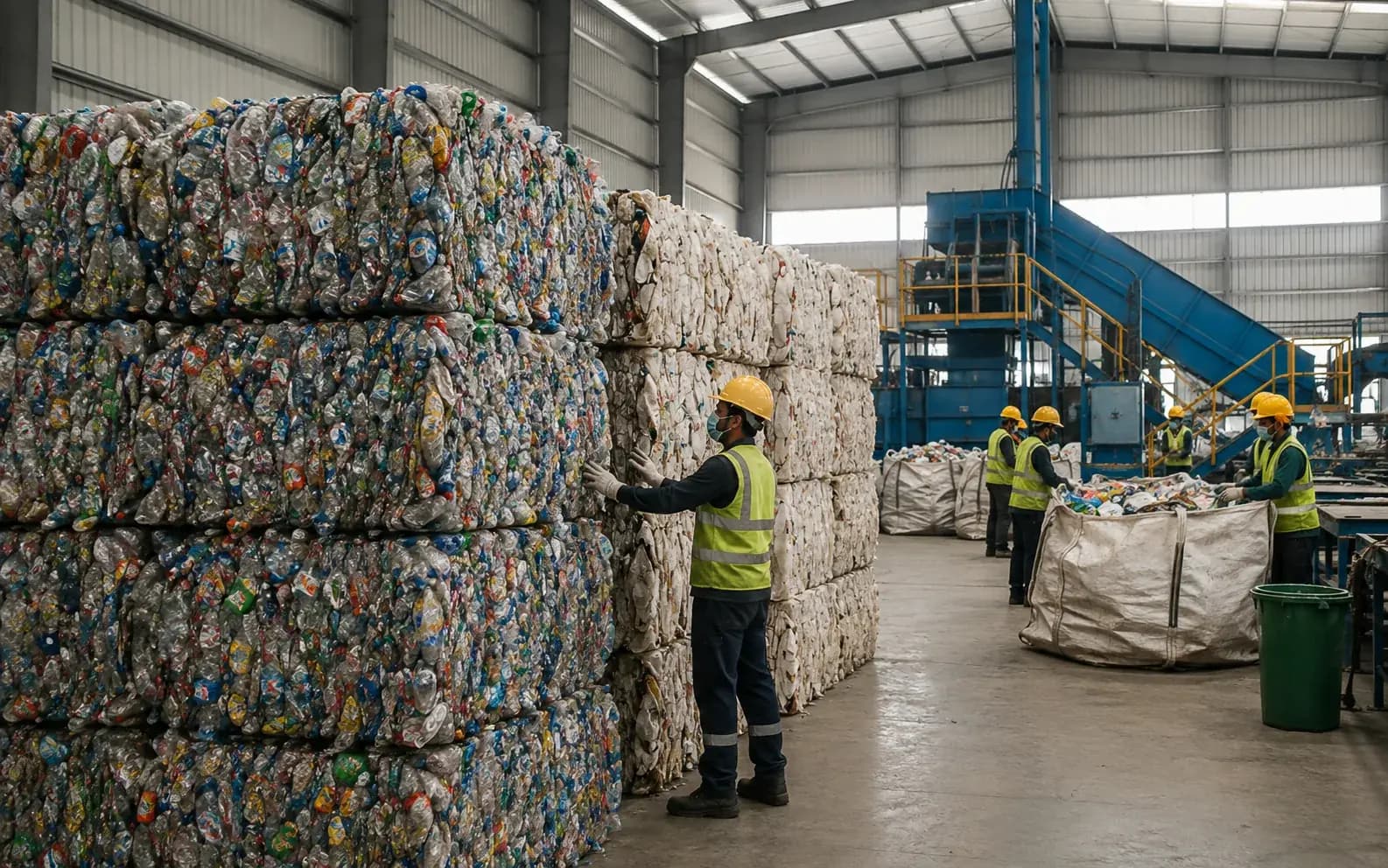
Extended Producer Responsibility consultants in Uran.
Extended Producer Responsibility in Uran, on the ground where the work actually is, the JNPA port, the container freight stations along its approach roads and the ONGC plant beside the Uran creeks, carried by one accredited team, from the first baseline to the signed-off report.
Why Uran
The local ground extended producer responsibility sits on.
- Decided with
- MPCB Raigad · JNPA · CIDCO · MCZMA · SEIAA Maharashtra · CPCB (EPR) · SEBI (BRSR)
- Local ground
- The JNPA terminals at Nhava Sheva, the CFS and warehousing belt around Dronagiri and Jasai, and the ONGC Uran plant
- Typically for
- Producers, importers, brand owners & recyclers
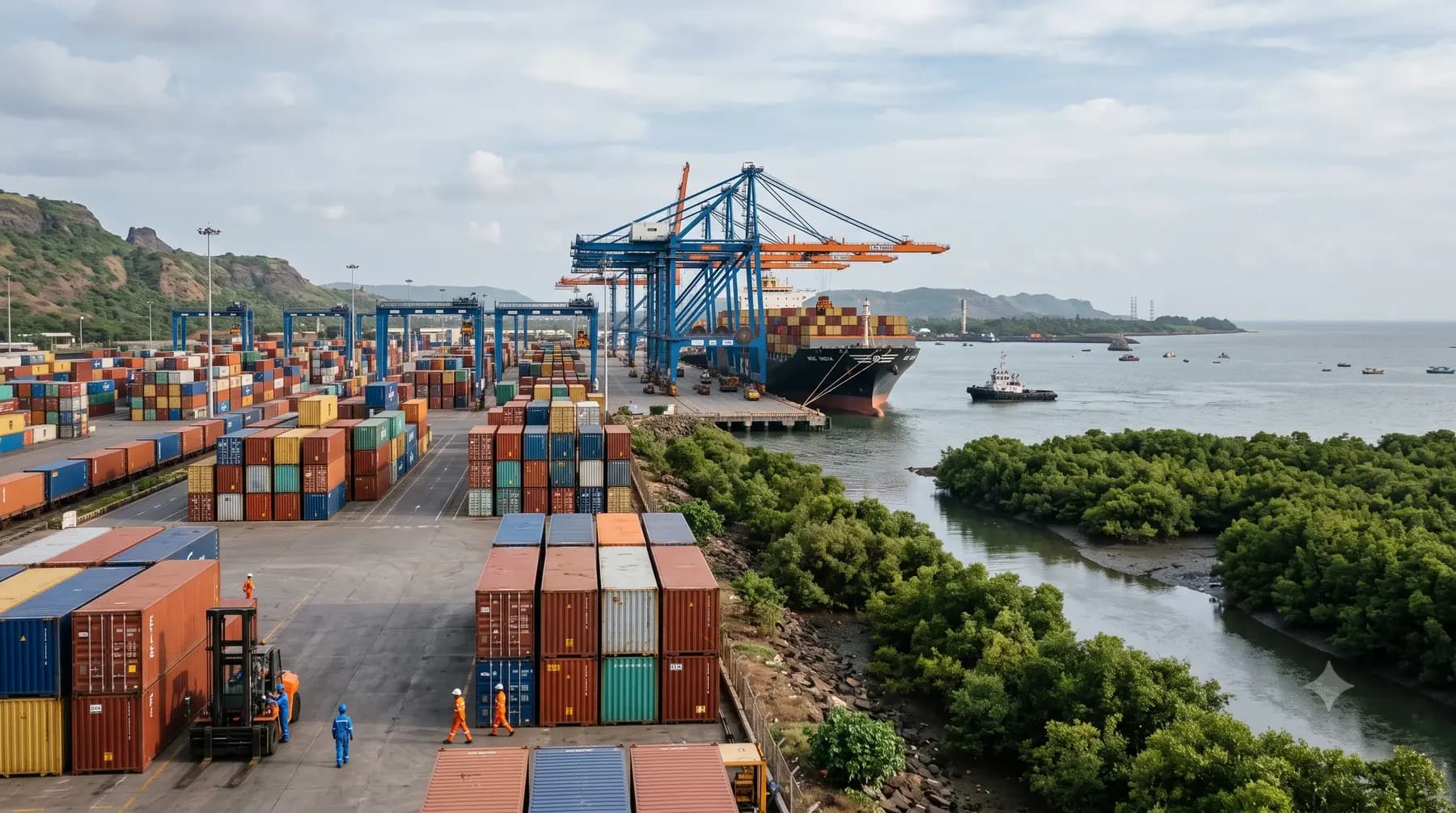
Uran holds the country's busiest state-run container port, and most of the town's compliance work follows it. The terminals at Nhava Sheva, the container freight stations and warehouses along the roads to Dronagiri and Jasai, the ONGC plant that processes oil and gas from the Mumbai offshore fields, and the tank farms around them all run on consents, clearances and returns. Much of this land was reclaimed from creek and mudflat. Compliance here means answering to the port, CIDCO and MPCB at once: on sites that sit beside mangrove and tidal water.
EPR obligations at Uran follow the containers. Importers whose goods land at Nhava Sheva (electronics, batteries, tyres, packaged consumer goods) generally carry producer obligations under CPCB's rules, wherever their office sits. Warehouses and CFS operators around JNPA, meanwhile, generate stretch film, strapping and damaged packaging, and some repack goods under a brand's name. We work out who in the chain holds the obligation, register on the right portal, and file returns against real certificates from registered processors. The work is carried from our base in the region by named people, start to finish, not passed down a chain.
Extended Producer Responsibility · Uran
If your product becomes waste, the law now follows it there. EPR is where you account for that.
Local demand
What drives extended producer responsibility in Uran.
The second driver is the port's customers. The shipping lines and terminal operators working at Nhava Sheva belong to global groups with published carbon targets, and they now ask their Indian partners (hauliers, CFS operators, warehouse owners) for fuel, electricity and emissions data. The Harit Sagar green-port guidelines of the Ministry of Ports, Shipping and Waterways push JNPA in the same direction. Importers clearing goods at Uran meet EPR too: the importer of plastic packaging, electronics or batteries generally carries the obligation, not the port.
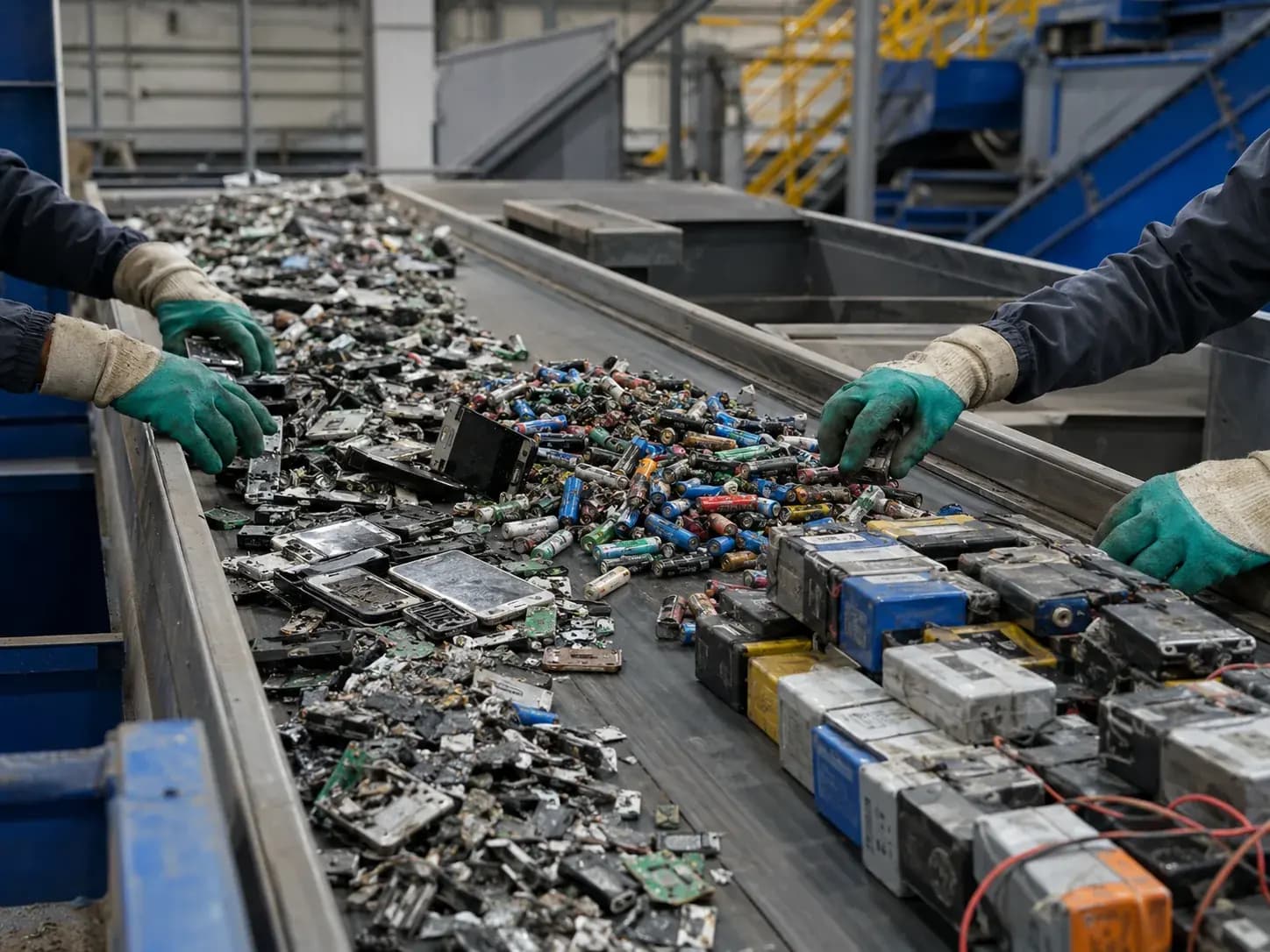
Nhava Sheva handles a large share of India's containerised imports, and more of what is inside those containers now falls under an EPR regime: consumer electronics, lithium batteries, tyres and nearly everything in plastic packaging. Small importers who clear a few containers a year through a customs broker in Uran are often the least aware of it. CPCB has issued environmental compensation against unregistered and under-performing producers. The practical question is whether an importer knows its obligation before the first consignment lands.
How it works
Extended Producer Responsibility, from baseline to sign-off.
- 01/04
Applicability
Which of the four EPR regimes apply (plastic, e-waste, battery, tyre) and in what role.
- 02/04
Registration
Registration on the relevant CPCB EPR portal, with the correct category and targets.
- 03/04
Obligation tracking
The annual EPR targets, credits and documentation tracked through the year.
- 04/04
Annual returns
The annual returns filed, and environmental-compensation exposure managed.
Proof
Comparable work we've delivered.
KwaliChem Pvt. Ltd. · TTC Industrial Area, Rabale, Navi Mumbai
EIA for Synthetic Organic Chemical Industry
CTE/CTO application, ToR application, baseline data collection, EIA report and appraisal before the EAC: Category 5(f), the sector KIPL holds Category A accreditation in.
The record
The work, project by project.
Mandate, method and measured outcome, written end to end for every project on this list.
Green zone development and maintenance across multiple client sites at Jamnagar, covering 120 acres. The wider Jamnagar portfolio also included Miyawaki plantation and maintenance of approximately 80,000 plants across 24,000 sq m.
Read the case studyOn the ground
Across Uran, and the belt around it.
Local means the node, not the pin on the map. We carry extended producer responsibility across the Uran nodes and the wider Mumbai Metropolitan Region: where the units, plots and projects actually sit.
Nodes we work across in Uran
Also across the Mumbai Metropolitan Region
Straight answers
Extended Producer Responsibility in Uran: common questions.
01We import a few containers of electronics a year through Nhava Sheva. Do we need EPR before the first shipment?
As a rule, yes. Under the E-Waste (Management) Rules, 2022, an importer placing electrical and electronic equipment on the Indian market counts as a producer and must register on CPCB's portal before selling. Targets follow the quantity imported. We register the business, set up the quantity records and arrange recycling certificates to meet the target.
02We run a CFS near JNPA. Which environmental approvals should we hold?
At the least, an MPCB consent to establish and to operate that matches the site's real activities (storage, container repair, washing, fuelling, DG sets) and a hazardous-waste authorisation if you handle used oil, residues or spilled cargo. Coastal-zone status and the land lease can add conditions of their own. We read the site and the papers together and close the gaps.
03How long does extended producer responsibility take in Uran, and who is involved?
MPCB Raigad · JNPA · CIDCO · MCZMA · SEIAA Maharashtra · CPCB (EPR) · SEBI (BRSR) are the bodies an Uran project works with. On timing: registration weeks; returns annual. KIPL sets out a realistic Uran schedule once the site and the scope have been read, and carries the work through to the outcome, with comparable work on the record such as EIA for Synthetic Organic Chemical Industry.
By industry
The same filing, read for your sector.
- 01
Chemical IndustryCore
Packaging in rigid and multilayer plastic brings the unit inside Plastic Waste EPR under the 2022 amendment, with annual returns and compensation exposure.
Extended Producer Responsibility for Chemical Industry - 02
Industrial & ManufacturingCore
Producers, importers and brand owners register on the CPCB portal across plastic, e-waste, battery and tyre regimes, and file annual returns.
Extended Producer Responsibility for Industrial & Manufacturing - 03
Data Centres & IT Parks
Server and battery refresh cycles bring the operator inside the E-Waste Rules 2022 and Battery Waste Rules 2022 as importer or bulk consumer.
Extended Producer Responsibility for Data Centres & IT Parks
In the press
Covers, features and conversations: the work, talked through.



Keep exploring
Where this connects.
The service
01Extended Producer Responsibility, in full: and the practices that run beside it.
- Extended Producer Responsibility: the full service
- Green Building Certification
- Post-EC Compliance
- Statutory Compliance Management
- Environmental Audits
Markets here
02The sectors this work is busiest in around Uran.
- Logistics & Ports
- Industrial Corridors & MIDC
- Group & Multi-Site Compliance
- ESG, BRSR & Carbon Reporting
Clients & partners
The work is trusted where the stakes are highest.
Two decades of clearances, treatment plants and green infrastructure delivered for India’s builders, industry and public bodies, and the global engineering firms beside them.





























































Sideways
Extended Producer Responsibility beyond Uran, and what else we do there.
Also in Uran
CGWA Groundwater NOCCivil EPCCRZ ClearanceCSR / CER AdvisoryEffluent Treatment PlantsEnvironment ClearanceEnvironment Management & Mitigation PlanEnvironmental AuditsESG Advisory & ReportingForest ClearanceGreen Belt Development for IndustriesGreen Building CertificationIntegrated Solid Waste ManagementMiyawaki Urban Dense Forestation
Extended Producer Responsibility in Uran? Start with where the project stands today.
One conversation to read the obligations in front of you and map what it takes to meet them.