










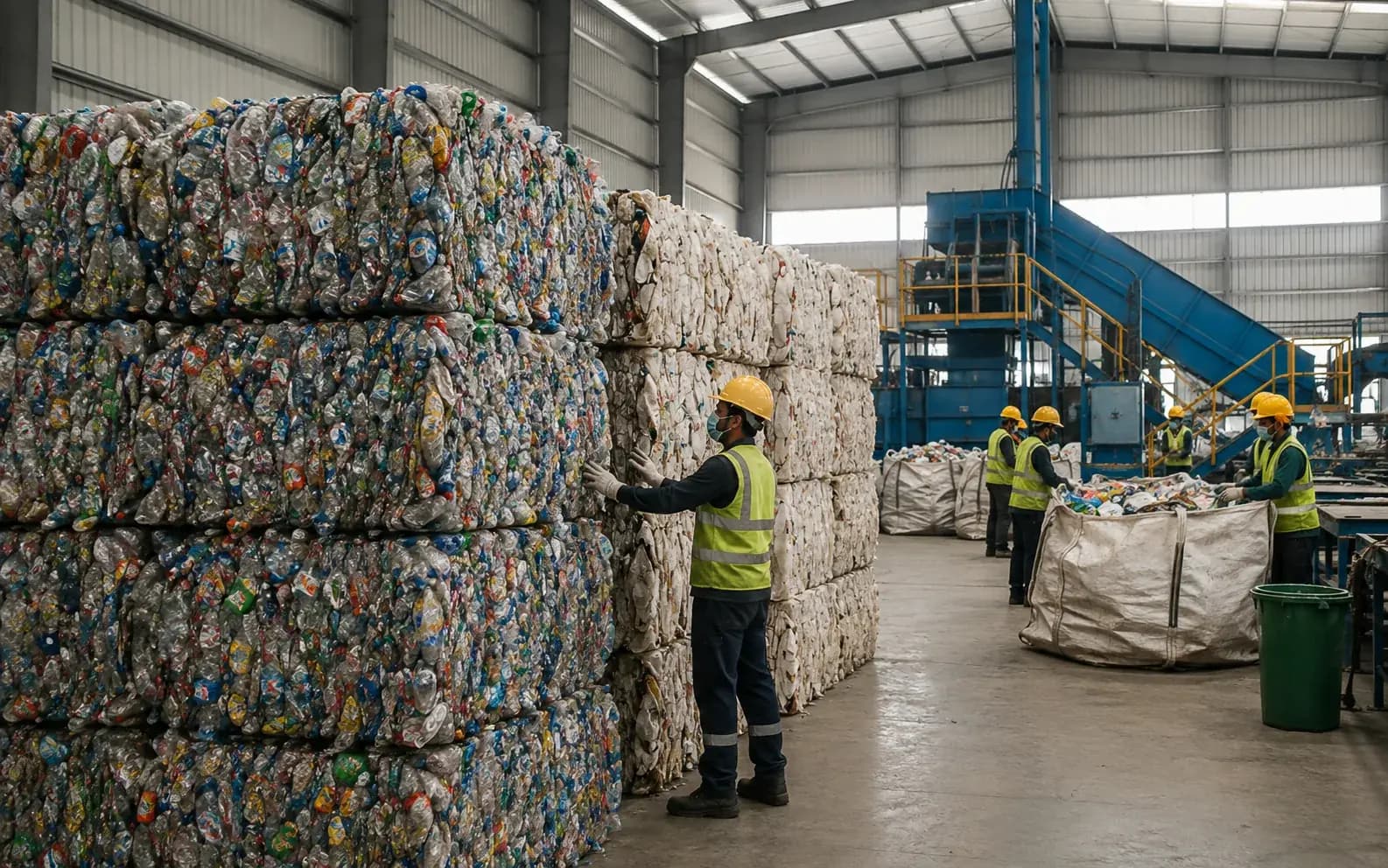
Extended Producer Responsibility consultants in Mumbai.
Extended Producer Responsibility in Mumbai, on the ground where the work actually is, the head offices of listed India and the industrial pockets still working inside the city, carried by one accredited team, from the first baseline to the signed-off report.
Why Mumbai
The local ground extended producer responsibility sits on.
- Decided with
- MPCB · SEBI (BRSR) · CPCB (EPR) · MCGM
- Local ground
- The Nariman Point, Lower Parel and BKC head-office districts and the Trombay, Andheri and Marol industrial pockets
- Typically for
- Producers, importers, brand owners & recyclers
Mumbai is where a great deal of India's environmental reporting is signed. The head offices of listed companies, banks and funds sit in Nariman Point, Lower Parel and the Bandra-Kurla Complex, and their BRSR disclosures, EPR returns and lender audits are prepared here even when the plants are elsewhere. The city also keeps working industry of its own (the Trombay and Mahul refinery belt, the Andheri and Marol MIDC estates, SEEPZ) and a construction pipeline that carries clearance conditions for years. Advisory work here moves between the boardroom and the site.
Many brand owners, importers and consumer companies are run from Mumbai, so EPR is often managed here even when the goods are packed elsewhere. Registration and annual returns sit on CPCB's centralised portals (separate for plastic packaging, e-waste, batteries and tyres) and the obligation follows the brand, not the factory gate. For an importer clearing goods through the city's ports or a consumer brand selling across it, the first task is the same: working out which regime applies, and in which category. The work is carried from our base in the region by named people, start to finish, not passed down a chain.
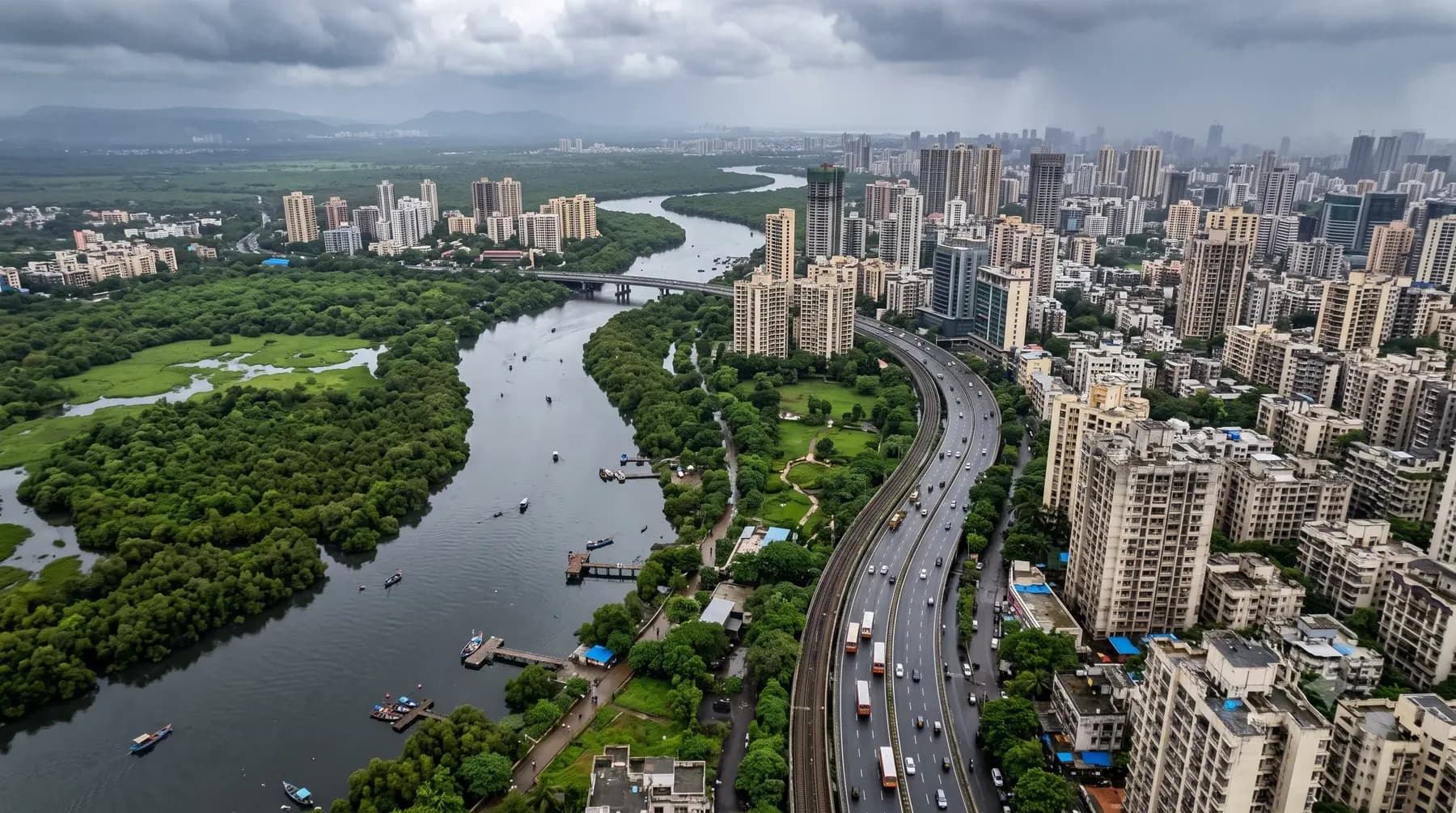
Extended Producer Responsibility · Mumbai
If your product becomes waste, the law now follows it there. EPR is where you account for that.
Local demand
What drives extended producer responsibility in Mumbai.
The second driver is the building stock itself. Redevelopment and commercial towers across the city carry Environment Clearance conditions, MPCB consents to operate and six-monthly compliance reports that run long after the ribbon is cut. MCGM's construction-dust guidelines, issued in 2023, put site practice under ward-level scrutiny, and the city's winter air keeps that scrutiny public. Corporate tenants want green-rated floors, and brand owners selling into the city carry EPR obligations on their packaging. Each of these is a recurring date with a named authority: and a neighbourhood that notices when it is missed.
Maharashtra's 2018 ban on single-use plastic and thermocol, enforced in Mumbai by MCGM squads at shops and markets, made packaging a local compliance question before national EPR targets tightened. Under the Plastic Waste Management Rules, brand owners must now meet recycling obligations through certificates from registered processors, and recycled-content obligations have begun to apply to rigid packaging. Electronics distributors in the Lamington Road trade and battery importers face parallel regimes. For many Mumbai firms the gap is not registration but the annual reconciliation of what they placed on the market.
How it works
Extended Producer Responsibility, from baseline to sign-off.
- 01/04
Applicability
Which of the four EPR regimes apply (plastic, e-waste, battery, tyre) and in what role.
- 02/04
Registration
Registration on the relevant CPCB EPR portal, with the correct category and targets.
- 03/04
Obligation tracking
The annual EPR targets, credits and documentation tracked through the year.
- 04/04
Annual returns
The annual returns filed, and environmental-compensation exposure managed.
Local proof
Comparable work, near you.
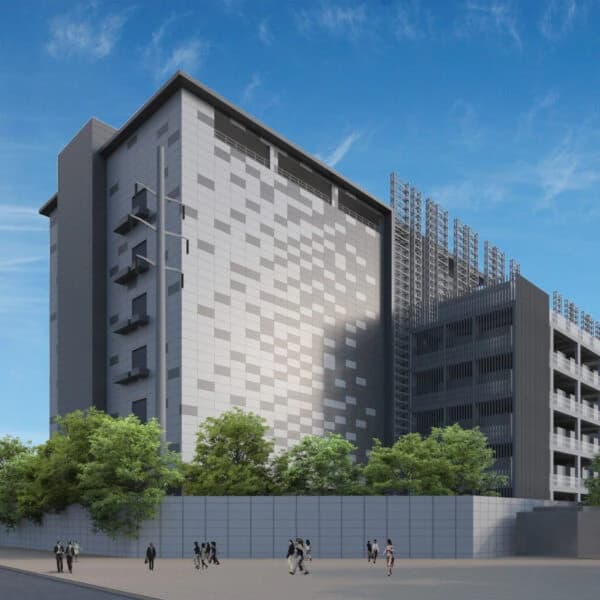
AirTrunk · Lumina, Mumbai
Environmental compliance management for a hyperscale data centre
Comprehensive environmental compliance management covering periodic monitoring, statutory returns, EC compliance reporting and regulatory submissions to MoEF&CC and MPCB, alongside tracking of Fire & Safety, structural, tree-related, CTO and PESO obligations.
The record
The work, project by project.
Mandate, method and measured outcome, written end to end for every project on this list.
CTE/CTO application, ToR application, baseline data collection, EIA report and appraisal before the EAC: Category 5(f), the sector KIPL holds Category A accreditation in.
Read the case studyOn the ground
Across Mumbai, and the belt around it.
Local means the node, not the pin on the map. We carry extended producer responsibility across the Mumbai nodes and the wider Mumbai Metropolitan Region: where the units, plots and projects actually sit.
Nodes we work across in Mumbai
Also across the Mumbai Metropolitan Region
Straight answers
Extended Producer Responsibility in Mumbai: common questions.
01We import goods into Mumbai and sell them under our own label. Are we a producer, importer or brand owner for EPR?
It depends on who puts the brand on the packaging and who brings it across the border: and one company can be more than one. Under the Plastic Waste Management Rules, importers and brand owners carry separate obligations and register separately on the CPCB portal. We read your supply chain, invoice by invoice, before you register, because the category sets the target.
02For a Mumbai factory or office, do we deal with MPCB or MCGM?
Usually both, for different things. MPCB grants consent to establish and to operate and receives the annual Environmental Statement; MCGM handles building, tree and civic permissions, and its ward offices enforce the construction-dust guidelines. CPCB runs EPR registration nationally. We keep one calendar across all three so no filing depends on someone's memory.
03How long does extended producer responsibility take in Mumbai, and who is involved?
MPCB · SEBI (BRSR) · CPCB (EPR) · MCGM are the bodies a Mumbai project works with. On timing: registration weeks; returns annual. KIPL sets out a realistic Mumbai schedule once the site and the scope have been read, and carries the work through to the outcome, with comparable work on the record such as Environmental compliance management for a hyperscale data centre.
By industry
The same filing, read for your sector.
- 01
Chemical IndustryCore
Packaging in rigid and multilayer plastic brings the unit inside Plastic Waste EPR under the 2022 amendment, with annual returns and compensation exposure.
Extended Producer Responsibility for Chemical Industry - 02
Industrial & ManufacturingCore
Producers, importers and brand owners register on the CPCB portal across plastic, e-waste, battery and tyre regimes, and file annual returns.
Extended Producer Responsibility for Industrial & Manufacturing - 03
Data Centres & IT Parks
Server and battery refresh cycles bring the operator inside the E-Waste Rules 2022 and Battery Waste Rules 2022 as importer or bulk consumer.
Extended Producer Responsibility for Data Centres & IT Parks
In the press
Covers, features and conversations: the work, talked through.


Keep exploring
Where this connects.
The service
01Extended Producer Responsibility, in full: and the practices that run beside it.
- Extended Producer Responsibility: the full service
- Green Building Certification
- Post-EC Compliance
- Statutory Compliance Management
- Environmental Audits
Markets here
02The sectors this work is busiest in around Mumbai.
- Group & Multi-Site Compliance
- ESG, BRSR & Carbon Reporting
- Environmental & Social Due Diligence
- Real Estate & Construction
Clients & partners
The work is trusted where the stakes are highest.
Two decades of clearances, treatment plants and green infrastructure delivered for India’s builders, industry and public bodies, and the global engineering firms beside them.





























































Sideways
Extended Producer Responsibility beyond Mumbai, and what else we do there.
Also in Mumbai
CGWA Groundwater NOCCivil EPCCRZ ClearanceCSR / CER AdvisoryEffluent Treatment PlantsEnvironment ClearanceEnvironment Management & Mitigation PlanEnvironmental AuditsESG Advisory & ReportingForest ClearanceGreen Belt Development for IndustriesGreen Building CertificationIntegrated Solid Waste ManagementMiyawaki Urban Dense Forestation
Extended Producer Responsibility in Mumbai? Start with where the project stands today.
One conversation to read the obligations in front of you and map what it takes to meet them.