










Green belt development for industries: the buffer an EC condition demands.
At a glance
33%- Authority
- EC / consent green-belt conditions · CPCB green-belt guidance
- Typical timeline
- Planting seasonal; establishment 2–3 years
- Who needs it
- Industrial units, estates, MIDC plots, chemical and manufacturing sites
- industrial green belt
- green buffer planning
- EC green belt condition
- pollution tolerant species
- CPCB green belt
- green cover compliance
- industrial landscaping
What it is
Green Belt Development for Industries, without the guesswork.
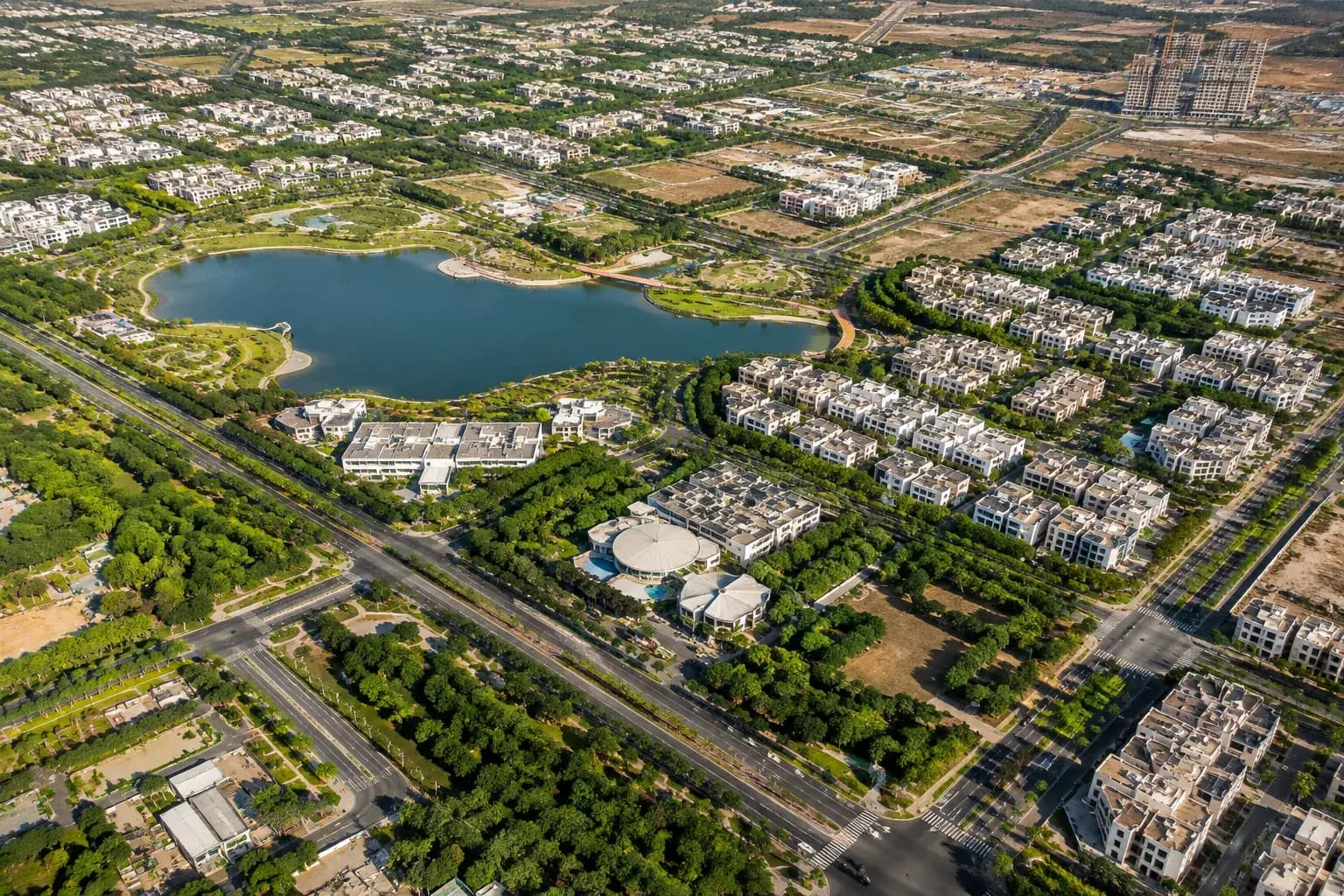
For most industrial projects, a green belt is not landscaping. It is a clearance condition. Environment clearances and pollution-control norms commonly require a substantial share of the plot, often around a third, to be developed and maintained as a green buffer using species that tolerate the site's emissions and dust. KIPL plans, plants and documents that buffer so it satisfies the condition and actually functions.
A working green belt does more than tick a box: a well-chosen, multi-row buffer attenuates dust, noise and odour at the boundary and softens the estate into its surroundings. We select pollution-tolerant native species, structure the rows for canopy and screening, and keep the records that show the EC's green-cover condition has been met and maintained.
What’s included
Every component of green belt development for industries.
3 components, each a service in its own right: open any one, or bring us the whole scope and one team carries it.
One accountable team, start to finish
The process
How the file moves.
You see the whole route on day one; then one accountable team holds it, stage after stage.
Condition & buffer planning
The EC and consent green-cover conditions read, and a buffer plan sized and structured to meet them on the available plot.
Species selection
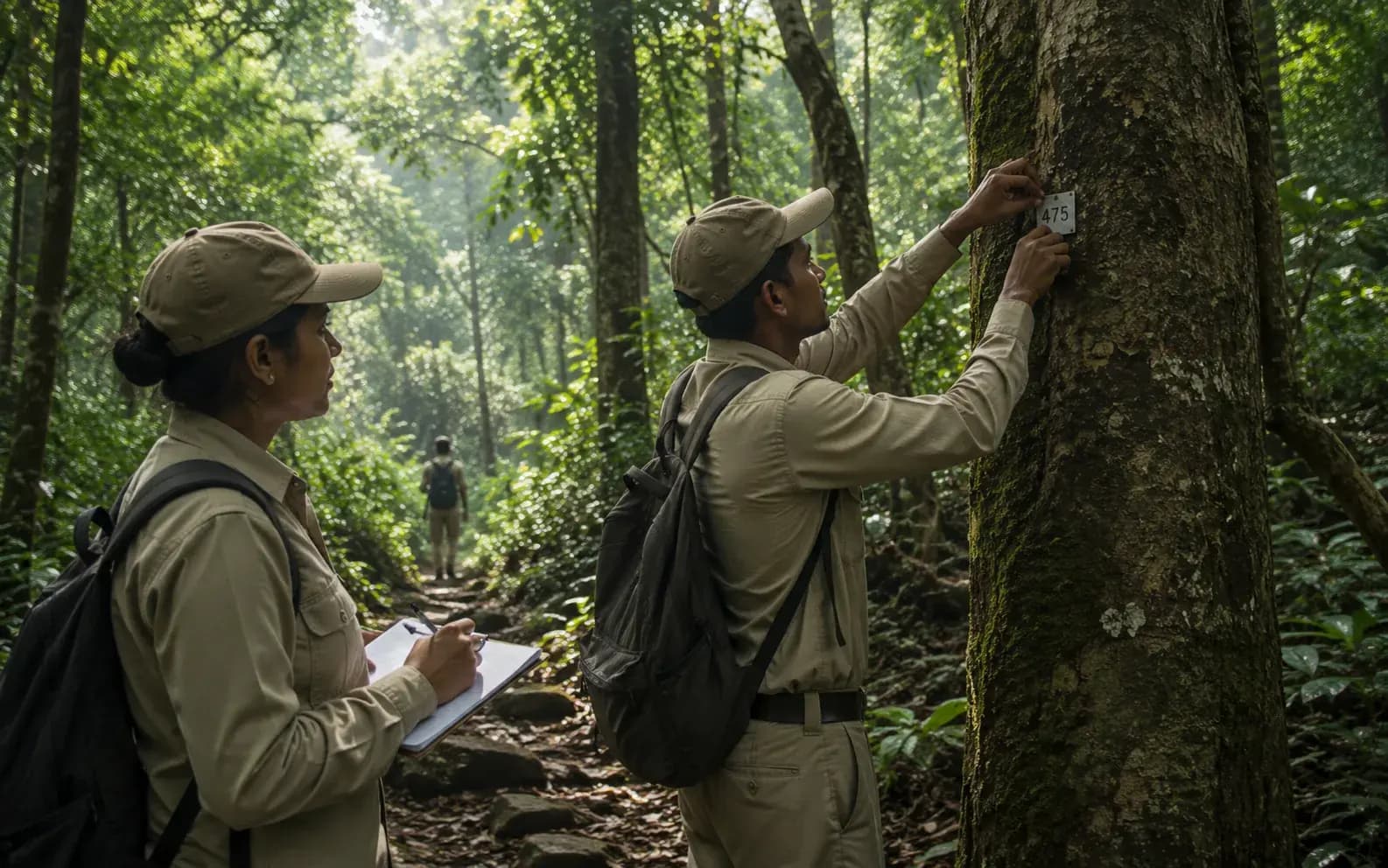
Pollution- and dust-tolerant native species chosen for attenuation, screening and survival at an industrial boundary.
Planting & establishment
Multi-row planting and the establishment care a buffer needs to close its canopy.
Compliance records
Documentation of the green cover developed and maintained, for the post-EC compliance file.
Green Belt Development for Industries
The clearance asks for a third of the plot in green. We make that third actually work.

Why KIPL
Credentials you can check.
A firm that sells regulatory compliance has to be beyond reproach on its own. Every credential below is verifiable, and every figure traces to a document.
Proof
The same practice, on the ground.
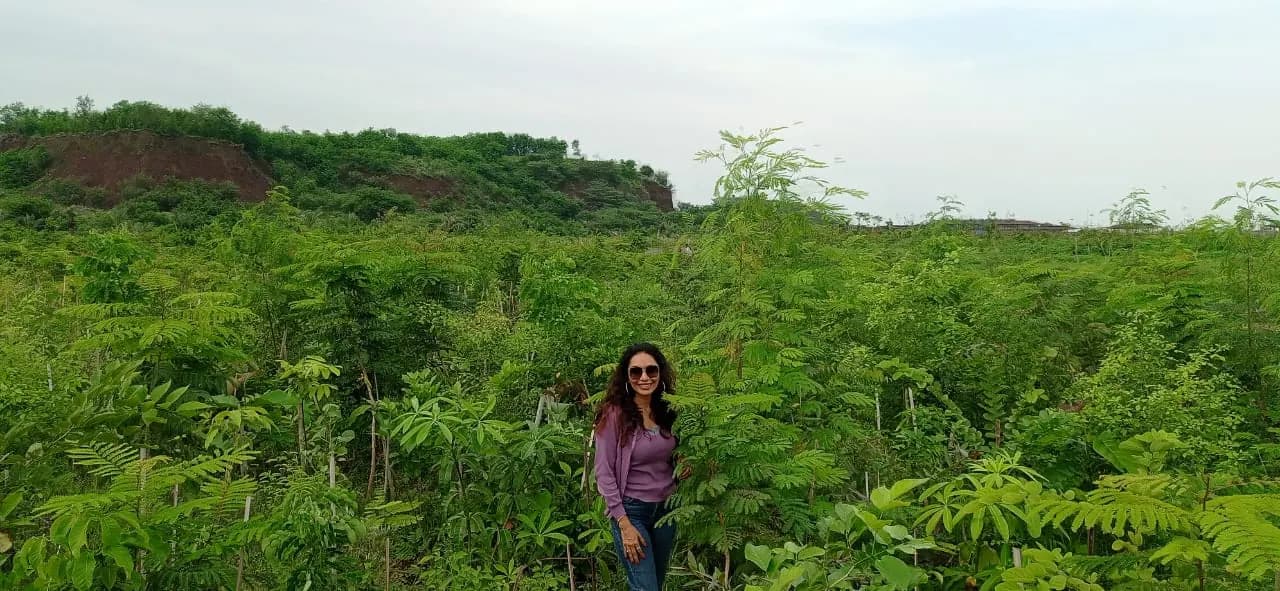
Jamnagar, Gujarat
Miyawaki Plantations at Jamnagar and Junagadh
Land preparation, soil treatment, plantation and irrigation delivered phase-wise in four months.
Straight answers
Green Belt Development for Industries: the questions clients ask first.
01How much green belt does an industry need?
It is set by the project's environment clearance and consent conditions, which for many industrial categories require a defined share of the plot, commonly in the region of a third, as a maintained green belt with a minimum density of trees. The exact figure is condition-specific, and we design to it.
02Which trees suit an industrial green belt?
Native species that tolerate dust, gaseous emissions and the site's soil, arranged in rows that build canopy and a screening effect. The selection is chosen for pollution attenuation and reliable survival, not ornament.
03Is the green belt checked after clearance?
Yes: developing and maintaining the green belt is a standing post-EC condition, verified in compliance reporting and inspections. Which is why we document what was planted and keep it alive, not just plant it once.
04Can the green belt double as a biodiversity asset?
It can. A native, multi-layer buffer supports far more life than a single-species screen, and can be designed to contribute habitat as well as compliance, a small step from buffer to biodiversity.
Where we work
Filed where your project is.
Green Belt Development for Industries, carried with the deepest roots across the Mumbai Metropolitan Region and Maharashtra: and wherever a good project needs it. Every filing lands on the right desk, argued by named, accredited people.
Home turf
Mumbai Metropolitan Region- Navi Mumbai
- Mumbai
- Thane
- Panvel
- Kalyan-Dombivli
- Vasai-Virar
- Mira-Bhayandar
- Bhiwandi
- Ulhasnagar
- Ambernath
- Badlapur
- Uran
- Taloja
- Kharghar
Not listed? We carry green belt development for industries across the region all the same, tell us where your project is.
Who we do this for
The same filing reads differently by industry.
What green belt development for industries demands of a data centre is not what it demands of a distillery. These set out the item code, the conditions that bite and the evidence each sector is asked for.
Trusted by
The builders, industry and public bodies we file for.





Bring us your green belt development for industries file.
One conversation to map the route, and the team that will carry it.