










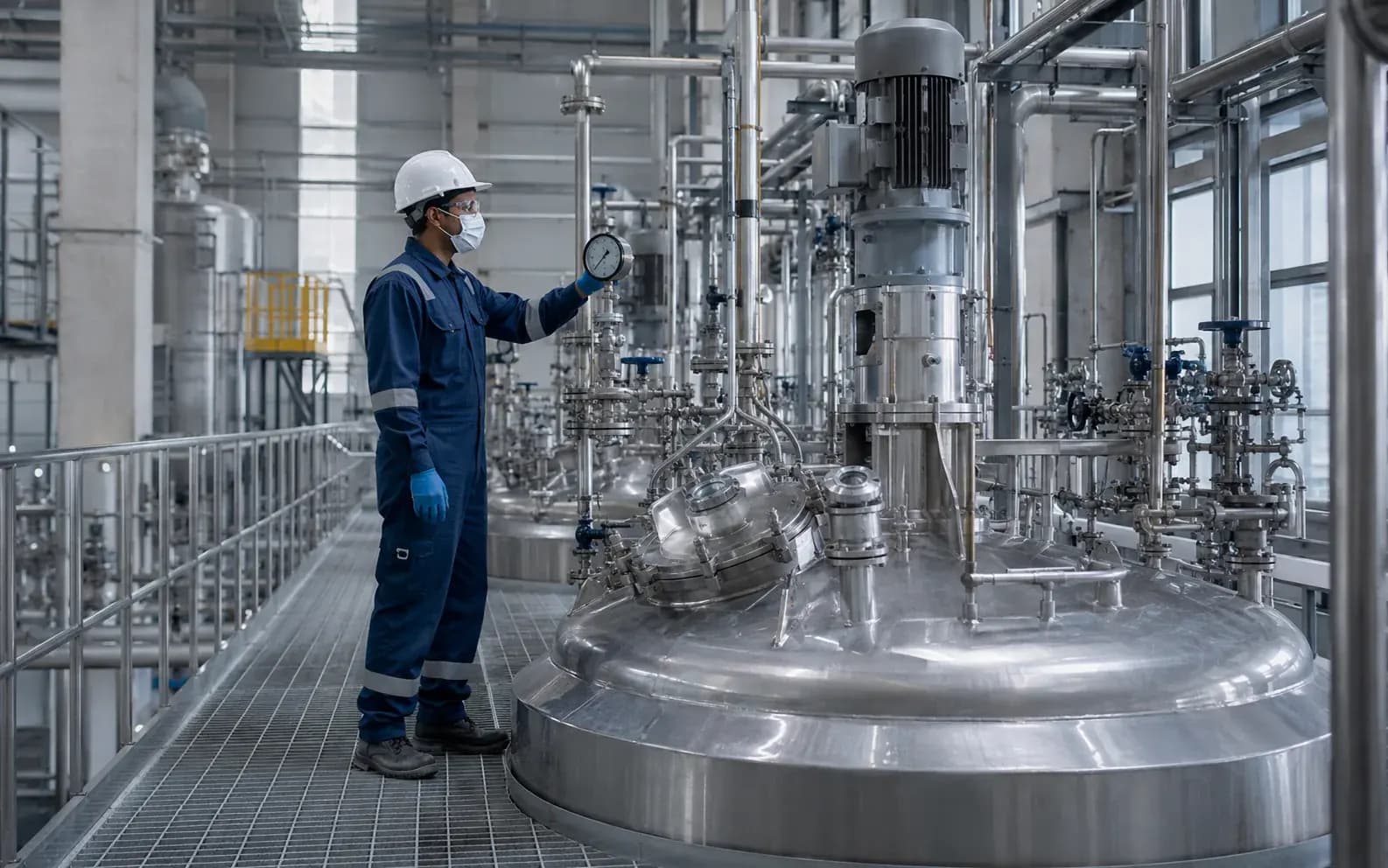
Green Belt Development for Industries · Distilleries & Ethanol
Green Belt Development for Distilleries
At a distillery the green belt is an odour buffer with a stated width and species mix, positioned around spent wash storage and towards the settlements that raised the objection at the public hearing.
Screening view on your project, with the category and route named. No obligation.
What this means for distilleries & ethanol
Every EC-holding industry carries a green belt condition, but at a distillery it is doing identifiable work. Odour from lagoons, digester vents, molasses storage and the fermentation section is the single impact the surrounding villages actually experience, and it is what dominates the public hearing record. The green belt is the physical response to that objection: a multi-tier belt of adequate width along the boundary facing habitation and around the spent wash storage area, positioned with reference to the prevailing wind rather than to whichever boundary happens to be free. Width and structure matter more here than total area, because a narrow strip of widely spaced trees disrupts nothing.
How KIPL runs it
KIPL plans the belt against the site's own conditions. Soil near spent wash storage can carry elevated salinity, so species have to be selected for tolerance rather than from a standard list, and the planting around lagoons must not compromise access for inspection, lining repair or desludging. Where the distillery is attached to a sugar mill, the belt is planned across the combined premises so the two clearances are not each reporting the same trees. Establishment irrigation is designed in, treated sewage where the consent permits: and survival is monitored, because the reported area only holds if the planting does. What goes wrong otherwise is the sector's familiar picture: planting done in a season to satisfy a condition, no maintenance regime behind it, a reported area an inspection cannot find, and the odour complaint from the hearing entirely unaddressed.
- Odour
The belt answers the hearing
Odour is the distillery's defining local impact, and the green belt is the physical commitment made in response to it at the public hearing.
- EC condition
Area, width and species are specified
Distillery clearances commonly state a green belt proportion of plot area with a peripheral width and a multi-tier structure, and the area achieved is reported half-yearly.
- Site conditions
Soil near storage is not ordinary soil
Ground around spent wash lagoons can carry elevated salinity, so species selection and soil preparation determine whether the belt survives at all.
What you receive
Written for distilleries & ethanol, not adapted from a template.
- 01Green belt area and width computation against the clearance condition, with a plan showing committed and achieved area
- 02Layout aligned to the prevailing wind and the settlements identified in the public hearing record, and around spent wash storage
- 03Species matrix in multiple tiers, selected for local conditions and for tolerance near storage areas
- 04Soil assessment and amendment plan, with establishment irrigation including treated sewage reuse where the consent permits
- 05Access preservation around lagoons for inspection, lining repair and desludging
- 06Planting execution, maintenance and replacement regime, with survival and area records for the half-yearly compliance report
Questions from distilleries & ethanol
What distilleries & ethanol ask before appointing us.
Answered against the regulation as it stands, not as a sales pitch. If your situation is not here, ask us directly.
Ask a question →Does a green belt genuinely reduce odour?
A multi-tier belt of adequate width disrupts and dilutes ground-level plumes and increases the distance over which they disperse, which reduces perceived odour at the boundary and in nearby settlements. It is a mitigation measure alongside source control (covering lagoons, capturing digester gas), not a substitute for it.
Where should the belt be placed on a distillery site?
Between the odour sources and the people affected by them: along the boundary facing the nearest habitation, aligned with the prevailing wind, and around the spent wash storage area. Placement by convenience, wherever land is free: produces a belt that satisfies an area figure and buffers nothing.
Will trees survive near spent wash lagoons?
Only with the right species and soil preparation. Ground near storage can carry elevated salinity, so tolerance has to drive the species selection rather than a list carried over from another project. Planting also has to leave access for lagoon inspection, lining repair and desludging.
How much green belt does a distillery need?
It is set by the clearance and the consent for the specific project, commonly as a proportion of plot area with a stated peripheral width. The clearance letter is the authority for the figure, and it is what the half-yearly report and any inspection will be measured against.
Our distillery shares premises with a sugar mill: how is the belt counted?
It should be planned once across the combined premises and apportioned deliberately, so that the two clearances are not each reporting the same planting as their own compliance. This is a common finding where the mill and distillery files are handled by different teams.
What keeps the belt alive after planting?
A maintenance and replacement regime through the establishment period, with irrigation and recorded survival counts. Planting is the cheap part; the reported area only remains defensible if the maintenance continues, and survival records are what make it defensible on inspection.
Stage by stage
How green belt development for industries actually runs, step by step.
Also for distilleries & ethanol
The rest of the environmental brief for this sector.
Primary sources
Verify any of this at the source.
Relevant proof
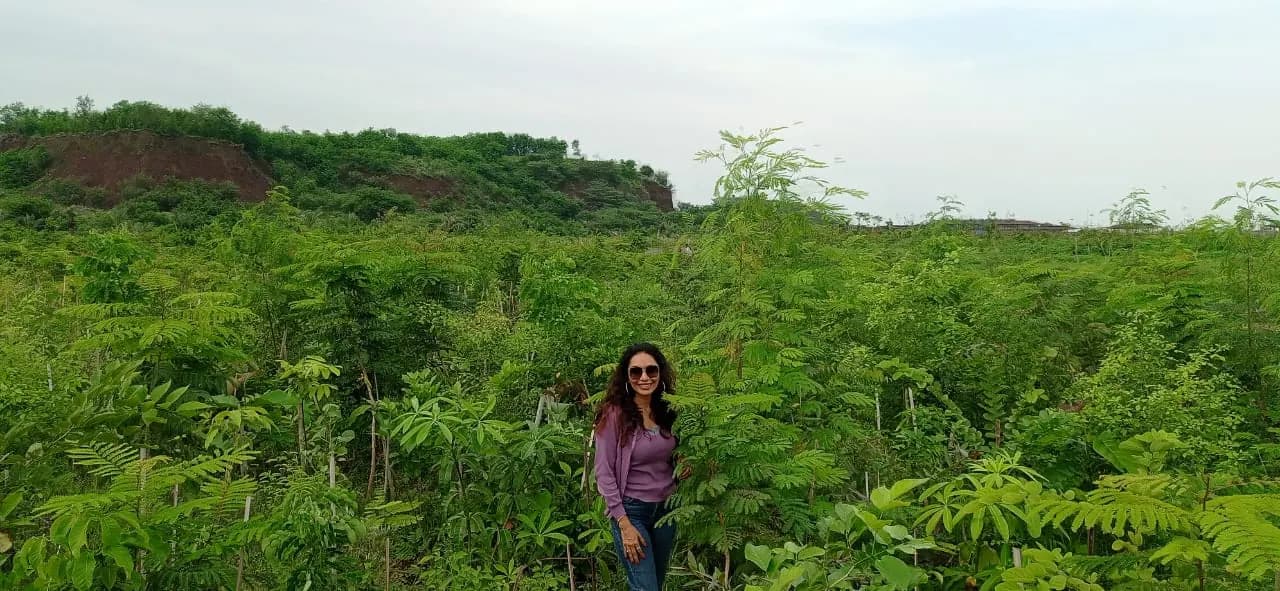
Miyawaki Plantations at Jamnagar and Junagadh
Land preparation, soil treatment, plantation and irrigation delivered phase-wise in four months.
- Area
- 24,000 m²
- Native plants
- 82,000
Where we do this
Green Belt Development for Industries for distilleries & ethanol, city by city.
Other sectors
Who else we run green belt development for industries for.
Next step
Tell us the project, and we will tell you the category and the route.
Screening is the cheapest stage to get right and the most expensive to get wrong. We will say plainly what green belt development for industries your distilleries & ethanol project needs, and what it does not.





























































Start the conversation