










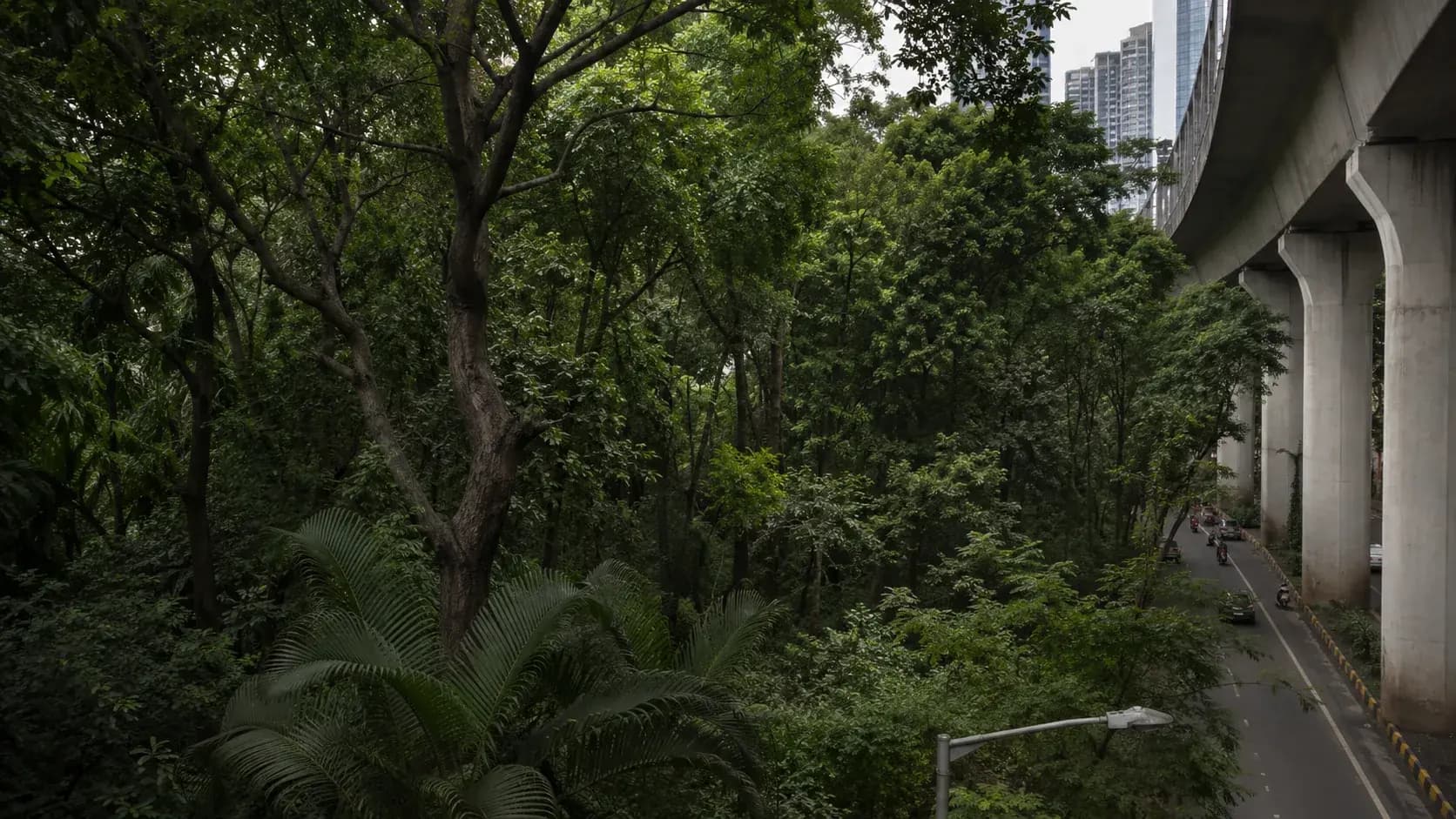
Effluent Treatment Plants consultants in Mumbai.
Effluent Treatment Plants in Mumbai, on the ground where the work actually is, India's financial capital and its densest built environment, carried by a QCI-NABET accredited team, end to end.
Why Mumbai
The local ground effluent treatment plants sits on.
- Handled through
- SEIAA Maharashtra · MPCB Mumbai · MCGM / MMRDA
- Local ground
- The island-city redevelopment belt, BKC and the coastal and mangrove edges
- Typically for
- Chemical, pharma, textile, food, distillery and engineering units
Mumbai concentrates high-rise redevelopment, coastal-zone constraints and commercial construction into the most regulated land in the country. From the mill-land towers of Lower Parel and the offices of the Bandra-Kurla Complex to the salt-pans and mangroves along the eastern and western shorelines, projects here run into CRZ, environment clearance and MCGM approvals at once.
KIPL carries effluent treatment plants from a base in the region: which matters when the work runs through SEIAA Maharashtra · MPCB Mumbai · MCGM / MMRDA. Comparable, accredited projects across the Mumbai Metropolitan Region are on the record: carried through to completion by named people, not passed down a chain.
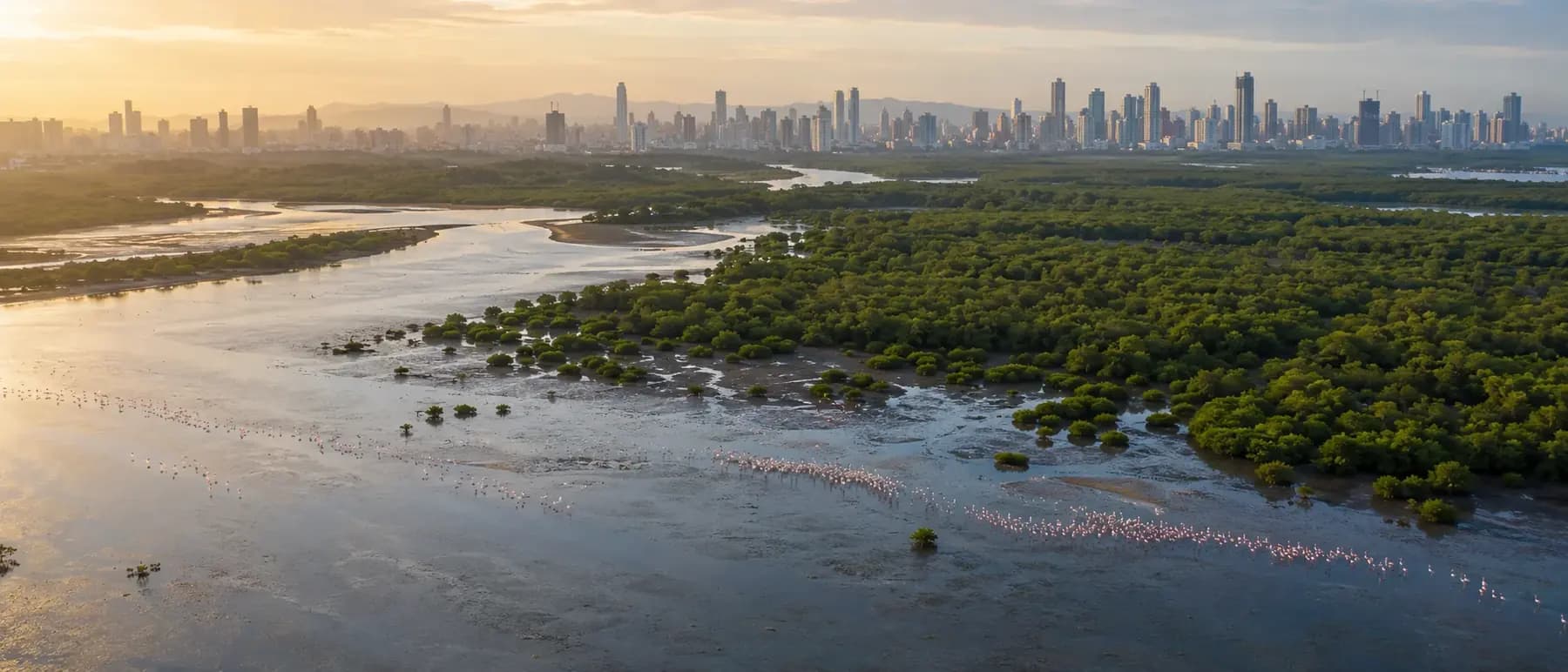
Effluent Treatment Plants · Mumbai
The board reads the outlet, not the brochure. We build to the number.
Local demand
What drives effluent treatment plants in Mumbai.
Clearance demand in Mumbai is dominated by redevelopment. Society and cluster redevelopments, mill-land towers and commercial high-rises in areas like Lower Parel, Worli and the Bandra-Kurla Complex regularly cross the 20,000 sq m built-up threshold for environment clearance as Category B, item 8(a) projects, and large layouts fall under item 8(b).
The shoreline adds a second layer: coastal-zone rules under the CRZ Notification touch projects near the eastern dock lands, the western seafront and the mangrove-lined creeks, so many EC files here run alongside a CRZ clearance and an MCGM sequence. Data centres and healthcare campuses round out the pipeline.
How it works
Effluent Treatment Plants, the route to grant.
- 01/05
Effluent characterisation
The real waste stream sampled and analysed (flow, pH, COD / BOD, TDS, colour and specific contaminants) before a single unit is sized.
- 02/05
Process design
Primary (equalisation, neutralisation), secondary (biological) and tertiary (filtration, RO) stages engineered to the consent outlet quality.
- 03/05
ZLD engineering (where required)
RO and multiple-effect evaporator / ATFD trains to recover water and reach zero discharge for the specified categories.
- 04/05
Build & commissioning (EPC)
Turnkey construction, dosing and control systems, then stabilisation and performance testing.
- 05/05
Monitoring & compliance
Effluent-quality monitoring and the records that keep the CTO and any online-monitoring obligation in good standing.
Every stage, in detail
Local proof
Comparable work, near you.
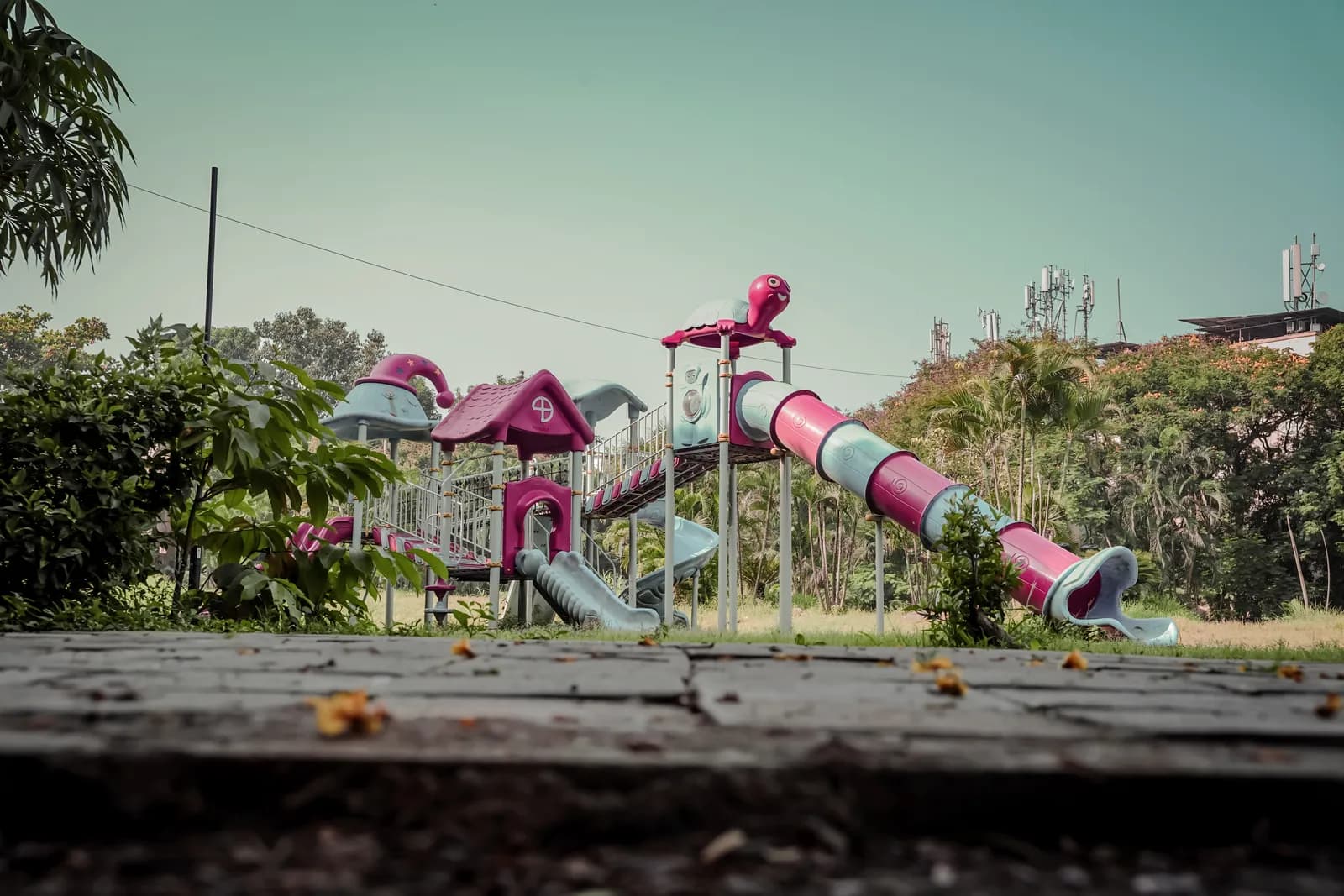
CIDCO · Kalamboli, Navi Mumbai
RECREATIONAL SPACE DEVELOPMENT, KALAMBOLI SECTOR 2
A landscaped recreational space with play area, walkways, gazebo and utility spaces, completed with horticulture, flowerbeds and landscape lighting.
The record
The work, project by project.
Mandate, method and measured outcome, written end to end for every project on this list.
ESDD reports for Panvelkar and Tridhatu Group developments under the last-mile funding window for stalled affordable and mid-income projects.
Read the case studyOn the ground
Across Mumbai, and the belt around it.
Local means the node, not the pin on the map. We carry effluent treatment plants across the Mumbai nodes and the wider Mumbai Metropolitan Region: where the units, plots and projects actually sit.
Nodes we work across in Mumbai
Also across the Mumbai Metropolitan Region
Straight answers
Effluent Treatment Plants in Mumbai: common questions.
01Does a redevelopment tower in Mumbai need environment clearance?
Once total built-up area crosses 20,000 sq m it does, as an item 8(a) project, and most cluster and mill-land redevelopments do. We check the built-up number and the plot's CRZ status together, since both can apply in the island city.
02When does a Mumbai project also need CRZ clearance?
Whenever it falls within the regulated coastal zone: near the sea, the docks, or a tidal creek and its mangroves, common along the eastern and western fronts. We establish the CRZ line early so the EC and CRZ files are prepared as one.
03Which authority appraises a Mumbai building project?
For most building and construction projects it is SEIAA Maharashtra through SEAC (Category B), with MPCB for consents and MCGM for the civic approvals. We prepare and carry the file through all three.
04Who handles effluent treatment plants for a Mumbai project, and how long does it take?
SEIAA Maharashtra · MPCB Mumbai · MCGM / MMRDA are the bodies a Mumbai project deals with. Timelines depend on the project's category and scale, design to commissioning by project schedule. KIPL prepares and carries the work through, tracked to the outcome, and maps a realistic Mumbai timeline at the screening stage, with comparable work on the record such as RECREATIONAL SPACE DEVELOPMENT, KALAMBOLI SECTOR 2.
By industry
The same filing, read for your sector.
- 01
Chemical IndustryCore
High-TDS, high-COD streams make ZLD or a defensible CETP interface the spine of the case; a weak ETP design is where 5(f) files fail.
Effluent Treatment Plants for Chemical Industry - 02
Distilleries & EthanolCore
Spent wash at 8-15 litres per litre of alcohol forces biomethanation with concentration and incineration; ZLD is the regulator's default expectation.
Effluent Treatment Plants for Distilleries & Ethanol - 03
Sugar IndustryCore
Seasonal, high-BOD condensate and wash water demands an ETP designed for campaign operation, and reuse to close the water loop.
Effluent Treatment Plants for Sugar Industry - 04
Industrial & ManufacturingCore
Process effluent must meet consent norms at the outlet or the CETP inlet, and MIDC estates meter what leaves the premises.
Effluent Treatment Plants for Industrial & Manufacturing - 05
Industrial Corridors & MIDCCore
The common effluent treatment plant and its conveyance network is the single decision that determines which industries the node can host.
Effluent Treatment Plants for Industrial Corridors & MIDC - 06
River & Water Missions
Industrial clusters on the river bank are the load a mission cannot ignore, and CETP performance decides whether STP gains survive.
Effluent Treatment Plants for River & Water Missions
In the press
Covers, features and conversations: the work, talked through.



Keep exploring
Where this connects.
The service
01Effluent Treatment Plants, in full: and the practices that run beside it.
- Effluent Treatment Plants: the full service
- Sewage Treatment Plants
- Integrated Solid Waste Management
- Organic Waste Converters
- Project Management Consultancy
Markets here
02The sectors this work is busiest in around Mumbai.
- Real Estate & Construction
- Corporate Campuses
- Hospitality, Healthcare & Education
- Data Centres & IT Parks
Clients & partners
The work is trusted where the stakes are highest.
Two decades of clearances, treatment plants and green infrastructure delivered for India’s builders, industry and public bodies, and the global engineering firms beside them.





























































Sideways
Effluent Treatment Plants beyond Mumbai, and what else we do there.
Also in Mumbai
CGWA Groundwater NOCCivil EPCCRZ ClearanceCSR / CER AdvisoryEnvironment ClearanceEnvironment Management & Mitigation PlanEnvironmental AuditsESG Advisory & ReportingExtended Producer ResponsibilityForest ClearanceGreen Belt Development for IndustriesGreen Building CertificationIntegrated Solid Waste ManagementMiyawaki Urban Dense Forestation
Effluent Treatment Plants in Mumbai? Start with the file in front of you.
One conversation to screen your project and map the route to grant.