










Effluent Treatment Plant consultants: industrial ETP design, ZLD and compliance.
At a glance
ETP- Authority
- MPCB consent conditions · CPCB ZLD directions (specified categories)
- Typical timeline
- Design to commissioning by project schedule
- Who needs it
- Chemical, pharma, textile, food, distillery and engineering units
- effluent treatment plant consultant
- ETP design
- ETP turnkey EPC
- Zero Liquid Discharge
- ZLD
- effluent quality monitoring
- MPCB consent ETP
What it is
Effluent Treatment Plants, without the guesswork.
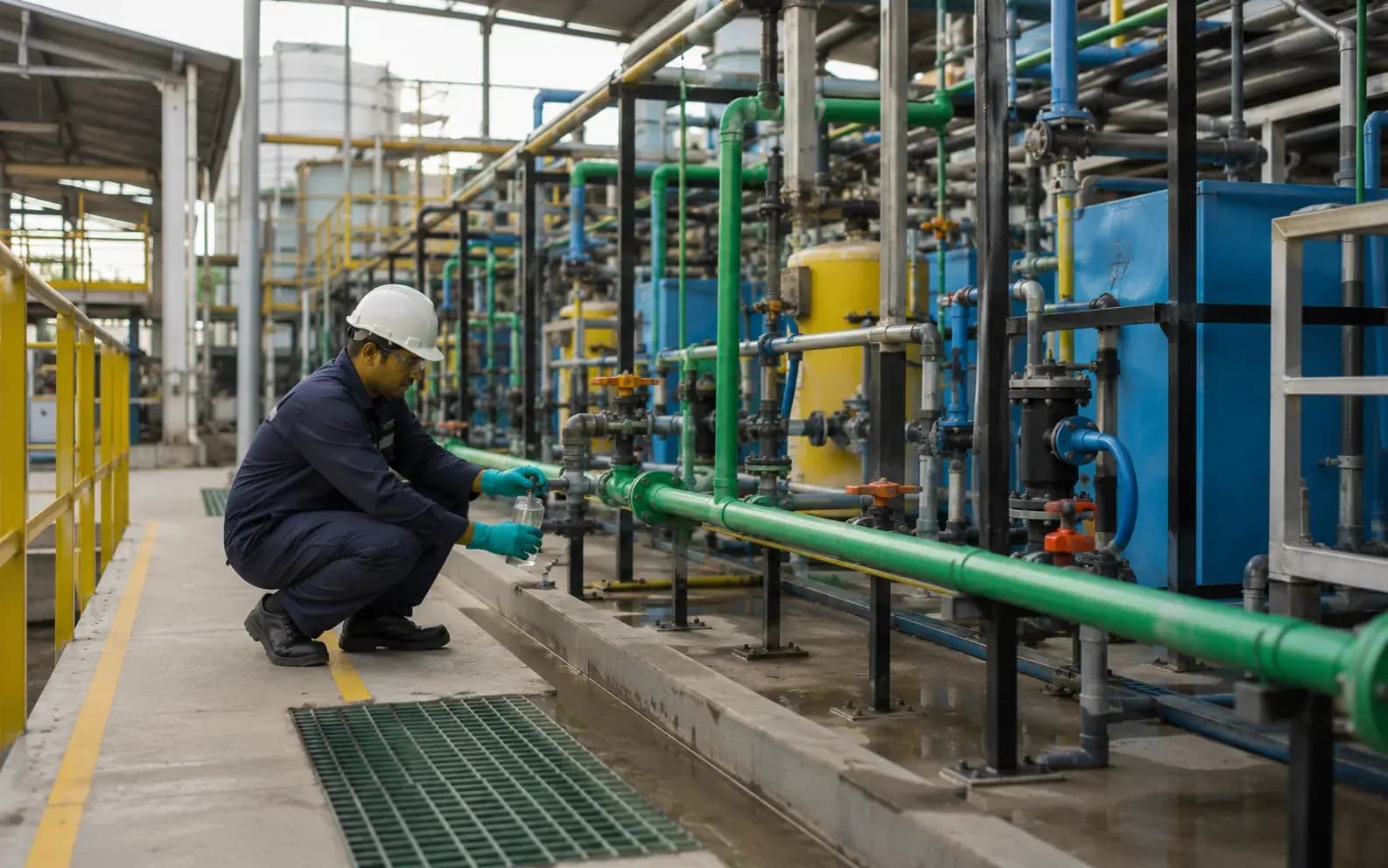
Industrial effluent is where a consent to operate is won or lost. An effluent treatment plant has to take a specific, often difficult, waste stream (acids, dyes, dissolved solids, oil and grease) and return water that meets the Maharashtra Pollution Control Board's outlet conditions, every day, under inspection. KIPL designs and builds ETPs around the actual effluent, not a generic template, and instruments them so the quality can be proven.
For the industries the boards watch most closely, that increasingly means Zero Liquid Discharge: recovering water through reverse osmosis and multiple-effect evaporation so that nothing leaves the gate. We engineer conventional physico-chemical and biological ETPs and full ZLD trains, matched to the category, the load and the recovery the consent demands.
What’s included
Every component of effluent treatment plants.
4 components, each a service in its own right: open any one, or bring us the whole scope and one team carries it.
One accountable team, start to finish
The process
How the file moves.
You see the whole route on day one; then one accountable team holds it, stage after stage.
Effluent characterisation
The real waste stream sampled and analysed (flow, pH, COD / BOD, TDS, colour and specific contaminants) before a single unit is sized.
Process design
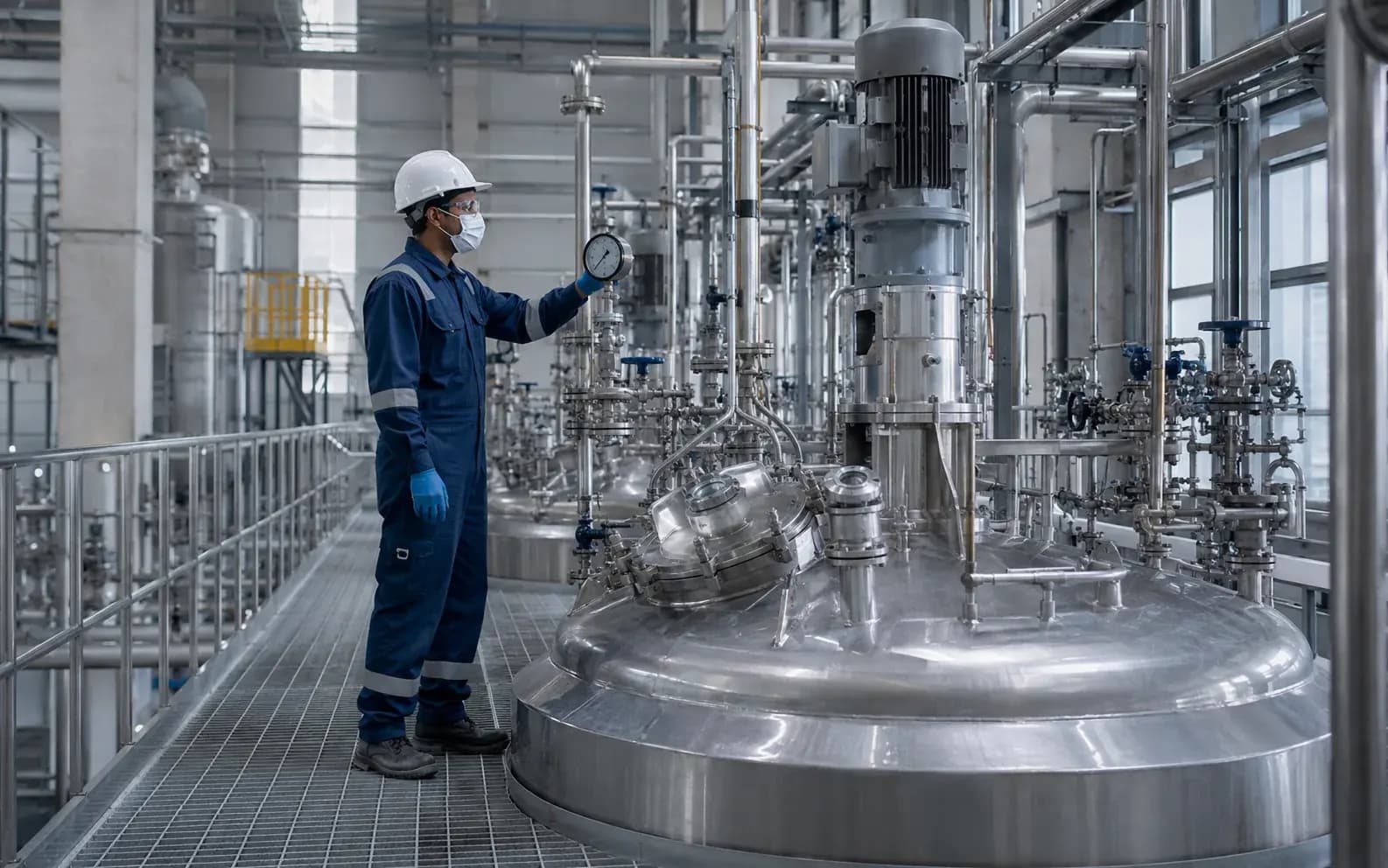
Primary (equalisation, neutralisation), secondary (biological) and tertiary (filtration, RO) stages engineered to the consent outlet quality.
ZLD engineering (where required)
RO and multiple-effect evaporator / ATFD trains to recover water and reach zero discharge for the specified categories.
Build & commissioning (EPC)
Turnkey construction, dosing and control systems, then stabilisation and performance testing.
Monitoring & compliance
Effluent-quality monitoring and the records that keep the CTO and any online-monitoring obligation in good standing.
Effluent Treatment Plants
The board reads the outlet, not the brochure. We build to the number.
Why KIPL
Credentials you can check.
A firm that sells regulatory compliance has to be beyond reproach on its own. Every credential below is verifiable, and every figure traces to a document.
Proof
The same practice, on the ground.
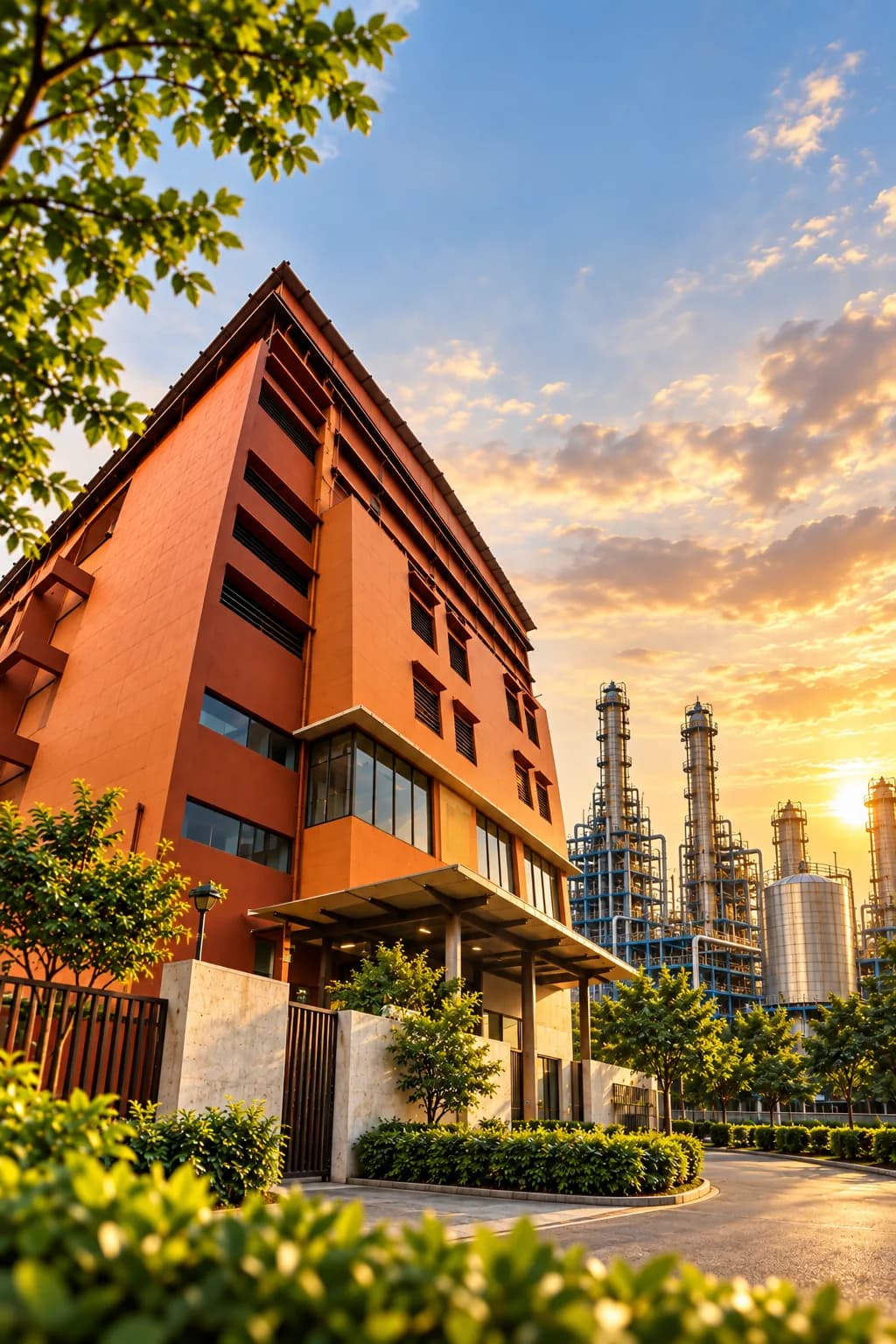
KwaliChem Pvt. Ltd. · TTC Industrial Area, Rabale, Navi Mumbai
EIA for Synthetic Organic Chemical Industry
CTE/CTO application, ToR application, baseline data collection, EIA report and appraisal before the EAC: Category 5(f), the sector KIPL holds Category A accreditation in.
Straight answers
Effluent Treatment Plants: the questions clients ask first.
01What is the difference between an ETP and an STP?
An STP treats domestic sewage: a fairly predictable biological load. An ETP treats industrial effluent, which varies by process and can carry chemicals, heavy metals, high dissolved solids and colour. ETP design is therefore effluent-specific, and often needs physico-chemical stages an STP never would.
02When is Zero Liquid Discharge mandatory?
ZLD is directed by the pollution-control boards for specified highly-polluting industries and, in practice, for units in stressed catchments or where the consent sets zero discharge. Whether it applies to you is set by your category and location; we assess it before designing, because ZLD reshapes the whole plant.
03Can an existing ETP be upgraded instead of rebuilt?
Often yes. Where the load or the norms have moved beyond the original design, we audit the existing plant and add or re-engineer stages (tertiary treatment, RO, or an evaporator for ZLD), rather than starting over, when the civil and biological base is sound.
04How is effluent quality proven to the board?
Through routine sampling against the consent parameters and, for many categories, continuous online monitoring linked to the board's servers. We design the plant to hit the numbers and set up the monitoring that demonstrates it.
Where we work
Filed where your project is.
Effluent Treatment Plants, carried with the deepest roots across the Mumbai Metropolitan Region and Maharashtra: and wherever a good project needs it. Every filing lands on the right desk, argued by named, accredited people.
Home turf
Mumbai Metropolitan Region- Navi Mumbai
- Mumbai
- Thane
- Panvel
- Kalyan-Dombivli
- Vasai-Virar
- Mira-Bhayandar
- Bhiwandi
- Ulhasnagar
- Ambernath
- Badlapur
- Uran
- Taloja
- Kharghar
By state
State-wide pagesNot listed? We carry effluent treatment plants across the region all the same, tell us where your project is.
Who we do this for
The same filing reads differently by industry.
What effluent treatment plants demands of a data centre is not what it demands of a distillery. These set out the item code, the conditions that bite and the evidence each sector is asked for.
Trusted by
The builders, industry and public bodies we file for.












Bring us your effluent treatment plants file.
One conversation to map the route, and the team that will carry it.