










Effluent quality monitoring: the record that proves a treatment plant is meeting its consent.
Compliance is not what a plant is capable of; it is what its monitoring record shows over time, which makes sampling and analysis the evidence a consent finally rests on.
What it is
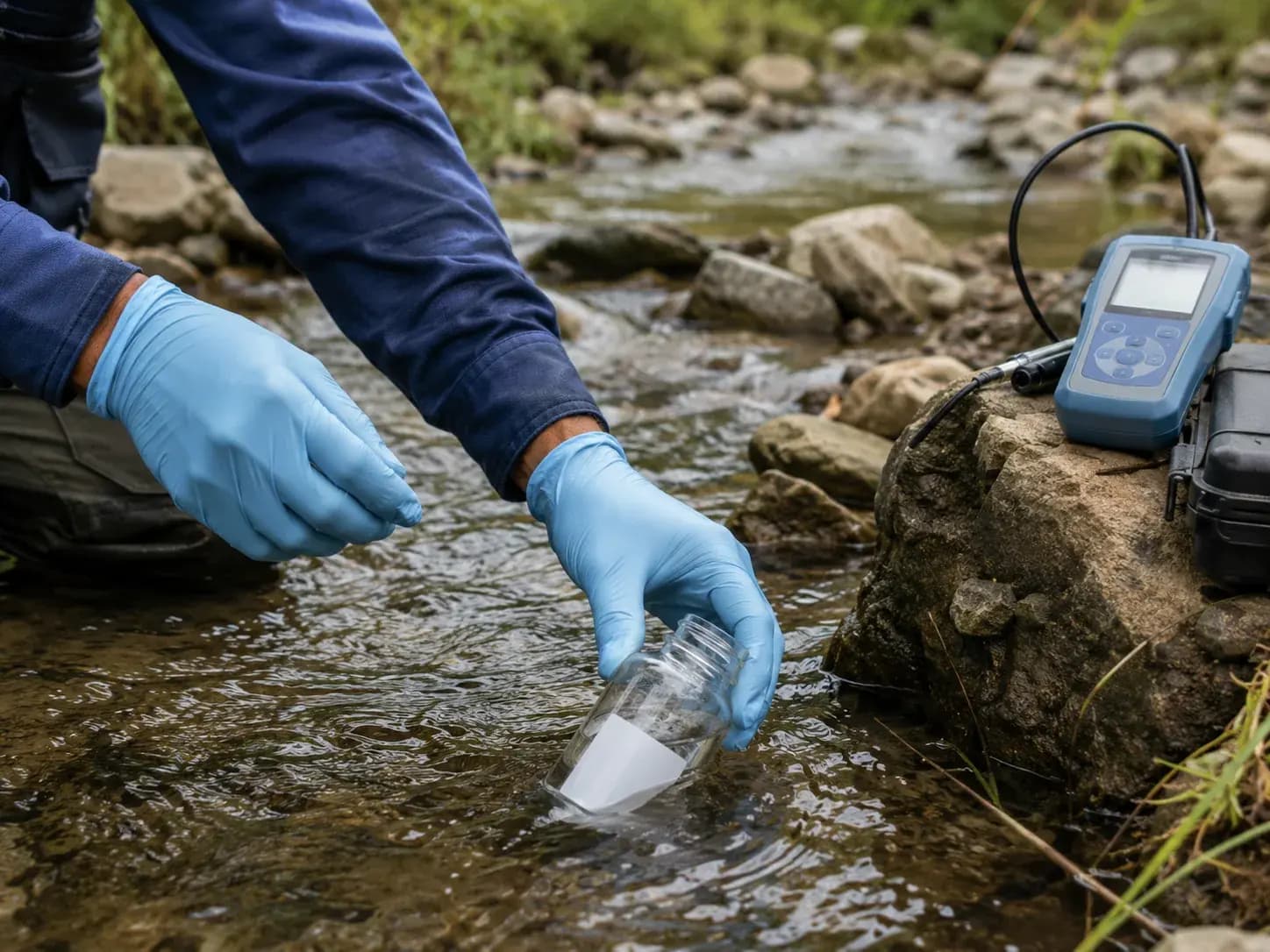
Monitoring means sampling at defined points (inlet, inter-stage and final outlet) at the frequency the consent specifies, analysing the parameters listed in it, and maintaining the results as a continuous record. Inlet and inter-stage data matter as much as outlet data, because they show which unit is doing its work and give early warning when a process is drifting, well before the final outlet crosses a limit.
KIPL runs monitoring programmes against the plant's own consent conditions, with analysis through appropriately recognised laboratories so the results carry weight, and reporting that shows trends rather than isolated numbers. Where a result exceeds a limit, the value of the programme is that the cause can be traced through the inter-stage data and corrected, and the correction documented, instead of discovered at an inspection.
What you get
The deliverables, in hand.
- Authority
- Consent parameters · recognised-laboratory analysis · OCEMS where applicable
- Typical timeline
- Continuous programme at the consented frequency
- Sampling plan: points, frequency and protocol aligned to the consent
- Analysis of consent parameters through a recognised laboratory
- Inlet, inter-stage and outlet data showing unit-wise performance
- Trend reporting with exceedance flagged and cause traced
- Compliance record maintained for returns, reports and inspections
- Corrective-action support where a parameter drifts out of range
Straight answers
Effluent Quality Monitoring: common questions.
01Which parameters have to be monitored?
Those listed in the plant's Consent to Operate. For most effluent plants that includes pH, BOD, COD, total suspended solids, total dissolved solids and oil and grease, with sector-specific additions (heavy metals, phenols, colour, cyanide, ammoniacal nitrogen) depending on the industry and the disposal route. The consent, not a general list, is the authority.
02How often should effluent be sampled?
At the frequency the consent specifies, which varies with category and scale from daily in-house checks to periodic external analysis. Beyond the statutory minimum, plants with variable production benefit from more frequent inter-stage checking, because it is what makes a drift correctable rather than a violation already recorded.
03Does the laboratory need to be recognised?
For results to carry weight with the board, analysis should come from a laboratory with appropriate recognition, NABL accreditation and, where required, recognition under the Environment (Protection) Act. In-house testing is valuable for operational control, but the compliance record is stronger when periodic analysis is externally done and certified.
04What is OCEMS and who needs it?
Online continuous effluent and emission monitoring systems transmit real-time data from the outlet to the Pollution Control Board's server. CPCB and State Board directions mandate it for specified industrial categories and scales, and where it applies the requirement appears in the unit's consent. It supplements rather than replaces laboratory analysis, and calibration and uptime become compliance obligations in themselves.
05What happens if a result exceeds the limit?
The exceedance stands on record, so the response matters. The cause is traced, usually through inter-stage data: corrective action is taken and documented, and the plant is re-sampled to demonstrate return to compliance. Repeated or unaddressed exceedance is what leads to show-cause notices, directions and, in serious cases, closure or revocation of consent.
06Why sample the inlet as well as the outlet?
Because the outlet alone tells you that something is wrong, not what. Inlet characterisation shows whether the plant is receiving what it was designed for, a change in production or an accidental discharge to drain is a common cause of a sudden outlet failure. And inter-stage results locate the unit that is under-performing.
07How does monitoring data feed into statutory reporting?
It is the substance of the environmental statement and of periodic returns to the board, of half-yearly compliance reports where an Environment Clearance applies, and of whatever the consent requires to be submitted. Data collected consistently through the year makes those submissions a compilation exercise; data assembled retrospectively rarely holds together.
Within Effluent Treatment Plants
Part of the whole route, the other components.
Relevant proof
Where this stage has already been delivered.
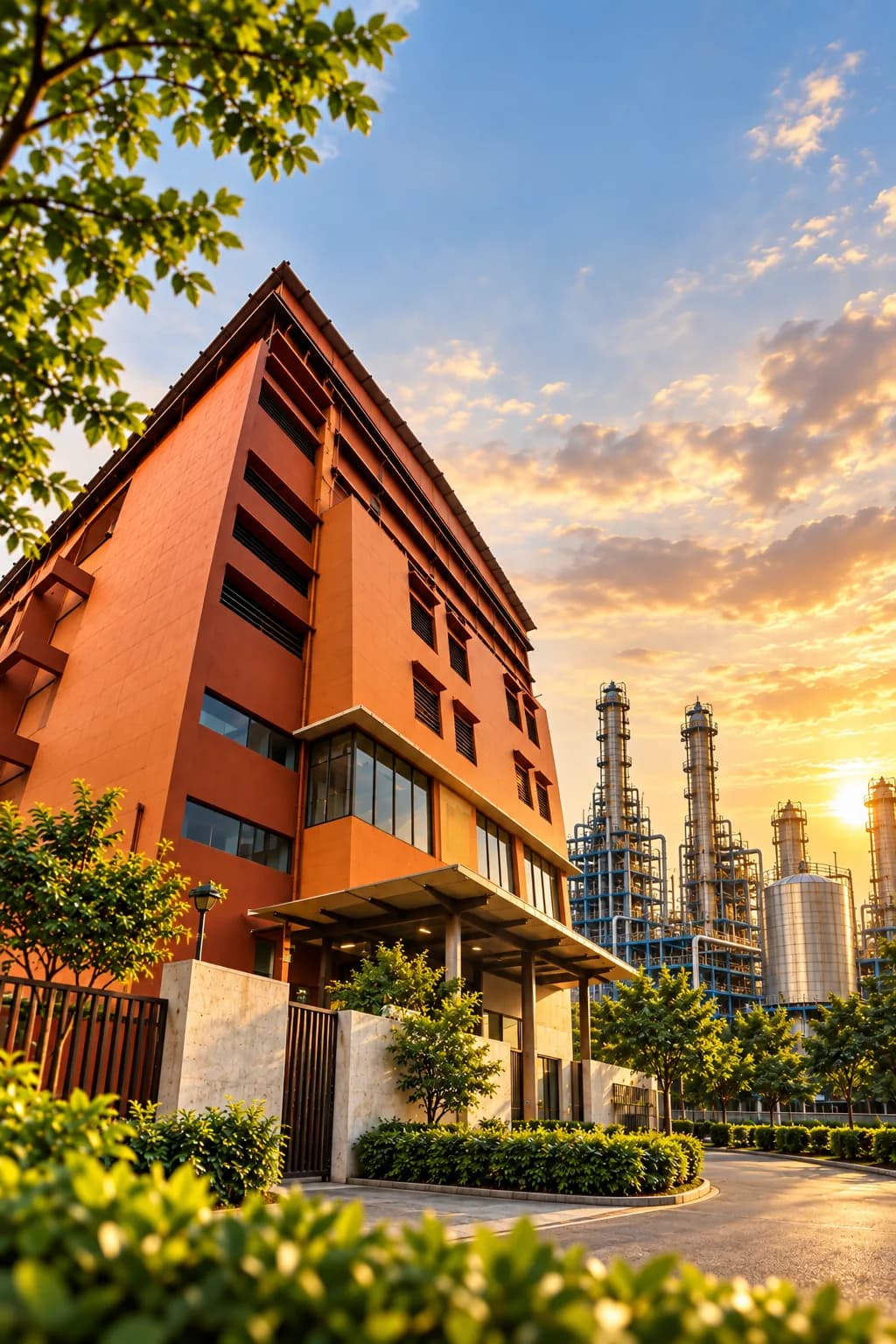
KwaliChem Pvt. Ltd. · TTC Industrial Area, Rabale, Navi Mumbai
EIA for Synthetic Organic Chemical Industry
CTE/CTO application, ToR application, baseline data collection, EIA report and appraisal before the EAC: Category 5(f), the sector KIPL holds Category A accreditation in.
Where we do this
Effluent Treatment Plants on the ground.
The authority, the timeline and the local ground differ by city. These pages set out how effluent treatment plants actually runs in each.
Featured projects
Work that carries its own evidence.


Our expertise
One team across the whole environmental brief.
Effluent Quality Monitoring is one stage of one practice. Most projects need several, and the commitments made at clearance are the ones we build and maintain.
Who we do this for
Effluent Treatment Plants reads differently by industry.
- 01
Chemical IndustryCore
High-TDS, high-COD streams make ZLD or a defensible CETP interface the spine of the case; a weak ETP design is where 5(f) files fail.
Effluent Treatment Plants for Chemical Industry - 02
Distilleries & EthanolCore
Spent wash at 8-15 litres per litre of alcohol forces biomethanation with concentration and incineration; ZLD is the regulator's default expectation.
Effluent Treatment Plants for Distilleries & Ethanol - 03
Sugar IndustryCore
Seasonal, high-BOD condensate and wash water demands an ETP designed for campaign operation, and reuse to close the water loop.
Effluent Treatment Plants for Sugar Industry - 04
Industrial & ManufacturingCore
Process effluent must meet consent norms at the outlet or the CETP inlet, and MIDC estates meter what leaves the premises.
Effluent Treatment Plants for Industrial & Manufacturing - 05
Industrial Corridors & MIDCCore
The common effluent treatment plant and its conveyance network is the single decision that determines which industries the node can host.
Effluent Treatment Plants for Industrial Corridors & MIDC - 06
River & Water Missions
Industrial clusters on the river bank are the load a mission cannot ignore, and CETP performance decides whether STP gains survive.
Effluent Treatment Plants for River & Water Missions
Trusted by
The organisations this work is done for.












In the press