









Tree Management · Townships & Area Development
Tree Management for Townships & Area Development: enumeration, transplant feasibility and NOC before earthworks begin.
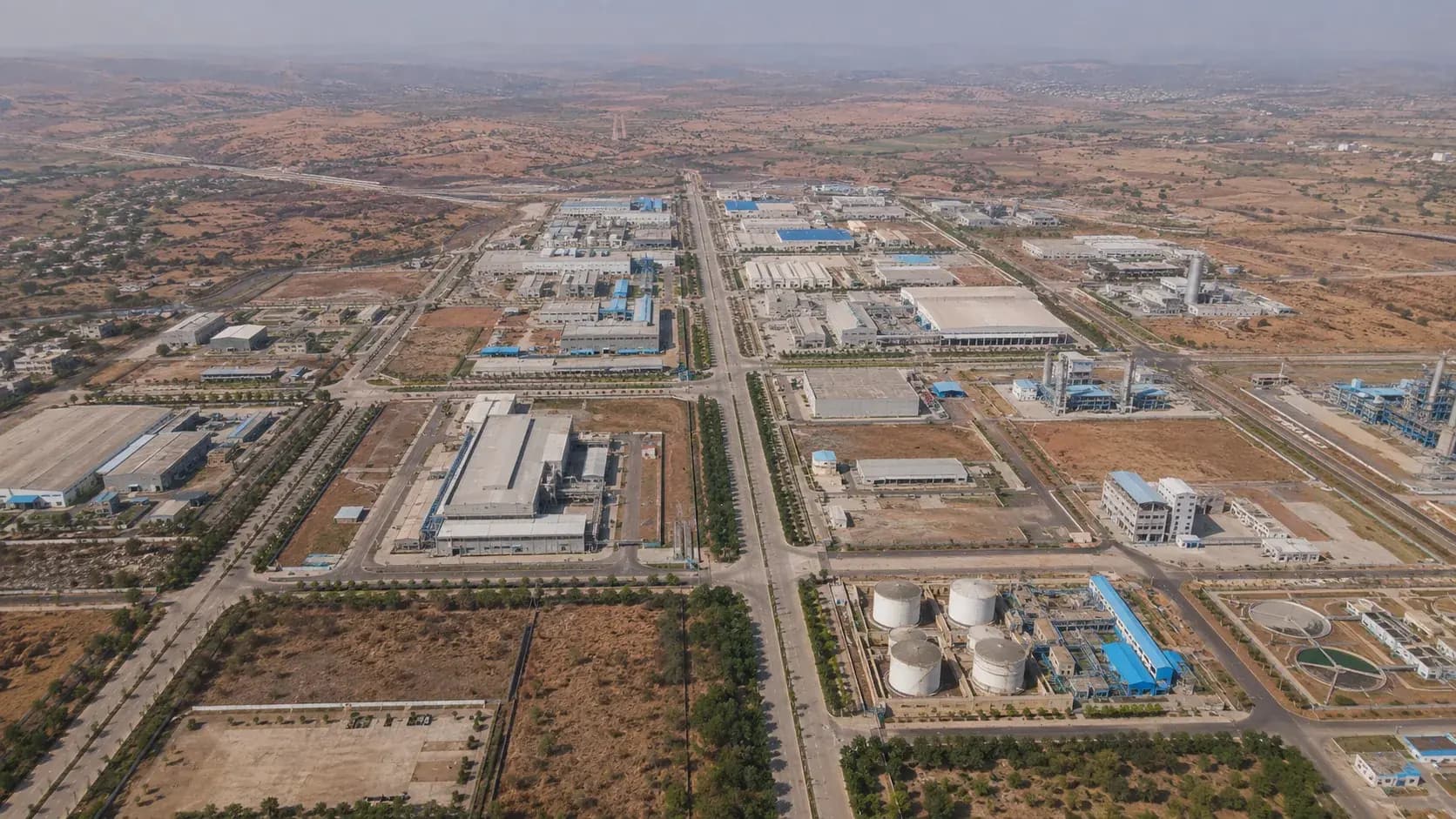
Large township parcels carry substantial existing tree stock, and the enumeration, transplantation feasibility and Tree Authority NOC under the Maharashtra (Urban Areas) Protection and Preservation of Trees Act 1975 gate the earthworks programme for the whole layout.
Screening view on your project, with the category and route named. No obligation.
What this means for townships & area development
A fifty-hectare parcel is not a plot with a few trees on the boundary. It typically carries hundreds or thousands of trees (field boundaries, orchard remnants, nallah-side stands, mature specimens that predate the acquisition) and every one of them is protected until the Tree Authority says otherwise under the 1975 Act. On a township the enumeration is therefore a survey exercise in its own right, geo-referenced against the layout so that it can be read against roads, plots, services corridors and open spaces: the most useful output is not the total count but the answer to which trees the layout can retain, which can be transplanted into the green network, and which genuinely have to go. The 2021 amendment, which introduced heritage-tree protection and referred larger felling proposals to state-level scrutiny, bears directly on parcels of this size, and the timeline for that referral has to be in the development programme rather than discovered when the earthworks contractor mobilises. Where the parcel sits outside a municipal corporation's limits, the applicable authority and process differ, and that has to be established before an application is drafted.
How KIPL runs it
KIPL runs the tree exercise as a planning input first and a permission exercise second. The census is overlaid on the layout early enough for the master planner to retain mature stock in the green network, which is both cheaper and better than felling and replanting, and the transplantation programme moves viable trees into the belt and open spaces where they contribute to the committed green cover from year one. We then take the application through the applicable Tree Authority, including the state-level route where the scale requires it, and carry the compensatory plantation and survival evidence into the half-yearly compliance record. What goes wrong is a contractor clearing a parcel because the site looked like farmland: an offence under the Act, on a scale that is visible from the road and from imagery, at the start of a relationship with the authorities that will run for a decade.
- Trees Act 1975
Every tree on the parcel is protected until permitted
Felling, trimming or transplanting requires permission from the applicable Tree Authority under the Maharashtra (Urban Areas) Protection and Preservation of Trees Act 1975. On a large parcel that means a full enumeration before any earthworks.
- 2021 amendment
Scale triggers state-level scrutiny
The 2021 amendment introduced heritage-tree protection and referred larger felling proposals to state-level scrutiny. A timeline that has to sit in the development programme for a parcel of township size.
- 8(b)
The clearance counts the same stock
Existing tree stock, retention, transplantation and compensatory plantation all appear in the 8(b) file and in the half-yearly compliance report, so the census must serve both the NOC and the clearance.
What you receive
Written for townships & area development, not adapted from a template.
- 01Full geo-referenced tree enumeration across the parcel with species, girth, canopy and condition
- 02Census overlaid on the layout to identify trees the master plan can retain in the green network
- 03Transplantation feasibility by species and girth, with receiving locations identified in the belt and open spaces
- 04Tree Authority application through the applicable authority, including state-level referral where the scale requires it
- 05Transplantation execution, root-ball preparation and establishment-period maintenance
- 06Compensatory plantation programme and dated survival records for the EC half-yearly report
Questions from townships & area development
What townships & area development ask before appointing us.
Answered against the regulation as it stands, not as a sales pitch. If your situation is not here, ask us directly.
Ask a question →Do agricultural or scrub trees on a township parcel need permission?
The protection under the Act attaches to trees within the applicable jurisdiction regardless of how the land was previously used, and the position for a parcel outside municipal corporation limits needs to be established with the relevant authority before clearing. Assuming that farmland trees are unregulated is the most expensive assumption made on township sites.
How early should the enumeration be done?
Before the layout is frozen, because the census is a design input. Mature trees identified early can be retained inside the green network and open spaces, which is cheaper than felling and replanting and gives the township canopy from day one instead of in year eight.
Does the scale of felling change the approval route?
It can. The 2021 amendment refers larger felling proposals to state-level scrutiny and protects heritage trees, so a township-scale proposal may follow a longer route than a single-plot application. That timeline should be built into the earthworks programme from the start.
Is transplanting hundreds of trees realistic?
Some of them, and it is worth doing where it is. Viability depends on species, girth, season, root-ball preparation and irrigation at the receiving location: and a township has a genuine advantage here, because it has somewhere to put them. We give a species-by-species view rather than a headline transplant number.
Where does the compensatory plantation go on a township?
Into the committed green network, which is a real advantage of a large parcel: there is space to plant and space to maintain. The important discipline is to record compensatory plantation separately from the clearance-committed green cover so that one stand is not evidenced twice to two authorities.
What if clearing has already happened?
It has to be disclosed and addressed rather than absorbed into the earthworks. Unauthorised felling is an offence under the Act, it is visible at township scale, and it colours a relationship with the same authorities that will assess every subsequent phase for the next decade.
Stage by stage
How tree management actually runs, step by step.
Also for townships & area development
The rest of the environmental brief for this sector.

Relevant proof
MCGM GARDEN DEVELOPMENT- MIYAWAKI PLANTATION
Miyawaki dense forestation across 27 locations in 7 wards using native species, delivered under the municipal greening programme.
- Area
- ~74,000 m²
- Trees
- ≈1,10,000
- CO₂ (est.)
- 2,052 t
Where we do this
Tree Management for townships & area development, city by city.
Other sectors
Who else we run tree management for.
Next step
Tell us the project, and we will tell you the category and the route.
Screening is the cheapest stage to get right and the most expensive to get wrong. We will say plainly what tree management your townships & area development project needs, and what it does not.





























































Start the conversation