









Pre-acquisition Audit: finding out what environmental liability comes with the asset.
A pre-acquisition audit establishes, before a transaction closes, what environmental obligations and liabilities the buyer would be taking on with the asset.
What it is
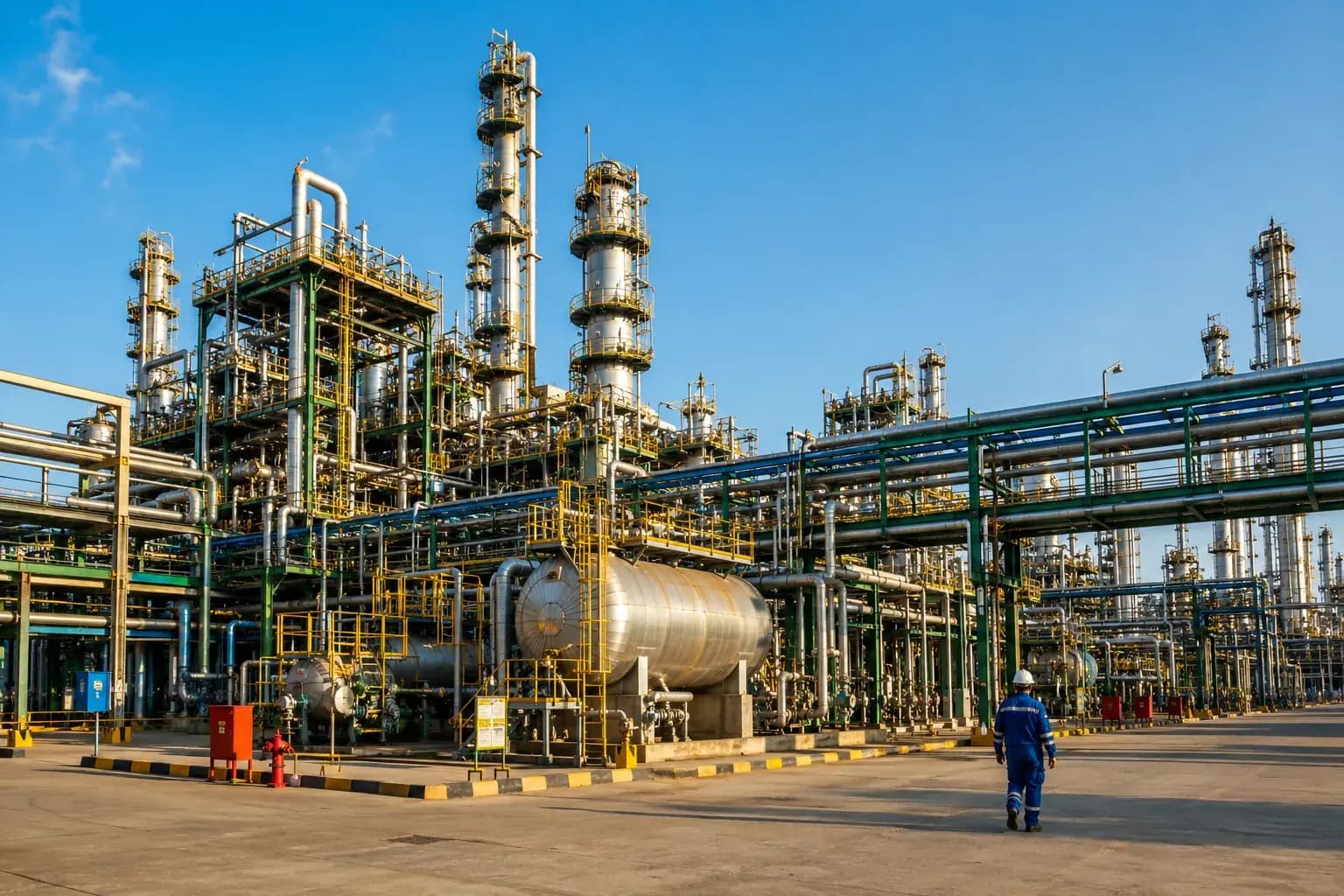
Environmental liability does not stay with the seller by default. Consents and clearances are site-specific and carry conditions that continue after a change of hands; contamination in soil and groundwater is a physical fact that transfers with the land; and unresolved notices, directions or proceedings attach to the operation. A pre-acquisition audit examines the target as it is (permits held and their standing, compliance history, waste handling, discharge and emission performance, evidence of contamination, and any live regulatory or Tribunal action) so the buyer prices what it is buying.
KIPL runs the audit to a deal timetable, which means being explicit about what is known, what is estimated and what could not be established within the access allowed. Findings are reported as exposures (remediate, regularise, negotiate or walk away) with an indication of what each would take, because the value of the exercise to a buyer is a decision, not a description.
What you get
The deliverables, in hand.
- Authority
- EP Act 1986 · polluter-pays principle · lender E&S standards
- Typical timeline
- Weeks, set by the deal timetable and site access
- Permit and clearance standing: validity, conditions, transferability
- Compliance history review including notices, directions and proceedings
- Site walkover with photographic record of environmental risk indicators
- Contamination screening and, where warranted, intrusive investigation scope
- Liability schedule: remediation, regularisation and capex exposure
- Red-flag summary written for the transaction team
Straight answers
Pre-acquisition Audit: common questions.
01What is a pre-acquisition environmental audit?
It is an assessment of a target site or company carried out before a transaction completes, to establish what environmental obligations, breaches and physical liabilities the buyer would inherit. It informs price, warranties and indemnities, and occasionally the decision not to proceed.
02How is it different from environmental due diligence?
In practice the terms overlap. A pre-acquisition audit is usually the site-level examination: permits, records, plant condition, contamination indicators. Environmental due diligence is the wider transaction workstream that includes the audit but also covers corporate-level exposure, regulatory standing, liability quantification and, where a lender is involved, conformity with its environmental and social standards.
03Do environmental liabilities transfer with the asset?
Largely, yes, though the mechanism differs. In a share purchase the company retains its liabilities and the buyer acquires them wholesale. In an asset purchase, permits must be transferred or freshly obtained, and contamination transfers physically with the land. Indian environmental jurisprudence applies the polluter-pays principle robustly, and the National Green Tribunal has been willing to direct remediation costs against current occupiers.
04What are Phase I and Phase II assessments?
A Phase I environmental site assessment is non-intrusive (records, interviews, historical land use and a site walkover) to identify whether contamination is plausible. A Phase II is the intrusive follow-up: soil and groundwater sampling to establish whether contamination actually exists and at what concentration. Phase I is commissioned first; Phase II only if Phase I raises a credible concern.
05Who requires a pre-acquisition audit?
No Indian statute mandates one. It is required by acquirers as commercial prudence, by private equity and strategic investors as an investment committee condition, and by lenders, particularly those applying IFC Performance Standards or the Equator Principles, as a condition of financing. The standard applied is set by whoever is asking.
06How long does it take?
A document and walkover-based audit can be completed in weeks. The variables are access to the site and to records, whether the seller is co-operative in a competitive process, and whether intrusive sampling is needed, laboratory turnaround for soil and groundwater analysis adds materially to the schedule. Where time is short, we state clearly what the constrained scope could not establish.
07What about contaminated land specifically?
India does not yet have a dedicated contaminated-sites statute equivalent to regimes elsewhere; the position is governed by the Environment (Protection) Act 1986, CPCB guidance on the assessment and remediation of contaminated sites, and Tribunal orders. The practical consequence for a buyer is that exposure is real but less predictable, which is an argument for establishing the physical facts before closing rather than after.
Within Environmental Audits
Part of the whole route, the other components.
Relevant proof
Where this stage has already been delivered.

MIDC / AURIC · Shendra & Bidkin, Chhatrapati Sambhajinagar
SHENDRA AND BIDKIN INDUSTRIAL AREA, AURANGABAD
Environmental compliance audits, Consent to Establish and green certification support across two industrial nodes of the Delhi-Mumbai Industrial Corridor.
Where we do this
Environmental Audits on the ground.
The authority, the timeline and the local ground differ by city. These pages set out how environmental audits actually runs in each.
- Ahmedabad
- Ambernath
- Andhra Pradesh
- Badlapur
- Bengaluru
- Bhiwandi
- Chennai
- Chhatrapati Sambhajinagar
- Delhi NCR
- Gandhinagar
- Goa
- Gujarat
- Gurugram
- Haryana
- Hyderabad
- Indore
- Jaipur
- Kalyan-Dombivli
- Karnataka
- Kerala
- Kharghar
- Kochi
- Kolhapur
- Kolkata
- Lucknow
- Madhya Pradesh
- Maharashtra
- Mira-Bhayandar
- Mormugao
- Mumbai
- Nagpur
- Nashik
- Navi Mumbai
- New Delhi
- Noida
- Panaji
- Panvel
- Pune
- Punjab
- Rajasthan
- Rajkot
- Solapur
- Surat
- Taloja
- Tamil Nadu
- Telangana
- Thane
- Ulhasnagar
- Uran
- Uttar Pradesh
- Vadodara
- Vasai-Virar
- Visakhapatnam
- West Bengal
Featured projects
Work that carries its own evidence.


Our expertise
One team across the whole environmental brief.
Pre-acquisition Audit is one stage of one practice. Most projects need several, and the commitments made at clearance are the ones we build and maintain.
Who we do this for
Environmental Audits reads differently by industry.
- 01
Chemical IndustryCore
Contamination history and hazardous-waste records dominate any chemical acquisition or lender diligence, because liability follows the site.
Environmental Audits for Chemical Industry - 02
Sugar IndustryCore
Cooperative mills seeking expansion finance are audited on consent validity, effluent performance and past compliance before terms are set.
Environmental Audits for Sugar Industry - 03
Industrial & ManufacturingCore
Plant acquisitions, lender covenants and group EHS reviews all land as an audit against consent conditions and contamination risk.
Environmental Audits for Industrial & Manufacturing - 04
Mining & MineralsCore
Lease transfers and lender diligence turn on production against sanctioned capacity, reclamation status and past violation history.
Environmental Audits for Mining & Minerals - 05
Logistics & PortsCore
Warehousing platforms and port assets change hands often, and diligence turns on CRZ status, consent validity and contamination at fuel and workshop areas.
Environmental Audits for Logistics & Ports - 06
Municipal CorporationsCore
Civic programmes are audited and RTI-exposed, so third-party performance verification of what was built is part of the delivery.
Environmental Audits for Municipal Corporations - 07
River & Water MissionsCore
Publicly funded programmes are audited on both environmental and social performance, against the standard the funding agreement names.
Environmental Audits for River & Water Missions - 08
Environmental & Social Due DiligenceCore
EDD and ESDD against standards such as the IFC Performance Standards is a condition precedent to disbursement, priced on a deal timeline.
Environmental Audits for Environmental & Social Due Diligence
Trusted by
The organisations this work is done for.









In the press