









Operational Environmental Audit: how a running plant actually performs against its permissions.
An operational environmental audit examines a working plant against its permitted parameters: what it discharges, emits and disposes of, and whether the systems controlling those are performing.
What it is
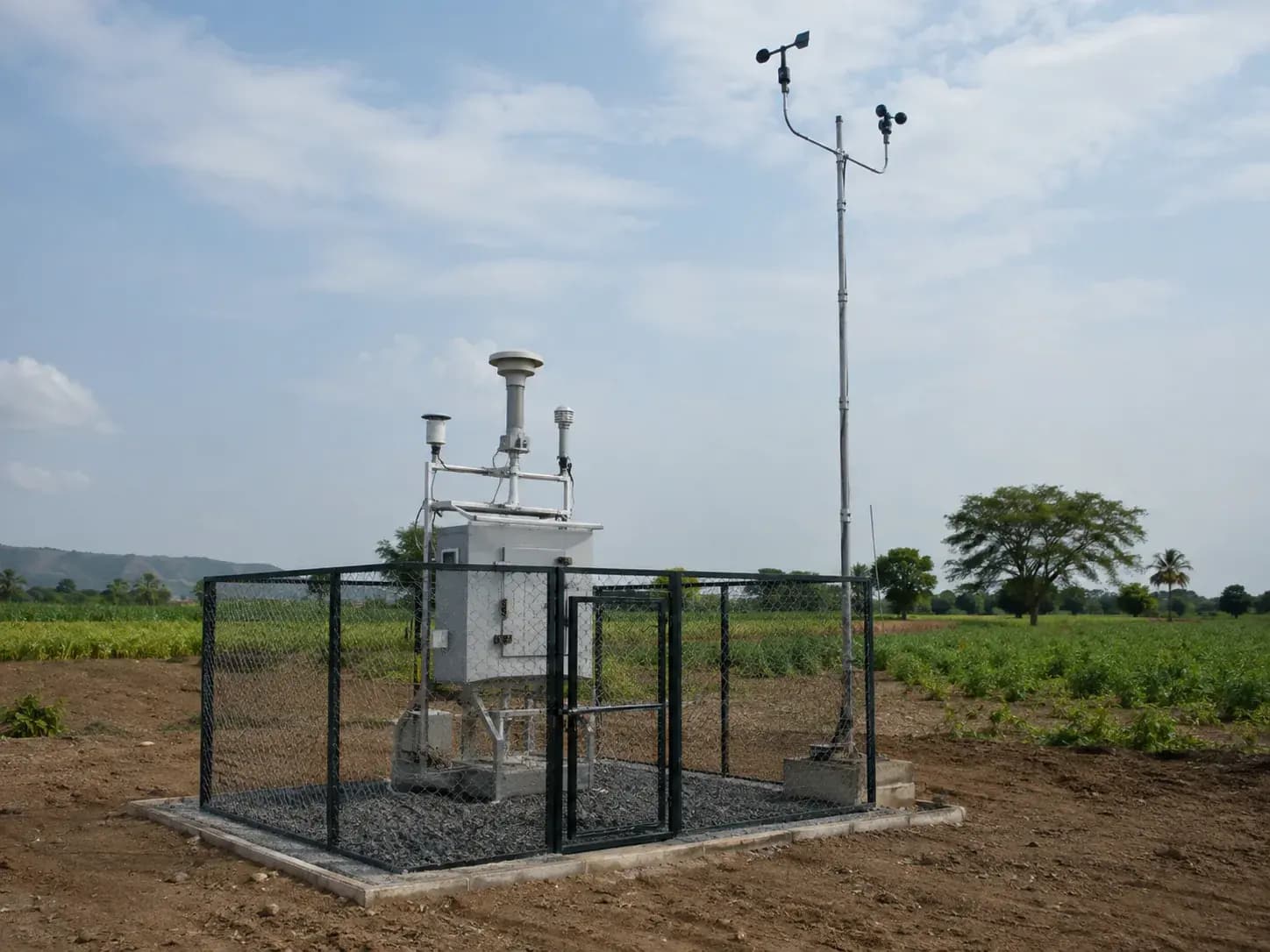
The audit works through the plant as it runs. Effluent treatment performance against consented parameters and quantities; stack emissions and air pollution control equipment against limits and design; hazardous and non-hazardous waste generation against authorised quantities, with the manifests and disposal receipts to match; water balance; noise; storage and handling of chemicals; the integrity of the monitoring itself, including calibration and continuous-monitoring uptime. It is a technical exercise as much as a documentary one, because operational performance is where declared compliance and actual compliance diverge.
KIPL conducts operational audits with people who have run and monitored these systems, so the questions land in the right place: why treated effluent quality drifts on a particular shift, why the scrubber differential pressure is not what the design says, why the manifest count does not reconcile to the annual return. The report separates what is failing from what is merely undocumented, and states plainly what would have to change for the plant to operate inside its consent.
What you get
The deliverables, in hand.
- Authority
- Consent to Operate conditions · CPCB standards · HOWM Rules 2016
- Typical timeline
- Two to five days on site; report in two to three weeks
- Process and utility walkthrough with environmental performance assessment
- ETP, STP and air pollution control system performance review
- Waste stream reconciliation: generation, manifests, disposal, returns
- Monitoring integrity check including calibration and OCEMS uptime
- Consent parameter conformity table with exceedance analysis
- Prioritised improvement plan separating operational fixes from capex
Straight answers
Operational Environmental Audit: common questions.
01What is an operational environmental audit?
It is a technical audit of a plant in operation, testing whether its pollution control systems, waste handling and monitoring are actually delivering the performance its consents require. Unlike a documentary compliance review, it examines the equipment and the process, not only the records.
02Is it the same as the Form-V Environmental Statement?
No. Form-V is the annual Environmental Statement the occupier files with the State Pollution Control Board by 30 September for the year ending 31 March: a self-declaration of water and raw material consumption, pollution generated, waste disposed and improvements made. An operational audit is an independent examination that generates the verified data such a declaration should rest on.
03How often should an operating plant be audited?
Annually is the normal cycle, and it is most useful when timed to feed the Form-V and the consent renewal. Plants with continuous discharge, hazardous waste generation or a history of exceedances benefit from a half-yearly cycle. Any significant process change, capacity increase or new product should trigger an audit rather than waiting for the calendar.
04What does the audit examine in the waste stream?
The full chain: quantities generated against those authorised, storage conditions and duration, the Form 3 authorisation, Form 10 manifests for each consignment, the standing of the receiving treatment, storage and disposal facility or recycler, and whether all of it reconciles to the Form 4 annual return. Waste is where record and reality most often part company.
05Who should carry out the audit?
Someone independent of the operations being audited. An audit run by the same team that operates the ETP and files the returns will, predictably, confirm them. Independence can be internal, a corporate EHS function auditing a site: but external audit carries more weight with boards, lenders and regulators, and brings comparison across plants.
06Does an operational audit help at consent renewal?
Materially. A renewal application is stronger when supported by verified performance data and a closed corrective action record, and weaker when the board raises an issue the applicant has not already identified and addressed. Running the audit ahead of renewal turns findings into a remediation record rather than a query response.
07What happens if the audit finds an exceedance?
It is reported with its cause, its duration if that can be established, and what would correct it: an operating fix, a maintenance intervention or a capital upgrade. Concealing an exceedance found in an audit is far more dangerous than recording it, because the audit itself becomes evidence that the organisation knew. Findings should go into a tracked action plan with dates and closure evidence.
Within Environmental Audits
Part of the whole route, the other components.
Primary sources
Check it at source.
This page describes Consent to Operate conditions · CPCB standards · HOWM Rules 2016. The regulation and the filing portal are public, these are the official endpoints, not our summary of them.
Relevant proof
Where this stage has already been delivered.

MIDC / AURIC · Shendra & Bidkin, Chhatrapati Sambhajinagar
SHENDRA AND BIDKIN INDUSTRIAL AREA, AURANGABAD
Environmental compliance audits, Consent to Establish and green certification support across two industrial nodes of the Delhi-Mumbai Industrial Corridor.
Where we do this
Environmental Audits on the ground.
The authority, the timeline and the local ground differ by city. These pages set out how environmental audits actually runs in each.
- Ahmedabad
- Ambernath
- Andhra Pradesh
- Badlapur
- Bengaluru
- Bhiwandi
- Chennai
- Chhatrapati Sambhajinagar
- Delhi NCR
- Gandhinagar
- Goa
- Gujarat
- Gurugram
- Haryana
- Hyderabad
- Indore
- Jaipur
- Kalyan-Dombivli
- Karnataka
- Kerala
- Kharghar
- Kochi
- Kolhapur
- Kolkata
- Lucknow
- Madhya Pradesh
- Maharashtra
- Mira-Bhayandar
- Mormugao
- Mumbai
- Nagpur
- Nashik
- Navi Mumbai
- New Delhi
- Noida
- Panaji
- Panvel
- Pune
- Punjab
- Rajasthan
- Rajkot
- Solapur
- Surat
- Taloja
- Tamil Nadu
- Telangana
- Thane
- Ulhasnagar
- Uran
- Uttar Pradesh
- Vadodara
- Vasai-Virar
- Visakhapatnam
- West Bengal
Featured projects
Work that carries its own evidence.



Our expertise
One team across the whole environmental brief.
Operational Environmental Audit is one stage of one practice. Most projects need several, and the commitments made at clearance are the ones we build and maintain.
Who we do this for
Environmental Audits reads differently by industry.
- 01
Chemical IndustryCore
Contamination history and hazardous-waste records dominate any chemical acquisition or lender diligence, because liability follows the site.
Environmental Audits for Chemical Industry - 02
Sugar IndustryCore
Cooperative mills seeking expansion finance are audited on consent validity, effluent performance and past compliance before terms are set.
Environmental Audits for Sugar Industry - 03
Industrial & ManufacturingCore
Plant acquisitions, lender covenants and group EHS reviews all land as an audit against consent conditions and contamination risk.
Environmental Audits for Industrial & Manufacturing - 04
Mining & MineralsCore
Lease transfers and lender diligence turn on production against sanctioned capacity, reclamation status and past violation history.
Environmental Audits for Mining & Minerals - 05
Logistics & PortsCore
Warehousing platforms and port assets change hands often, and diligence turns on CRZ status, consent validity and contamination at fuel and workshop areas.
Environmental Audits for Logistics & Ports - 06
Municipal CorporationsCore
Civic programmes are audited and RTI-exposed, so third-party performance verification of what was built is part of the delivery.
Environmental Audits for Municipal Corporations - 07
River & Water MissionsCore
Publicly funded programmes are audited on both environmental and social performance, against the standard the funding agreement names.
Environmental Audits for River & Water Missions - 08
Environmental & Social Due DiligenceCore
EDD and ESDD against standards such as the IFC Performance Standards is a condition precedent to disbursement, priced on a deal timeline.
Environmental Audits for Environmental & Social Due Diligence
Trusted by
The organisations this work is done for.









In the press