










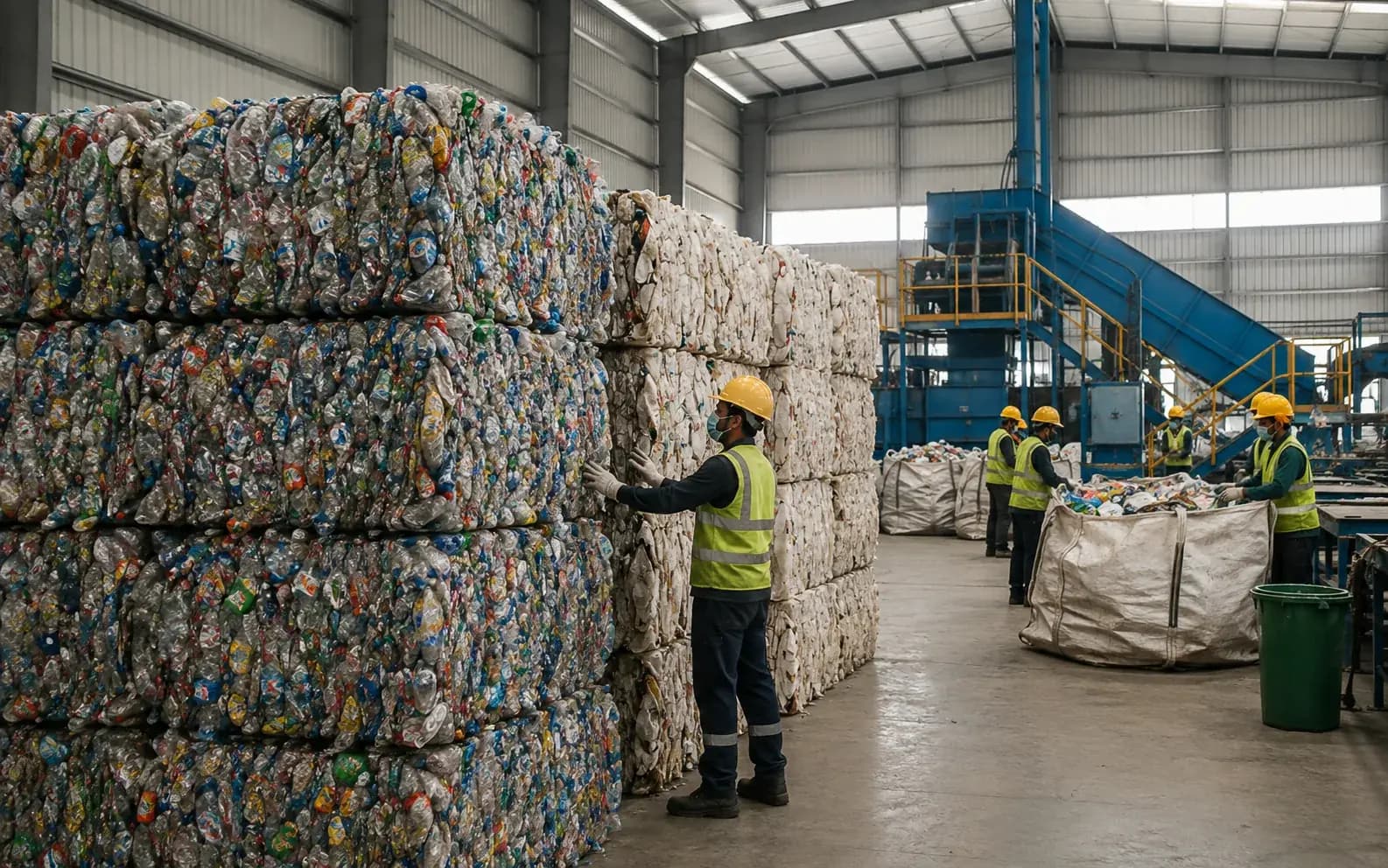
Extended Producer Responsibility consultants in Delhi NCR.
Extended Producer Responsibility in Delhi NCR, on the ground where the work actually is, a four-state region of head offices, factory belts and expressway towns that shares one winter airshed, carried by one accredited team, from the first baseline to the signed-off report.
Why Delhi NCR
The local ground extended producer responsibility sits on.
- Decided with
- CAQM (GRAP and standing directions) · DPCC · HSPCB · UPPCB · RSPCB · CPCB (EPR) · SEBI (BRSR) · NCR Planning Board
- Local ground
- The head-office districts of Delhi, Gurugram and Noida, the factory belts of Faridabad, Sonipat, Ghaziabad and Bhiwadi, and the warehouse and township corridors along the peripheral expressways
- Typically for
- Producers, importers, brand owners & recyclers
Across the National Capital Region, distance and borders set the terms of advisory work. A single company may keep its head office in Delhi, a campus in Gurugram, a plant in Faridabad or Bhiwadi, a warehouse on the Western Peripheral Expressway and a new tower in Greater Noida: each under a different state's regulator, each with its own consent calendar. The region's industry is broad rather than deep: engineering and auto parts, garments and textiles, electronics assembly, food processing and a long tail of small units. What they share is the CAQM, whose winter directions reach the whole list within days of each other.
The NCR holds an unusual share of India's producers and brand owners. Consumer goods, electronics, appliance and e-commerce firms run their national operations from its towers, while importers and traders work out of Delhi's wholesale markets and the warehouse clusters along the expressways. Registration is central, on CPCB's portals, whatever the state, but the goods move through facilities across four jurisdictions. Recyclers in the region vary widely in quality, so the certificates bought to meet targets deserve checking before they are filed. The team travels from its base in Navi Mumbai and stays named on the work, start to finish, not passed down a chain.
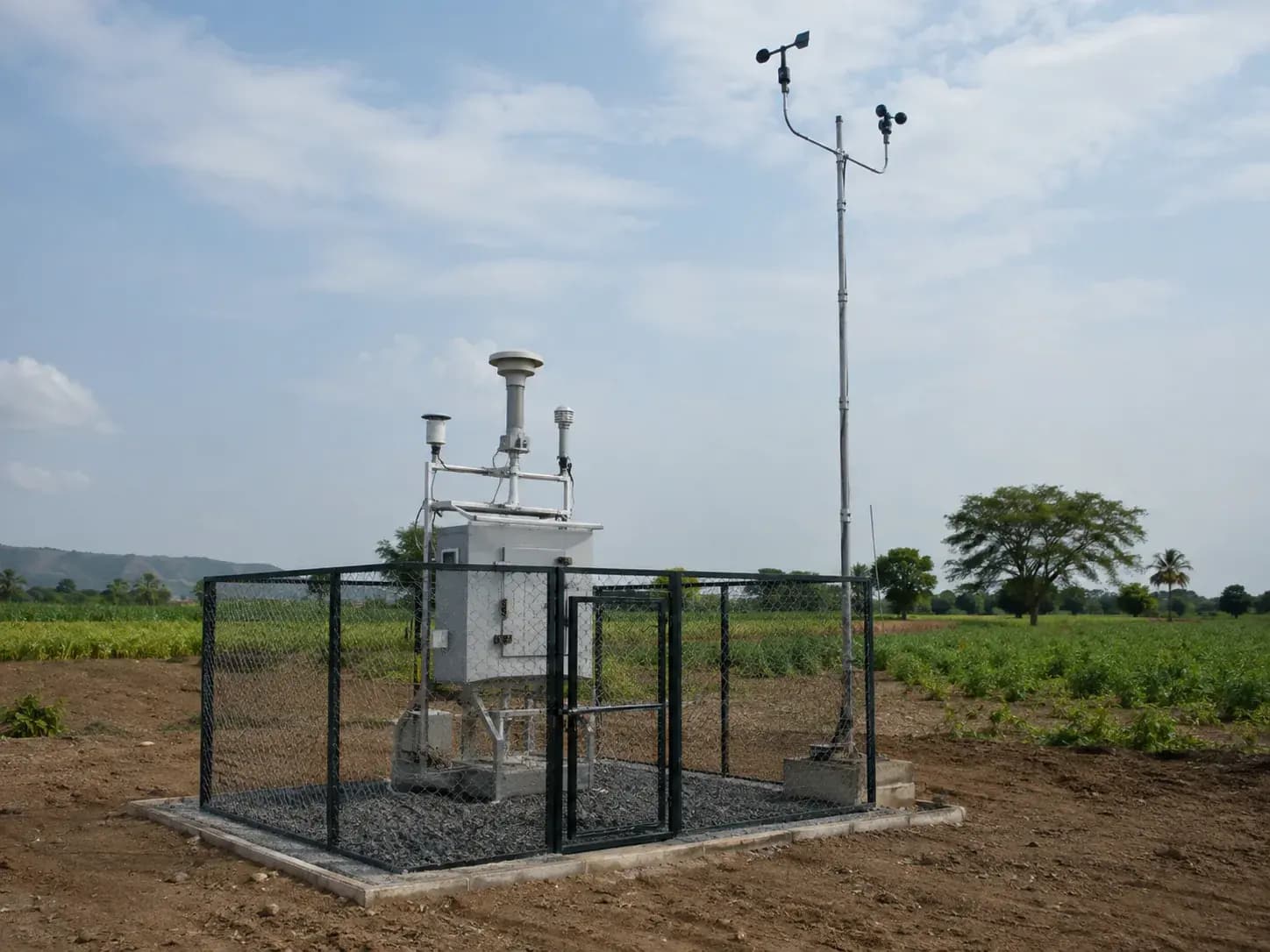
Extended Producer Responsibility · Delhi NCR
If your product becomes waste, the law now follows it there. EPR is where you account for that.
Local demand
What drives extended producer responsibility in Delhi NCR.
The second is the pressure that reaches the whole region at once. Listed firms headquartered in the NCR file BRSR returns with SEBI and push the same questions to suppliers in every sub-region. Central EPR rules for plastics, electronics, batteries and tyres set targets for the many brand owners and importers based here. And the CAQM's standing directions (approved fuels for industry, dust control on construction sites, limits on standby diesel sets) apply from Panipat to Palwal. Compliance in the NCR is less a local matter than a regional one, and it is judged in the same winter across four states.
Registration pressure in the NCR comes from the size of its producer base. Brand owners, importers and marketplace sellers headquartered in the region answer for goods sold across India, under a separate rule for each waste stream (packaging, electronics, batteries, tyres) with targets that climb every year. Customs, marketplaces and large buyers now ask for EPR numbers before they transact. For many firms in the region, registration is prompted by a trading partner before any regulator asks.
How it works
Extended Producer Responsibility, from baseline to sign-off.
- 01/04
Applicability
Which of the four EPR regimes apply (plastic, e-waste, battery, tyre) and in what role.
- 02/04
Registration
Registration on the relevant CPCB EPR portal, with the correct category and targets.
- 03/04
Obligation tracking
The annual EPR targets, credits and documentation tracked through the year.
- 04/04
Annual returns
The annual returns filed, and environmental-compensation exposure managed.
Proof
Comparable work we've delivered.
KwaliChem Pvt. Ltd. · TTC Industrial Area, Rabale, Navi Mumbai
EIA for Synthetic Organic Chemical Industry
CTE/CTO application, ToR application, baseline data collection, EIA report and appraisal before the EAC: Category 5(f), the sector KIPL holds Category A accreditation in.
The record
The work, project by project.
Mandate, method and measured outcome, written end to end for every project on this list.
Environmental compliance audits, Consent to Establish and green certification support across two industrial nodes of the Delhi-Mumbai Industrial Corridor.
Read the case studyOn the ground
Across Delhi NCR, region by region.
A state is many grounds, not one. We read extended producer responsibility against the region a project sits in. And each city below has a page written for its own.
Regions of Delhi NCR
- the NCT of Delhi
- the Haryana sub-region from Sonipat to Palwal
- the UP sub-region from Meerut to Greater Noida
- the Rajasthan sub-region around Alwar, Bhiwadi and Neemrana
- the Aravalli ridge from Delhi to Alwar
- the Yamuna khadar and the Hindon lowlands
- the Western and Eastern Peripheral Expressway belts
- the Delhi–Meerut Namo Bharat line
Cities in Delhi NCR
Straight answers
Extended Producer Responsibility in Delhi NCR: common questions.
01We trade electronics from Delhi and warehouse in Haryana. Which state's rules govern our EPR?
Neither, in the sense you mean. EPR for electronics, plastics and batteries is registered centrally with CPCB, and targets are national. Your warehouse's own consent and waste handling fall under Haryana's regulator. We keep the two separate, so the national obligation and the site obligation are each met.
02Our company runs units in three NCR states. Do we need separate consents for each?
Yes. Establishment and operating consents come from the pollution regulator of the state where each unit sits (DPCC in Delhi, HSPCB in Haryana, UPPCB in Uttar Pradesh, RSPCB in Rajasthan) and each has its own portal, fees and renewal cycle. CAQM directions apply to all of them alike. We keep one register across the sites, so a lapse in one state is seen before it becomes a notice.
03How long does extended producer responsibility take in Delhi NCR, and who is involved?
CAQM (GRAP and standing directions) · DPCC · HSPCB · UPPCB · RSPCB · CPCB (EPR) · SEBI (BRSR) · NCR Planning Board are the bodies a Delhi NCR project works with. On timing: registration weeks; returns annual. KIPL sets out a realistic Delhi NCR schedule once the site and the scope have been read, and carries the work through to the outcome, with comparable work on the record such as EIA for Synthetic Organic Chemical Industry.
By industry
The same filing, read for your sector.
- 01
Chemical IndustryCore
Packaging in rigid and multilayer plastic brings the unit inside Plastic Waste EPR under the 2022 amendment, with annual returns and compensation exposure.
Extended Producer Responsibility for Chemical Industry - 02
Industrial & ManufacturingCore
Producers, importers and brand owners register on the CPCB portal across plastic, e-waste, battery and tyre regimes, and file annual returns.
Extended Producer Responsibility for Industrial & Manufacturing - 03
Data Centres & IT Parks
Server and battery refresh cycles bring the operator inside the E-Waste Rules 2022 and Battery Waste Rules 2022 as importer or bulk consumer.
Extended Producer Responsibility for Data Centres & IT Parks
In the press
Covers, features and conversations: the work, talked through.



Keep exploring
Where this connects.
The service
01Extended Producer Responsibility, in full: and the practices that run beside it.
- Extended Producer Responsibility: the full service
- Green Building Certification
- Post-EC Compliance
- Statutory Compliance Management
- Environmental Audits
Markets here
02The sectors this work is busiest in around Delhi NCR.
- Group & Multi-Site Compliance
- Industrial & Manufacturing
- ESG, BRSR & Carbon Reporting
- Logistics & Ports
Clients & partners
The work is trusted where the stakes are highest.
Two decades of clearances, treatment plants and green infrastructure delivered for India’s builders, industry and public bodies, and the global engineering firms beside them.





























































Sideways
Extended Producer Responsibility beyond Delhi NCR, and what else we do there.
Extended Producer Responsibility in Delhi NCR? Start with where the project stands today.
One conversation to read the obligations in front of you and map what it takes to meet them.