











Statutory Compliance Management consultants in Delhi NCR.
Statutory Compliance Management in Delhi NCR, on the ground where the work actually is, a four-state region of head offices, factory belts and expressway towns that shares one winter airshed, carried by one accredited team, from the first baseline to the signed-off report.
Why Delhi NCR
The local ground statutory compliance management sits on.
- Decided with
- CAQM (GRAP and standing directions) · DPCC · HSPCB · UPPCB · RSPCB · CPCB (EPR) · SEBI (BRSR) · NCR Planning Board
- Local ground
- The head-office districts of Delhi, Gurugram and Noida, the factory belts of Faridabad, Sonipat, Ghaziabad and Bhiwadi, and the warehouse and township corridors along the peripheral expressways
- Typically for
- Any operation carrying environmental obligations
Across the National Capital Region, distance and borders set the terms of advisory work. A single company may keep its head office in Delhi, a campus in Gurugram, a plant in Faridabad or Bhiwadi, a warehouse on the Western Peripheral Expressway and a new tower in Greater Noida: each under a different state's regulator, each with its own consent calendar. The region's industry is broad rather than deep: engineering and auto parts, garments and textiles, electronics assembly, food processing and a long tail of small units. What they share is the CAQM, whose winter directions reach the whole list within days of each other.
A unit in the NCR carries two layers of rules. The first is its own state's: consents from DPCC, HSPCB, UPPCB or RSPCB, hazardous-waste authorisation, groundwater permission under that state's regime. The second is regional: the CAQM's standing directions on fuel and emissions, and the GRAP stages each winter. The two do not always move together, and the regional layer changes faster. A register that tracks both, site by site, is how a multi-state business keeps ahead of either. The team travels from its base in Navi Mumbai and stays named on the work, start to finish, not passed down a chain.
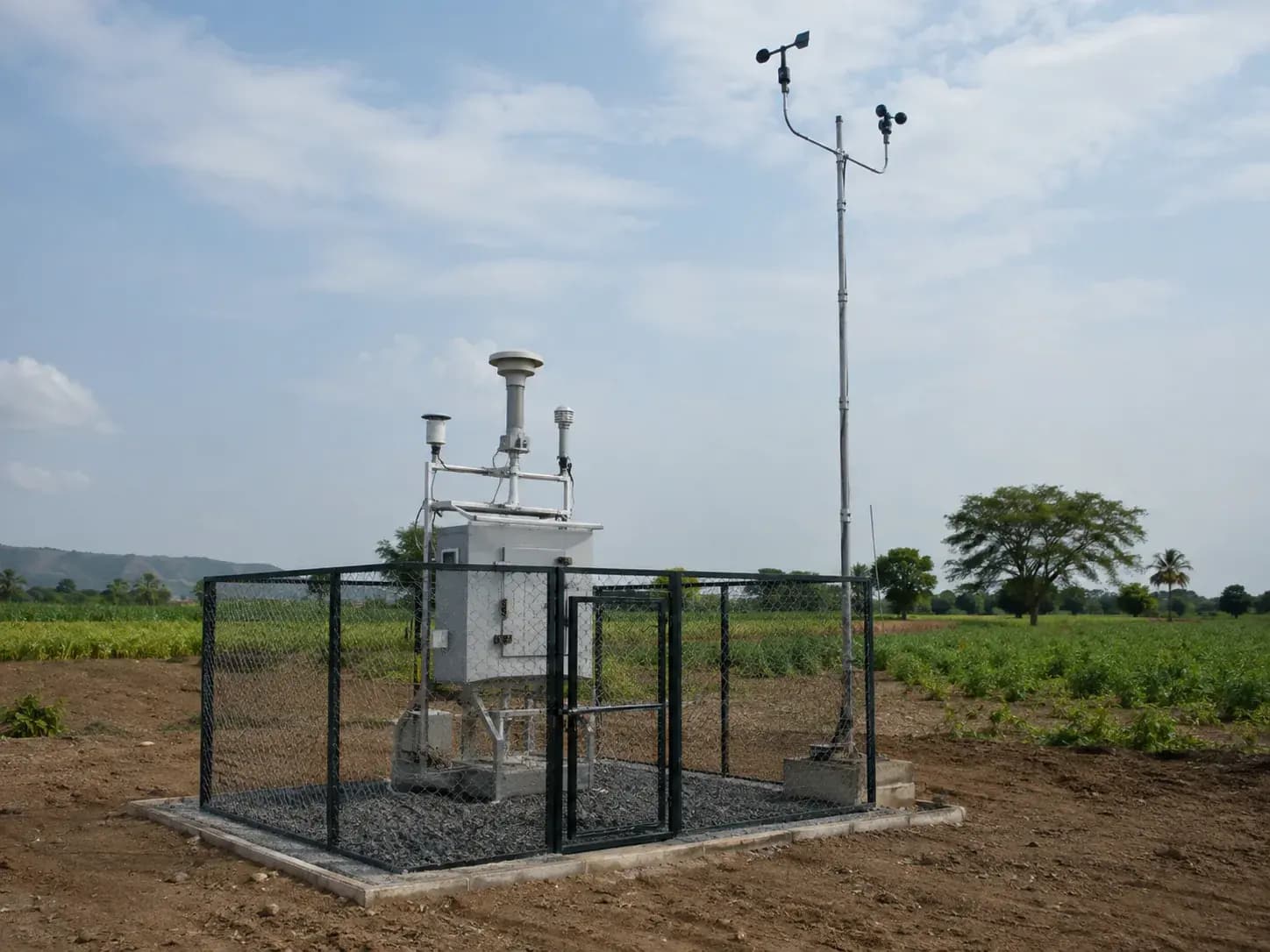
Statutory Compliance Management · Delhi NCR
Compliance rarely fails on the answer. It fails on the date. We keep the date.
Local demand
What drives statutory compliance management in Delhi NCR.
Scatter comes first. Businesses here rarely sit in one jurisdiction for long: they expand across the Yamuna into Uttar Pradesh, down the Delhi–Jaipur highway into Rajasthan, or out along the KMP ring into Haryana's new estates. Each move brings a fresh consent under a different board, a different groundwater regime and a different set of local officers. Keeping these aligned has become a task in itself. The company that can see, in one place, which site holds which permission and when each one lapses spends far less time answering notices.
Enforcement across the NCR has grown more coordinated. The CAQM sets directions for the region, the state regulators carry them out, and inspection drives each winter look for unapproved fuels, open dust and unregistered units in every sub-region. The NGT's principal bench, sitting in Delhi, has heard many of the region's air, river and groundwater cases. A multi-state business meets these as one pattern, even though the notices arrive from different offices.
How it works
Statutory Compliance Management, from baseline to sign-off.
- 01/04
Legal register
Every applicable obligation identified and mapped to your sites and activities.
- 02/04
Compliance calendar
Deadlines scheduled with owners and reminders: the single source of truth.
- 03/04
Filings
The MPCB/CPCB/SPCB filings and returns prepared and submitted on time.
- 04/04
Audit
Periodic compliance audits that confirm the register is complete and current.
Proof
Comparable work we've delivered.

MIDC / AURIC · Shendra & Bidkin, Chhatrapati Sambhajinagar
SHENDRA AND BIDKIN INDUSTRIAL AREA, AURANGABAD
Environmental compliance audits, Consent to Establish and green certification support across two industrial nodes of the Delhi-Mumbai Industrial Corridor.
The record
The work, project by project.
Mandate, method and measured outcome, written end to end for every project on this list.
Green zone development and maintenance across multiple client sites at Jamnagar, covering 120 acres. The wider Jamnagar portfolio also included Miyawaki plantation and maintenance of approximately 80,000 plants across 24,000 sq m.
Read the case studyOn the ground
Across Delhi NCR, region by region.
A state is many grounds, not one. We read statutory compliance management against the region a project sits in. And each city below has a page written for its own.
Regions of Delhi NCR
- the NCT of Delhi
- the Haryana sub-region from Sonipat to Palwal
- the UP sub-region from Meerut to Greater Noida
- the Rajasthan sub-region around Alwar, Bhiwadi and Neemrana
- the Aravalli ridge from Delhi to Alwar
- the Yamuna khadar and the Hindon lowlands
- the Western and Eastern Peripheral Expressway belts
- the Delhi–Meerut Namo Bharat line
Cities in Delhi NCR
Straight answers
Statutory Compliance Management in Delhi NCR: common questions.
01Who inspects an NCR unit for compliance with CAQM directions?
Chiefly the state pollution regulator and the district administration where the unit sits, with CAQM flying squads carrying out inspections of their own. Findings can lead to closure directions for units found in breach. We prepare each site for either kind of visit with the same file: consents, fuel records, emission tests and dust measures.
02Our company runs units in three NCR states. Do we need separate consents for each?
Yes. Establishment and operating consents come from the pollution regulator of the state where each unit sits (DPCC in Delhi, HSPCB in Haryana, UPPCB in Uttar Pradesh, RSPCB in Rajasthan) and each has its own portal, fees and renewal cycle. CAQM directions apply to all of them alike. We keep one register across the sites, so a lapse in one state is seen before it becomes a notice.
03How long does statutory compliance management take in Delhi NCR, and who is involved?
CAQM (GRAP and standing directions) · DPCC · HSPCB · UPPCB · RSPCB · CPCB (EPR) · SEBI (BRSR) · NCR Planning Board are the bodies a Delhi NCR project works with. On timing: ongoing, managed against the calendar. KIPL sets out a realistic Delhi NCR schedule once the site and the scope have been read, and carries the work through to the outcome, with comparable work on the record such as SHENDRA AND BIDKIN INDUSTRIAL AREA, AURANGABAD.
By industry
The same filing, read for your sector.
- 01
Hospitality, Healthcare & EducationCore
Bio-medical waste authorisation, consent renewal and Form-V returns run on fixed dates that a hospital administration cannot afford to miss.
Statutory Compliance Management for Hospitality, Healthcare & Education - 02
Industrial & ManufacturingCore
The failure mode is never a wrong answer; it is a missed date on a consent renewal, a Form-V or a hazardous-waste return found by an inspector.
Statutory Compliance Management for Industrial & Manufacturing - 03
Industrial Corridors & MIDCCore
An estate authority needs a compliance framework its allottees inherit, so that plot-level failures do not become the node's liability.
Statutory Compliance Management for Industrial Corridors & MIDC - 04
Environmental & Social Due DiligenceCore
A regulatory gap assessment across a portfolio tells the investment committee which assets are running on a lapsed consent or an unfiled return.
Statutory Compliance Management for Environmental & Social Due Diligence - 05
Real Estate & Construction
Consent renewals, Form-V returns and tree-NOC conditions run on separate calendars that a developer's project team is not built to track.
Statutory Compliance Management for Real Estate & Construction - 06
Data Centres & IT Parks
Used oil, spent batteries, consent renewals and ESZ conditions form a compliance calendar that a lean facilities team cannot carry alone.
Statutory Compliance Management for Data Centres & IT Parks - 07
Chemical Industry
Hazardous-waste authorisation, manifest returns, Form-V and consent renewal make a legal register and a compliance calendar unavoidable.
Statutory Compliance Management for Chemical Industry - 08
Distilleries & Ethanol
Consent renewal, Form-V and continuous effluent monitoring reporting run alongside an excise regime that leaves no slack in the calendar.
Statutory Compliance Management for Distilleries & Ethanol
In the press
Covers, features and conversations: the work, talked through.



Keep exploring
Where this connects.
The service
01Statutory Compliance Management, in full: and the practices that run beside it.
- Statutory Compliance Management: the full service
- Green Building Certification
- Post-EC Compliance
- Environmental Audits
- Environment Management & Mitigation Plan
Markets here
02The sectors this work is busiest in around Delhi NCR.
- Group & Multi-Site Compliance
- Industrial & Manufacturing
- ESG, BRSR & Carbon Reporting
- Logistics & Ports
Clients & partners
The work is trusted where the stakes are highest.
Two decades of clearances, treatment plants and green infrastructure delivered for India’s builders, industry and public bodies, and the global engineering firms beside them.





























































Sideways
Statutory Compliance Management beyond Delhi NCR, and what else we do there.
Statutory Compliance Management in Delhi NCR? Start with where the project stands today.
One conversation to read the obligations in front of you and map what it takes to meet them.