










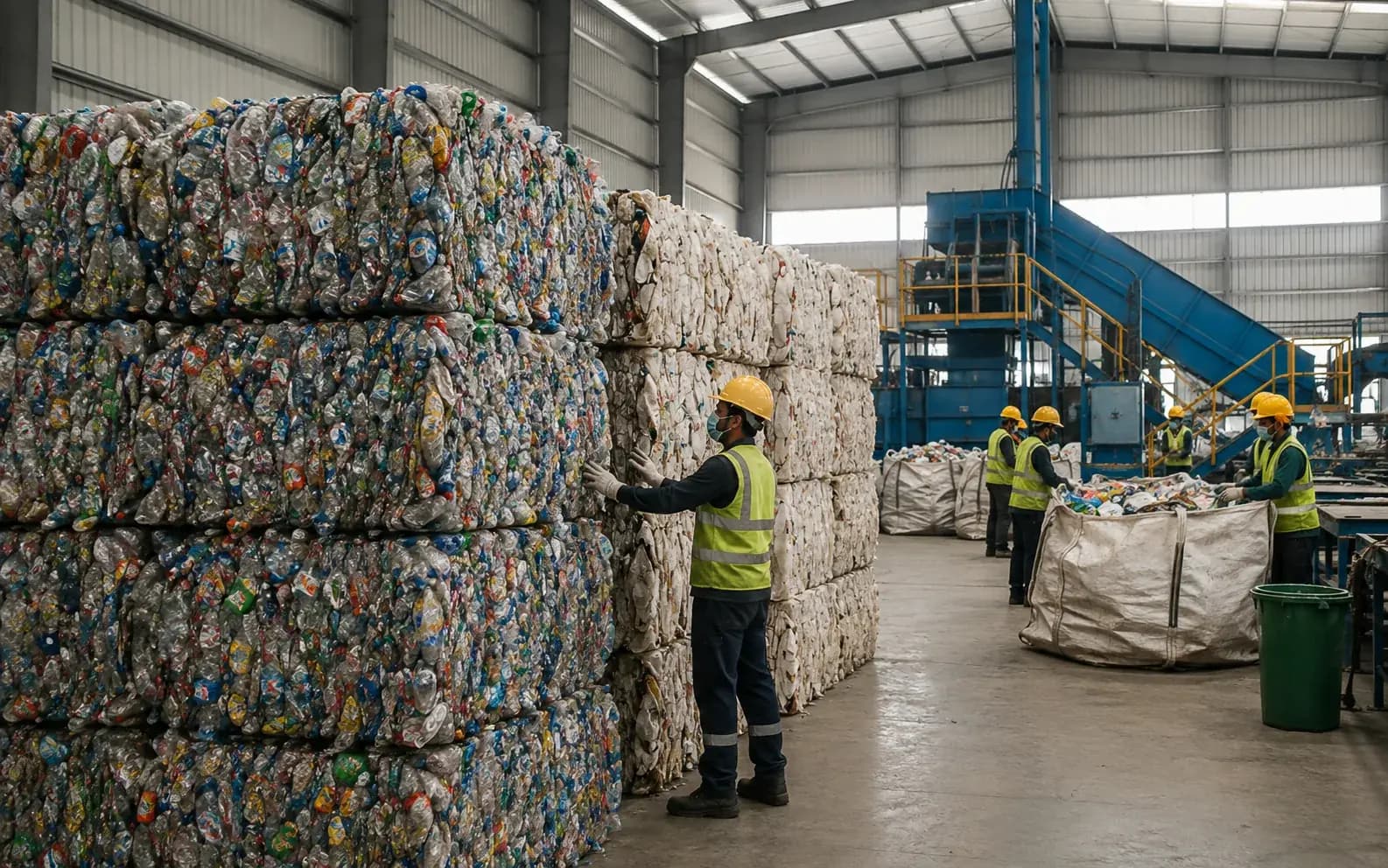
Extended Producer Responsibility consultants in Chennai.
Extended Producer Responsibility in Chennai, on the ground where the work actually is, the Sriperumbudur–Oragadam auto corridor, the OMR office belt and the Manali–Ennore refinery coast, carried by one accredited team, from the first baseline to the signed-off report.
Why Chennai
The local ground extended producer responsibility sits on.
- Decided with
- TNPCB · SEIAA Tamil Nadu · CPCB (EPR) · SEBI (BRSR) · CMDA
- Local ground
- Sriperumbudur, Irungattukottai and Oragadam in the western SIPCOT belt, the Taramani–Siruseri stretch of the OMR, and the Manali, Ennore and Gummidipoondi industrial coast
- Typically for
- Producers, importers, brand owners & recyclers
Chennai's advisory ground falls into three belts that barely touch. West of the city, along the Bengaluru highway, the SIPCOT estates at Sriperumbudur, Irungattukottai and Oragadam hold vehicle plants, tyre makers and the phone and electronics assemblers that grew up around them. South, the IT Expressway on Rajiv Gandhi Salai, the OMR: carries office parks from Taramani to Siruseri. North, Manali and Ennore hold a refinery, fertiliser works, petrochemical units, power stations and two ports. Each belt answers to TNPCB, and each is questioned differently by the people it sells to.
Chennai's EPR obligations follow its assembly lines. Phone and electronics makers around Sriperumbudur carry e-waste targets that grow with every unit shipped. Vehicle makers and tyre plants in the Kancheepuram and Tiruvallur belts sit under the battery and waste-tyre regimes, and lubricant blenders near Manali may carry used-oil obligations. Snack, beverage and toiletry labels filled and packed around the city add plastic packaging duties. Every regime keeps a separate portal, target and certificate trail, and one company can hold four registrations without any single manager seeing all of them. The team travels from its base in Navi Mumbai and stays named on the work, start to finish, not passed down a chain.
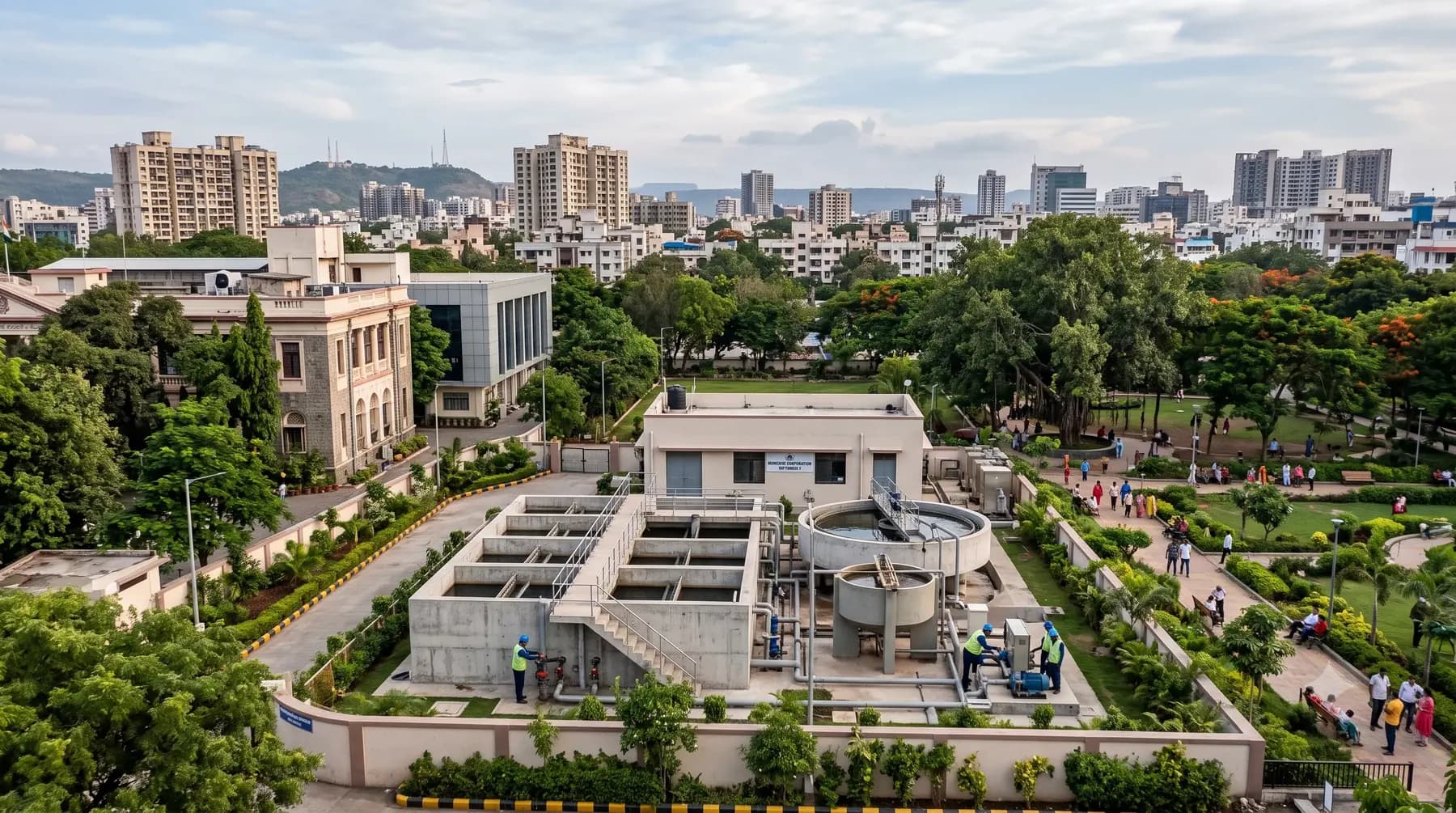
Extended Producer Responsibility · Chennai
If your product becomes waste, the law now follows it there. EPR is where you account for that.
Local demand
What drives extended producer responsibility in Chennai.
Exports set much of the pace. Cars shipped from Chennai's port, components sent to makers abroad and devices assembled for global brands all travel with buyers' questionnaires attached: asking about electricity, water, waste and, more recently, carbon. SEBI's BRSR framework draws listed carmakers and tier-one suppliers into value-chain reporting, and the request passes to the smaller press shops and moulders in Ambattur, Thirumazhisai and the Kancheepuram estates. Many of those units hold a TNPCB consent and little else in writing. They are now asked for numbers that a buyer's auditor is going to test.
The size of Chennai's electronics and vehicle output is what makes EPR heavy here. India's e-waste rules of 2022 set collection targets on producers in proportion to what they sell, and phone and appliance assembly around Sriperumbudur runs at high volume. The 2022 battery rules cover carmakers and the growing electric two-wheeler supply chain. Tyres carry their own EPR under the hazardous-waste rules. Importers of parts and finished goods carry obligations too: a trading office in Chennai can be a producer without a single machine.
How it works
Extended Producer Responsibility, from baseline to sign-off.
- 01/04
Applicability
Which of the four EPR regimes apply (plastic, e-waste, battery, tyre) and in what role.
- 02/04
Registration
Registration on the relevant CPCB EPR portal, with the correct category and targets.
- 03/04
Obligation tracking
The annual EPR targets, credits and documentation tracked through the year.
- 04/04
Annual returns
The annual returns filed, and environmental-compensation exposure managed.
Proof
Comparable work we've delivered.
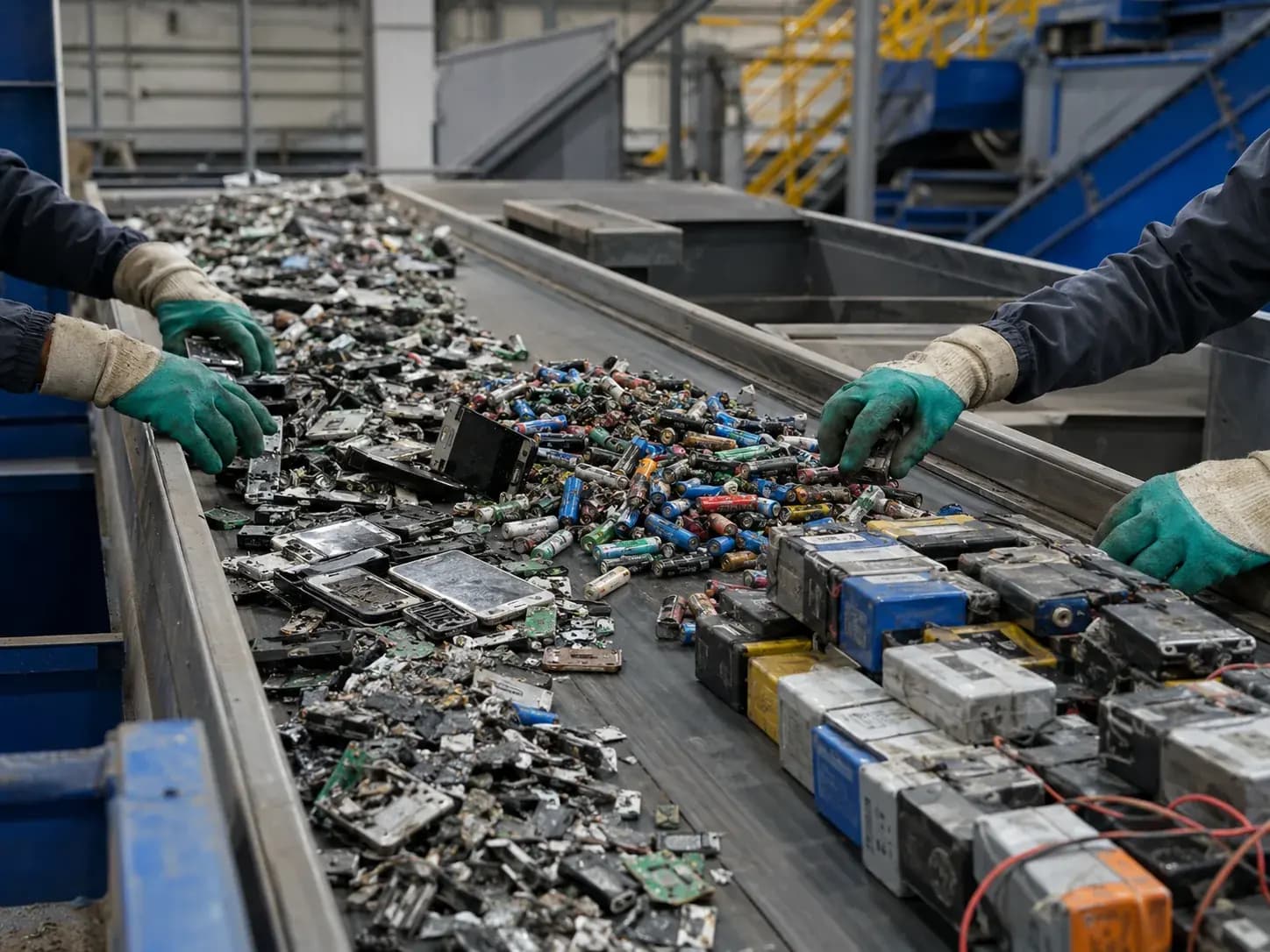
KwaliChem Pvt. Ltd. · TTC Industrial Area, Rabale, Navi Mumbai
EIA for Synthetic Organic Chemical Industry
CTE/CTO application, ToR application, baseline data collection, EIA report and appraisal before the EAC: Category 5(f), the sector KIPL holds Category A accreditation in.
The record
The work, project by project.
Mandate, method and measured outcome, written end to end for every project on this list.
Category B1 under Schedule 8(b): EIA and EMP prepared and carried through SEIAA appraisal for the expansion at Nerul.
Read the case studyOn the ground
Across Chennai, and the belt around it.
Local means the node, not the pin on the map. We carry extended producer responsibility across the Chennai nodes and the wider Chennai Metropolitan Area: where the units, plots and projects actually sit.
Nodes we work across in Chennai
- Old Mahabalipuram Road (OMR)
- Guindy
- Ambattur
- Sriperumbudur
- Oragadam
- Manali–Ennore
- Gummidipoondi
- Mahindra World City (Chengalpattu)
Also across the Chennai Metropolitan Area
Straight answers
Extended Producer Responsibility in Chennai: common questions.
01We import components through Chennai port and assemble them nearby. Does EPR treat us as a producer?
Possibly, depending on what you sell and under whose name. An importer of electrical or electronic equipment, batteries or packaged goods usually carries the obligation for what it sells in India. Parts that go into another company's branded product may fall under that brand's registration instead. Each product line is traced to its rules before a registration goes in.
02What must a TNPCB-consented unit near Chennai file every year?
Two national deadlines anchor the year: the Form V statement covering the last April-to-March year, which TNPCB expects by 30 September, and, for any unit that generates hazardous waste: the annual waste return, expected by 30 June. Around them sit the consent renewal, EPR filings and, where an EC is held, a compliance report twice a year. We hold every item on one schedule, each item paired with the papers it needs.
03How long does extended producer responsibility take in Chennai, and who is involved?
TNPCB · SEIAA Tamil Nadu · CPCB (EPR) · SEBI (BRSR) · CMDA are the bodies a Chennai project works with. On timing: registration weeks; returns annual. KIPL sets out a realistic Chennai schedule once the site and the scope have been read, and carries the work through to the outcome, with comparable work on the record such as EIA for Synthetic Organic Chemical Industry.
By industry
The same filing, read for your sector.
- 01
Chemical IndustryCore
Packaging in rigid and multilayer plastic brings the unit inside Plastic Waste EPR under the 2022 amendment, with annual returns and compensation exposure.
Extended Producer Responsibility for Chemical Industry - 02
Industrial & ManufacturingCore
Producers, importers and brand owners register on the CPCB portal across plastic, e-waste, battery and tyre regimes, and file annual returns.
Extended Producer Responsibility for Industrial & Manufacturing - 03
Data Centres & IT Parks
Server and battery refresh cycles bring the operator inside the E-Waste Rules 2022 and Battery Waste Rules 2022 as importer or bulk consumer.
Extended Producer Responsibility for Data Centres & IT Parks
In the press
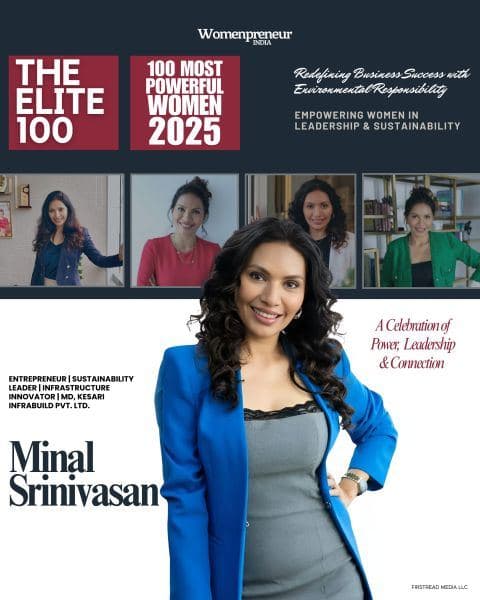
Covers, features and conversations: the work, talked through.


Keep exploring
Where this connects.
The service
01Extended Producer Responsibility, in full: and the practices that run beside it.
- Extended Producer Responsibility: the full service
- Green Building Certification
- Post-EC Compliance
- Statutory Compliance Management
- Environmental Audits
Markets here
02The sectors this work is busiest in around Chennai.
- Industrial & Manufacturing
- Chemical Industry
- Group & Multi-Site Compliance
- ESG, BRSR & Carbon Reporting
Clients & partners
The work is trusted where the stakes are highest.
Two decades of clearances, treatment plants and green infrastructure delivered for India’s builders, industry and public bodies, and the global engineering firms beside them.





























































Sideways
Extended Producer Responsibility beyond Chennai, and what else we do there.
Extended Producer Responsibility in Chennai? Start with where the project stands today.
One conversation to read the obligations in front of you and map what it takes to meet them.