










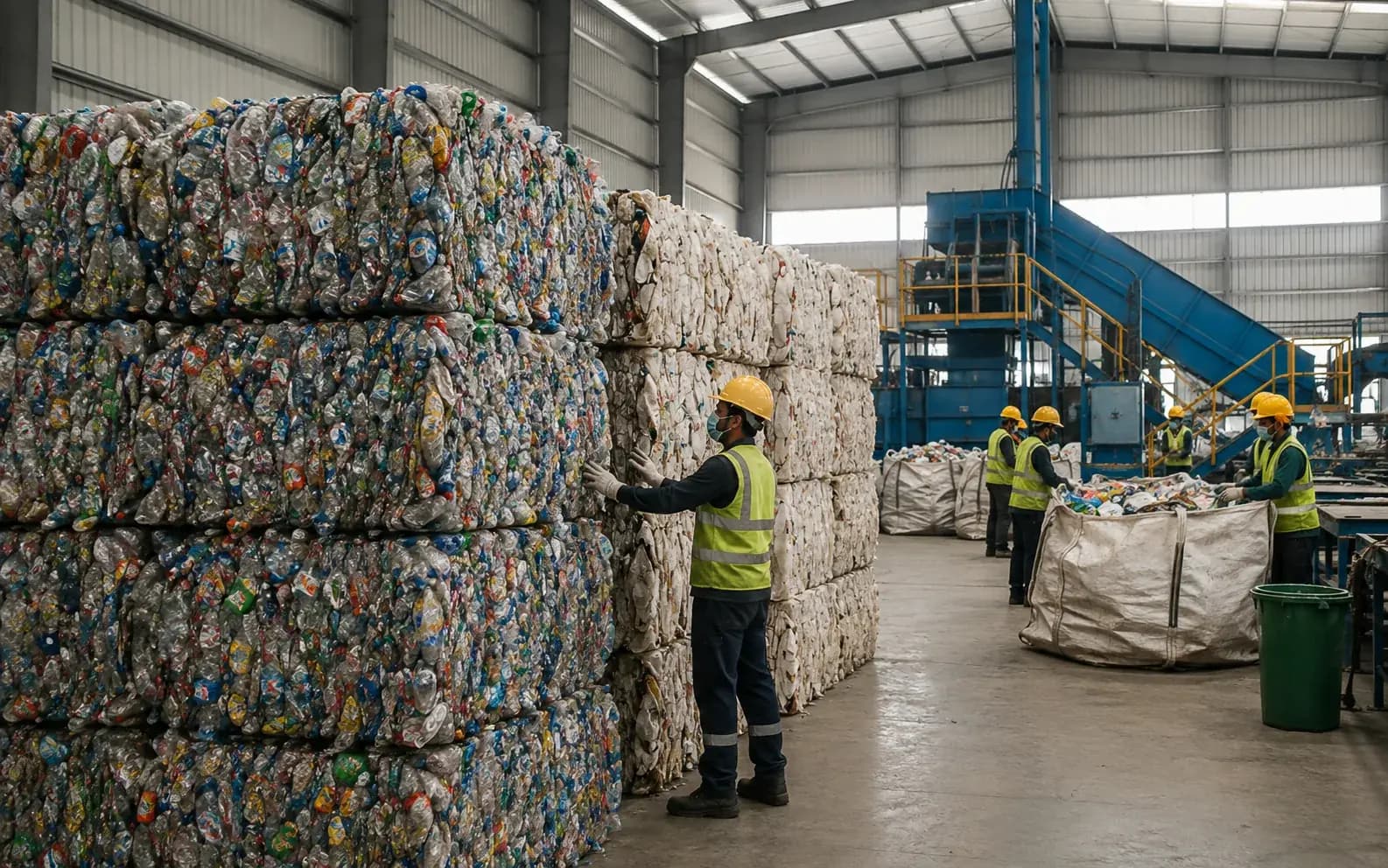
Extended Producer Responsibility consultants in Uttar Pradesh.
Extended Producer Responsibility in Uttar Pradesh, on the ground where the work actually is, the Ganga basin's tanneries and sugar mills, the expressway industrial nodes and the defence corridor from Agra to Chitrakoot, carried by one accredited team, from the first baseline to the signed-off report.
Why Uttar Pradesh
The local ground extended producer responsibility sits on.
- Decided with
- UPPCB (Lucknow HQ, district regional offices) · SEIAA Uttar Pradesh · NMCG / State Mission for Clean Ganga · SEBI (BRSR) · CPCB (EPR)
- Local ground
- The leather belt of Kanpur and Unnao, the sugar and distillery districts of the west, the carpet, glass and brass clusters, and the industrial nodes along the expressways
- Typically for
- Producers, importers, brand owners & recyclers
Two maps govern advisory work in Uttar Pradesh; the older one is drawn by rivers: leather at Kanpur and Unnao, carpets around Bhadohi, brassware at Moradabad, glass at Firozabad, sugar mills and distilleries across the western districts, each clustered where water and labour were close. The newer map is drawn by expressways: logistics parks, food processing units and factory plots strung along the four expressways already open, and six defence corridor nodes planned from Agra to Chitrakoot. Both maps answer to one pollution control board, but they ask very different questions of it.
EPR in Uttar Pradesh reaches a long list of makers who would never call themselves producers. Phone and appliance plants in the west hold electronics and cell recycling quotas. Dairies, snack makers, flour mills and bottlers wrap their goods in plastic film. Tyre and battery dealers supply a vehicle fleet few states can match. Exporters from the handicraft clusters pack for retail abroad and at home. Each set of rules runs its own portal login and yearly filing, and a mid-sized firm can fall under two without noticing either. The team travels from its base in Navi Mumbai and stays named on the work, start to finish, not passed down a chain.
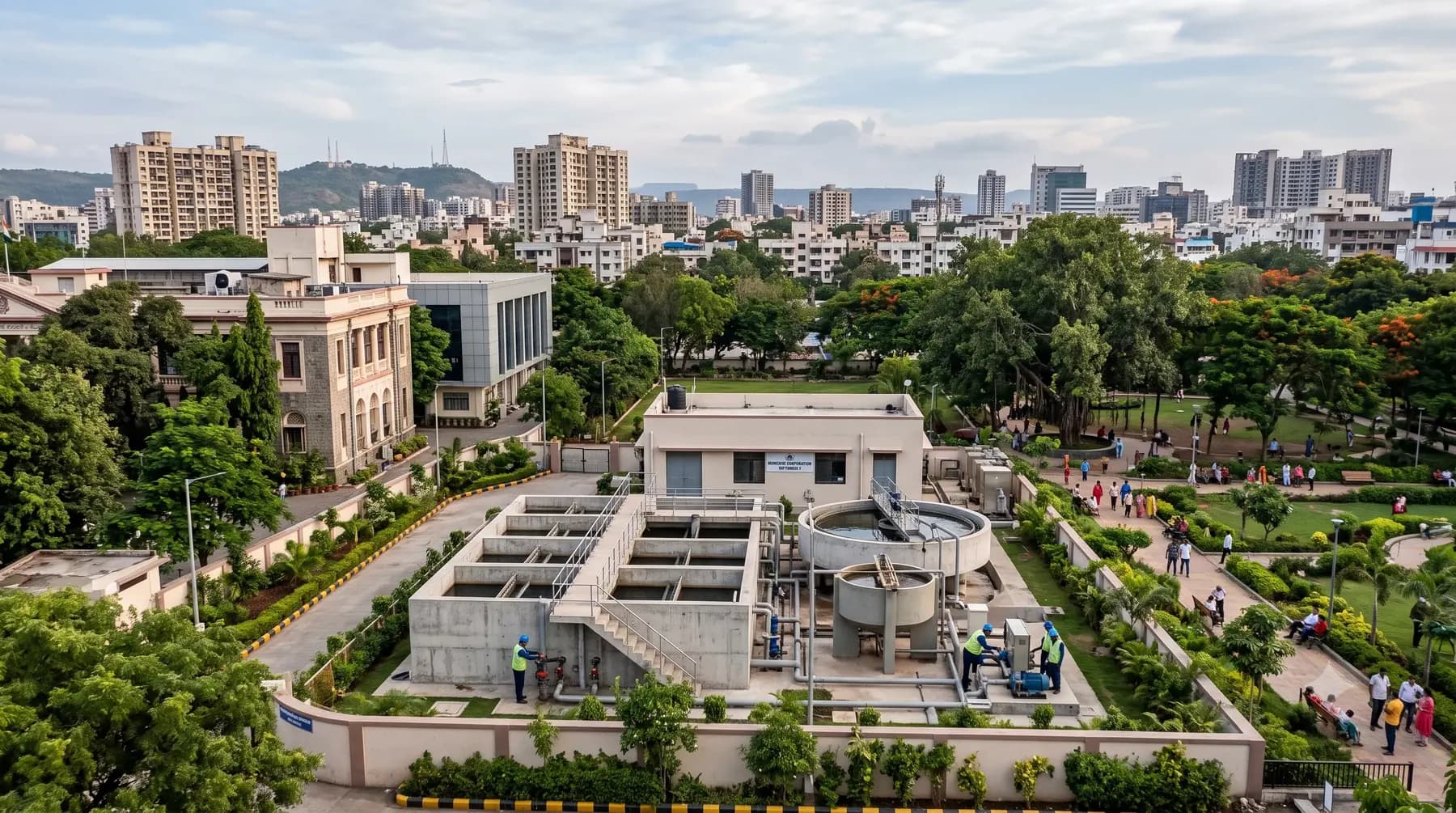
Extended Producer Responsibility · Uttar Pradesh
If your product becomes waste, the law now follows it there. EPR is where you account for that.
Local demand
What drives extended producer responsibility in Uttar Pradesh.
The second is the manufacturing push. The state has courted investors with land along the expressways, electronics and mobile-phone incentives in the west, and a defence corridor meant to draw makers of equipment and components. New plants bring consent applications, hazardous-waste authorisations and, past the EIA thresholds, an appraisal by the state's SEIAA. They also bring buyers: listed firms filing BRSR disclosures on their value chains, export houses with their own supplier codes. The state's older industry (small, family-run, consented decades ago) is meeting that kind of scrutiny with no data to hand.
The state's manufacturing growth has widened EPR's reach. Electronics and mobile-phone assembly in the west has put Uttar Pradesh among the biggest sources of goods with end-of-life recycling targets. Food processing units opened along the expressways and in the agricultural districts pack for national retail. Anyone importing components or finished goods owes a share too, factory or not. Brands built by small firms (pickles, snacks, sweets, ghee) find themselves registered producers once their plastic packaging reaches a certain reach.
How it works
Extended Producer Responsibility, from baseline to sign-off.
- 01/04
Applicability
Which of the four EPR regimes apply (plastic, e-waste, battery, tyre) and in what role.
- 02/04
Registration
Registration on the relevant CPCB EPR portal, with the correct category and targets.
- 03/04
Obligation tracking
The annual EPR targets, credits and documentation tracked through the year.
- 04/04
Annual returns
The annual returns filed, and environmental-compensation exposure managed.
Proof
Comparable work we've delivered.
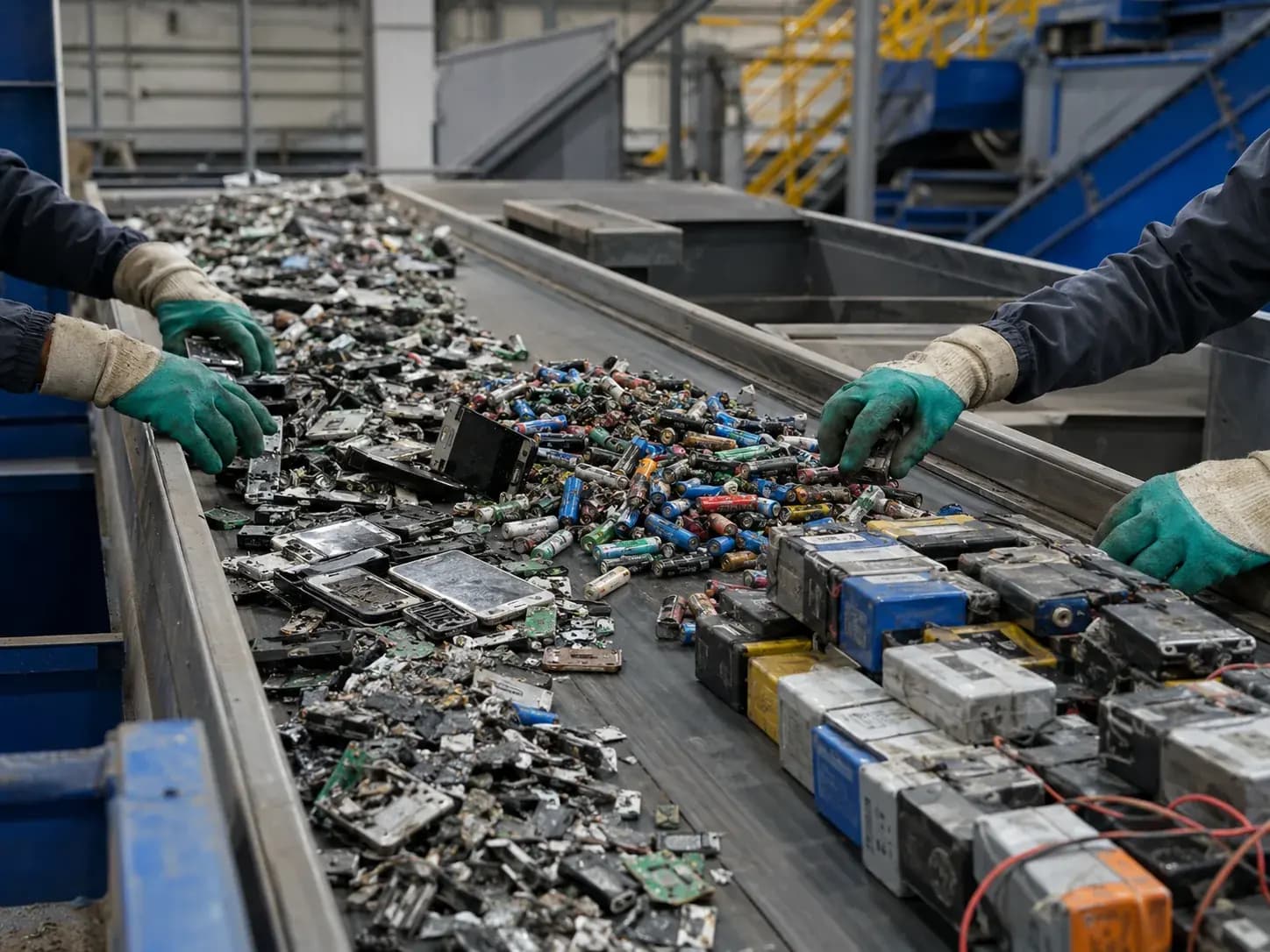
KwaliChem Pvt. Ltd. · TTC Industrial Area, Rabale, Navi Mumbai
EIA for Synthetic Organic Chemical Industry
CTE/CTO application, ToR application, baseline data collection, EIA report and appraisal before the EAC: Category 5(f), the sector KIPL holds Category A accreditation in.
The record
The work, project by project.
Mandate, method and measured outcome, written end to end for every project on this list.
Environmental compliance audits, Consent to Establish and green certification support across two industrial nodes of the Delhi-Mumbai Industrial Corridor.
Read the case studyOn the ground
Across Uttar Pradesh, region by region.
A state is many grounds, not one. We read extended producer responsibility against the region a project sits in. And each city below has a page written for its own.
Regions of Uttar Pradesh
Straight answers
Extended Producer Responsibility in Uttar Pradesh: common questions.
01We pack flour and pulses in plastic bags in eastern Uttar Pradesh and sell across three states. Is EPR registration required?
Very likely, a bag sold under your name makes you that plastic's brand owner in law. The duty is counted category by category (rigid, flexible, multilayer) and squared every year through certificates that registered processors issue. We tally your bag types and tonnages first, then register and file on the CPCB portal.
02Can one team handle compliance for plants in several Uttar Pradesh districts?
It can, provided every site's papers sit in a single place. UPPCB works through regional offices, so a group with a mill in the west, a plant near Kanpur and a warehouse on the Purvanchal route deals with several of them. Our practice is a single register spanning every site (consents, authorisations, returns, clearance conditions) carrying each office's dates and contacts, so head office reads the group's position at a glance.
03How long does extended producer responsibility take in Uttar Pradesh, and who is involved?
UPPCB (Lucknow HQ, district regional offices) · SEIAA Uttar Pradesh · NMCG / State Mission for Clean Ganga · SEBI (BRSR) · CPCB (EPR) are the bodies an Uttar Pradesh project works with. On timing: registration weeks; returns annual. KIPL sets out a realistic Uttar Pradesh schedule once the site and the scope have been read, and carries the work through to the outcome, with comparable work on the record such as EIA for Synthetic Organic Chemical Industry.
By industry
The same filing, read for your sector.
- 01
Chemical IndustryCore
Packaging in rigid and multilayer plastic brings the unit inside Plastic Waste EPR under the 2022 amendment, with annual returns and compensation exposure.
Extended Producer Responsibility for Chemical Industry - 02
Industrial & ManufacturingCore
Producers, importers and brand owners register on the CPCB portal across plastic, e-waste, battery and tyre regimes, and file annual returns.
Extended Producer Responsibility for Industrial & Manufacturing - 03
Data Centres & IT Parks
Server and battery refresh cycles bring the operator inside the E-Waste Rules 2022 and Battery Waste Rules 2022 as importer or bulk consumer.
Extended Producer Responsibility for Data Centres & IT Parks
In the press
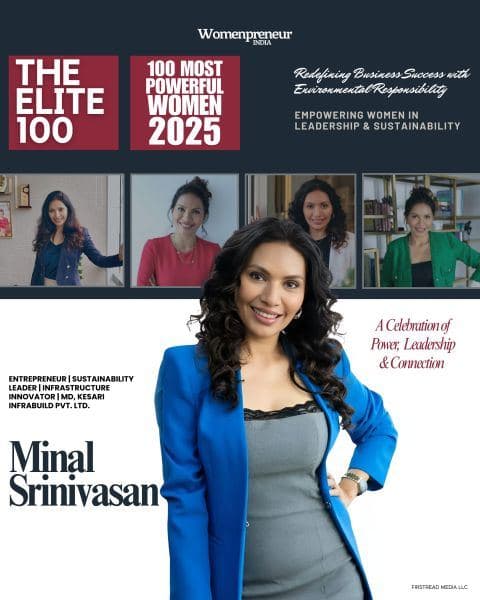
Covers, features and conversations: the work, talked through.

Keep exploring
Where this connects.
The service
01Extended Producer Responsibility, in full: and the practices that run beside it.
- Extended Producer Responsibility: the full service
- Green Building Certification
- Post-EC Compliance
- Statutory Compliance Management
- Environmental Audits
Clients & partners
The work is trusted where the stakes are highest.
Two decades of clearances, treatment plants and green infrastructure delivered for India’s builders, industry and public bodies, and the global engineering firms beside them.





























































Sideways
Extended Producer Responsibility beyond Uttar Pradesh, and what else we do there.
Extended Producer Responsibility in Uttar Pradesh? Start with where the project stands today.
One conversation to read the obligations in front of you and map what it takes to meet them.