










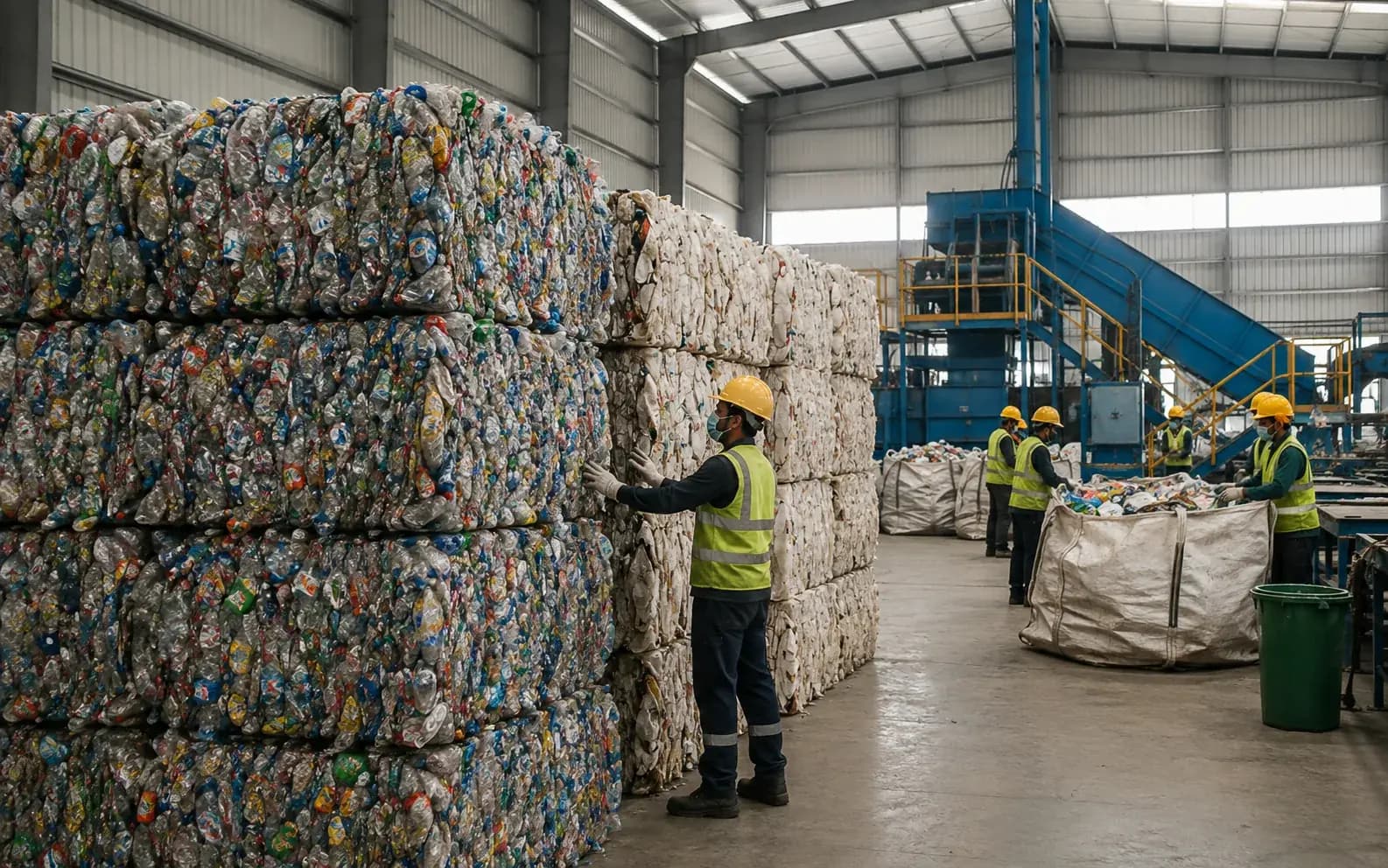
Extended Producer Responsibility consultants in Karnataka.
Extended Producer Responsibility in Karnataka, on the ground where the work actually is, the Mangaluru coast, the mills and estates of Mysuru, the trading belt of Hubballi–Dharwad and the mines and steel of Ballari, carried by one accredited team, from the first baseline to the signed-off report.
Why Karnataka
The local ground extended producer responsibility sits on.
- Decided with
- Karnataka State Pollution Control Board · SEIAA Karnataka · Karnataka Coastal Zone Management Authority · CPCB (EPR) · SEBI (BRSR)
- Local ground
- The refinery and port belt of Mangaluru, the Kaveri valley around Mysuru and Mandya, Hubballi–Dharwad and Belagavi, and the mining and steel country of Ballari and Hosapete
- Typically for
- Producers, importers, brand owners & recyclers
Outside its capital, Karnataka's advisory questions come from regions that rarely meet in one boardroom. Mangaluru holds a refinery, a petrochemical complex, a port and the fish-processing and cashew units of the coast. Mysuru and the Kaveri valley carry sugar, silk, tyre and engineering plants alongside a heritage city that guards its image. Hubballi–Dharwad and Belagavi hold foundries, machine shops and a growing supplier base. In the north-east, Ballari's mines and the steel, sponge iron and cement plants around Toranagallu and Hosapete make up one of the heaviest industrial footprints in the south.
Karnataka's EPR obligations sit with a varied group of producers. Tyre and vehicle-part makers around Mysuru, packaged-food and beverage brands across the state, cashew packers on the coast, coffee curers in the hill districts, and importers moving goods through New Mangalore Port each fall under different rules. Coffee and spice brands selling within India under their own name carry packaging duties even when most of their crop goes abroad. Every regime carries a separate registration, target and yearly return on the central board's portal. The team travels from its base in Navi Mumbai and stays named on the work, start to finish, not passed down a chain.
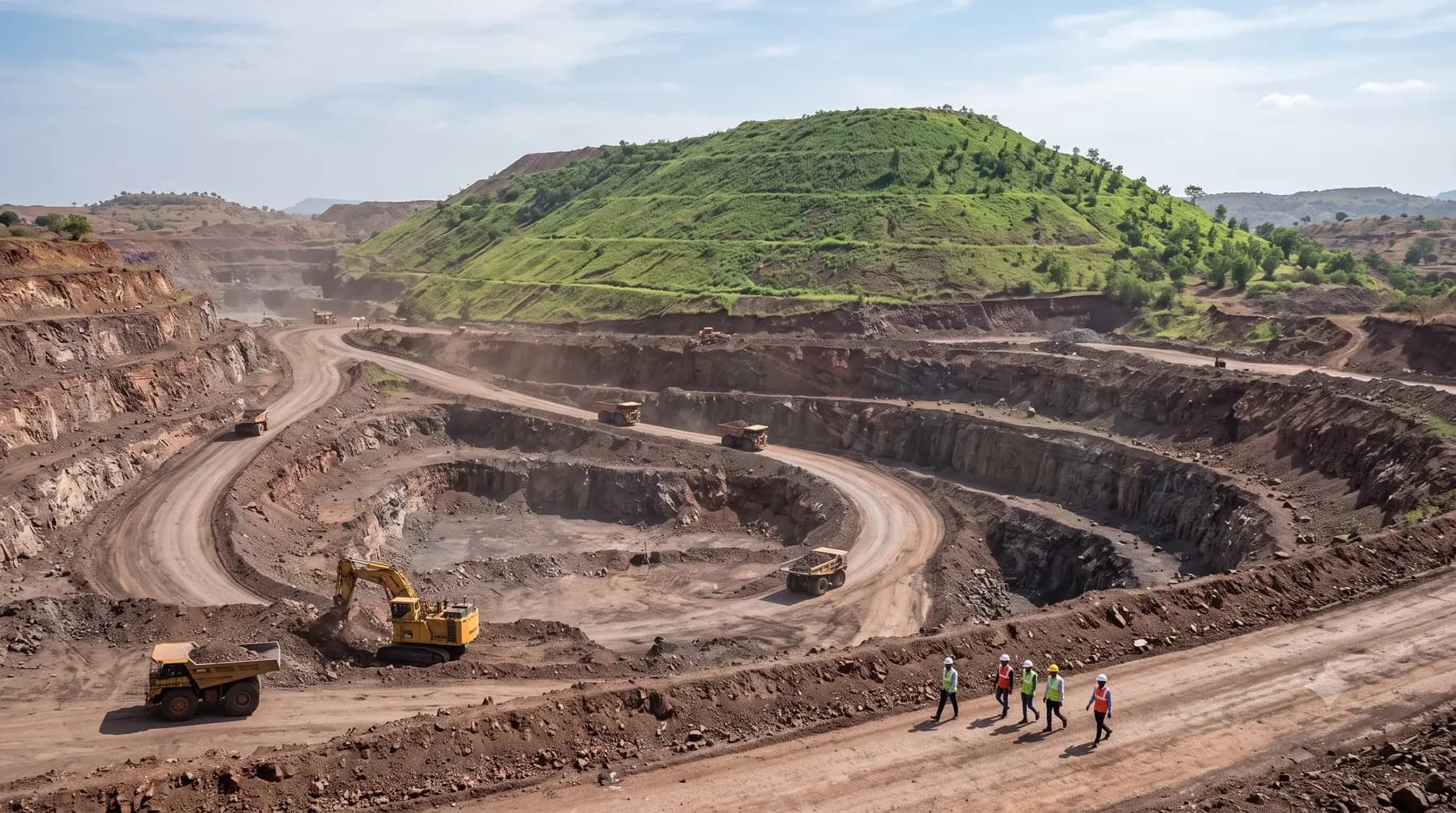
Extended Producer Responsibility · Karnataka
If your product becomes waste, the law now follows it there. EPR is where you account for that.
Local demand
What drives extended producer responsibility in Karnataka.
The rest of the state brings a wider but thinner demand. Sugar and distillery units along the Kaveri and in the Belagavi belt carry effluent and spent-wash conditions. Food, cashew and seafood processors on the coast answer to buyers abroad. Engineering suppliers in Hubballi–Dharwad and Mysuru are now asked the same questions as larger firms, often for the first time. Across them all, the Karnataka State Pollution Control Board's consent conditions and annual returns are the common floor, and most advisory effort goes into making that floor visible in a form a customer or lender can read.
Three things drive EPR registration in Karnataka's districts. Marketplaces and large retailers now refuse to list a brand without its EPR number, which reaches small food, coffee and spice brands from the Malnad and the coast. Tyre, battery and vehicle makers in the south of the state carry growing targets. And a firm importing electronics, cells or packed goods through Mangaluru can find itself a producer in law without having noticed.
How it works
Extended Producer Responsibility, from baseline to sign-off.
- 01/04
Applicability
Which of the four EPR regimes apply (plastic, e-waste, battery, tyre) and in what role.
- 02/04
Registration
Registration on the relevant CPCB EPR portal, with the correct category and targets.
- 03/04
Obligation tracking
The annual EPR targets, credits and documentation tracked through the year.
- 04/04
Annual returns
The annual returns filed, and environmental-compensation exposure managed.
Proof
Comparable work we've delivered.
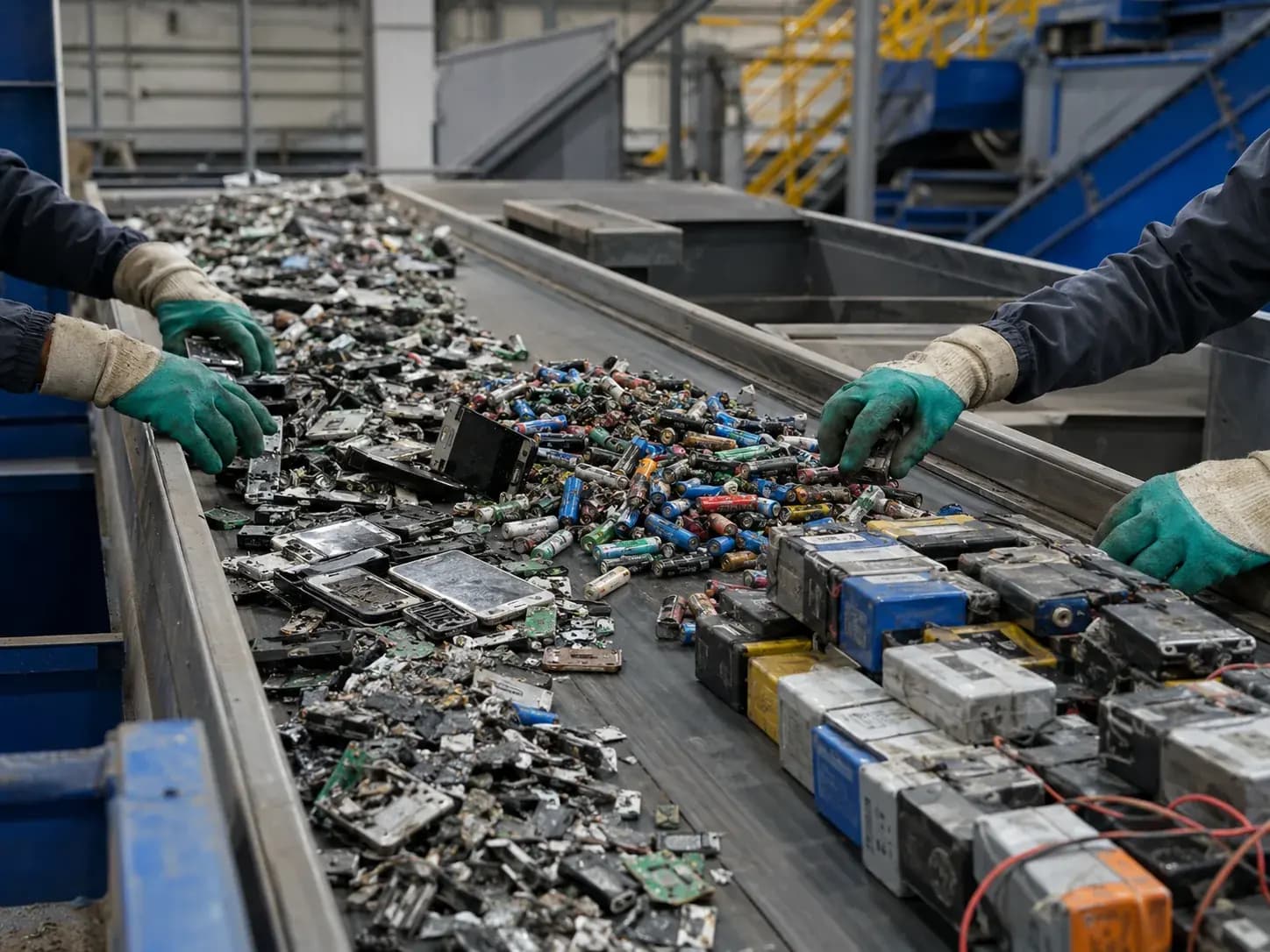
KwaliChem Pvt. Ltd. · TTC Industrial Area, Rabale, Navi Mumbai
EIA for Synthetic Organic Chemical Industry
CTE/CTO application, ToR application, baseline data collection, EIA report and appraisal before the EAC: Category 5(f), the sector KIPL holds Category A accreditation in.
The record
The work, project by project.
Mandate, method and measured outcome, written end to end for every project on this list.
Category B1 under Schedule 8(b): EIA and EMP prepared and carried through SEIAA appraisal for the expansion at Nerul.
Read the case studyOn the ground
Across Karnataka, region by region.
A state is many grounds, not one. We read extended producer responsibility against the region a project sits in. And each city below has a page written for its own.
Straight answers
Extended Producer Responsibility in Karnataka: common questions.
01Our Coorg coffee is sold under our own label across the country. Are we an EPR producer?
Very likely, yes, for the plastic packaging you place on the Indian market. Brand owners selling packaged goods carry targets for collection and recycling, reported through the CPCB portal. Coffee shipped in bulk for sale abroad usually falls outside it. We split home and export volumes by pack type before any registration.
02Does a sugar or distillery unit in Karnataka carry different consent conditions from other plants?
Yes. These are red-category industries with specific limits on spent wash, press mud and effluent, and distilleries are generally held to zero liquid discharge through methods such as incineration boilers, bio-composting or concentration and drying. The state board inspects them closely during the crushing season. We read the unit's own consent and the central guidelines together before advising.
03How long does extended producer responsibility take in Karnataka, and who is involved?
Karnataka State Pollution Control Board · SEIAA Karnataka · Karnataka Coastal Zone Management Authority · CPCB (EPR) · SEBI (BRSR) are the bodies a Karnataka project works with. On timing: registration weeks; returns annual. KIPL sets out a realistic Karnataka schedule once the site and the scope have been read, and carries the work through to the outcome, with comparable work on the record such as EIA for Synthetic Organic Chemical Industry.
By industry
The same filing, read for your sector.
- 01
Chemical IndustryCore
Packaging in rigid and multilayer plastic brings the unit inside Plastic Waste EPR under the 2022 amendment, with annual returns and compensation exposure.
Extended Producer Responsibility for Chemical Industry - 02
Industrial & ManufacturingCore
Producers, importers and brand owners register on the CPCB portal across plastic, e-waste, battery and tyre regimes, and file annual returns.
Extended Producer Responsibility for Industrial & Manufacturing - 03
Data Centres & IT Parks
Server and battery refresh cycles bring the operator inside the E-Waste Rules 2022 and Battery Waste Rules 2022 as importer or bulk consumer.
Extended Producer Responsibility for Data Centres & IT Parks
In the press
Covers, features and conversations: the work, talked through.



Keep exploring
Where this connects.
The service
01Extended Producer Responsibility, in full: and the practices that run beside it.
- Extended Producer Responsibility: the full service
- Green Building Certification
- Post-EC Compliance
- Statutory Compliance Management
- Environmental Audits
Clients & partners
The work is trusted where the stakes are highest.
Two decades of clearances, treatment plants and green infrastructure delivered for India’s builders, industry and public bodies, and the global engineering firms beside them.





























































Sideways
Extended Producer Responsibility beyond Karnataka, and what else we do there.
Extended Producer Responsibility in Karnataka? Start with where the project stands today.
One conversation to read the obligations in front of you and map what it takes to meet them.