










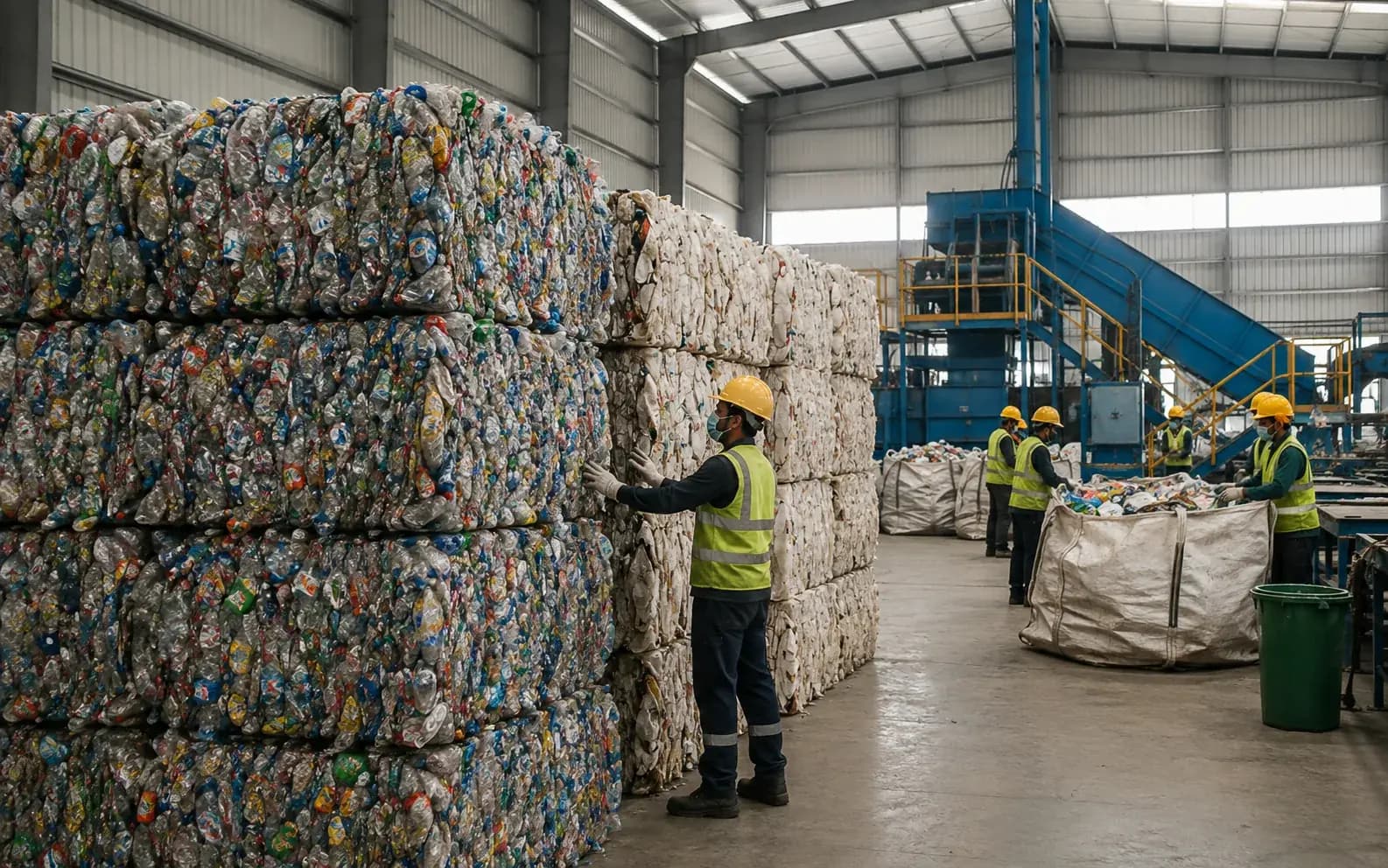
Extended Producer Responsibility consultants in Gandhinagar.
Extended Producer Responsibility in Gandhinagar, on the ground where the work actually is, GIFT City's finance towers, the Infocity campuses and the capital's institutional estate, carried by one accredited team, from the first baseline to the signed-off report.
Why Gandhinagar
The local ground extended producer responsibility sits on.
- Decided with
- GPCB head office · SEIAA Gujarat · IFSCA and the GIFT City authority · GIDC · CPCB (EPR) · SEBI (BRSR)
- Local ground
- GIFT City, the Infocity IT campuses, the capital-complex sectors and the city's own industrial sectors plus the Kalol, Chhatral and Santej estates
- Typically for
- Producers, importers, brand owners & recyclers
Gandhinagar's advisory work sits inside a city drawn on a drawing board. The capital was laid out from the 1960s as a grid of numbered sectors between lettered roads, with the Sachivalaya, the Vidhan Sabha and later Mahatma Mandir at its centre. Newer layers have grown around that core: the Infocity IT campuses, institutes such as IIT Gandhinagar at Palaj, and GIFT City on the Sabarmati's bank to the south, with its finance towers and data halls. The state pollution board is headquartered in the city, while the industrial sectors inside it and the Kalol–Chhatral estates to the north-west bring the factory floor into view.
EPR in Gandhinagar falls mostly on its industrial fringe. Electronics and electrical makers in the Sector 25 and 28 estates carry e-waste targets under the 2022 rules. Plastics, packaging and consumer-goods makers out toward Kalol and Santej owe packaging targets. Firms bringing in equipment through GIFT City's zone or the city's trading houses may be treated as importers. Registration and filing for each regime happen on different CPCB portals, each running to its own deadlines and credit certificates. The work is carried from our base in the region by named people, start to finish, not passed down a chain.
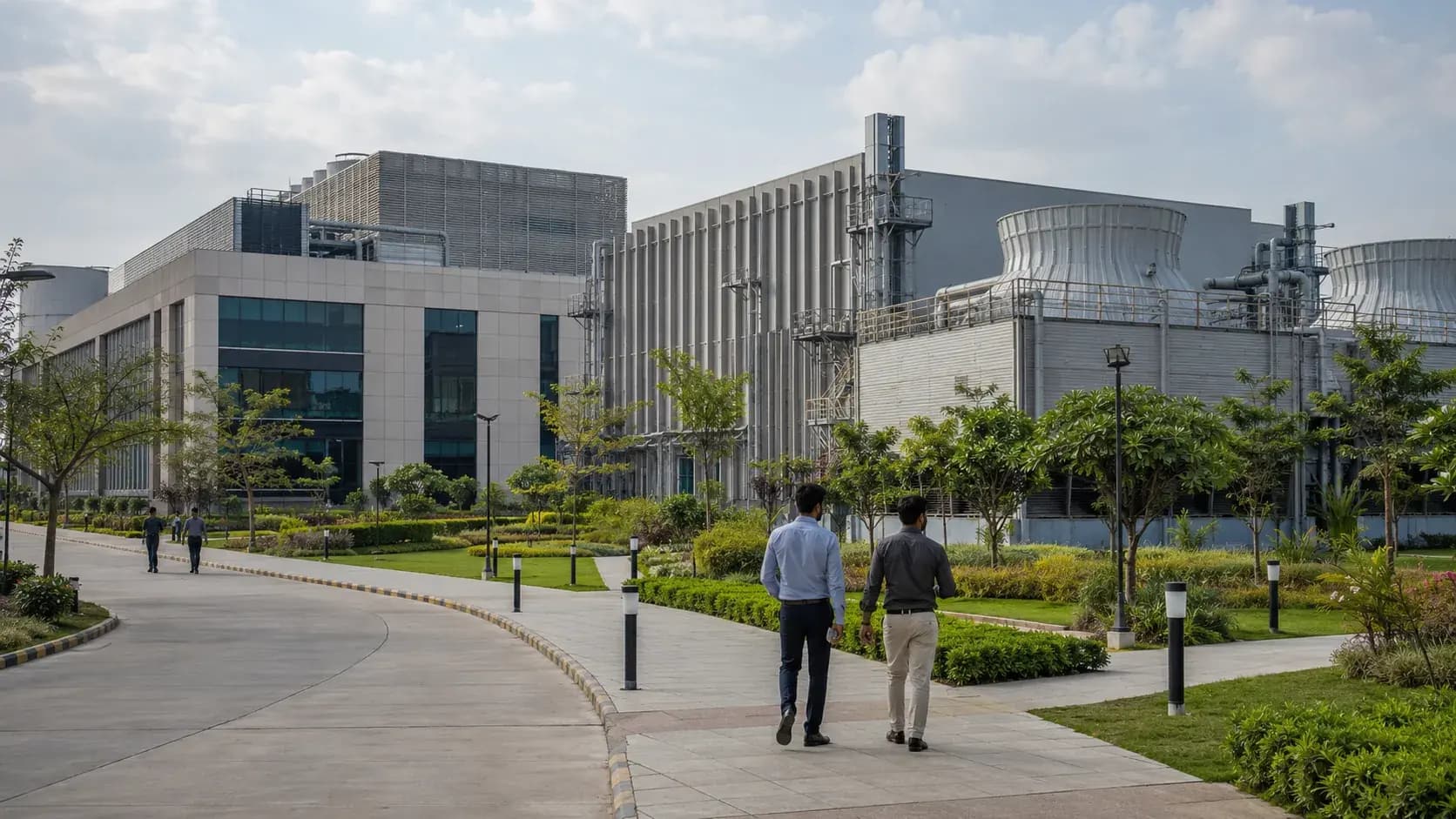
Extended Producer Responsibility · Gandhinagar
If your product becomes waste, the law now follows it there. EPR is where you account for that.
Local demand
What drives extended producer responsibility in Gandhinagar.
The capital's institutions and its industrial fringe form a second stream. Government offices, universities and research institutes sit on large, tree-rich grounds and are expected to set an example on energy, water and waste. Beyond the grid, estates such as Kalol, Chhatral and Santej hold electronics, engineering, plastics and chemical units working under GPCB consents and selling to listed customers. For these firms, as across Gujarat, a clean regulatory file is now only half of what a buyer checks.
Electronics shapes Gandhinagar's EPR demand. The city has long promoted itself as a base for electronics manufacturing, and makers of components, devices and electrical goods in its estates hold e-waste duties that widened under the 2022 rules. Products with batteries and branded packaging bring further regimes into play. Smaller firms tend to discover the obligation when a distributor or a large buyer asks for their registration before accepting stock.
How it works
Extended Producer Responsibility, from baseline to sign-off.
- 01/04
Applicability
Which of the four EPR regimes apply (plastic, e-waste, battery, tyre) and in what role.
- 02/04
Registration
Registration on the relevant CPCB EPR portal, with the correct category and targets.
- 03/04
Obligation tracking
The annual EPR targets, credits and documentation tracked through the year.
- 04/04
Annual returns
The annual returns filed, and environmental-compensation exposure managed.
Proof
Comparable work we've delivered.
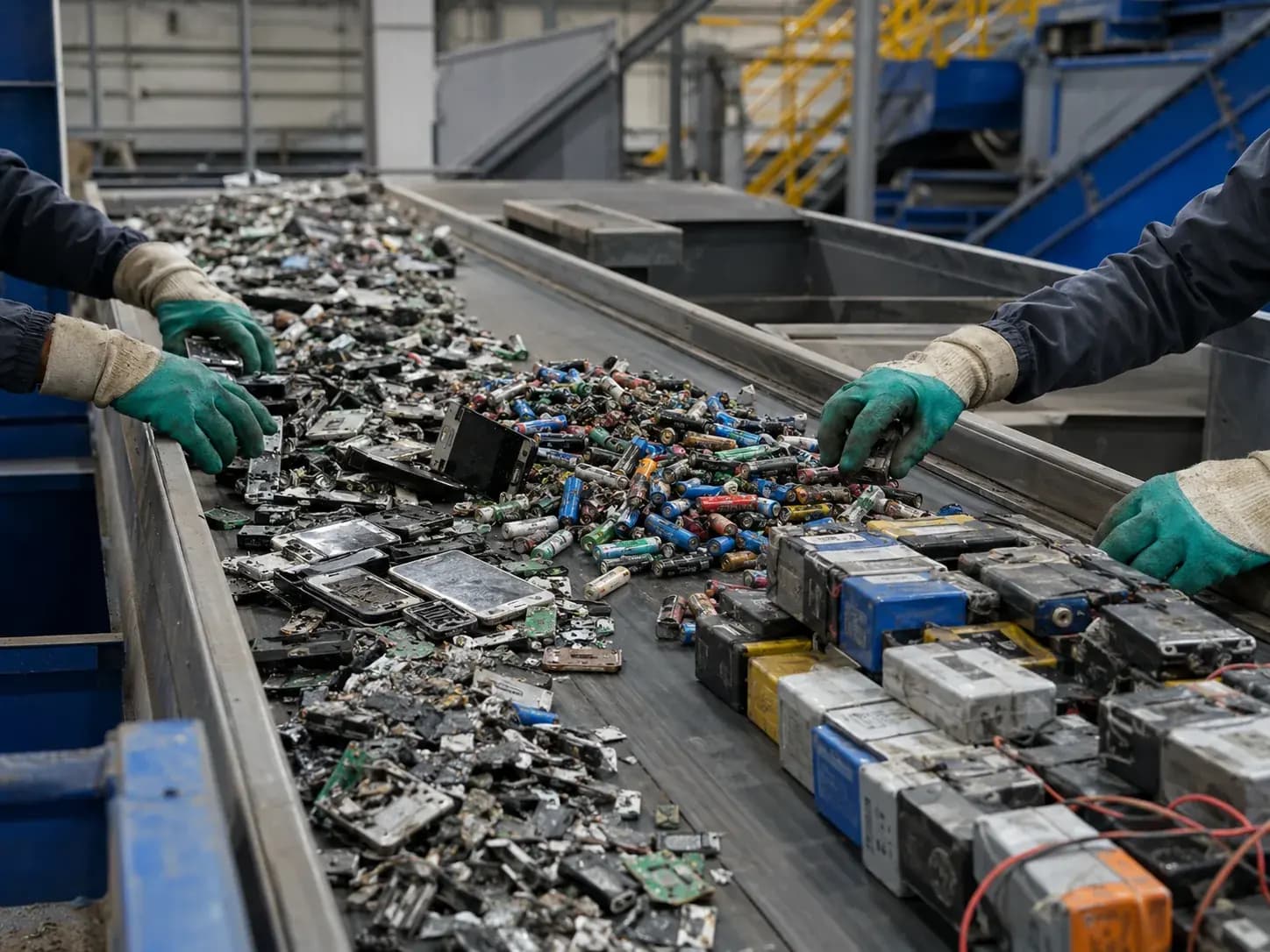
KwaliChem Pvt. Ltd. · TTC Industrial Area, Rabale, Navi Mumbai
EIA for Synthetic Organic Chemical Industry
CTE/CTO application, ToR application, baseline data collection, EIA report and appraisal before the EAC: Category 5(f), the sector KIPL holds Category A accreditation in.
The record
The work, project by project.
Mandate, method and measured outcome, written end to end for every project on this list.
Environmental compliance audits, Consent to Establish and green certification support across two industrial nodes of the Delhi-Mumbai Industrial Corridor.
Read the case studyOn the ground
Across Gandhinagar, and the belt around it.
Local means the node, not the pin on the map. We carry extended producer responsibility across the Gandhinagar nodes and the wider Central Gujarat: where the units, plots and projects actually sit.
Nodes we work across in Gandhinagar
Straight answers
Extended Producer Responsibility in Gandhinagar: common questions.
01We assemble electronic devices in Gandhinagar for other brands. Are we the producer under EPR?
Often not, the company whose brand sits on the device usually holds the e-waste duty. But any goods sold with your own label on them, or parts you import and resell, can create a separate obligation of your own. We match your contracts and sales channels to each regime's definitions, and register only where the law puts the duty on you.
02We are opening an office in GIFT City. What environmental reporting will our parent expect?
That turns on the parent, not the address. A listed Indian parent reports under SEBI's BRSR and will want your electricity, water and waste figures; a foreign parent may report under its home rules or a global framework. GIFT City's shared district cooling and utilities change how some of those figures are metered. We find out what the building operator can supply and fill whatever is missing.
03How long does extended producer responsibility take in Gandhinagar, and who is involved?
GPCB head office · SEIAA Gujarat · IFSCA and the GIFT City authority · GIDC · CPCB (EPR) · SEBI (BRSR) are the bodies a Gandhinagar project works with. On timing: registration weeks; returns annual. KIPL sets out a realistic Gandhinagar schedule once the site and the scope have been read, and carries the work through to the outcome, with comparable work on the record such as EIA for Synthetic Organic Chemical Industry.
By industry
The same filing, read for your sector.
- 01
Chemical IndustryCore
Packaging in rigid and multilayer plastic brings the unit inside Plastic Waste EPR under the 2022 amendment, with annual returns and compensation exposure.
Extended Producer Responsibility for Chemical Industry - 02
Industrial & ManufacturingCore
Producers, importers and brand owners register on the CPCB portal across plastic, e-waste, battery and tyre regimes, and file annual returns.
Extended Producer Responsibility for Industrial & Manufacturing - 03
Data Centres & IT Parks
Server and battery refresh cycles bring the operator inside the E-Waste Rules 2022 and Battery Waste Rules 2022 as importer or bulk consumer.
Extended Producer Responsibility for Data Centres & IT Parks
In the press
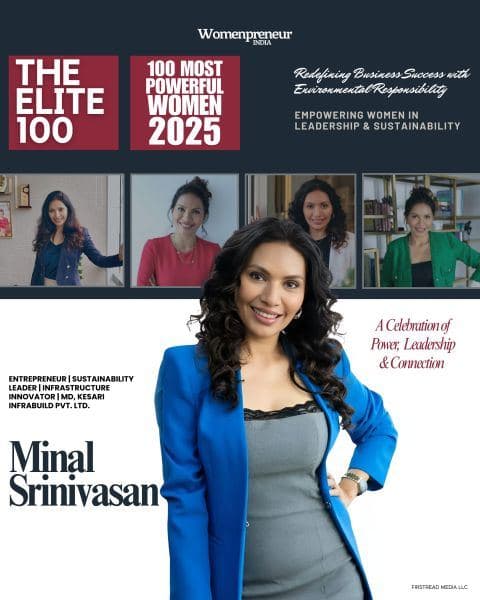
Covers, features and conversations: the work, talked through.

Keep exploring
Where this connects.
The service
01Extended Producer Responsibility, in full: and the practices that run beside it.
- Extended Producer Responsibility: the full service
- Green Building Certification
- Post-EC Compliance
- Statutory Compliance Management
- Environmental Audits
Markets here
02The sectors this work is busiest in around Gandhinagar.
- Environmental & Social Due Diligence
- Data Centres & IT Parks
- Corporate Campuses
- ESG, BRSR & Carbon Reporting
Clients & partners
The work is trusted where the stakes are highest.
Two decades of clearances, treatment plants and green infrastructure delivered for India’s builders, industry and public bodies, and the global engineering firms beside them.





























































Sideways
Extended Producer Responsibility beyond Gandhinagar, and what else we do there.
Also in Gandhinagar
CGWA Groundwater NOCCRZ ClearanceCSR / CER AdvisoryEnvironment ClearanceEnvironment Management & Mitigation PlanEnvironmental AuditsESG Advisory & ReportingForest ClearanceGreen Building CertificationMPCB ConsentPost-EC ComplianceProject Management ConsultancyStatutory Compliance ManagementWetland NOC
Extended Producer Responsibility in Gandhinagar? Start with where the project stands today.
One conversation to read the obligations in front of you and map what it takes to meet them.