









Sewage Treatment Plants · Industrial & Manufacturing
Sewage Treatment Plants for Manufacturing Units
Domestic sewage from a manufacturing unit's workforce is a distinct stream in the consent, separate from process effluent. And the treated output is usually the cheapest water available for the green belt the same consent requires.
Screening view on your project, with the category and route named. No obligation.
What this means for industrial & manufacturing
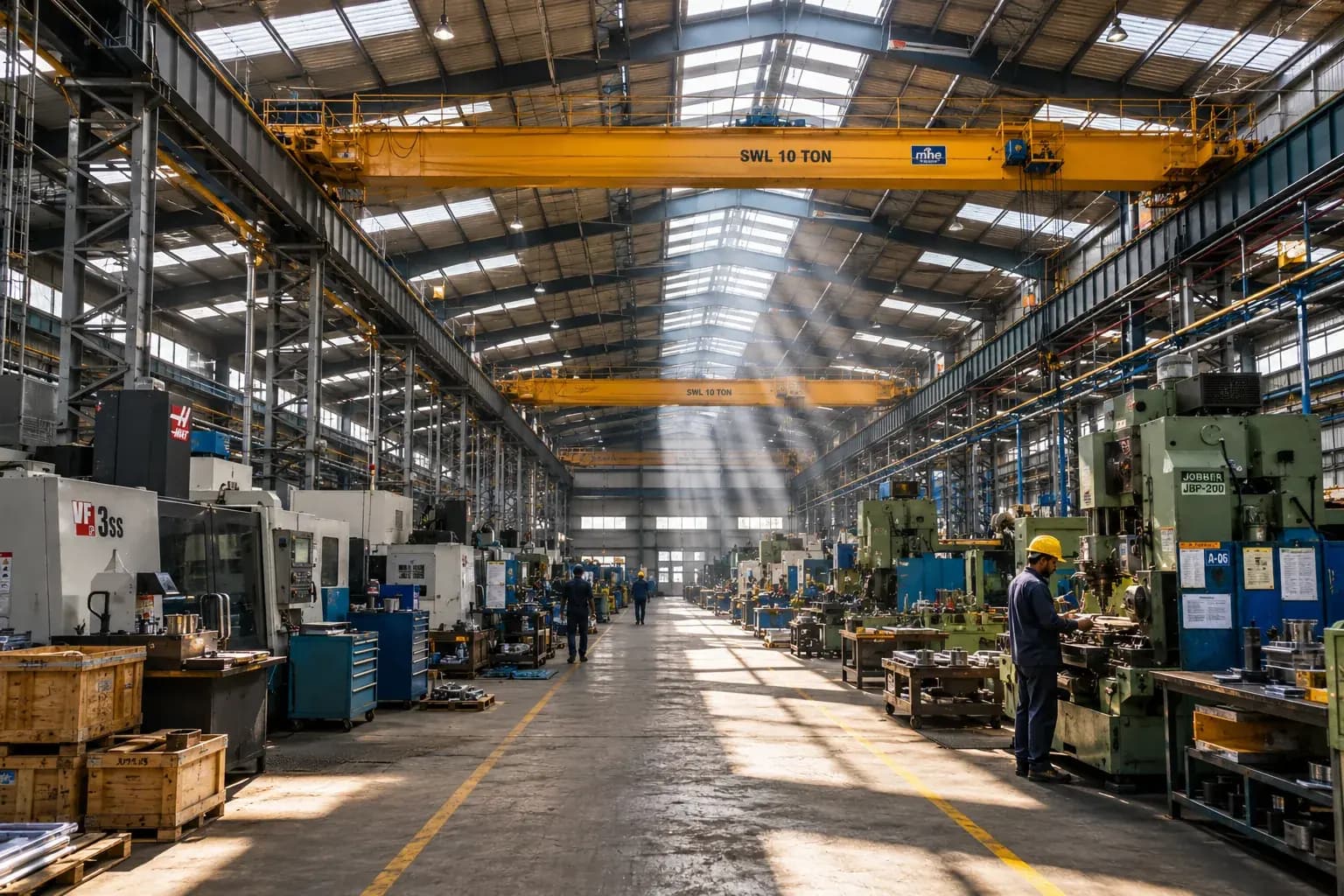
A plant with a large workforce, canteen, washrooms and sometimes a colony or hostel generates domestic sewage in quantity, and it is not process effluent. It is organically loaded, of consistent daily volume tied to headcount and shift pattern, and it has to be accounted for separately in the consent's water balance and treated to the standard applicable to its disposal route. Mixing it into a process ETP designed for metal-bearing or oily streams is poor practice in both directions, it dilutes the process stream in a way that flatters the analysis without removing the load, and it loads a chemical treatment system with organics it was not designed for. Where the unit sits in an MIDC estate, the estate arrangement determines whether sewage goes to a common facility or is treated on site; where the unit is outside, on-site treatment is usually the only route.
How KIPL runs it
KIPL sizes the STP on real headcount and shift pattern rather than on a nominal per-capita figure applied to a payroll number, because a plant with three shifts, a contractor workforce and a canteen has a demand curve that differs from a design assumption. The treatment train is chosen for what the plant can actually operate, a compact aerobic system with reliable blowers and a simple sludge route usually outperforms a sophisticated plant nobody maintains. The reuse case is where the STP earns its capital: treated sewage is the natural irrigation source for the green belt that consent conditions require, for flushing where dual plumbing exists, and sometimes for cooling makeup after polishing, which reduces fresh water demand and strengthens the water balance in the consent and in any groundwater NOC. Where units go wrong is a plant sized for the payroll and not for the canteen load, or one that works and whose treated water is discharged while borewell water is used to irrigate the trees fifty metres away.
- CTO
A separate stream in the consent
Domestic sewage is accounted for separately from process effluent in the consent's water balance, with its own quantity, treatment and disposal or reuse route declared.
Green belt irrigation needs a source
The same consent that requires a green belt requires it to survive. Treated sewage is the cheapest and most defensible irrigation source and gives treated water a declared on-site use.
Fresh water demand is scrutinised
Reuse of treated sewage reduces the fresh water ask, which matters directly in the consent water balance and in any groundwater NOC application in a stressed assessment unit.
What you receive
Written for industrial & manufacturing, not adapted from a template.
- 01Sewage generation estimate built from actual headcount, shift pattern, contractor workforce, canteen and any colony or hostel load
- 02STP process selection and sizing appropriate to the plant's operating capability, with peak and off-shift flows considered
- 03Treated water quality target set by the intended reuse: green belt irrigation, flushing, or cooling makeup after polishing
- 04Reuse distribution scheme to the green belt and other declared uses, with storage sized for demand that does not match generation
- 05Sludge handling and disposal route, and an operating and maintenance plan with a named owner inside the plant
- 06Water balance and consent documentation showing sewage as a distinct stream with its declared treatment and reuse route
Questions from industrial & manufacturing
What industrial & manufacturing ask before appointing us.
Answered against the regulation as it stands, not as a sales pitch. If your situation is not here, ask us directly.
Ask a question →Can domestic sewage be sent to our process ETP?
It is generally poor practice and often not what the consent contemplates. A process ETP designed for metal-bearing or oily effluent is not designed for an organic domestic load, and combining the streams makes the outlet analysis harder to interpret while adding load the chemical train does not remove. Keeping them separate produces better treatment and a cleaner compliance record for both.
How should the STP be sized?
On the actual population using the facilities (permanent staff, contract workforce, shift pattern and canteen load), rather than on a per-capita figure applied to the payroll headcount. Canteen and washroom peaks are concentrated, so peak flow matters as much as daily volume. A unit that sizes on payroll alone usually finds the plant hydraulically overloaded at shift change.
Can treated sewage legally be used for green belt irrigation?
Reuse for landscape irrigation is the standard route provided the treated quality is suitable for land application under the applicable standards and the reuse is the one declared in the consent. It also gives the treated water a use rather than a discharge, which is the stronger position in the consent water balance. The distribution and storage have to be built for it, because irrigation demand and sewage generation do not follow the same daily curve.
We are in an MIDC estate with a drainage connection. Do we still need an STP?
It depends on the estate's arrangement and on what your consent conditions say about the sewage stream. Where a common facility accepts domestic sewage, on-site treatment may not be required, though the quantity still has to be declared. Where it does not, or where the unit wants the treated water for its green belt, an on-site plant is the practical answer. The consent conditions are the place to settle it rather than assumption.
What is the most common reason an industrial STP fails?
Neglect rather than design. A plant serving washrooms and a canteen is nobody's production priority, so blowers go unserviced, sludge is not wasted, and the plant is discovered when the outlet quality is questioned or the odour reaches the office. Choosing a train the maintenance team can actually run, and naming an owner, matters more than the sophistication of the process.
Does the STP affect our groundwater NOC?
Indirectly but usefully. Treated sewage reused for irrigation and flushing displaces fresh water, which reduces the groundwater quantum applied for and demonstrates that the unit has taken the available reuse measures. In a semi-critical or over-exploited assessment unit, that reduction and the evidence behind it are a material part of what the application is judged on.
Stage by stage
How sewage treatment plants actually runs, step by step.
Also for industrial & manufacturing
The rest of the environmental brief for this sector.
Primary sources
Verify any of this at the source.

Relevant proof
NAMAMI GANGE PROGRAMME
Environmental & Social Impact Assessment and EHS reporting for existing and proposed sewage treatment plants on the Ganga.
- Largest existing STP
- 130 MLD
- Assessed
- 5 plants
Where we do this
Sewage Treatment Plants for industrial & manufacturing, city by city.
Other sectors
Who else we run sewage treatment plants for.
Next step
Tell us the project, and we will tell you the category and the route.
Screening is the cheapest stage to get right and the most expensive to get wrong. We will say plainly what sewage treatment plants your industrial & manufacturing project needs, and what it does not.





























































Start the conversation