









Turnkey STP EPC: one contract from process design to a commissioned, compliant plant.
A turnkey STP contract places design, civil construction, equipment supply, erection, commissioning and performance demonstration with one contractor, so responsibility for the plant meeting its discharge standard sits in one place.
What it is
EPC on a sewage treatment plant means the contractor carries the process and detailed engineering, builds the civil and structural works, supplies and erects the mechanical, electrical and instrumentation packages, commissions the plant, and demonstrates the treated-water quality the contract specifies. The alternative (separate design, civil and equipment packages) leaves the client holding the interfaces, which is where projects usually lose time and where accountability for performance dissolves.
KIPL executes STPs on this basis as an EPC contractor with the environmental side of the work in-house, which matters because the plant has to satisfy a Consent to Operate and, on most building and township projects, specific reuse and monitoring conditions in the Environment Clearance. We build to the consented discharge standard and hand over with the commissioning record, O&M manual and as-built documentation that a board inspection will later ask for.

What you get
The deliverables, in hand.
- Authority
- Built to the consented discharge standard · CPCB / SPCB norms
- Typical timeline
- Months; set by capacity, civil scope and site readiness
- Process and detailed engineering with approved GA and construction drawings
- Civil, structural and finishing works for tanks, buildings and interconnections
- Supply and erection of mechanical, electrical and instrumentation packages
- Pre-commissioning checks, seeding, biomass stabilisation and commissioning
- Performance demonstration against the specified treated-water quality
- As-built drawings, O&M manual, spares list and operator training on handover
Straight answers
Turnkey EPC: common questions.
01What exactly is covered in a turnkey STP contract?
Design and detailed engineering, civil and structural construction, supply and erection of all equipment, electricals and instrumentation, piping and interconnections, pre-commissioning and commissioning, performance demonstration, and handover documentation with operator training. O&M for a defined period is a common add-on but is separately priced and should be stated explicitly.
02How does EPC differ from an item-rate contract?
An item-rate contract prices work against a client-supplied BOQ, and the client carries the design and the interfaces between packages. EPC prices an outcome, a plant that treats a stated flow to a stated quality, and the contractor carries the design risk. EPC generally costs more on paper and less in practice, because the cost of interface failure is inside the contract rather than outside it.
03Who is responsible for the plant meeting discharge norms?
Under a turnkey contract the contractor is, up to the performance demonstration, and for the guarantee period on the terms the contract sets. That responsibility is conditional on the influent staying within the design characteristics; if the actual load exceeds what the design basis specified, the obligation is renegotiated on facts. This is why the design basis deserves attention before the contract is signed, not after.
04What does the performance guarantee actually cover?
Typically the treated-water parameters at the outlet (BOD, COD, TSS, oil and grease and any parameter specific to the consent) demonstrated over a continuous test run at or near design flow, plus equipment warranties over a defined defect liability period. The parameters, the test duration, the sampling protocol and the laboratory are all worth writing into the contract rather than leaving to custom.
05How long does a turnkey STP take to build?
It varies with capacity, whether the civil works are new construction or an existing structure, site access, and power availability. The civil works and the biological stabilisation at the end are the two stages that resist compression, biomass takes the time it takes. A realistic programme is agreed against the actual scope rather than quoted generically.
06What approvals are needed before construction starts?
Consent to Establish from the State Pollution Control Board for the plant, alongside whatever building and local-body permissions the development itself needs, and compliance with the STP-related conditions of the project's Environment Clearance where one applies. Consent to Operate follows commissioning, and is granted against demonstrated performance.
07Should the EPC contractor also run the plant?
Frequently yes, at least for the first year or two. An operator who built the plant knows its design intent and its weak points, and continuity through the early operating period is when most performance problems surface. Where O&M is later handed to a third party, the transfer is cleaner if the commissioning record and O&M manual are complete.
Within Sewage Treatment Plants
Part of the whole route, the other components.
Primary sources
Check it at source.
This page describes Built to the consented discharge standard · CPCB / SPCB norms. The regulation and the filing portal are public, these are the official endpoints, not our summary of them.
Relevant proof
Where this stage has already been delivered.

Shapoorji Pallonji · Kanpur & Unnao, Uttar Pradesh
NAMAMI GANGE PROGRAMME
Environmental & Social Impact Assessment and EHS reporting for existing and proposed sewage treatment plants on the Ganga.
Where we do this
Sewage Treatment Plants on the ground.
The authority, the timeline and the local ground differ by city. These pages set out how sewage treatment plants actually runs in each.
Featured projects
Work that carries its own evidence.
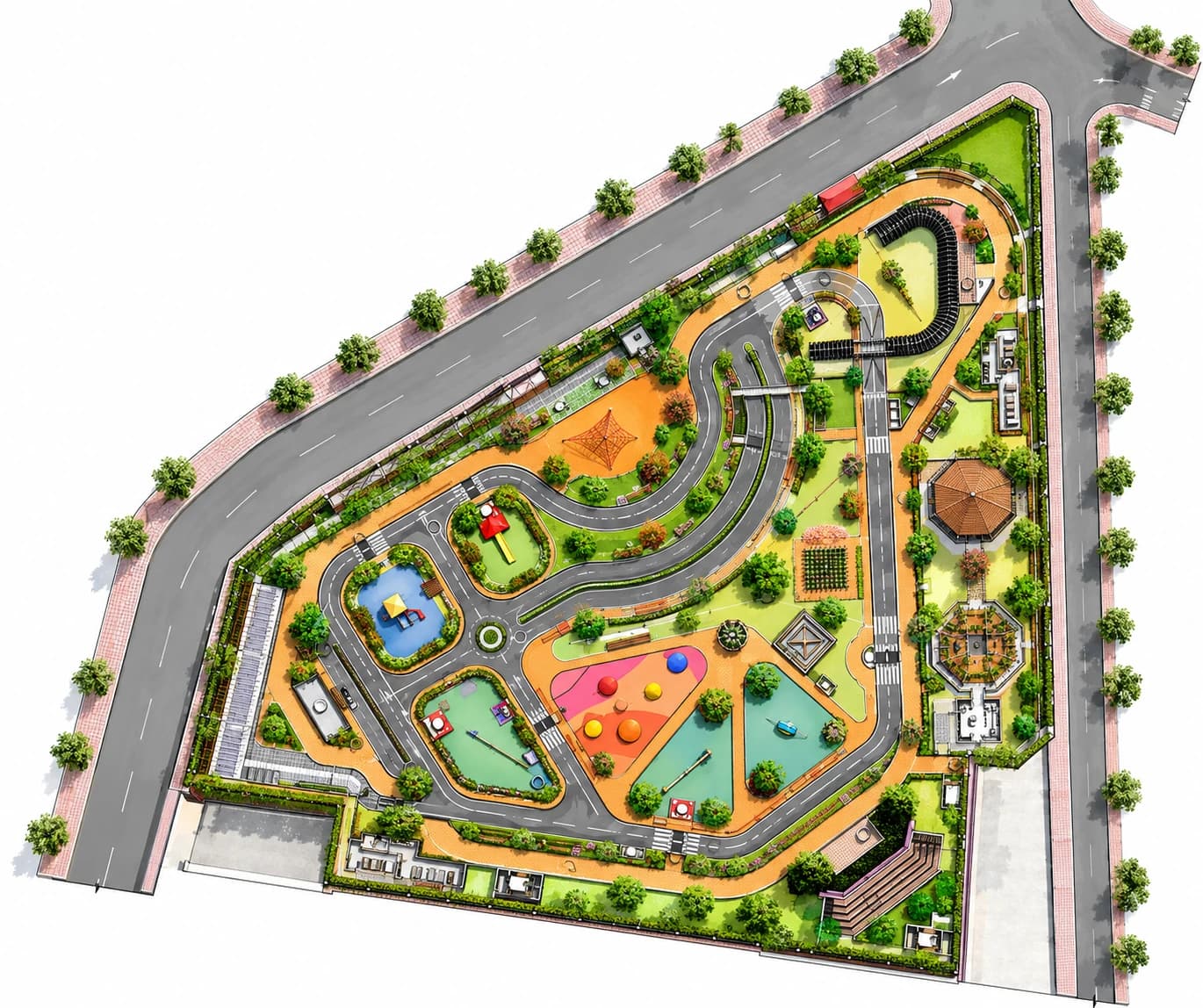
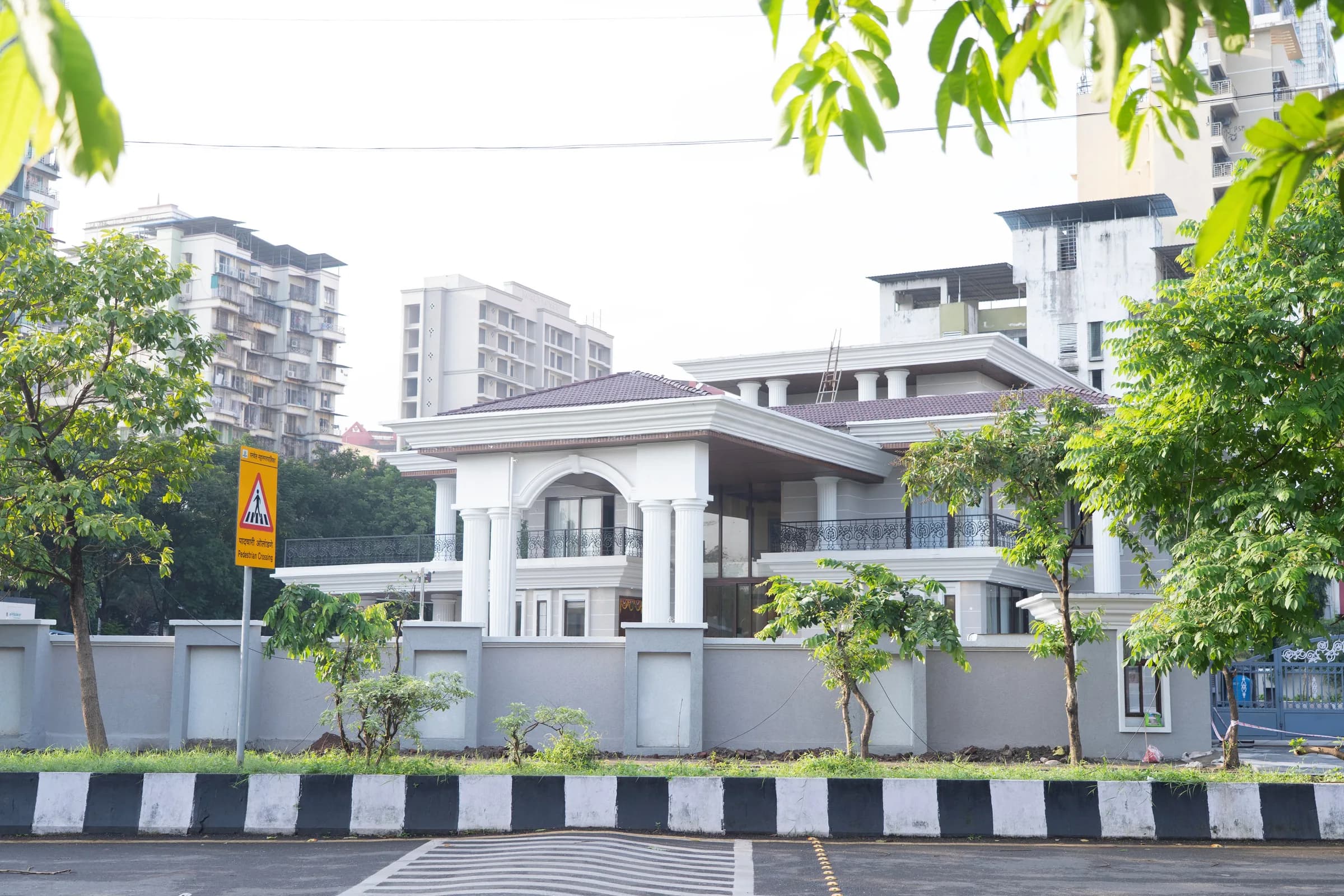
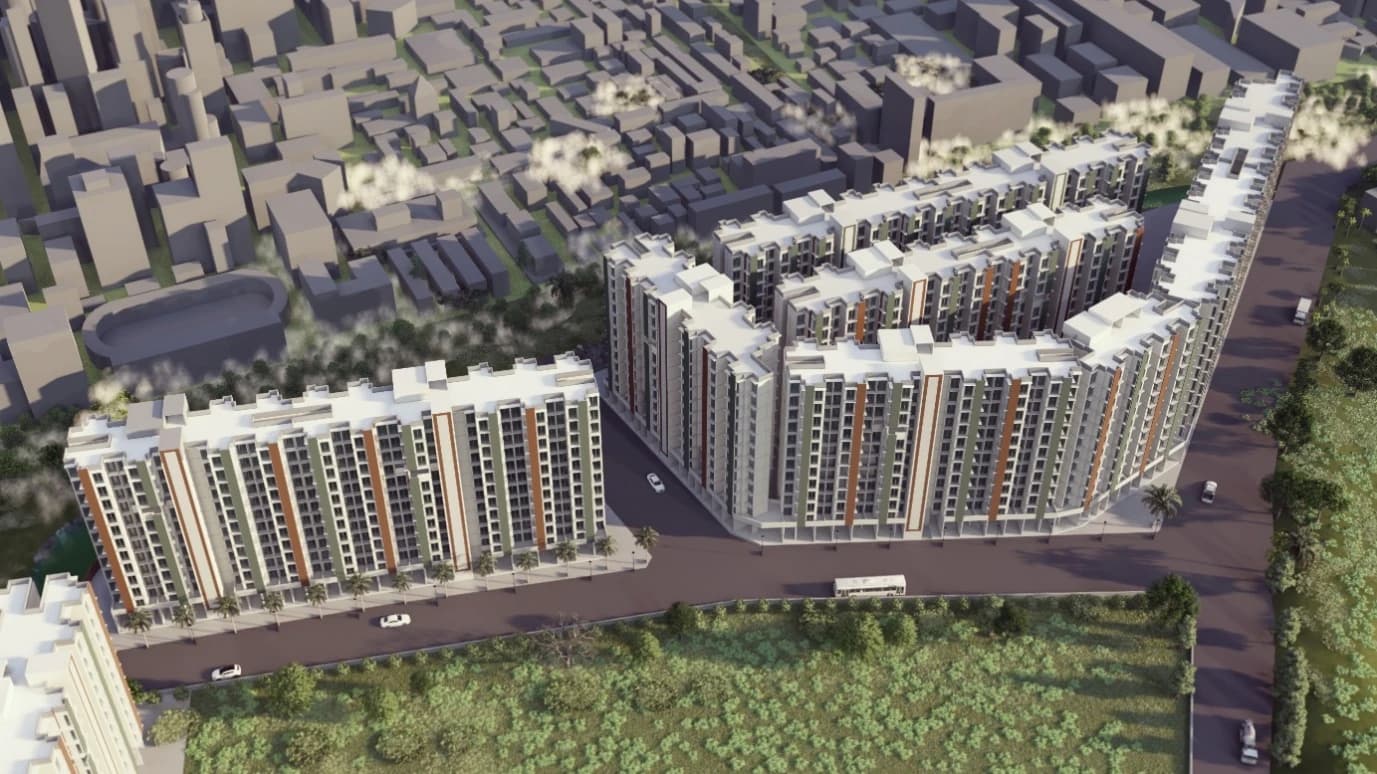
Our expertise
One team across the whole environmental brief.
Turnkey EPC is one stage of one practice. Most projects need several, and the commitments made at clearance are the ones we build and maintain.
Who we do this for
Sewage Treatment Plants reads differently by industry.
- 01
Real Estate & ConstructionCore
The EC and the consent both commit a residential project to on-site sewage treatment meeting discharge norms, sized to real occupancy rather than to the brochure.
Sewage Treatment Plants for Real Estate & Construction - 02
Townships & Area DevelopmentCore
Township sewage is assessed as a system across phases, with treated-water reuse for flushing and landscape written into the clearance.
Sewage Treatment Plants for Townships & Area Development - 03
Hospitality, Healthcare & EducationCore
Occupancy runs 365 days, so the STP carries a live daily load that inspection sampling tests against consent discharge norms.
Sewage Treatment Plants for Hospitality, Healthcare & Education - 04
Municipal CorporationsCore
ULB sewage schemes are built and upgraded against CPCB discharge norms and NGT directions on untreated urban sewage.
Sewage Treatment Plants for Municipal Corporations - 05
Industrial Corridors & MIDCCore
Shared sewage infrastructure with treated-water reuse is designed at node scale, ahead of the tenants who will load it.
Sewage Treatment Plants for Industrial Corridors & MIDC - 06
River & Water MissionsCore
Untreated urban sewage is the dominant load on a river, so STP capacity, upgradation and performance are the programme's spine.
Sewage Treatment Plants for River & Water Missions - 07
Corporate CampusesCore
Campus sewage treatment with full reuse for flushing, cooling and landscape is what a zero-discharge campus claim actually rests on.
Sewage Treatment Plants for Corporate Campuses - 08
Data Centres & IT Parks
Campus sewage must be treated and reused for cooling make-up and landscape to hold the zero-discharge position taken in the EC.
Sewage Treatment Plants for Data Centres & IT Parks
Trusted by
The organisations this work is done for.












In the press