









ISWM Detailed Project Report: the document a waste management system is sanctioned and built on.
An ISWM Detailed Project Report converts a waste stream into a system: quantified, characterised, and then designed end to end from segregated collection through processing to the disposal of what genuinely cannot be processed.
What it is
The report begins with measurement: how much waste is generated, of what composition, with what moisture and calorific value, and how that will grow. From there it designs the chain the Solid Waste Management Rules 2016 assume: segregation at source into wet, dry and domestic hazardous fractions; segregated collection and transport; a material recovery facility for the dry stream; composting or bio-methanation for the wet stream; refuse-derived fuel where the calorific fraction and an offtake justify it; and a sanitary landfill sized only for inert rejects and process residues.
KIPL prepares the DPR with the institutional side included, because the technical design is rarely what fails. Collection route and vehicle planning, transfer arrangements, the informal-sector and waste-picker interface, operating cost and user-charge or tipping-fee assumptions, phasing, and the procurement and operating model all belong in the report. And so does honesty about what a proposed processing plant will actually receive, since the commonest cause of an idle facility is feedstock that was never as segregated as the DPR assumed.
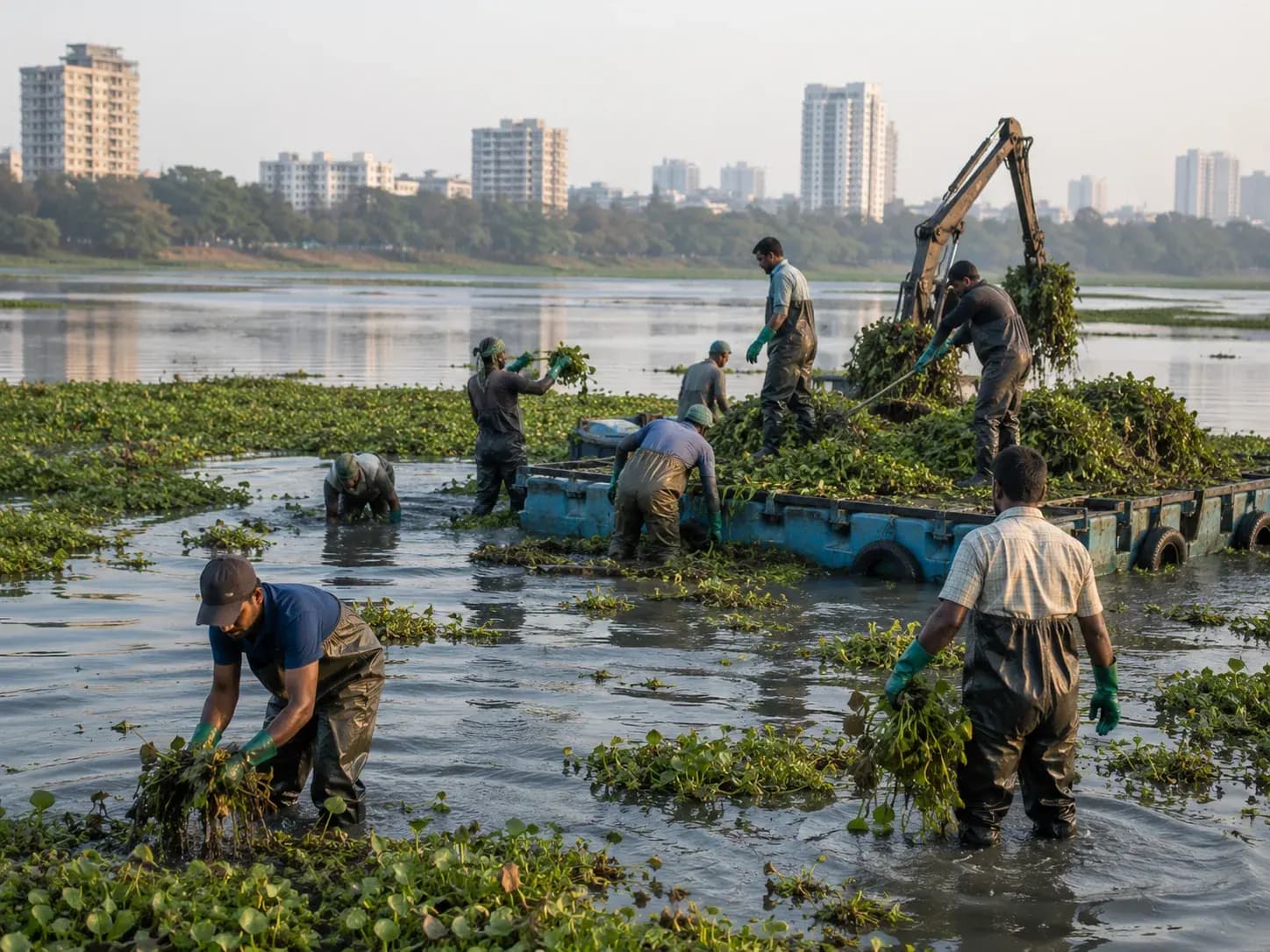
What you get
The deliverables, in hand.
- Authority
- Solid Waste Management Rules 2016 · CPCB guidelines · SPCB consent
- Typical timeline
- Months; characterisation and stakeholder consultation lead
- Waste quantification and characterisation with projected growth
- Segregated collection, transport and transfer system design
- Processing scheme, MRF, composting, bio-methanation, RDF as justified
- Sanitary landfill sizing and design for rejects and residues
- Capital and operating cost estimates with phasing and funding route
- Institutional, procurement and O&M model with implementation schedule
Straight answers
ISWM Detailed Project Report: common questions.
01What does an ISWM Detailed Project Report contain?
Waste quantification and characterisation, projected generation, the design of segregated collection, transport and transfer, the processing facilities proposed with their technology basis, sanitary landfill design for rejects, environmental and social safeguards, capital and operating cost estimates, the funding and procurement route, the institutional and O&M arrangement, and an implementation schedule with phasing.
02What do the Solid Waste Management Rules 2016 require?
Among other duties, they place responsibility on waste generators to segregate at source into biodegradable, non-biodegradable and domestic hazardous streams and hand waste over to authorised collectors, and they require local bodies to arrange segregated collection and transport, to process biodegradable and recyclable fractions, and to restrict landfilling to inert rejects and residues. The Rules also cover facility siting, buffer zones and authorisation from the State Pollution Control Board.
03How is waste quantity and composition established?
Through a characterisation study: sampling waste as delivered over a representative number of days and, where seasonality matters, across seasons, and determining the physical composition, moisture content, calorific value and, for composting, the carbon-to-nitrogen ratio. Estimating from per-capita norms alone is not adequate for sizing processing plants, because composition varies far more between towns than quantity does.
04Which processing technology suits which fraction?
Composting and bio-methanation take the wet biodegradable fraction, with bio-methanation better suited to consistently segregated, high-moisture organic waste and offering energy recovery, and composting more tolerant and simpler to run. A material recovery facility sorts and bales the dry recyclable fraction. Refuse-derived fuel uses the high-calorific dry rejects, and depends entirely on a confirmed offtake such as a cement kiln.
05Why is landfill only for rejects?
Because the Rules direct that landfilling be restricted to non-recyclable, non-biodegradable, non-combustible inert waste and process residues, with everything else diverted to processing. That principle drives the whole design, a sanitary landfill sized for total generation rather than for rejects both violates the intent of the Rules and consumes land that will be exhausted quickly.
06What decides whether a processing facility succeeds?
Feedstock. A composting or bio-methanation plant fed with mixed waste produces poor-quality output that cannot be sold and shuts down within a few years, which is the pattern across many Indian towns. Segregation at source, enforced through collection practice rather than assumed on paper, is the precondition on which the processing design stands or falls.
07How is an ISWM project funded?
Typically through a combination of central and state programme funding for urban infrastructure, local body budget, and user charges or tipping fees for operations, with private participation under concession or O&M contracts for processing facilities. The DPR has to make the operating cost and its recovery explicit, projects that secure capital funding but no operating revenue are the ones that stop running.
08Does construction and demolition waste come under the same DPR?
It is a separate stream under the Construction and Demolition Waste Management Rules 2016, requiring its own collection and processing arrangement, and an ISWM plan for a city should address it. But it is not treated within the municipal solid waste facilities. Mixing C&D waste into MSW collection is a common and costly failure, since inert rubble consumes landfill volume that the Rules intend to conserve.
Within Integrated Solid Waste Management
Part of the whole route, the other components.
Primary sources
Check it at source.
This page describes Solid Waste Management Rules 2016 · CPCB guidelines · SPCB consent. The regulation and the filing portal are public, these are the official endpoints, not our summary of them.
Relevant proof
Where this stage has already been delivered.

MIDC / AURIC · Shendra & Bidkin, Chhatrapati Sambhajinagar
SHENDRA AND BIDKIN INDUSTRIAL AREA, AURANGABAD
Environmental compliance audits, Consent to Establish and green certification support across two industrial nodes of the Delhi-Mumbai Industrial Corridor.
Where we do this
Integrated Solid Waste Management on the ground.
The authority, the timeline and the local ground differ by city. These pages set out how integrated solid waste management actually runs in each.
Featured projects
Work that carries its own evidence.
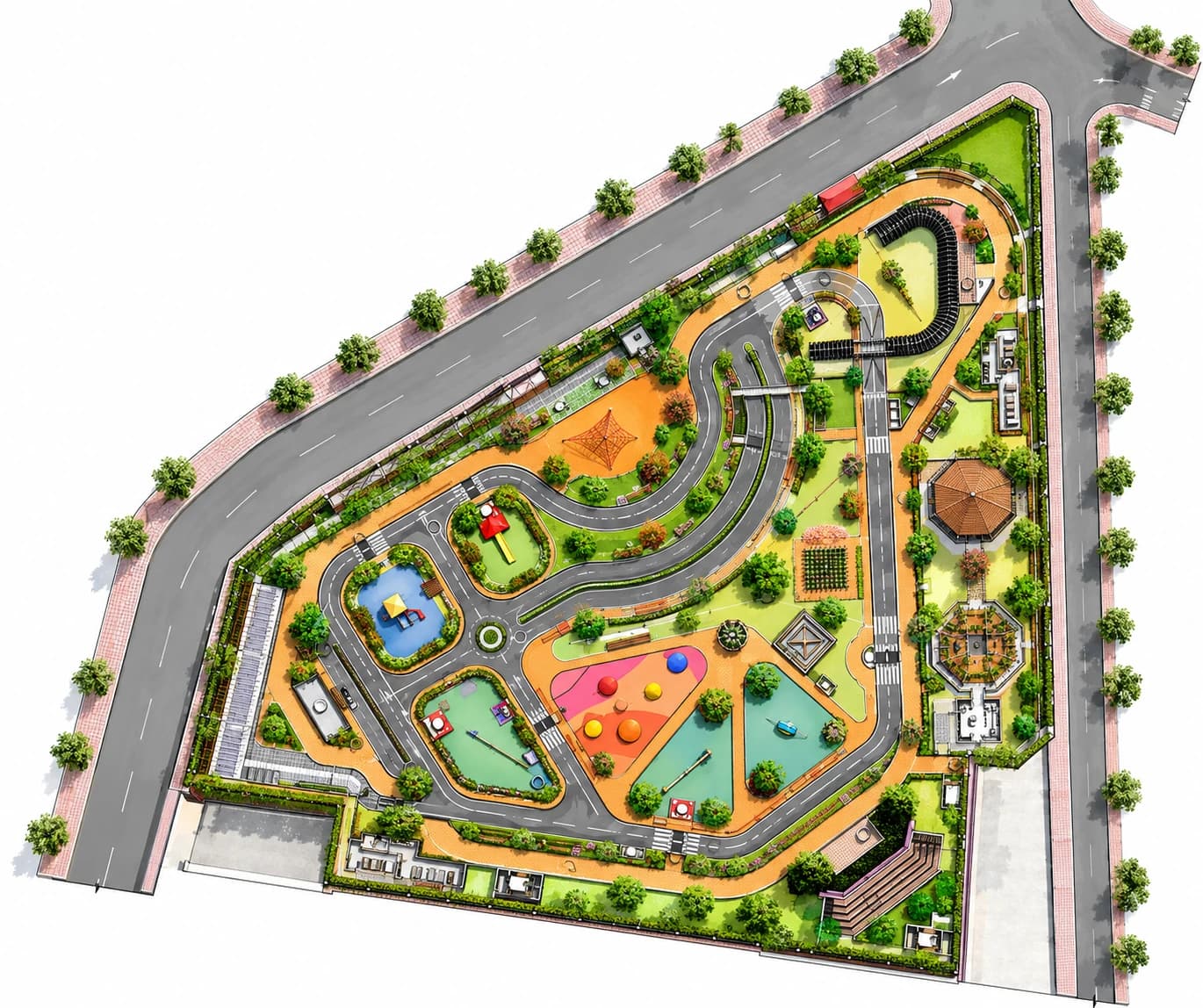
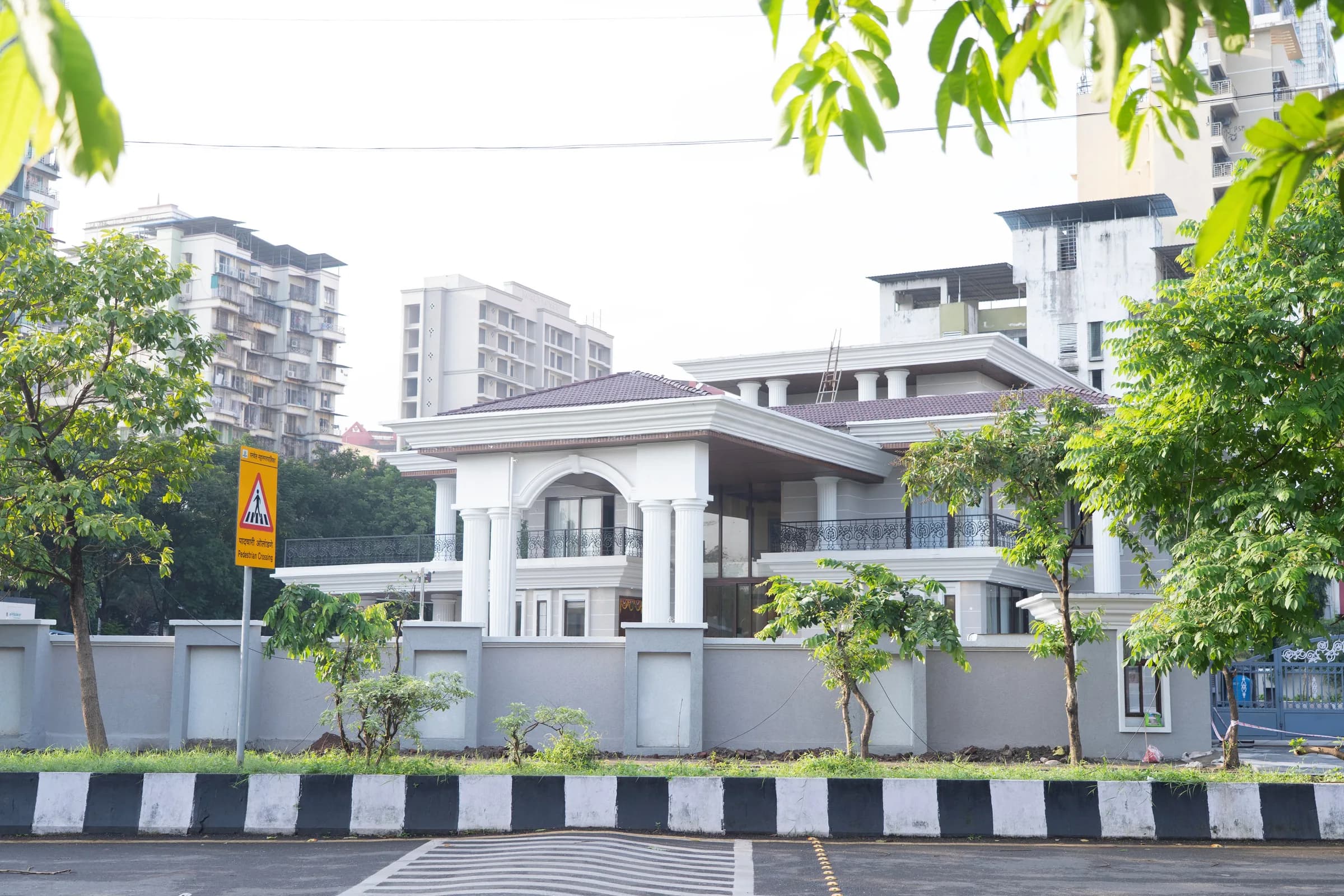
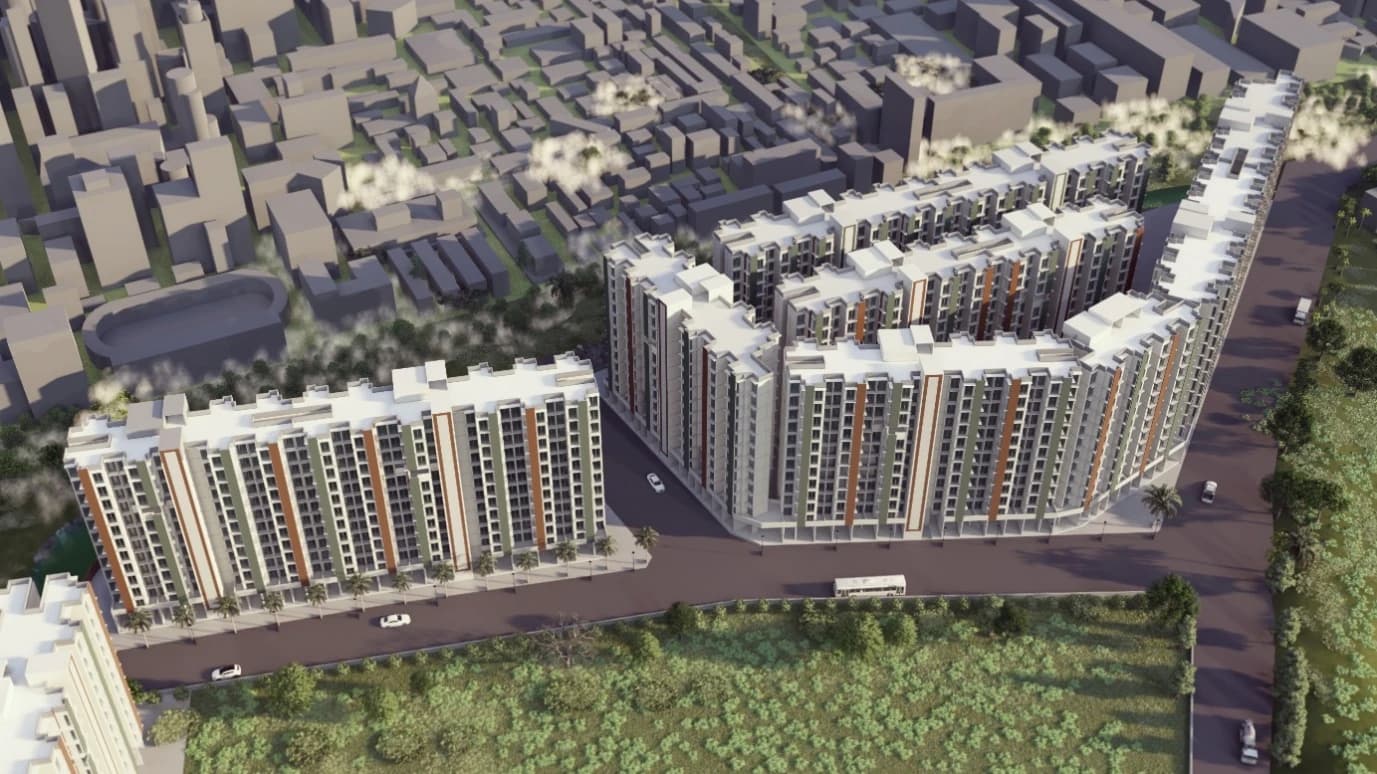
Our expertise
One team across the whole environmental brief.
ISWM Detailed Project Report is one stage of one practice. Most projects need several, and the commitments made at clearance are the ones we build and maintain.
Who we do this for
Integrated Solid Waste Management reads differently by industry.
- 01
Townships & Area DevelopmentCore
A township is a bulk waste generator at settlement scale: segregation, decentralised processing and material recovery under the SWM Rules 2016.
Integrated Solid Waste Management for Townships & Area Development - 02
Municipal CorporationsCore
The SWM Rules 2016 place the processing and disposal duty on the ULB itself, with decentralised capacity the practical route.
Integrated Solid Waste Management for Municipal Corporations - 03
Real Estate & Construction
A society generating over 100 kg/day is a bulk waste generator under the Solid Waste Management Rules 2016 and must process wet waste on site.
Integrated Solid Waste Management for Real Estate & Construction - 04
Hospitality, Healthcare & Education
General, wet and bio-medical streams have to be segregated at source and tracked separately, each to a different rule set.
Integrated Solid Waste Management for Hospitality, Healthcare & Education - 05
Industrial & Manufacturing
Non-hazardous process and canteen waste still falls under the SWM Rules 2016 bulk generator duty, separate from hazardous-waste authorisation.
Integrated Solid Waste Management for Industrial & Manufacturing - 06
Industrial Corridors & MIDC
A node needs shared collection, segregation and processing infrastructure before allotment, not a tenant-by-tenant improvisation.
Integrated Solid Waste Management for Industrial Corridors & MIDC - 07
River & Water Missions
Riverbank dumping and floating waste undo treatment gains, so collection and processing sit inside the mission scope, not beside it.
Integrated Solid Waste Management for River & Water Missions - 08
Corporate Campuses
Segregation, recovery and diversion-from-landfill rates are reported metrics, so campus waste needs a system with data behind it.
Integrated Solid Waste Management for Corporate Campuses
Trusted by
The organisations this work is done for.






In the press