









Integrated Solid Waste Management · Townships & Area Development
Integrated Solid Waste Management for Townships & Area Development: bulk generator obligations at settlement scale.
A township is a bulk waste generator at settlement scale under the Solid Waste Management Rules 2016, which means source segregation, decentralised processing of the wet fraction and material recovery designed into the layout rather than negotiated with a municipal corporation later.
Screening view on your project, with the category and route named. No obligation.
What this means for townships & area development
Under the Solid Waste Management Rules 2016 a bulk waste generator must segregate at source into wet, dry and domestic hazardous streams and process the biodegradable fraction within the premises as far as possible. A township clears that threshold many times over, and it does so in a location that frequently has no municipal collection capable of absorbing it. A greenfield township on the edge of a growing city is often outside a functioning collection system for years. That is why the 8(b) appraisal treats solid waste as settlement infrastructure: collection logic across sectors, a decentralised processing arrangement sized per sector or cluster, a materials recovery point for the dry stream with space for aggregators to work, a domestic hazardous collection route, and space and access designed for the vehicles that will service all of it. Construction and demolition waste runs alongside in parallel under the C&D Waste Management Rules 2016, and on a township the construction front is generating it continuously while earlier sectors are already occupied.
How KIPL runs it
KIPL designs the township waste system as part of the layout and delivers it phase by phase: sector-level collection and segregation, processing capacity commissioned with the occupancy it serves, dry-waste recovery with a realistic aggregator arrangement, and record formats that satisfy both the corporation and the EC half-yearly report. The failures are structural rather than technical. Processing space is not reserved on the layout and later has to be taken from saleable land. Segregation is designed at the household but defeated by a single collection vehicle. And the whole system is handed to residents with no operating budget, at which point the township quietly starts exporting unsegregated waste to a landfill it was approved on the basis of not using.
- SWM Rules 2016
Bulk generator obligations at settlement scale
Source segregation into wet, dry and domestic hazardous streams and in-premises processing of the biodegradable fraction are obligations under Rule 4 for bulk waste generators, which a township exceeds many times over.
- 8(b)
Waste is appraised as township infrastructure
The clearance assesses the settlement's waste strategy (collection, processing capacity, recovery and disposal routing) and the resulting commitments are reported half-yearly for the life of the build-out.
There may be no municipal system to fall back on
Greenfield townships frequently sit outside a functioning municipal collection system for years. Decentralised processing is not a preference in that situation; it is the only arrangement that works.
What you receive
Written for townships & area development, not adapted from a template.
- 01Waste generation model by stream and by sector across the phased build-out
- 02Layout-level waste infrastructure: sector collection points, processing sites, materials recovery area, vehicle access and buffers
- 03Decentralised wet-waste processing capacity commissioned per sector or cluster with the occupancy it serves
- 04Dry-waste recovery and aggregator arrangement, with domestic hazardous collection routing
- 05Construction and demolition waste management for a continuously active construction front under the C&D Rules 2016
- 06Operating protocols, record formats and handover documentation for the township management body and the corporation
Questions from townships & area development
What townships & area development ask before appointing us.
Answered against the regulation as it stands, not as a sales pitch. If your situation is not here, ask us directly.
Ask a question →Can a township rely on municipal collection?
Rarely at the start, and never for the wet fraction. Under the Solid Waste Management Rules 2016 a bulk generator must process biodegradable waste within the premises as far as possible, and a greenfield township is often outside a functioning municipal collection system for its first several years in any case.
Should processing be centralised or decentralised across sectors?
Decentralised processing sized per sector or cluster usually works better on a township: it cuts internal haulage, lets capacity arrive with each phase's occupancy, and limits the consequence of any one unit going down. The layout has to reserve the sites for it, which is a decision taken at master-planning stage.
Where does the processing infrastructure go on the layout?
Onto reserved sites with vehicle access, water, power, drainage and adequate buffer from housing, planned at layout stage. Townships that do not reserve this space end up taking it from saleable land later or siting processing where it generates permanent complaints.
How is construction waste handled while sectors are already occupied?
Separately, under the C&D Waste Management Rules 2016, with its own routing, authorised handling and documentation, and with haul routes planned to keep the construction front away from occupied sectors. On a township both regimes run simultaneously for years.
Who runs the waste system after handover?
Typically the township management body or facility management arm, with the obligation continuing under the clearance conditions and the SWM Rules. The handover needs the operating protocol, the budget basis, the record formats and the legal basis explained, or the system degrades within a year or two.
How is this reported for compliance?
Through the half-yearly EC compliance report (quantities generated and processed by stream, processing capacity commissioned against occupancy, and the disposal routing for residuals) and through whatever returns the corporation requires. One record-keeping regime should serve both.
Stage by stage
How integrated solid waste management actually runs, step by step.
Also for townships & area development
The rest of the environmental brief for this sector.

Relevant proof
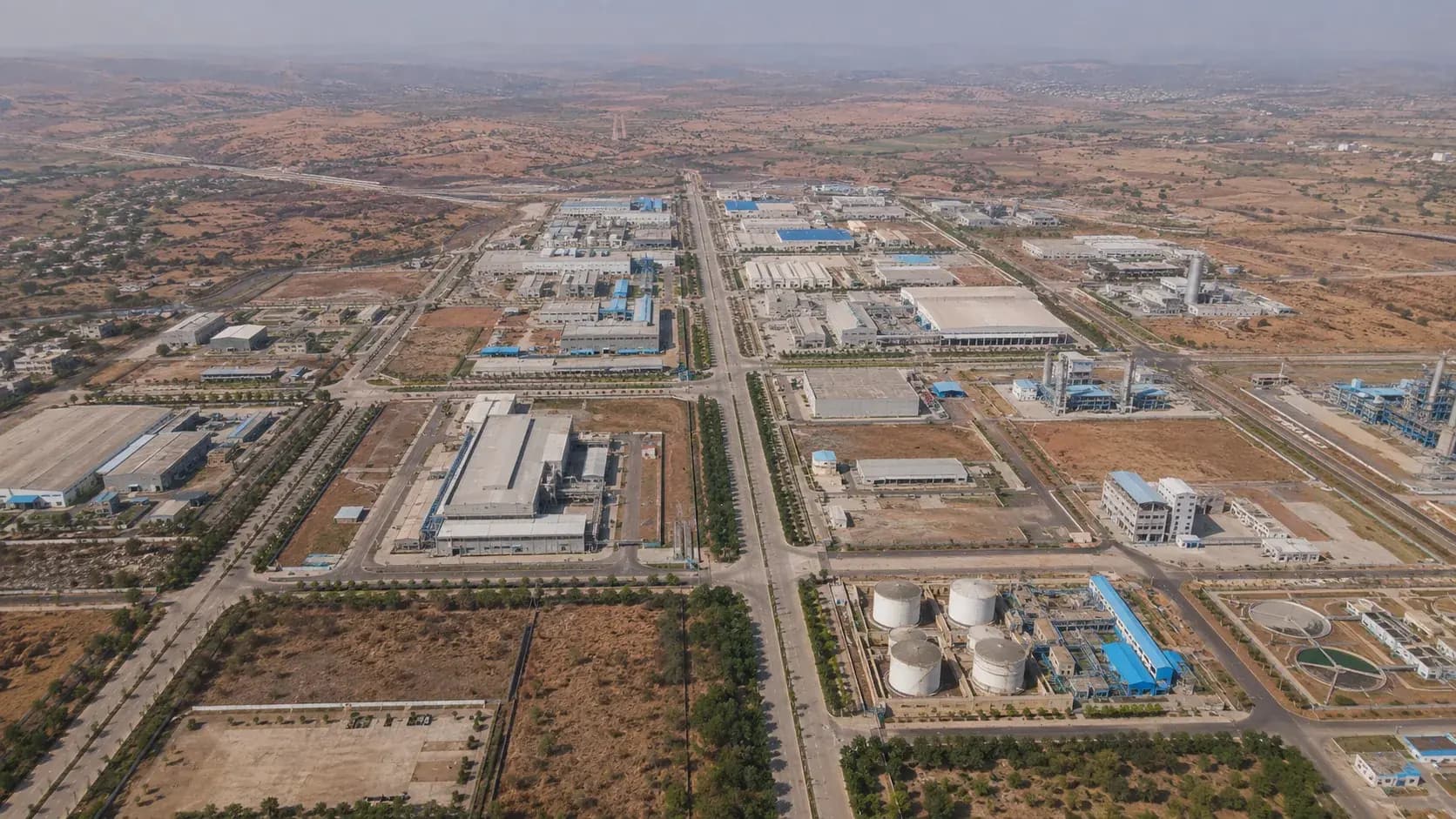
SHENDRA AND BIDKIN INDUSTRIAL AREA, AURANGABAD
Environmental compliance audits, Consent to Establish and green certification support across two industrial nodes of the Delhi-Mumbai Industrial Corridor.
- Shendra + Bidkin
- 4,024 ha
- City scale
- IGBC Gold
Where we do this
Integrated Solid Waste Management for townships & area development, city by city.
Other sectors
Who else we run integrated solid waste management for.
Next step
Tell us the project, and we will tell you the category and the route.
Screening is the cheapest stage to get right and the most expensive to get wrong. We will say plainly what integrated solid waste management your townships & area development project needs, and what it does not.





























































Start the conversation