










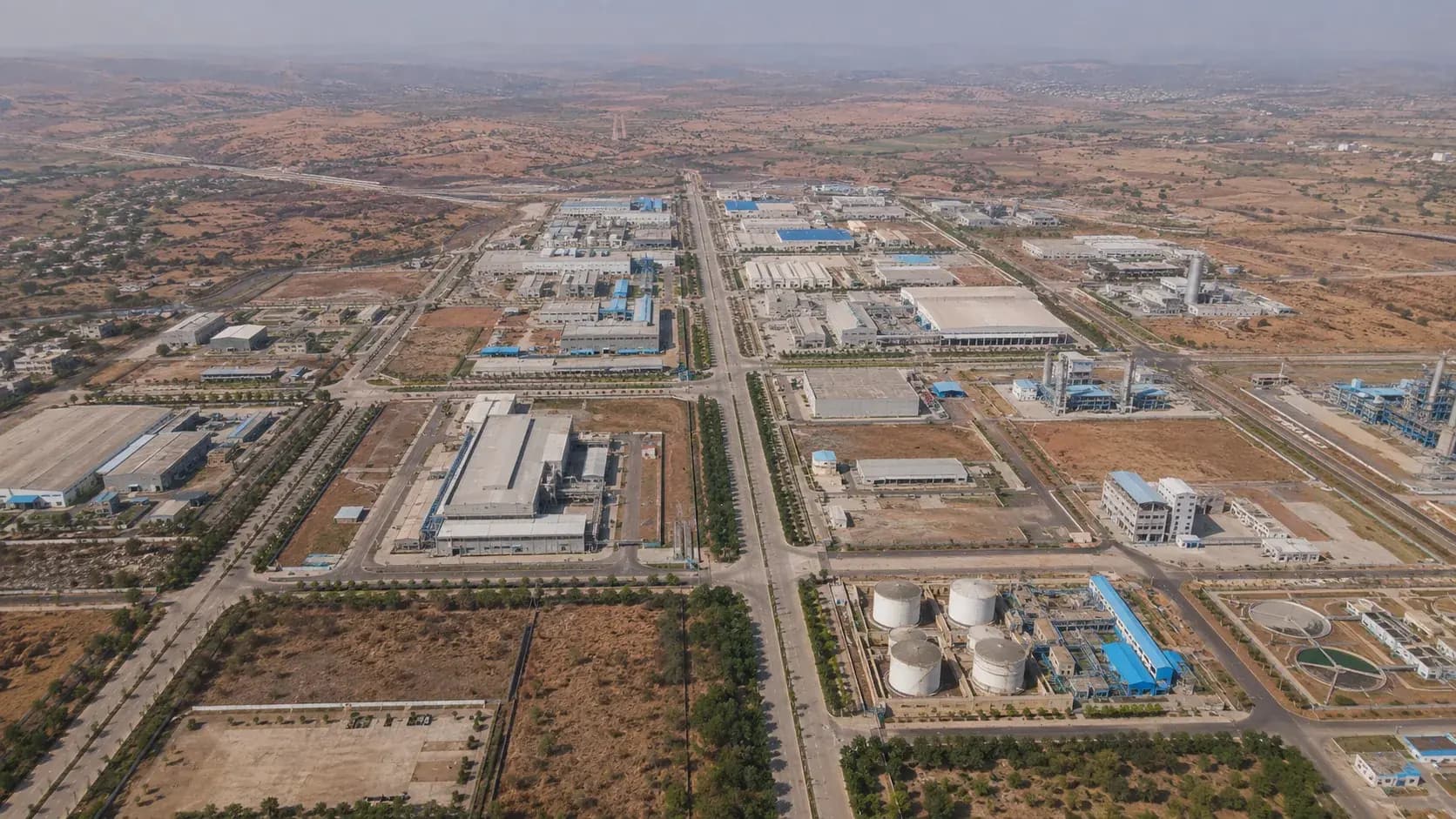
Civil EPC · Industrial Corridors & MIDC
Civil EPC for Industrial Corridor Trunk Infrastructure
The environmental commitments a corridor node made in its clearance are delivered physically by its trunk civil works, which means the road, drainage and water packages either build them in or quietly leave them out.
Screening view on your project, with the category and route named. No obligation.
What this means for industrial corridors & midc
A node's environmental case is written at master-plan stage and then executed by contractors working to civil specifications years later. Separate stormwater and effluent networks, the treated water distribution line, the green belt corridors and their soil, the topsoil stockpiled during earthwork for later reuse, the silt and dust controls during a construction phase that lasts years: every one of those is an item in a civil package, and every one is quietly dropped if it is not in the bill of quantities. The commitment then exists only in the compliance report, and the node spends years retrofitting what it could have built once.
How KIPL runs it
KIPL works on the environmental content of these packages: making the commitments measurable items in the tender, sequencing them so the ones that must precede paving and earthwork actually do, and supervising them during execution. The most expensive omissions are the ones that become inaccessible later: a second conveyance network under a completed road, treated water distribution to a green belt already planted, topsoil that was mixed into fill instead of stockpiled. None of them can be recovered cheaply once the node is built.
Trunk services carry the environmental commitments
Separated networks, treated water distribution, drainage regime and green belt ground condition are all delivered by civil packages. If they are not in the BOQ, they are not delivered.
Construction at a node runs for years
Dust, silt run-off, debris and haul road impacts are continuous over a long build-out, close to the villages that objected at the public hearing, and are attributed to the authority.
Retrofitting a developed node is prohibitive
A second network under a finished road or distribution to established planting costs many times what it would have cost during the original package.
What you receive
Written for industrial corridors & midc, not adapted from a template.
- 01Environmental items written as measurable entries in the trunk works BOQ, not as notes
- 02Separated stormwater, sewerage and effluent conveyance in the network layout as executed
- 03Treated water distribution laid to green belt and non-potable demand during the road packages
- 04Topsoil stripping, stockpiling and reuse specification within the earthwork contract
- 05Construction environment management plan for a multi-year build: dust, silt, debris, haul roads
- 06Supervision and staged records tying executed work back to the node's clearance commitments
Questions from industrial corridors & midc
What industrial corridors & midc ask before appointing us.
Answered against the regulation as it stands, not as a sales pitch. If your situation is not here, ask us directly.
Ask a question →Which environmental items must be in a trunk works package?
The ones that become inaccessible later: separated conveyance networks, treated water distribution lines, sub-grade and drainage for green belt corridors, and topsoil stripping and stockpiling during earthwork. Anything laid under a road or under planting has to go in during that package, since opening a completed node to retrofit it is many times more expensive.
Why does topsoil matter enough to specify?
Because it is the difference between a green belt that establishes and one that fails. Greenfield earthwork strips and mixes topsoil into fill unless the contract requires it to be stripped separately, stockpiled and protected, and reused on the green belt corridors. It costs almost nothing to require and is impossible to recover afterwards.
How are construction impacts managed over a multi-year build?
With controls written into every package rather than into a single plan nobody is contractually bound by: dust suppression on haul roads and exposed areas, silt traps before drainage discharge, debris routed to authorised handling, and defined working hours near settlements. Since the build-out runs for years next to the villages that objected at the hearing, these are what the community sees of the authority's commitments.
Can the authority hold contractors to environmental performance?
Only to what the contract says. Environmental performance has to appear as specified, measurable obligations with payment consequences, in the same way as any other item. A general clause requiring compliance with applicable law gives the authority almost nothing to act on when the specific problem arises.
Who checks that what was cleared is what was built?
Someone has to, and it should be independent of the executing contractor. Node clearances are granted on a described infrastructure configuration, and the half-yearly compliance report states what exists. Without supervision tying executed work back to the commitments, divergence is discovered at audit rather than during construction when it could still be corrected.
What is the most common omission in these packages?
The second network. Separating effluent conveyance from stormwater is expensive during the road package and unaffordable afterwards, so it is the item most often deferred to a later phase and never built. The consequence is effluent in stormwater drains, which is the single most damaging finding a boundary inspection can produce.
Stage by stage
How civil epc actually runs, step by step.
Also for industrial corridors & midc
The rest of the environmental brief for this sector.
Relevant proof
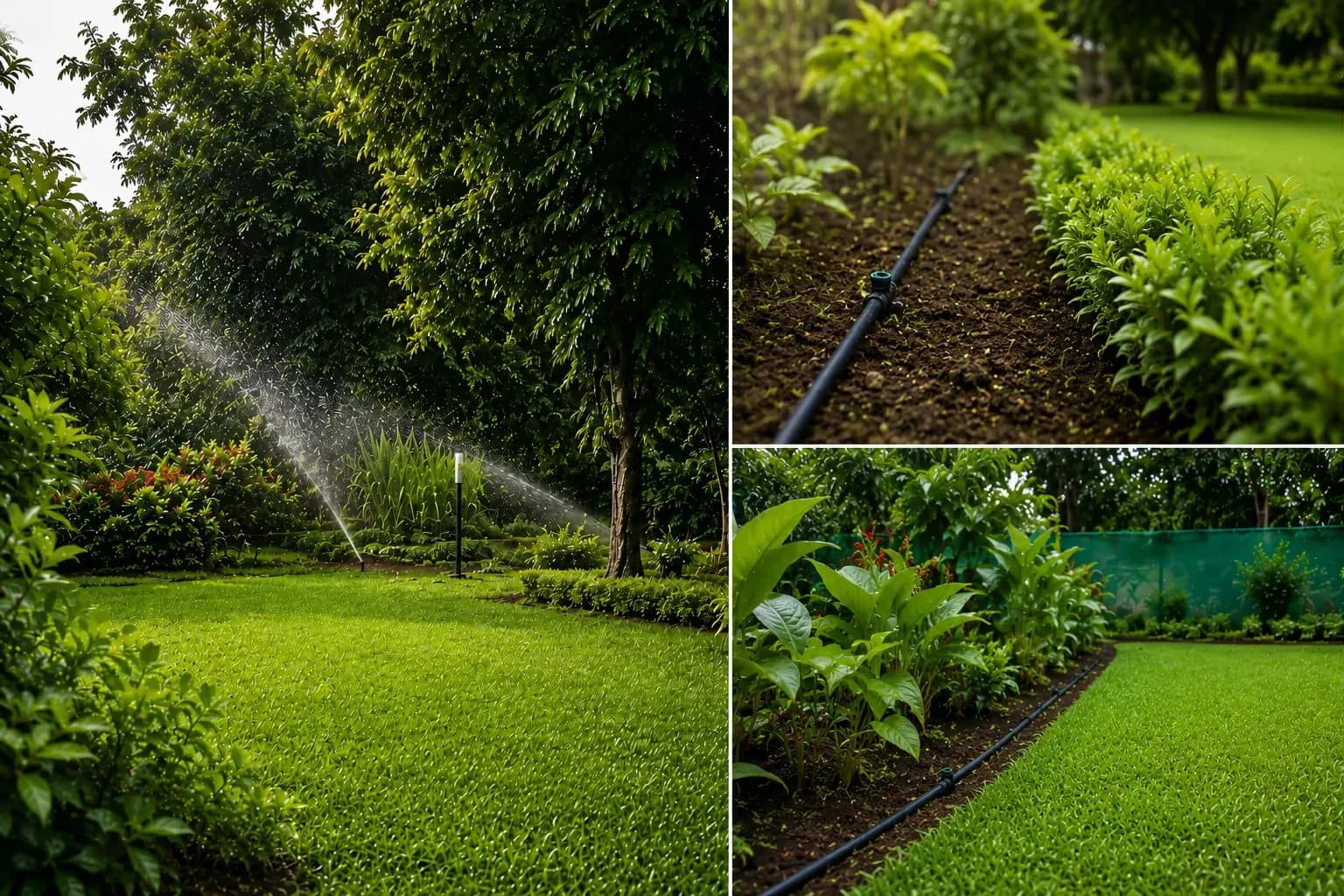
IRRIGATION WORK AT TCS BANYAN PARK
Design and execution of an efficient drip-irrigation network across ~10,000 m² of landscape and plantation zones: pipeline, network and testing, completed in 45 days.
- Area
- ~10,000 m²
- Delivery
- 45 days
Where we do this
Civil EPC for industrial corridors & midc, city by city.
Other sectors
Who else we run civil epc for.
Next step
Tell us the project, and we will tell you the category and the route.
Screening is the cheapest stage to get right and the most expensive to get wrong. We will say plainly what civil epc your industrial corridors & midc project needs, and what it does not.





























































Start the conversation