










Civil EPC · Townships & Area Development
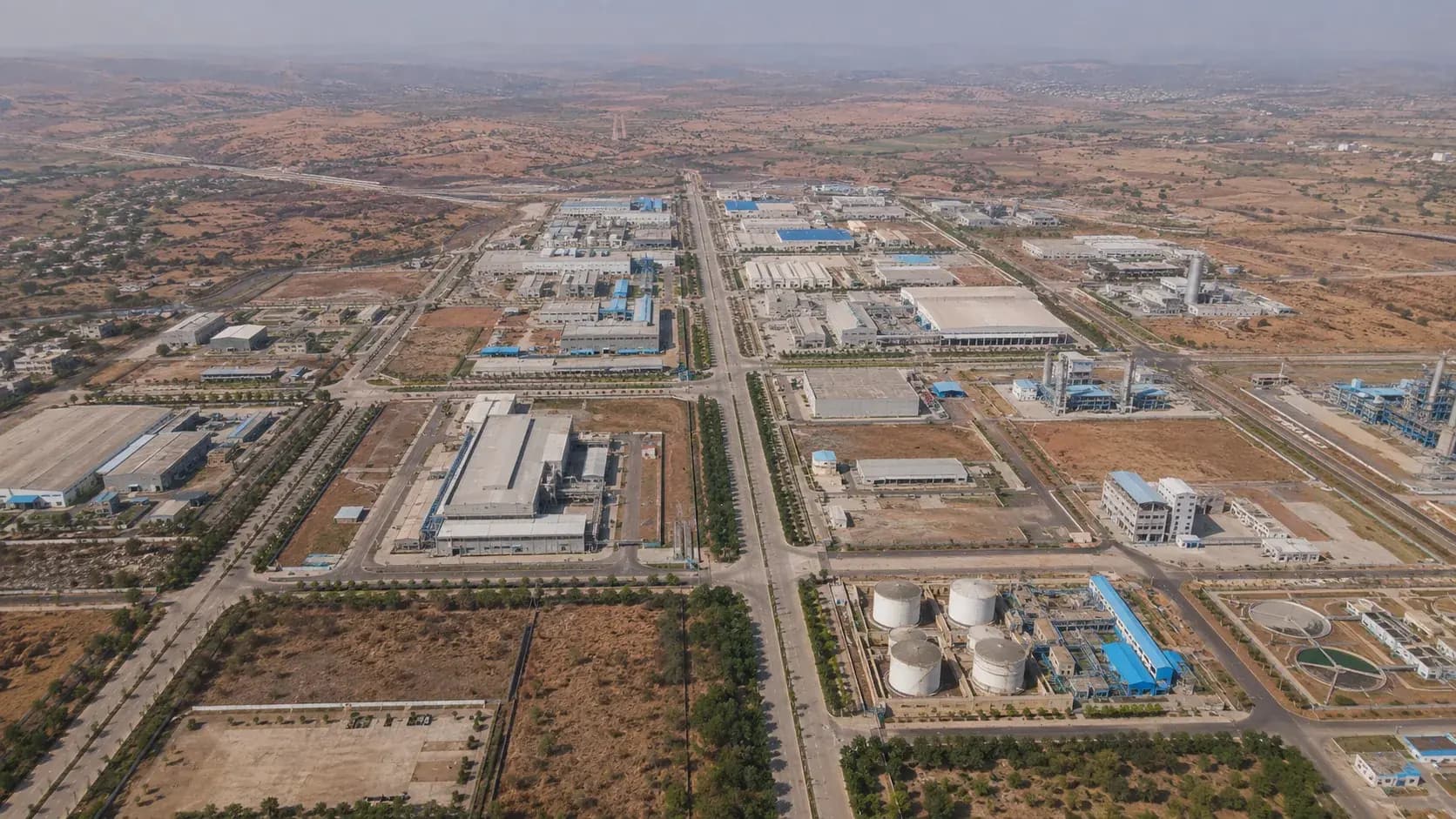
Civil EPC for Townships & Area Development: building the layout the clearance was granted against.
The internal roads, open spaces, playgrounds and drainage a township builds are the physical form of the layout commitments its item 8(b) clearance was granted against, which makes civil delivery a compliance activity as much as a construction one.
Screening view on your project, with the category and route named. No obligation.
What this means for townships & area development
When a township clearance is granted, it is granted on a layout: a road network with a stated hierarchy and cross-section, open spaces in stated locations and proportions, a drainage and storm-water strategy, a green network, and services corridors that carry the water, sewage and reuse mains. Building that layout is not neutral work. Road cross-sections determine whether the swales and avenue planting the drainage and green commitments assume can actually exist. Levels and drainage determine whether storm water is retained on site or exported to adjoining land. The services corridor determines whether the treated-water reuse main can be laid with the phase or has to be retrofitted later. Playgrounds and open spaces are both a sanction requirement and the ground the green-cover commitment sits on. A contractor optimising for cost against a bill of quantities, with no sight of the clearance conditions, will quietly remove the elements that were environmental commitments: because on a drawing they look like landscape rather than obligation.
How KIPL runs it
KIPL delivers township civil works with the clearance conditions in the same hands as the construction. Road, drainage and services design coordinated so the reuse main, the storm-water strategy and the avenue planting all fit the corridor; earthworks planned around the tree stock that the enumeration identified for retention; open spaces and playgrounds constructed with the sectors they serve rather than deferred; and as-built records that feed the half-yearly compliance report. Where the same team also builds the treatment plants and the green belt, the sequencing across a phase can be planned as one programme instead of three contractors discovering each other's constraints on site.
- 8(b)
The layout is what was approved
Roads, open spaces, drainage and the green network as shown in the approved layout are the basis of the clearance. Building something materially different is a divergence from the approval, not a construction variation.
- UDCPR
Sanctioned open space and road standards
The applicable development control regulations fix recreational open space and internal road requirements for the sanctioned layout, and the planning authority checks them against what is built.
Services corridors decide what is possible later
The treated-water reuse main, storm-water swales and avenue planting all compete for the same corridor. Coordinated at design stage they fit; discovered on site they are value-engineered out.
What you receive
Written for townships & area development, not adapted from a template.
- 01Internal road network construction to the sanctioned hierarchy and cross-sections, coordinated with services corridors
- 02Storm-water drainage, swales and retention built to the strategy the clearance was granted on
- 03Services corridor execution carrying water, sewage and the treated-water reuse main with the phase
- 04Open spaces, playgrounds and recreational areas constructed with the sectors they serve
- 05Earthworks planned around retained tree stock and around the committed green network
- 06As-built records and quantities reconciled to the approved layout for the half-yearly compliance report
Questions from townships & area development
What townships & area development ask before appointing us.
Answered against the regulation as it stands, not as a sales pitch. If your situation is not here, ask us directly.
Ask a question →Why is township civil work treated as a compliance matter?
Because the layout is what the clearance was granted on. Road cross-sections, drainage, open space and services corridors carry environmental commitments (retention of storm water, avenue planting, the reuse main, recreational open space) and a contractor working only to a bill of quantities has no reason to protect them.
What usually gets lost when infrastructure is value-engineered?
The elements that look optional on a drawing: swales reduced to kerb-and-gully, verge widths trimmed so avenue planting no longer fits, the treated-water reuse main deferred to a later phase, and open space reduced or deferred. Each is an approved commitment, and each is expensive to restore once roads are built and sectors occupied.
How are earthworks sequenced against the tree enumeration?
The enumeration and the Tree Authority position have to precede clearing, and the earthworks programme has to protect the trees the layout retains and the ones awaiting transplantation. Clearing first and reconciling later is an offence under the Trees Act 1975 and a poor start with authorities the township will deal with for a decade.
Should open spaces and playgrounds be built with each phase?
Yes. They are a sanction requirement, the ground on which the green-cover commitment sits, and the amenity early residents purchased. Deferring them to the end of the build-out creates a compliance shortfall and a residents' grievance simultaneously, and both persist across subsequent launches.
Can the reuse main be laid later?
It can, at considerable cost and disruption through built roads and occupied sectors, which is why it is usually not laid at all. The reuse main belongs in the services corridor with the phase infrastructure, because the water balance in the clearance assumes the treated water reaches the landscape.
What is the advantage of one team for civil works, treatment and green belt?
Sequencing and accountability. On a township phase, the roads, services corridor, treatment capacity, reuse main and green belt all interact, and with separate contractors those interactions are discovered on site. With one team holding the clearance conditions as well, the commitments are protected through the delivery decisions rather than after them.
Stage by stage
How civil epc actually runs, step by step.
Also for townships & area development
The rest of the environmental brief for this sector.
Relevant proof
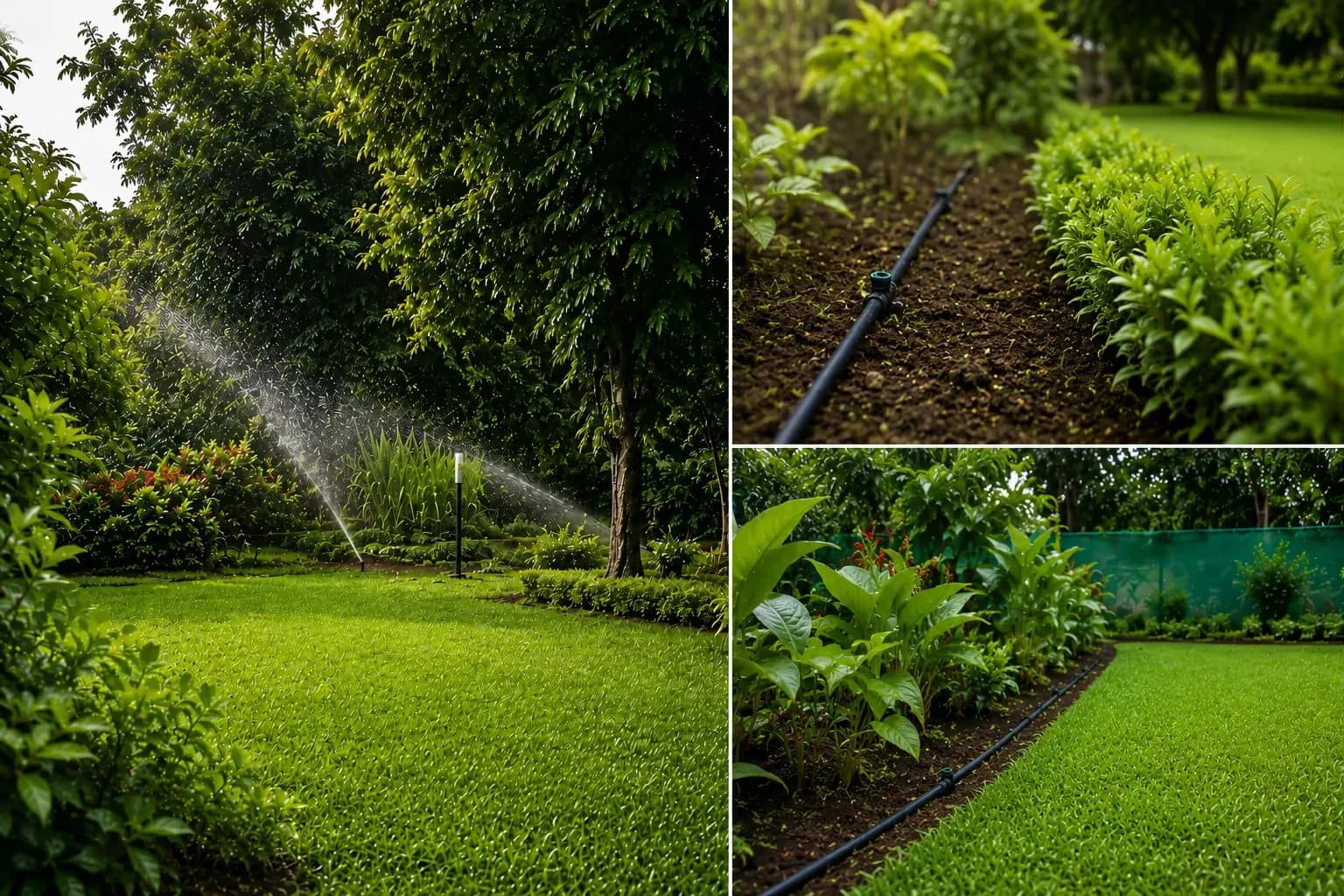
IRRIGATION WORK AT TCS BANYAN PARK
Design and execution of an efficient drip-irrigation network across ~10,000 m² of landscape and plantation zones: pipeline, network and testing, completed in 45 days.
- Area
- ~10,000 m²
- Delivery
- 45 days
Where we do this
Civil EPC for townships & area development, city by city.
Other sectors
Who else we run civil epc for.
Next step
Tell us the project, and we will tell you the category and the route.
Screening is the cheapest stage to get right and the most expensive to get wrong. We will say plainly what civil epc your townships & area development project needs, and what it does not.





























































Start the conversation