









Vermicomposting units: earthworm-based conversion of pre-digested organic waste.
Vermicomposting uses earthworms to convert partially decomposed organic matter into a fine, stable vermicompost: a low-energy route that suits sites with space, garden waste and a patient operating routine.
What it is
Earthworms do not work on fresh kitchen waste. A vermicomposting unit therefore has two stages: a pre-decomposition stage where fresh waste is allowed to break down and cool for a period, and the worm beds themselves, where the pre-digested material is fed in thin layers and worked through to produce vermicompost and worm castings. The beds need shade, steady moisture, a stable temperature band and protection from ants, rodents and waterlogging.
KIPL designs vermicomposting units where the site profile suits them (campuses, institutions, horticulture-heavy premises and housing societies with area available) and is candid where they do not. Oily, salty, spiced and heavily citrus waste, and anything with meat or dairy, is unsuitable for worm beds; sites generating that kind of stream need a mechanical or in-vessel route instead. Where vermicomposting does fit, it is the cheapest to run and produces the best soil conditioner of any of the options.
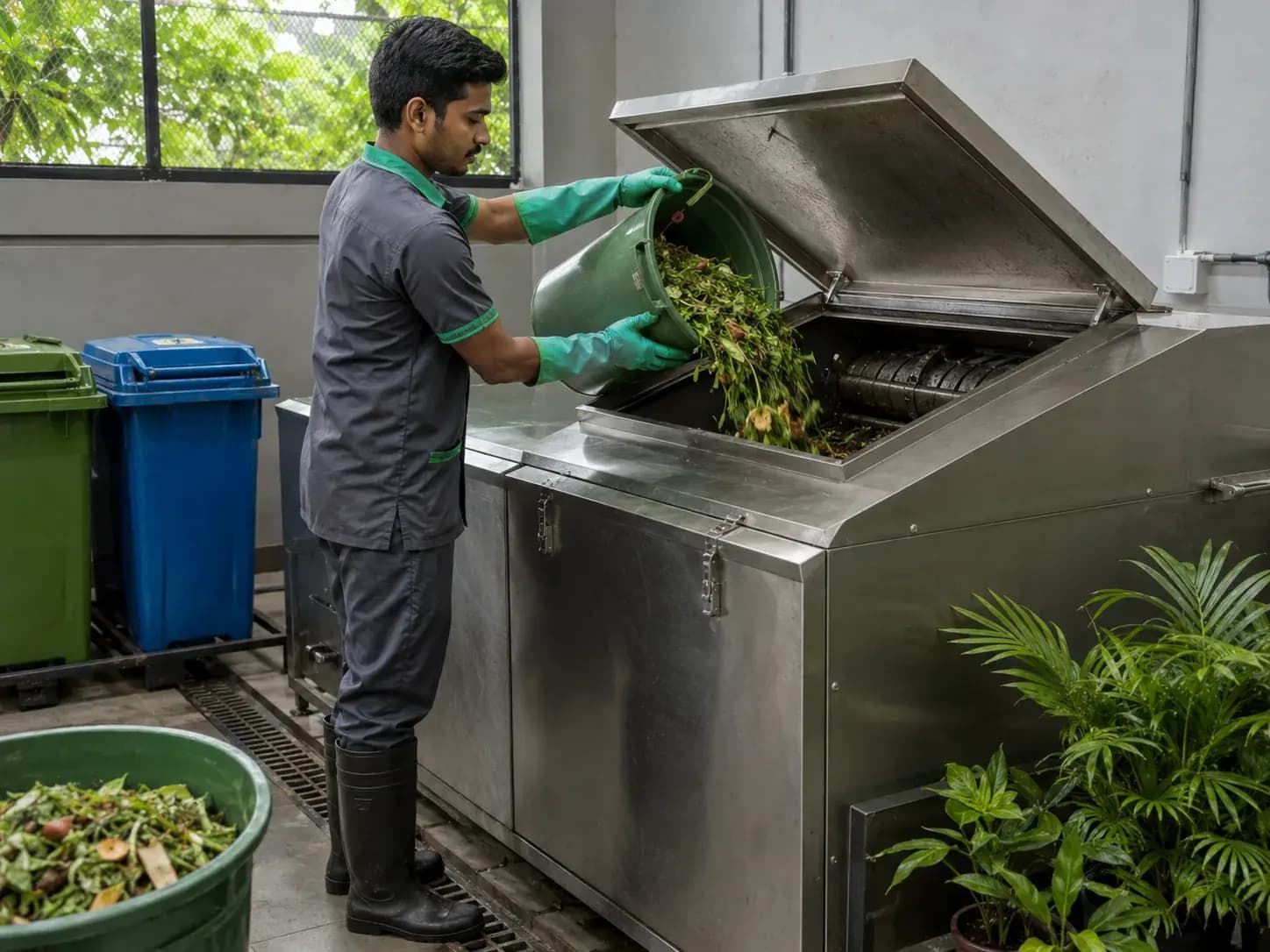
What you get
The deliverables, in hand.
- Authority
- Solid Waste Management Rules 2016 · municipal bye-laws
- Typical timeline
- Beds are built in weeks; the first harvest follows the biological cycle
- Suitability assessment of the site's waste stream for worm beds
- Bed or pit layout with shading, drainage and vermiwash collection
- Pre-decomposition area design and feeding protocol
- Worm stocking, bedding material and start-up of the beds
- Harvest, separation and storage routine for vermicompost
- Operator training and a written daily and weekly schedule
Straight answers
Vermicomposting Units: common questions.
01Can we feed fresh kitchen waste straight into worm beds?
No. Fresh waste heats up as it begins to decompose and will drive the worms away or kill them. Waste must be pre-decomposed for a period in a separate area and allowed to cool before it is laid on the beds in thin layers. Skipping that stage is the single most common cause of a failed vermicomposting unit.
02What waste is unsuitable for vermicomposting?
Oily and salty food, heavily spiced waste, large quantities of citrus, and meat, fish and dairy. These either harm the worms, attract pests, or create anaerobic pockets in the bed. A premises whose waste is dominated by cooked, oily food is generally better served by a mechanical or in-vessel composter.
03How long does a cycle take?
It is a biological process, so the honest answer is that it depends on temperature, feed rate, moisture and the maturity of the bed rather than on a fixed number. Harvest intervals settle into a rhythm once a bed is established; a new unit takes longer while the worm population builds up. The pre-decomposition stage adds to the front of every cycle.
04How is it different from a mechanical composter?
A mechanical composter uses power and machinery to compress the active phase into a short cycle in a small footprint. Vermicomposting uses almost no energy but needs more area, a shaded and temperature-stable location, and an operator who tends the beds rather than presses a button. It produces a finer, higher-quality soil conditioner; it is less tolerant of variable and unsuitable feed.
05What maintenance do the beds need?
Daily attention to moisture (beds should be damp, never waterlogged) controlled thin-layer feeding, turning and levelling as required, protection against ants and rodents, drainage of vermiwash, and periodic harvesting with separation of worms from finished compost. It is light work, but it is daily work and it does not tolerate long neglect.
06Does vermicomposting satisfy the on-site processing obligation?
Vermicomposting is a recognised composting route, so where it genuinely processes the premises' wet waste it can form part of a bulk generator's compliance under the Solid Waste Management Rules 2016. What matters to an inspection is that the installed capacity matches the waste actually generated and that records show the waste is being processed, not that a token bed exists in a corner.
Within Organic Waste Converters
Part of the whole route, the other components.
Relevant proof
Where this stage has already been delivered.

MIDC / AURIC · Shendra & Bidkin, Chhatrapati Sambhajinagar
SHENDRA AND BIDKIN INDUSTRIAL AREA, AURANGABAD
Environmental compliance audits, Consent to Establish and green certification support across two industrial nodes of the Delhi-Mumbai Industrial Corridor.
Where we do this
Organic Waste Converters on the ground.
The authority, the timeline and the local ground differ by city. These pages set out how organic waste converters actually runs in each.
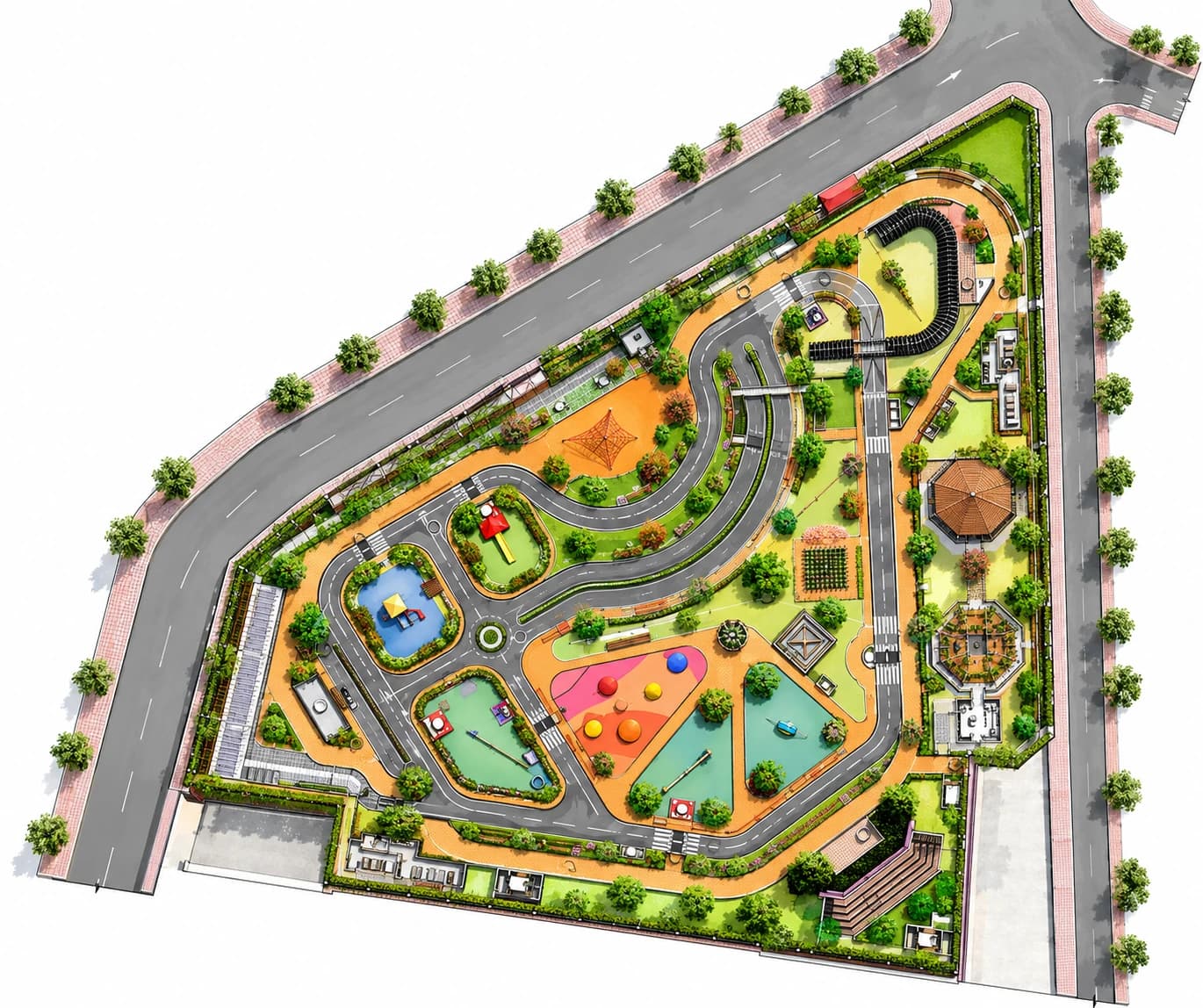
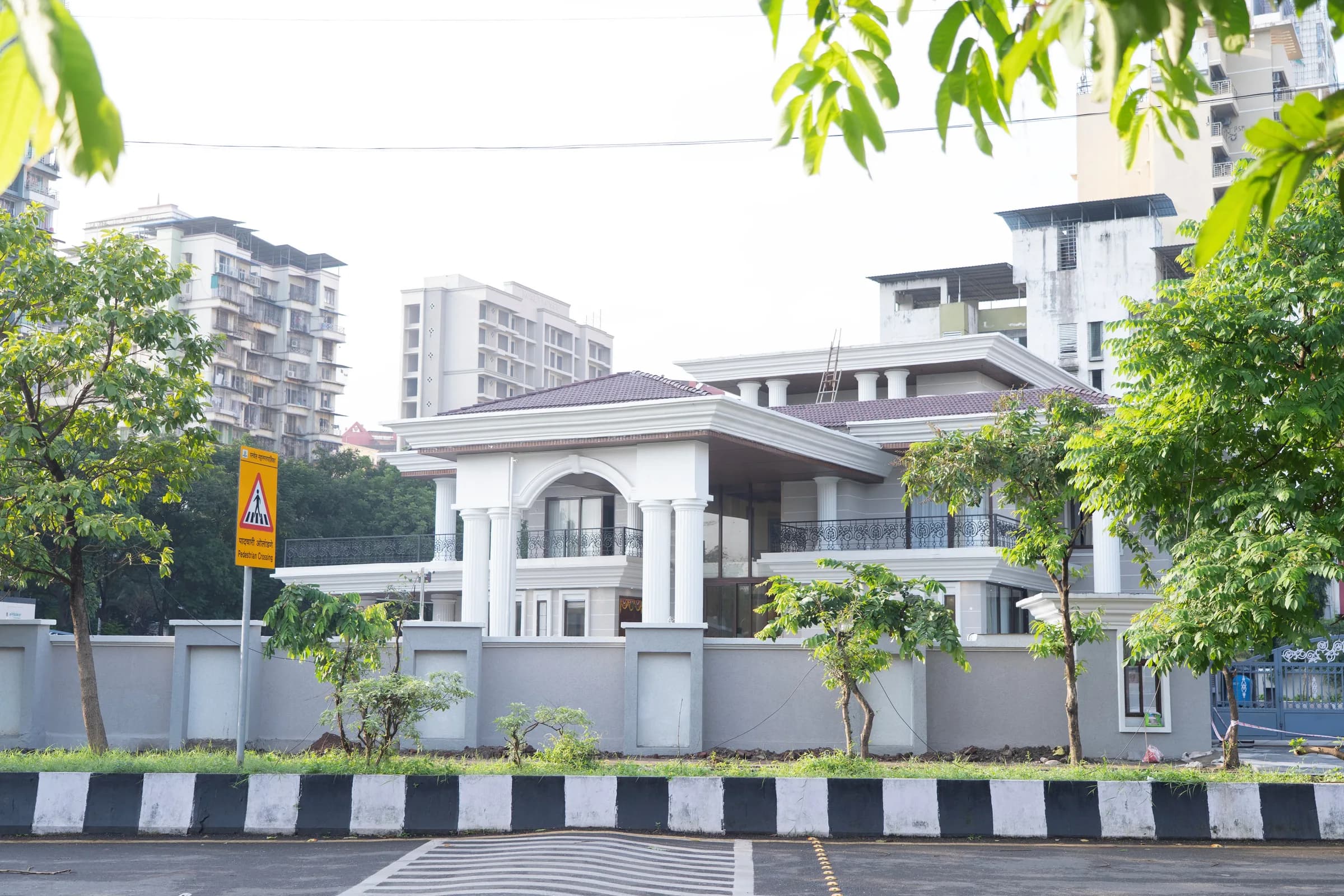
Featured projects
Work that carries its own evidence.

Our expertise
One team across the whole environmental brief.
Vermicomposting Units is one stage of one practice. Most projects need several, and the commitments made at clearance are the ones we build and maintain.
Who we do this for
Organic Waste Converters reads differently by industry.
- 01
Hospitality, Healthcare & EducationCore
Kitchen and canteen waste puts a campus well past the 100 kg/day bulk generator line under the SWM Rules 2016.
Organic Waste Converters for Hospitality, Healthcare & Education - 02
Corporate CampusesCore
Canteen waste at campus scale crosses the 100 kg/day bulk generator threshold under the SWM Rules 2016, requiring on-site processing.
Organic Waste Converters for Corporate Campuses - 03
Real Estate & Construction
Municipal bye-laws across MCGM, NMMC and PMC make an OWC the practical way a large housing project meets its wet-waste obligation.
Organic Waste Converters for Real Estate & Construction - 04
Townships & Area Development
Decentralised composting sized per sector or cluster is how the township meets its wet-waste commitment without a municipal tie-in.
Organic Waste Converters for Townships & Area Development - 05
Municipal Corporations
Ward-level composting is how a corporation reduces landfill load and enforces the bulk generator rule on its own societies.
Organic Waste Converters for Municipal Corporations
Trusted by
The organisations this work is done for.












In the press